
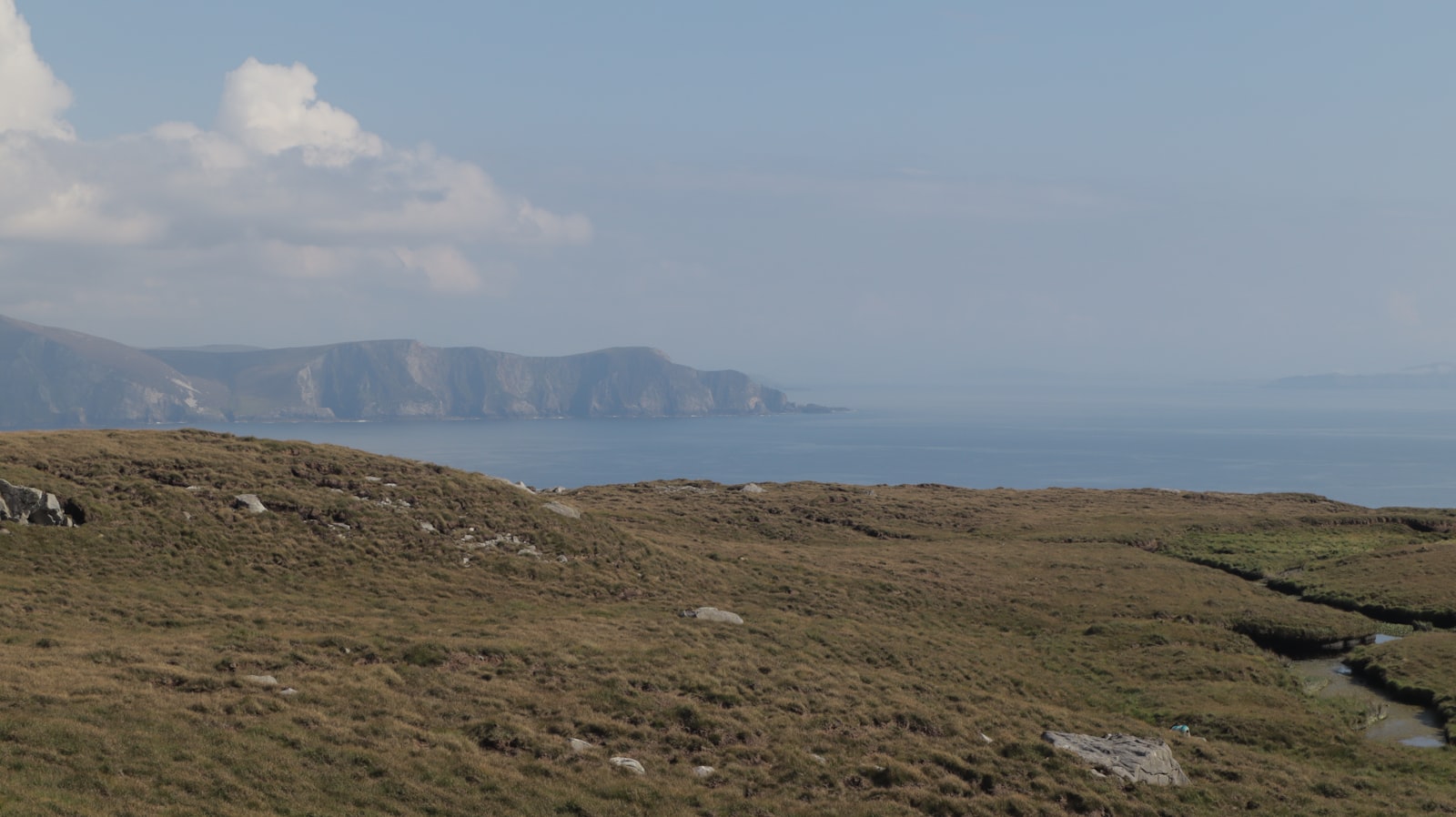
Photo by milomc123 on Unsplash
Achill Island, connected to County Mayo’s mainland by a road bridge, holds the distinction of being Europe’s largest island despite its modest international recognition. Covering approximately 148 square kilometers, the island offers dramatic Atlantic scenery, mountain peaks, hidden beaches, and a character distinctly separate from mainland Ireland. For American travelers seeking island experiences combining natural beauty, accessible infrastructure, and genuine remoteness, Achill delivers profound rewards.
What distinguishes Achill from popular island destinations is its relative lack of tourism infrastructure. Unlike many famous Irish islands, Achill maintains authentic character—locals outnumber tourists even during peak seasons, traditional occupations persist, and commercialization hasn’t fundamentally altered community character. The island simultaneously offers sufficient accommodation and dining to welcome visitors comfortably while maintaining the essential character that makes island exploration genuinely rewarding.
Understanding Achill Island’s Geography and Identity
Achill Island covers 148 square kilometers of terrain varying from dramatic coastal cliffs to protected valleys and mountain peaks. The island’s highest point, Slievemore Mountain, reaches 688 meters and dominates the landscape from numerous perspectives. Achill Head, at the island’s northwestern extremity, presents some of the most dramatic coastal scenery in Ireland.
The island’s population remains modest at approximately 2,700 permanent residents, concentrated primarily in Achill Sound, the island’s primary village. This sparse population, combined with the island’s considerable size, creates opportunities for genuine remoteness—you can drive entire roads encountering few vehicles and no other pedestrians.
Historically, Achill held significant cultural importance. The island contained Early Christian monastic settlements, and its isolated position protected communities from external threats. Medieval periods saw Anglo-Norman settlement and fortification. The 19th and 20th centuries brought tourism development and, more recently, efforts to preserve Irish language and cultural practices.
The island’s cultural identity remains distinctly Irish. Irish language—Gaeilge—remains spoken by substantial portions of the population, and cultural institutions work actively to preserve traditions. This linguistic and cultural reality influences daily island life in ways creating distinctions from anglicized regions.
Island Access and Orientation
Achill Island connects to mainland County Mayo via a road bridge at Achill Sound. This relatively recent connection (1885) transformed the island’s accessibility, previously requiring ferry crossings. The bridge’s existence allows visitors to arrive with rental cars, eliminating ferry scheduling constraints.
The primary village, Achill Sound, contains accommodation, restaurants, pubs, and services. The village’s modest scale—a main street containing perhaps two dozen commercial establishments—communicates the island’s character. Achill Sound serves as the logical base for island exploration, though several other small villages throughout the island provide alternatives.
From Achill Sound, roads extend throughout the island, providing vehicle access to all major areas. No single road circumnavigates the island; rather, roads branch to specific destinations and then return, creating an exploration pattern requiring navigation decisions rather than following a continuous loop.
Achill’s Dramatic Coastal Scenery
Achill’s coastline encompasses dramatic cliffs, hidden beaches, and rocky headlands creating some of Ireland’s most visually impressive coastal landscapes. The island’s Atlantic-facing western coast in particular presents terrain where cliffs rise hundreds of meters from churning waters below.
Achill Head and Clare Island Views
Achill Head, at the island’s northwestern extremity, presents perhaps the most dramatic coastal scenery. The road to Achill Head winds through increasingly exposed terrain, climbing as it approaches the head. Reaching the parking area at the road’s terminus, you can walk to the cliff edge and observe the Atlantic’s raw power.
From Achill Head on clear days, visibility extends toward Clare Island and the Irish coast beyond. The landscape’s exposure creates constant wind—visitors should prepare accordingly. The cliffs’ height (approximately 200 meters) combined with wind and the ocean’s visible power create perspectives that humble through their grandeur.
Walking from Achill Head toward Clare Island along the cliff path provides hiking experiences with exceptional views. The path becomes increasingly primitive as you move away from parking facilities, requiring careful footing but remaining accessible to reasonably fit hikers.
Minaun Cliffs
Minaun Cliffs, on Achill’s northern coast, represent perhaps the island’s most visually dramatic coastal feature. These sea cliffs, reaching approximately 600 meters in height, rank among the highest in the United Kingdom and Ireland. The sheer vertical rises, with limited vegetation surviving on cliff faces, create landscapes of primal drama.
Viewing Minaun Cliffs requires either boat trips from Achill Sound or hiking from Clare Island (accessible by ferry from Achill). The boat approach provides perspectives unavailable from land—the cliffs’ full height becomes apparent only from the water, where the vertical rise seems almost incomprehensible.
Hikers approaching Minaun from Clare Island descend from island heights toward the cliff viewpoints, creating perspective shifts as the full landscape appears. This hike, while moderately challenging, rewards effort thoroughly through landscape drama and the sense of reaching somewhere genuinely remote.
Hidden Beaches and Coves
Despite dramatic cliff coastlines dominating Achill’s character, numerous hidden beaches and coves provide alternative coastal experiences. These beaches, often accessible only through determined exploring or local knowledge, offer opportunities for genuine discovery.
Clare Island Beach, accessible through the village of Clare Island, provides wide sandy beach backing the Atlantic exposure. The beach remains relatively undeveloped, with minimal facilities, creating a sense of discovery and genuine remoteness.
Ashleam Bay, on the island’s eastern side, presents a more sheltered beach environment. The bay’s protection from Atlantic swells creates calmer water conditions and a different beach character than exposed western beaches.
Keem Bay, positioned on Achill’s western coast, features golden sand backed by dramatic cliffs. The drive to Keem requires navigating a steep, narrow road offering panoramic views throughout the ascent. Reaching the bay reveals one of Achill’s most visually compelling beach environments.
Slievemore Mountain and Alpine Hiking
Slievemore Mountain, rising 688 meters, dominates Achill’s landscape and provides the island’s most accessible summit hiking. The mountain’s position creates views encompassing the entire island, the surrounding Atlantic coast, and the mainland beyond.
The ascent from the village of Achill typically involves approaching the mountain from its eastern side and climbing steadily through moorland terrain. The route, approximately 6-8 kilometers round trip, can be completed in approximately 3-4 hours by hikers of moderate fitness.
Reaching Slievemore’s summit rewards with panoramic views justifying the effort. On clear days, visibility extends across Clew Bay toward the Connemara Mountains, westward toward Clare Island and the Atlantic horizon, and southward across the island’s entire landscape.
The mountain’s exposed position creates wind—summer hikers often experience essentially no wind despite sea-level gales elsewhere. Conversely, wind on Slievemore can be substantial, requiring careful footing on steep terrain. Weather changes rapidly on exposed mountain terrain—morning clarity frequently transitions to afternoon mist or cloud.
The mountain’s slopes support alpine flora adapted to exposed conditions. Careful observation during hiking reveals plants including mountain avens and other species typically associated with higher elevations. These plants, surviving at modest elevation through adaptation to exposed conditions, represent ecological interest extending beyond the hiking experience itself.
The Deserted Village of Slievemore
On the eastern slopes of Slievemore Mountain sits a remarkable archaeological feature—the Deserted Village of Slievemore. This abandoned settlement, consisting of approximately 80 stone ruins, represents a “booley village”—a settlement established seasonally by farmers bringing cattle to upland pastures.
The village’s abandonment likely occurred during the Great Famine (1845-1852), when starvation and disease devastated Irish populations. These ruins, scattered across hillside terrain, represent profound reminders of human suffering and the famine’s devastating impact.
Walking among the ruins, examining the remnants of structures where families lived, creates emotional experiences transcending typical tourist activities. The settlement’s position on open mountainside, exposed to Atlantic weather, emphasizes the hardship inhabitants endured.
Accessing the village requires hiking from the valley below or from Slievemore’s slopes. The hike, while not extremely challenging, involves navigating terrain and locating specific ruins scattered across hillside. Local guides available in Achill Sound provide invaluable context and navigation expertise.
Clare Island: Day Trip Alternative
Clare Island, located approximately 5 kilometers offshore from Achill Sound, provides an accessible island-hopping experience. Ferry service operates between Achill Sound and Clare Island, with ferries departing multiple times daily during peak seasons.
The ferry crossing, lasting approximately 15 minutes, provides oceanic perspective and opportunities for observing bird life and marine ecosystems. Clare Island itself, while smaller than Achill, contains exceptional historical sites, dramatic coastal scenery, and opportunities for hiking and exploration.
The island’s most significant feature is Clare Island Abbey, a medieval ecclesiastical site representing centuries of religious and cultural importance. The abbey’s location on the island, combined with the surrounding landscape, creates settings reflecting medieval understanding of sacred geography.
The island’s coastline, while less dramatically elevated than Achill’s cliffs, offers beautiful scenery and hiking opportunities. The island’s modest size and sparse population create intimacy and genuine remoteness despite relatively easy ferry access.
Village Exploration and Local Life
Beyond major attractions, exploring Achill’s villages and connecting with local life provides genuine Irish experiences. Achill Sound, the island’s primary village, contains pubs, restaurants, shops, and accommodations—sufficient facilities to support visitors while maintaining small-village character.
Dooega, on the island’s eastern side, maintains artistic community character. Several artists maintain studios throughout the village, occasionally opening to visitors. The village’s small café and pubs serve primarily locals, creating authentic Irish pub environments.
Achill Head area contains a small settlement focused on fishing heritage. Visiting this area during fishing boat operations provides opportunities to observe ongoing maritime traditions.
Traditional music sessions occur regularly in island pubs, though timing remains variable. Visiting pubs in early evening increases likelihood of encountering musicians. The sessions, occurring in working pubs rather than venues staged for tourists, maintain authentic character.
Practical Information for Achill Island Exploration
Getting There: Achill Island is accessible from Westport, County Mayo’s largest town, approximately 60 kilometers south. Westport is approximately 180 kilometers west of Dublin. Public transportation reaches Westport, but exploring Achill fully requires a rental car. The island bridge provides direct vehicle access, eliminating ferry complexity.
Accommodation: Achill Sound contains the island’s primary accommodation concentration, though guesthouses and bed-and-breakfasts scatter throughout. Booking in advance is essential during July-August. Accommodation options range from budget hostels to mid-range hotels, with limited luxury options.
Dining: Achill Sound contains restaurants and pubs offering quality food, with emphasizes on seafood and traditional Irish cooking. Smaller villages contain limited dining options. Planning meal timing based on village-specific availability becomes essential.
Language: English serves as the primary language throughout Achill, though Irish remains spoken by portions of the population. Standard Irish phrases remain appreciated.
Weather: Atlantic position creates variable weather. Morning clarity frequently transitions to afternoon cloud or mist. Wind remains constant, particularly on exposed areas. Waterproof clothing is essential rather than optional.
Timing: May through September provides optimal conditions and maximum facility availability. April-May and September-October offer shoulder season advantages. Winter involves reduced facility hours and frequently severe weather.
Costs: Achill remains notably inexpensive compared to major tourist destinations. Accommodation and dining offer exceptional value. Self-catering options proliferate throughout the island.
Activities and Experiences
Hiking: Beyond Slievemore, numerous routes throughout the island provide walking opportunities of varying difficulty. Coastal paths, valley walks, and mountain routes accommodate various fitness levels and interests.
Beach Exploration: The island’s numerous beaches remain relatively undeveloped. Discovering hidden beaches creates genuine exploration opportunities.
Fishing: The island supports excellent sea fishing opportunities, with equipment rental and guided charters available from Achill Sound.
Photography: The island’s dramatic scenery, changing light, and varied landscapes reward extensive photographic attention. Different seasons and weather conditions create varying visual presentations.
Cultural Immersion: Attending traditional music sessions, visiting artist studios, and spending extended time in village pubs creates genuine cultural connections.
Island Hopping: Ferry service to Clare Island allows multi-day explorations combining Achill with nearby island experiences.
Conclusion: Achill’s Island Magic
Achill Island combines substantial size and significant infrastructure with authentic island character and genuine remoteness. The island’s dramatic Atlantic-facing scenery, mountain peaks, hidden beaches, and sparse population create island experiences matching romantic visions of Irish island life.
For American travelers seeking island experiences without requiring ferry schedules to uncertain weather or accepting primitive infrastructure, Achill provides ideal compromises. The road bridge ensures reliable access, accommodation and dining support visitor needs, yet the island’s character remains distinctly separate from mainland influences.
The island rewards extended stays. Rushing through Achill as a day trip diminishes experiences. Spending multiple days allows time for hiking explorations, village investigations, and the psychological shift that occurs when island existence becomes temporarily normalcy. Those granting Achill extended temporal investment find that the island’s remote position, combined with exceptional natural beauty and cultural authenticity, creates Irish experiences that resonate profoundly.

Author: jonathan
Jonathan is the publisher of Irishtopia.net, Anglotopia.net, and Londontopia.net. He's passionate about travel and learning about other cultures. He's been to Ireland several times, and uses his travel expertise for Irishtopia!