
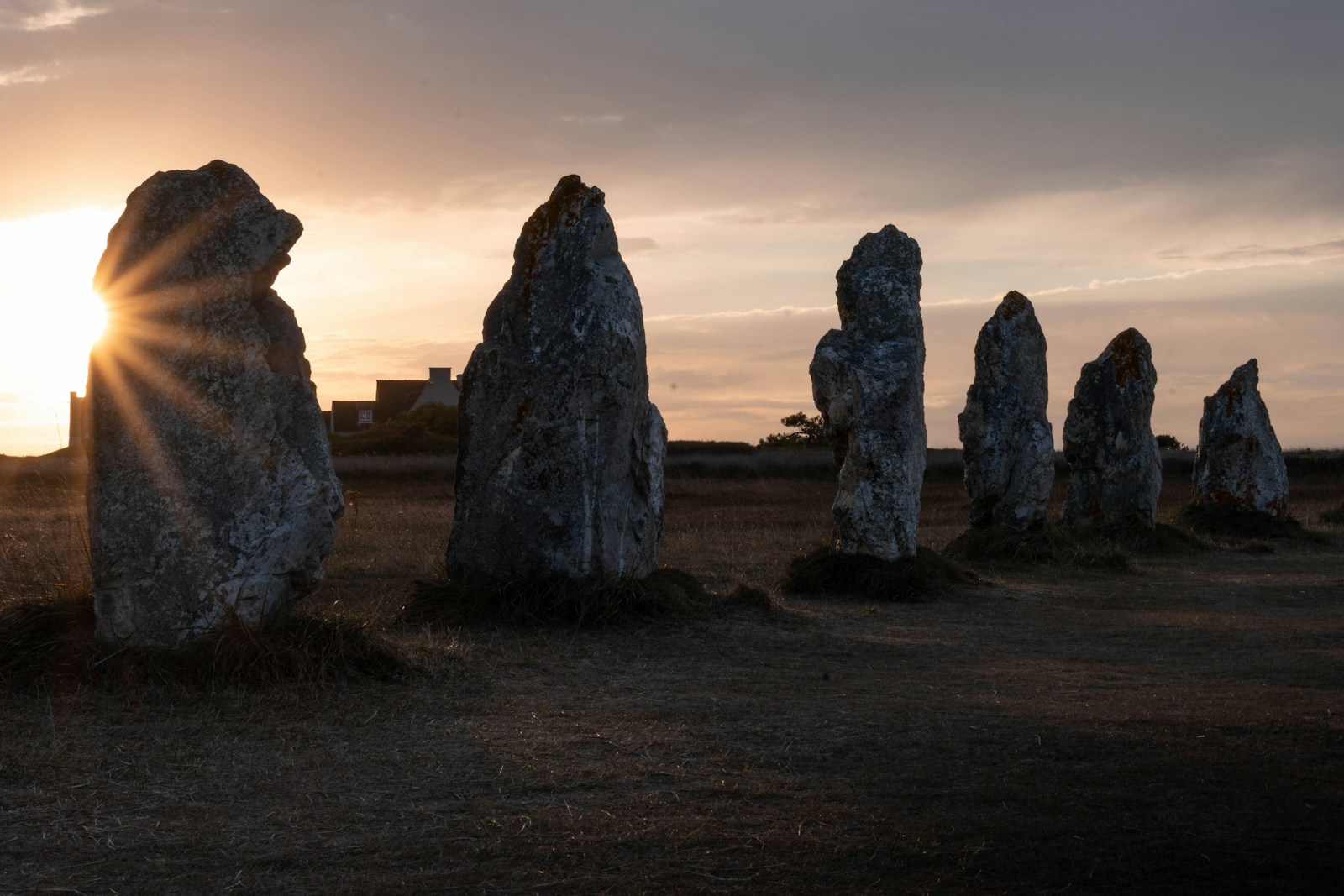
Long before Christianity reached Ireland’s shores, the ancient Irish celebrated the winter solstice with rituals, festivals, and traditions recognizing the year’s darkest point and the sun’s return. These pre-Christian Celtic celebrations, while largely lost to history, influenced Irish Christmas traditions that persist today. Understanding these ancient practices reveals Christianity’s synthesis with earlier beliefs, how cultural continuity works across religious transformations, and what elements of modern Irish Christmas may descend from practices thousands of years old. This exploration connects contemporary Irish Christmas to Ireland’s deep past and the pre-Christian spirituality that still echoes in Irish culture.
The Winter Solstice in Celtic Ireland
The winter solstice held enormous significance in pre-Christian Ireland for practical, agricultural, and spiritual reasons.
Astronomical Significance: The winter solstice (December 21st or 22nd) marks the shortest day and longest night of the year in the Northern Hemisphere. After this point, days begin lengthening again – the sun “returns.”
Agricultural Importance: For agricultural society like ancient Ireland, the solstice marked crucial point in the year. It signaled that spring and planting season would eventually return, though winter still lay ahead.
Spiritual Meaning: Ancient Irish spirituality, like many pre-Christian religions, venerated the sun as life-giving force. The solstice represented the sun’s symbolic death and rebirth, making it sacred time requiring ritual observance.
Midwinter Festival: The ancient Irish celebrated midwinter festival around the solstice, though exact dates and practices are uncertain. This festival likely involved multiple days of ritual, feasting, and ceremony.
Community Gathering: Midwinter provided rare opportunity for community gathering during dark, cold season when agricultural work ceased. Social bonding occurred through shared rituals and feasting.
Evidence for Ancient Practices
Understanding pre-Christian Irish winter celebrations requires piecing together fragmentary evidence:
Archaeological Evidence: Newgrange and other passage tombs demonstrate that ancient Irish people tracked the winter solstice with remarkable precision. Newgrange’s passage perfectly aligns with winter solstice sunrise, suggesting the date’s enormous significance.
Medieval Irish Literature: Medieval Irish texts, written by Christian monks but preserving older material, contain references to pre-Christian festivals and beliefs that help reconstruct ancient practices.
Folklore: Irish folklore preserves echoes of pre-Christian beliefs and practices, though often Christianized or transformed. Careful analysis can reveal ancient elements.
Comparative Evidence: Comparing Irish evidence with other Celtic cultures (Welsh, Scottish, Breton) and other ancient European cultures provides context for understanding Irish practices.
Place Names and Language: Irish place names and linguistic evidence sometimes preserve pre-Christian religious significance, including locations associated with winter rituals.
Limitations: Direct evidence for specific ancient Irish winter solstice practices is limited. Much has been lost, and we must acknowledge uncertainty while drawing reasonable inferences from available evidence.
Newgrange and Solar Alignment
Newgrange, the magnificent passage tomb in County Meath, provides most dramatic evidence of winter solstice significance to ancient Irish people.
The Structure: Built approximately 3200 BCE (older than Stonehenge or the Egyptian pyramids), Newgrange is a massive passage tomb consisting of a long passage leading to a cruciform chamber.
The Roof Box: Above the passage entrance, a specially designed “roof box” allows sunlight to enter the passage only around the winter solstice.
The Solstice Event: For approximately 17 minutes around sunrise on winter solstice morning, sunlight enters through the roof box, travels down the 19-meter passage, and illuminates the chamber. This alignment is so precise it can only have been intentional.
Symbolic Meaning: The solstice sun penetrating the tomb’s darkness likely symbolized:
- Death and rebirth
- The sun’s power over darkness
- Connection between living and dead
- Renewal and continuation
- Divine presence or blessing
Religious Significance: Newgrange was clearly religious site of enormous importance. The effort required to build it and achieve such precise astronomical alignment demonstrates how crucial winter solstice was to its builders.
Contemporary Access: Today, thousands enter a lottery for the chance to witness the winter solstice sunrise inside Newgrange, continuing the site’s solstice significance after 5,000 years.
Fire and Light Traditions
Fire and light held central importance in ancient Irish winter solstice celebrations, with echoes persisting in Christian Christmas traditions.
Sacred Fires: Ancient Irish people likely lit sacred fires at the winter solstice to:
Eternal Flames: Some sacred sites maintained eternal flames tended by religious figures, with special ceremonies at solstice.
Torches and Processions: Ancient celebrations likely included torch processions, carrying fire through darkness as symbolic act.
Household Fires: Individual households probably observed special fire rituals, perhaps lighting new fires from sacred flames or conducting hearth rituals.
Christmas Connections: Modern Irish Christmas traditions maintaining these ancient fire/light elements include:
Feasting and Hospitality
Ancient Irish winter solstice celebrations almost certainly included feasting, with traditions continuing into Christian Christmas.
Preserved Foods: Midwinter feast used foods preserved since harvest – salted meats, stored grains, preserved fruits. This represented careful management of scarce winter resources.
Communal Feasting: Feasting was communal activity reinforcing social bonds during isolated winter period.
Ritual Significance: Feasting wasn’t just eating but ritual act connecting people to land, ancestors, and divine forces.
Hospitality Obligations: Irish culture historically emphasized hospitality obligations, possibly originating in or reinforced by solstice celebration traditions.
Alcoholic Beverages: Ancient Irish people brewed ale and mead. Winter festivals likely featured drinking as social and possibly ritual activity.
Christmas Parallels: Modern Irish Christmas feasting clearly continues these ancient patterns – elaborate meals, hospitality obligations, alcoholic beverages, communal gathering.
Evergreens and Natural Decorations
The use of evergreens and natural materials in Irish Christmas decoration likely descends from pre-Christian practices.
Evergreens’ Significance: Evergreen plants (holly, ivy, mistletoe) maintain green color through winter, making them powerful symbols of life persisting through death season.
Holly: Particularly significant in Irish tradition:
Ivy: Also significant, often paired with holly in Irish tradition. Ivy’s clinging, climbing nature gave it symbolic meanings related to fidelity and connection.
Mistletoe: Sacred to druids according to Roman sources. While less prominent in Irish tradition than in some other Celtic cultures, mistletoe likely held significance.
Decorating Practices: Ancient Irish people probably brought evergreens into homes during midwinter, decorating living spaces to invoke life force during season of death.
Christian Adaptation: Christianity adapted these practices, giving them Christian meanings (holly berries representing Christ’s blood, etc.) while maintaining the basic tradition of evergreen decoration.
Death and Renewal Symbolism
Ancient Irish winter solstice celebrations likely involved complex symbolism of death and renewal.
The Dark Season: Winter represented death season – plants died, days shortened, cold threatened survival. Solstice marked the darkest point before renewal began.
Sun Symbolism: The sun’s “death” (shortest day) and “rebirth” (days lengthening after solstice) provided powerful metaphor for death and renewal cycles.
Agricultural Cycle: Winter’s agricultural death preceded spring’s rebirth, making death-and-renewal themes agriculturally relevant.
Ancestral Connections: Winter solstice may have been time when boundaries between living and dead thinned, allowing communication with ancestors (similar to Samhain/Halloween).
Ritual Drama: Ancient celebrations possibly included ritual dramas enacting death-and-rebirth themes, symbolically assisting the sun’s return.
Christian Resonance: Christianity’s central death-and-resurrection narrative resonated with these ancient themes, facilitating Christmas’s adoption and synthesis with pre-Christian celebrations.
Divination and Prophecy
Pre-Christian Irish culture valued divination, and winter solstice was likely important time for prophetic practices.
Year-Ahead Predictions: Solstice marked year’s turning point, making it natural time for predictions about coming year.
Weather Divination: Observing solstice weather to predict rest of winter and coming year.
Dream Interpretation: Solstice night dreams might have been considered prophetic.
Ritual Divination: Special divination rituals possibly occurred, conducted by druids or other religious figures.
Christmas Echoes: Some Irish Christmas folk practices involving prediction or divination may descend from these ancient customs, though Christianized and modified.
The Christianization Process
Christianity didn’t simply replace pre-Christian Irish solstice celebrations but rather synthesized with them.
Timing Adoption: Christmas’s December 25th date (close to solstice) wasn’t arbitrary but deliberately chosen to coincide with existing winter festival timing, facilitating conversion by allowing continuity.
Symbolic Continuity: Christianity’s symbolism (Christ as light of the world, born in darkest season) resonated with pre-Christian sun symbolism.
Practice Adaptation: Many pre-Christian practices (evergreen decoration, feasting, fire/light emphasis) were adapted rather than eliminated, given Christian interpretations while maintaining basic forms.
Gradual Process: Christianization occurred gradually over centuries. Pre-Christian and Christian elements coexisted long before complete Christian dominance.
Persistent Echoes: Even after Ireland became thoroughly Christian, echoes of pre-Christian practices persisted in folklore, superstitions, and customs that continued alongside Christian observance.
Evidence in Irish Folklore
Irish folklore preserves traces of pre-Christian winter solstice significance:
Fairy Beliefs: Irish fairy lore, possibly preserving pre-Christian deity memories, associates certain dates with fairy activity. The solstice period appears in some fairy tales and beliefs.
Supernatural Beings: Stories of supernatural encounters during midwinter may echo ancient beliefs about solstice as time when boundaries between worlds thinned.
Lucky and Unlucky Days: Folklore identifying certain winter days as lucky or unlucky might preserve ancient ritual calendar.
Weather Lore: Traditional weather predictions based on solstice observations likely continue ancient practices.
Household Rituals: Folklore preserves various household rituals for midwinter that may descend from pre-Christian practices, though Christianized.
Regional Variations
Ancient Irish winter solstice practices probably varied across regions:
Coastal vs. Inland: Coastal regions’ practices might have differed from inland agricultural areas.
Northern vs. Southern: Ireland’s geographic extent meant winter severity varied, potentially affecting celebration emphasis.
Tribal Differences: Ancient Ireland consisted of various kingdoms and tribes with potentially different specific practices within shared framework.
Sacred Sites: Regions with major sacred sites (like Newgrange’s area) may have had distinctive practices centered on those sites.
Celtic Connections
Irish solstice practices connect to broader Celtic culture:
Welsh Traditions: Welsh winter traditions share elements with Irish practices, suggesting common Celtic origins.
Scottish Highland Practices: Scottish Gaelic winter traditions show similarities to Irish practices, reflecting shared cultural heritage.
Continental Celts: What’s known about continental Celtic practices (from Roman sources and archaeology) provides comparative context.
Pan-Celtic Elements: Some winter solstice elements appear across Celtic cultures, suggesting shared ancient traditions predating regional differentiation.
Influence on Irish Christmas Today
Contemporary Irish Christmas maintains elements potentially descending from ancient solstice celebrations:
The Christmas Candle: The tradition of lighting candles at Christmas may connect to ancient fire/light rituals marking solstice.
Evergreen Decoration: Holly and ivy decoration directly continues pre-Christian practices, though Christianized.
Feasting: Christmas feasting patterns follow ancient midwinter feast traditions.
Hospitality: Irish Christmas hospitality obligations may descend from ancient festival hospitality requirements.
Timing Sense: The feeling that Christmas is “natural” time for major celebration reflects millennia of winter solstice celebration in Ireland.
Community Gathering: Christmas’s emphasis on community coming together continues ancient solstice gathering traditions.
Dark to Light: Christmas themes of light overcoming darkness echo pre-Christian sun-return celebrations.
Modern Neopagan Observance
Some contemporary Irish people observe winter solstice in deliberately pre-Christian ways:
Newgrange Lottery: Thousands enter lottery to witness solstice sunrise at Newgrange, connecting to ancient practices.
Neopagan Celebrations: Irish neopagans and those interested in Celtic spirituality observe winter solstice with rituals attempting to recreate or reimagine ancient practices.
Academic Interest: Scholars study ancient Irish winter solstice practices, reconstructing knowledge that was nearly lost.
Cultural Reclamation: Some Irish people explore pre-Christian practices as part of cultural identity distinct from Christianity.
Complementary Observance: Some Irish people observe both Christian Christmas and pre-Christian solstice, seeing them as complementary rather than contradictory.
Challenges in Understanding
Understanding ancient Irish winter solstice practices faces several challenges:
Limited Evidence: Direct evidence is scarce, requiring inference and speculation.
Christian Bias: Most written sources come from Christian monks whose understanding and portrayal of pre-Christian practices may be inaccurate or deliberately distorted.
Romantic Distortion: 19th-20th century Celtic revival sometimes romanticized and invented “ancient” practices that had no historical basis.
Appropriation Concerns: Some contemporary “Celtic” spiritual practices commercialize or distort Irish culture.
Balancing Skepticism and Openness: Scholars must balance appropriate skepticism about uncertain evidence with openness to reasonable inferences.
Why It Matters
Understanding ancient Irish winter solstice traditions matters for several reasons:
Cultural Continuity: It reveals how Irish Christmas traditions connect to practices thousands of years old, demonstrating profound cultural continuity.
Religious Complexity: It shows how Christianity synthesized with rather than simply replacing pre-Christian beliefs, complicating simplistic narratives of religious change.
Irish Identity: Understanding pre-Christian heritage contributes to fuller understanding of Irish identity and culture.
Christmas Meaning: It adds depth to Christmas observance by revealing ancient layers of meaning beneath Christian traditions.
Historical Accuracy: Accurate history requires acknowledging pre-Christian practices that influenced modern traditions.
Conclusion
Ancient Irish winter solstice celebrations, while imperfectly understood due to limited evidence, clearly influenced Irish Christmas traditions that persist today. From Newgrange’s precisely aligned passage tomb to folklore preserving echoes of pre-Christian beliefs, from evergreen decorations to emphasis on fire and light, from communal feasting to death-and-renewal symbolism, elements of modern Irish Christmas connect to practices perhaps 5,000 years old.
Christianity’s arrival didn’t erase these ancient traditions but rather synthesized with them, creating Irish Christmas that layers Christian meanings over pre-Christian practices. The candle in the window, holly decoration, Christmas feast, and emphasis on light overcoming darkness all potentially descend from ancient solstice celebrations marking the sun’s return and life’s persistence through winter’s death.
Understanding this deep history adds richness to contemporary Irish Christmas observance. When Irish people light Christmas candles, they potentially continue practices their ancestors performed at Newgrange 5,000 years ago. When they decorate with holly and ivy, they maintain traditions predating Christianity’s arrival in Ireland. When they feast at Christmas, they participate in midwinter gathering traditions stretching back to Ireland’s earliest inhabitants.
This continuity demonstrates culture’s remarkable persistence across religious transformations, technological changes, and historical upheavals. Modern Irish Christmas, while thoroughly Christian in explicit meaning and practice, carries within it echoes of ancient spirituality that recognized winter solstice’s significance and celebrated the sun’s return through darkness.
For contemporary Irish people, whether Christian, secular, neopagan, or otherwise, understanding these ancient roots enriches Christmas celebration by revealing its depth and connecting present observance to Ireland’s deep past. The Irish Christmas tradition emerges not as static inheritance but as living synthesis continuously evolving while maintaining threads connecting contemporary celebration to ancient Irish people gathering at Newgrange to witness winter solstice sunrise thousands of years ago.
As each Irish Christmas approaches, bringing its candles, decorations, feasting, and gathering, Irish people participate not just in Christian celebration but in human tradition recognizing winter’s darkness and celebrating light’s return – a tradition as old as human settlement in Ireland itself.

Author: jonathan
Jonathan is the publisher of Irishtopia.net, Anglotopia.net, and Londontopia.net. He's passionate about travel and learning about other cultures. He's been to Ireland several times, and uses his travel expertise for Irishtopia!