
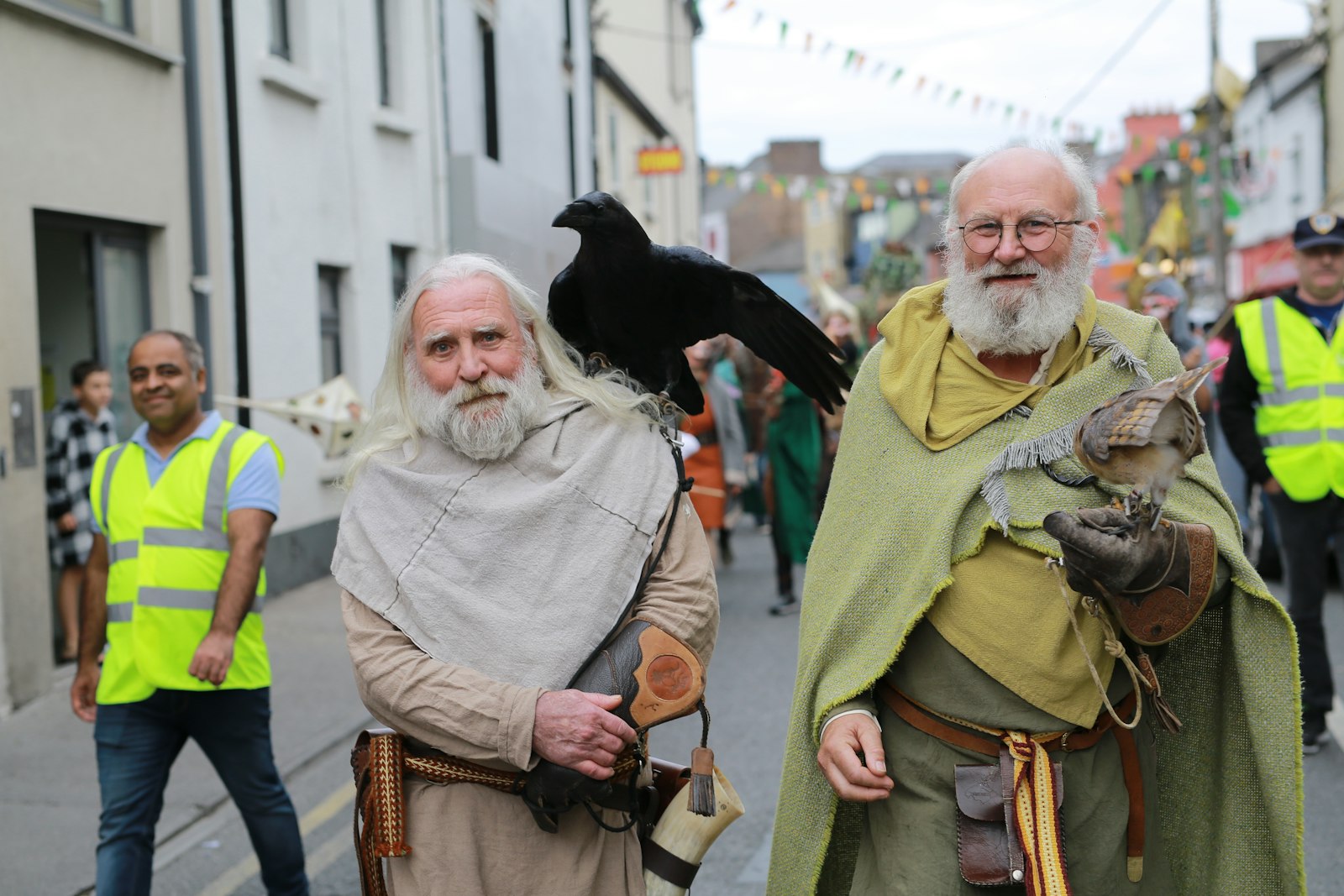
Photo by Marina Nazina on Unsplash
Introduction
Athlone sits on the River Shannon in the precise geographic center of Ireland, straddling the border between County Westmeath and County Roscommon. This central location has shaped Athlone’s character, economy, and significance throughout Irish history. What began as a strategic river crossing has developed into a vibrant modern town while retaining authentic Irish character.
For American visitors, Athlone represents a different kind of Irish destination—not a remote rural village or dramatic tourist attraction, but a genuine working town where Irish life continues in rhythms shaped by the river and the landscape. The town offers excellent restaurants and accommodations, rich cultural programming, and serves as an ideal base for exploring the Shannon system and the Irish midlands.
Understanding Athlone means understanding Ireland’s heart. The Shannon, one of Europe’s longest rivers, flows through Ireland’s interior. Athlone guards the river’s passage, controls access to the midlands, and maintains cultural and economic significance that extends far beyond its modest population of 20,000.
Geography, History, and Strategic Importance
The River Shannon flows 340 kilometers from its source in County Cavan northward to the Atlantic. Athlone sits on the river’s middle course, where the river widens into a series of lakes and channels. This geography made Athlone strategically important—control of the river meant control of movement through Ireland’s interior.
The town’s name derives from Irish “Áth Luain,” meaning the Ford of Luain. Historically, the river could be forded at this location, making it a natural gathering point and trade center. As technology advanced—bridges were built, boats became more sophisticated—Athlone’s central location maintained its strategic importance.
Medieval Period
Athlone’s medieval history was violent and contested. A Norman castle was built to control the river crossing. The castle changed hands repeatedly as various powers struggled for dominance. Athlone Castle, still standing today, represents the confluence of Norman architecture and Irish geography.
The castle survived multiple sieges and attacks. During the 1691 Battle of the Boyne aftermath, Athlone experienced significant military activity as forces contended for control of Ireland. The town’s fate rose and fell with broader political events.
Industrial Period
The River Shannon made Athlone important for transport and commerce. Barge traffic carried goods along the river system. Mills powered by water utilized the river’s energy. The town developed industrial character alongside its role as trade center.
The construction of the Shannon-Erne Waterway extended navigable water routes and cemented Athlone’s position as a transportation hub. The waterway remains partially functional today, with sections navigable for recreational boats.
Modern Development
Modern Athlone has transformed while maintaining its essential character. The town has become a regional commercial and cultural center, offering services and entertainment for the surrounding countryside. The bridge across the Shannon connects Westmeath and Roscommon, making the town a literal and figurative crossroads.
Recent development has modernized Athlone’s infrastructure and facilities while preserving historical sites and architectural character. The town center retains pedestrian-scaled streets and traditional buildings alongside contemporary shops and services.
Athlone Castle and Medieval Heritage
Athlone Castle dominates the river landscape, sitting prominently on the Westmeath bank. The castle was built in 1210 by the Norman lord John de Gray and remained strategically important for centuries. Its riverside location provided water defense and control over river traffic.
The castle has been extensively restored and now functions as a museum and heritage center. The interior exhibits interpret medieval history, the castle’s construction and defense strategies, and the broader context of Norman settlement in Ireland. The museum provides excellent orientation to Irish medieval history.
Climbing to the castle’s upper levels provides views across the river and the town. The perspective from the castle helps orient understanding of Athlone’s geography and strategic importance. Seeing the river from the castle helps explain why this location mattered militarily and commercially.
The River Shannon: Ireland’s Liquid Spine
The Shannon is Ireland’s defining geographical feature. The river drains the interior, flows through a series of lakes in its lower course, and eventually reaches the Atlantic near Limerick. The river’s presence shapes the landscape, controls settlement patterns, and creates distinctive ecological systems.
The Shannon lakes—Lough Derg, Lough Ree, and others—create an extended water system through the Irish interior. These lakes are shallow but extensive, creating wetland ecosystems of international ecological significance.
River Navigation and Recreation
The Shannon is navigable for its entire length, making it one of Europe’s great recreational waterways. Boats can navigate from the Atlantic at Limerick, through Athlone, and up through the Shannon lakes far into Ireland’s interior. The river provides water-based access to landscape otherwise requiring road travel.
Boat rental services based in Athlone and other Shannon towns allow self-guided exploration. Alternatively, guided boat tours provide transport and interpretation. Walking or cycling along the towpaths that parallel the river offers water-level perspective on landscape and wildlife.
Ecological Significance
The Shannon system supports important fish and bird populations. The shallow lakes provide habitat for wading birds, ducks, and other waterfowl. The river and its floodplain support plant communities adapted to periodically wet conditions.
The Shannon’s ecological importance has resulted in protection as a Ramsar Wetland of International Importance. This designation recognizes the river’s global significance for biodiversity and commits the Irish government to conservation.
Culture and Contemporary Life
Traditional Music and Arts
Athlone maintains strong traditional music traditions. Sessions occur regularly in local pubs—some primarily local, others with more tourist orientation. The town has produced notable traditional musicians who continue to perform.
The Athlone Institute of Technology supports cultural programming and artistic development. Various festivals celebrate music, theater, literature, and visual arts. Athlone’s cultural vitality is disproportionate to its size, reflecting a community invested in maintaining cultural traditions.
Food and Dining
Athlone has developed excellent restaurants, some earning national recognition. Local chefs emphasize locally sourced ingredients and traditional Irish cooking with contemporary approaches. The quality of dining has improved substantially in recent decades.
Farmer’s markets operate regularly, providing access to local produce, meats, and artisanal goods. Supporting these markets and local producers directly contributes to the community.
Literary Connections
Athlone has literary significance. The town was home to various Irish writers and continues to attract creative people. The Athlone Literary Festival celebrates Irish literature and writing traditions.
Practical Visiting Information
Getting There
Athlone is well-connected by road and public transportation. Located approximately 120 kilometers from Dublin, the town is easily accessible by car (approximately 90 minutes). Regular bus service connects Athlone to Dublin, Galway, Limerick, and other major towns.
The town sits at the intersection of major regional roads. This central location makes Athlone convenient for exploring Ireland’s interior without extensive additional travel.
Accommodation
Athlone offers diverse accommodation options. Several hotels range from budget to moderately upscale. Guesthouses and B&Bs provide more personal service and often better value. Vacation rentals offer apartment-style accommodations. Prices are generally lower than in major tourist destinations.
Booking in advance, particularly during peak season (July-August), is advisable.
Dining and Nightlife
The town offers numerous restaurants, pubs, and cafes. Quality varies, but excellent options exist at all price points. Traditional pubs serve food and host music sessions. Contemporary restaurants emphasize local ingredients and modern cooking.
The pub culture is vibrant—locals gather for conversation, drinking, and music. Visitors are welcome in authentic local pubs; tourist-oriented establishments also exist for those preferring this atmosphere.
Walking and Cycling
Athlone is walkable—the town center is pedestrian-friendly, and major attractions are within easy walking distance. The bridge provides walking access across the Shannon to both the Westmeath and Roscommon sides.
Cycling is possible using road bikes or mountain bikes. The relatively flat terrain around Athlone makes cycling accessible to various fitness levels. The Shannon towpaths provide particularly scenic cycling opportunities.
River Activities
Boat rental services allow self-guided exploration of the Shannon. Prices range from €30-50 per hour for small boats to €200-400 per day for larger vessels. No boating license is required for recreational boats.
Guided boat tours operate seasonally, providing narrated exploration of the river system and wildlife viewing opportunities.
Exploring the Broader Shannon System
Athlone to Limerick
The Shannon flows south from Athlone toward Limerick, passing through dramatic limestone landscape. The journey from Athlone to Limerick via boat or car provides understanding of how the river flows through landscape and influences settlement patterns.
Limerick itself, at the Shannon’s mouth, is a significant city with medieval castle, old walls, and contemporary cultural vitality.
Athlone to the North
The Shannon extends northward from Athlone, widening into Lough Ree. This large, shallow lake provides water-based recreation and habitat for diverse wildlife. The lake’s islands and bays create varied scenery.
Boating through Lough Ree provides different experience than river travel—the lake feels more open and expansive than the river proper.
The Shannon-Erne Waterway
The Shannon-Erne Waterway connects the Shannon system with the Erne system in the north, creating 63 kilometers of navigable waterway through the Irish interior. The waterway was historically important for transport; today it functions primarily as a recreational resource.
Walking or cycling along portions of the restored waterway provides access to remote landscape and small communities away from main roads.
Attractions and Activities Around Athlone
Athlone Priory
The monastic site of Athlone Priory, founded in medieval times, remains partially accessible. The ruins indicate the significance of monastic communities in Irish settlement and religious life. The site provides a quiet counterpoint to the modern town surrounding it.
Boyle Abbey
Located about 40 kilometers north, Boyle Abbey is one of Ireland’s most impressive monastic ruins. The 12th-century Cistercian abbey showcases Romanesque architecture and demonstrates the sophistication of Irish medieval religious communities.
Strokestown House
Near Strokestown, about 40 kilometers north, this grand estate offers insights into Anglo-Irish aristocratic life. The house’s architecture, furnishings, and surrounding demesne demonstrate wealth and power concentrated in hands of a few. The nearby Strokestown Park Famine Museum interprets Irish famine history.
Clonmacnoise
About 30 kilometers southeast, Clonmacnoise is one of Ireland’s most important monastic sites. The settlement in a river valley included a cathedral, several churches, round towers, and high crosses. The site provides exceptional context for understanding Irish Christian monastery development.
The visitor center explains the site’s historical significance. Walking the grounds and examining the ruins creates visceral connection to medieval Irish spiritual culture.
Seasonal Experiences
Spring (March-May)
Spring brings new growth and migrating birds to the Shannon system. The landscape greens, flowers bloom, and weather becomes more pleasant. Boating becomes feasible as ice melts and water levels normalize.
Summer (June-August)
Summer offers warm weather, extended daylight, and peak conditions for water-based activities. The season attracts the most visitors and activity.
Autumn (September-November)
Autumn provides beautiful light, comfortable weather, and dramatic seasonal color. The landscape transitions through rich tones. The season is less crowded than summer while remaining pleasant.
Winter (December-February)
Winter is quiet but cold. Some water-based activities become difficult or impossible. The landscape is stark—trees leafless, grasses dormant. For those enjoying quiet and contemplation, winter offers rewards.
Integration into Broader Itineraries
Central Ireland Exploration
Use Athlone as a base for exploring the Irish midlands. Day trips can reach various archaeological sites, monastic ruins, and the broader Shannon landscape.
Shannon System Tour
Combine boat-based exploration of the Shannon with land-based visits to towns and attractions along the river system—Athlone, Limerick, and smaller communities.
West of Ireland Circuit
Combine Athlone with Galway, Connemara, and western attractions. The central location makes Athlone convenient for accessing multiple regions.
Literary and Cultural Tour
Focus on Irish literature, traditional culture, and artistic expression. Athlone’s cultural programming and literary connections fit within this thematic framework.
Water-Based Holiday
Rent a boat in Athlone and spend multiple days exploring the Shannon system. This approach requires boating experience or willingness to learn, but provides unique perspective on Irish landscape.
Contemporary Challenges and Opportunities
Athlone faces challenges common to Irish midland towns—population fluctuation, competition from larger urban centers, and environmental pressures. The town is working to position itself as a cultural and recreational destination while maintaining authentic character.
The Shannon system requires ongoing conservation to protect its ecological significance. Invasive species, pollution, and climate change represent threats. Understanding these challenges provides context for visiting responsibly.
Practical Itinerary for Athlone
Long Weekend (3 Days)
Day 1: Arrive in Athlone, explore town center, visit Athlone Castle, settle in.
Day 2: Shannon boat exploration or walking along towpaths. Evening: traditional music session in local pub.
Day 3: Day trip to Clonmacnoise or Boyle Abbey. Return for evening departure or additional night.
Week-Long Visit
Combine Athlone with exploration of surrounding landscape—archaeological sites, monastic ruins, river exploration, and nearby attractions like Strokestown House.
Water-Based Holiday
Rent a boat and explore the Shannon for several days, basing yourself in Athlone or other Shannon towns.
Conclusion: Understanding Athlone
Athlone rarely appears on highlight reels of Irish tourism. The town lacks the dramatic coastal scenery of western Ireland or the literary fame of Dublin. Yet this very understated character makes Athlone valuable for travelers seeking authentic Ireland.
The town represents what most of Ireland actually is—a working community where Irish life continues in patterns shaped by geography, history, and contemporary economics. The River Shannon, the geographic center, the medieval castle, and the vibrant cultural scene all contribute to a destination that improves significantly when you invest time in understanding it.
For American visitors seeking to move beyond the iconic attractions and experience genuine Irish places, Athlone offers precisely what you’re seeking. The town welcomes visitors, offers excellent facilities, and provides access to the Irish interior from a convenient, authentic, and remarkably underrated location. Spend time here, explore the Shannon, engage with the community, and discover why Ireland’s heart beats strongest at this unassuming but genuinely significant central location.

Author: jonathan
Jonathan is the publisher of Irishtopia.net, Anglotopia.net, and Londontopia.net. He's passionate about travel and learning about other cultures. He's been to Ireland several times, and uses his travel expertise for Irishtopia!