
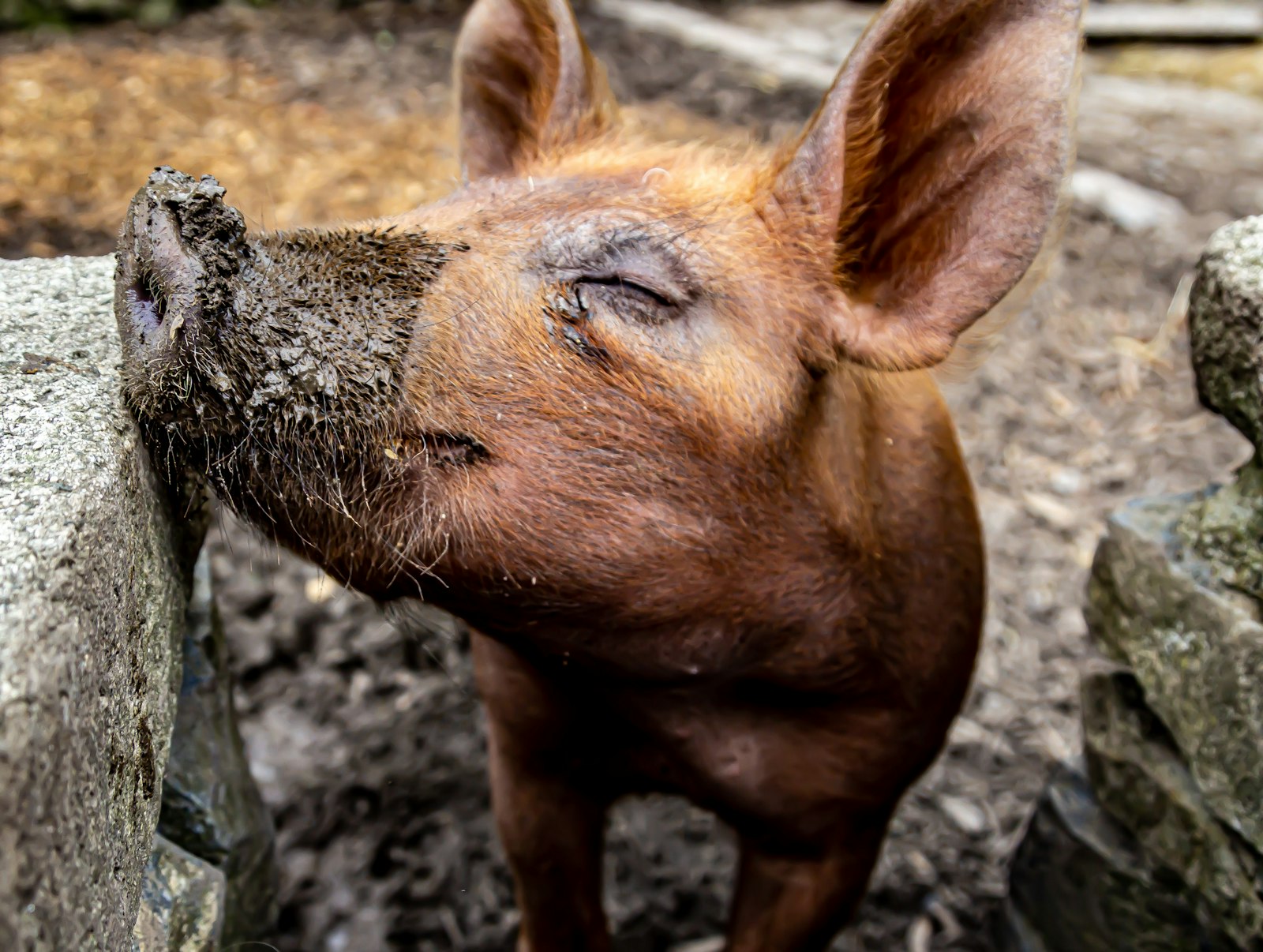
Photo by Michael Starkie on Unsplash
Few food questions create as much Irish cultural debate as the matter of bacon and cabbage versus corned beef. American St. Patrick’s Day traditions often feature corned beef and cabbage as “Irish food,” while Irish people frequently assert that bacon and cabbage represents authentic Irish tradition. This disagreement isn’t merely about food preferences—it reflects deep questions about authenticity, diaspora culture, immigration history, and how traditions transform as they move across oceans. For Americans interested in Irish food culture, understanding this bacon versus corned beef debate illuminates how immigrant communities create and maintain identity through food while adapting to new circumstances.
The Irish Tradition: Bacon and Cabbage
Authentic Irish tradition, as practiced in Ireland, emphasizes bacon and cabbage. This dish is genuinely Irish, representing working-class Irish food that appears in homes and restaurants throughout Ireland. The dish is simple: bacon rashers (Irish bacon, different from American streaky bacon) boiled or braised with cabbage, typically served with boiled potatoes and parsley sauce. The result is hearty, humble dish reflecting Irish cooking values.
Irish bacon differs significantly from American bacon. Irish bacon is back bacon—cut from the back of the pig rather than from the belly. The meat is leaner, with less fat than American bacon. The flavor is distinctly porky without being overly smoky. Irish bacon must be cooked gently—high heat toughens it. Boiling or gentle braising allows the meat to become tender and flavorful.
The traditional Irish approach involves boiling the bacon in water or light stock, then adding cabbage to cook in the flavorful liquid. As cabbage cooks, it absorbs bacon flavor and becomes tender while maintaining some texture. Potatoes boil alongside. The result is one-pot meal where flavors meld gradually through prolonged gentle cooking.
This dish appears frequently in Irish homes and restaurants. It’s not fancy—it’s working-class food developed when families needed to stretch limited resources into hearty meals. Yet it’s genuine Irish tradition, eaten by Irish people because they love it, not because they’re performing Irishness for outsiders.
The popularity of bacon and cabbage in Ireland reflects practical factors. Pigs were common farm animals in rural Ireland. Bacon (particularly salted bacon) was traditional way to preserve pork. Cabbage was reliable crop that grew well in Irish climate and could be stored through winter. Combining these available, economical ingredients created dish that made culinary and economic sense.
The American Invention: Corned Beef Tradition
Corned beef and cabbage presents completely different story. The dish as Americans know it—brisket cured with spices, boiled slowly with vegetables—is not Irish tradition. Instead, it represents Irish-American creation, food that immigrants adapted in new context reflecting available ingredients and evolving traditions.
The term “corned beef” refers to curing meat with large grains of salt (called “corn”). This curing method predates American history—European traditions included corned beef. But the specific preparation as the centerpiece of Irish-American cuisine is American creation.
Irish immigrants arriving in America faced different food landscape than Ireland. Traditional Irish ingredients and livestock weren’t always readily available. Beef was more readily available and cheaper than in Ireland. Immigrants adapted traditional cooking approaches to available ingredients, creating new dishes from familiar techniques applied to American foodstuffs.
Corned beef became popular in Jewish neighborhoods and among Irish immigrants who lived nearby in American cities. The meat’s affordability and richness appealed to both communities. Irish-American cooks modified it, serving it with cabbage in imitation of Irish bacon and cabbage—using similar vegetables and cooking approaches but substituting available beef for unavailable pork.
The transformation was gradual. First-generation Irish immigrants might have mourned the substitution, maintaining stronger connection to traditions from Ireland. Second and third-generation Irish-Americans adopted corned beef and cabbage as their traditional dish, having never experienced the Irish original. The dish became “Irish tradition” for them—the food they ate on holidays, the dish connected to ethnic identity.
St. Patrick’s Day and American Tradition
The prominence of corned beef and cabbage in American St. Patrick’s Day tradition reflects how the holiday developed in America differently than in Ireland. St. Patrick’s Day began as religious observance in Ireland—a holy day recognizing Ireland’s patron saint. Celebrations existed but were constrained by religious observance.
In America, St. Patrick’s Day became secular holiday emphasizing ethnic identity. Irish-American communities developed parade traditions, pub celebrations, and food traditions. The holiday became way for Irish-Americans to assert identity, celebrate heritage, and participate in American society as recognizable ethnic group.
Corned beef and cabbage became central to American St. Patrick’s Day tradition. The dish symbolized Irishness to Americans, became standard restaurant fare on the holiday, and entered popular culture as quintessentially Irish food. Restaurants served corned beef and cabbage as St. Patrick’s Day special. Families prepared it as traditional dish.
This American tradition has become so entrenched that many Americans believe corned beef and cabbage is Irish national dish. The confusion reflects how traditions transform as they cross oceans. The food America considers authentically Irish is actually Irish-American creation, adapted product reflecting how immigrants maintained identity while adapting to new context.
The Cultural Significance of Authenticity
The bacon-versus-corned-beef debate fundamentally concerns authenticity. Irish people asserting that bacon and cabbage is “truly Irish” are claiming authenticity—these are foods Irish people actually eat in Ireland. Corned beef and cabbage, they argue, is American invention, not authentic Irish tradition.
There’s validity to this argument. Bacon and cabbage is genuinely Irish. In Ireland, this is food actually eaten regularly, not as tourist attraction but as food Irish people enjoy. Corned beef and cabbage is Irish-American creation, food that immigrants invented reflecting their circumstances.
Yet dismissing corned beef and cabbage as “not Irish” ignores how traditions actually work. Traditions aren’t fixed—they evolve, transform, adapt. The Irish-American community created their tradition through available ingredients and their understanding of their heritage. Corned beef and cabbage isn’t fraudulent just because it differs from Irish original.
The distinction resembles comparing Irish whiskey produced in Ireland with American whiskey. Are they both legitimate whiskeys? Yes. Do they reflect different traditions and different places? Absolutely. But one isn’t more “authentic” whiskey than the other—they’re different expressions reflecting different contexts.
Both Dishes in Detail: Preparing Bacon and Cabbage
For those interested in experiencing authentic Irish bacon and cabbage, proper preparation requires attention to Irish ingredients and traditional techniques. The dish starts with quality Irish bacon rashers. Irish bacon isn’t easily obtained outside Ireland—American grocery stores don’t typically carry it. Online retailers can ship it, though at premium price. Alternative involves using quality back bacon if Irish rashers aren’t available.
The bacon is placed in large pot with cold water and brought to boil. The boiling removes excess salt and gentles the meat. The bacon simmers gently for 1-1.5 hours, becoming tender and developing flavor into the cooking liquid. Quartered cabbage is added to the pot for final 15-20 minutes, cooking just until tender while absorbing bacon flavor.
Potatoes boil separately or in the same pot if space allows. The traditional approach serves everything together on one plate—bacon, cabbage, and potatoes with parsley sauce made from cooking liquid thickened with flour and enriched with cream or milk.
The dish requires more time and attention than quick stovetop meal but is otherwise straightforward. The flavor comes from quality ingredients cooked properly, not from complex technique. Patience during the long, gentle cooking allows flavors to develop and meld.
Preparing Corned Beef the American Way
Corned beef and cabbage follows similar structure but uses beef brisket instead of pork. The brisket, purchased already cured (most grocery stores sell pre-cured brisket specifically for this purpose), is placed in pot with water, onions, garlic, and spices. The meat simmers for 3-4 hours until incredibly tender.
Vegetables are added during final cooking stages—carrots, potatoes, and cabbage join the pot for last 30 minutes. The result is one-pot meal featuring tender corned beef, soft vegetables, and flavorful cooking liquid.
The dish is less sophisticated than the name might suggest—essentially pot-boiled beef with vegetables. But the combination is genuinely appealing. The long cooking breaks down tough beef cuts into tender meat. Vegetables absorb beef and spice flavors. The result is comforting, unpretentious meal.
The recipes differ in fundamental ingredient but share cooking approach and cultural meaning. Both involve slow, gentle cooking emphasizing ingredient quality and flavor development. Both produce simple, hearty meals appropriate for family gatherings and celebrations.
The Economic and Historical Context
Understanding the bacon-versus-corned-beef distinction requires understanding why immigrants made the substitution they did. Irish immigrants arriving in America faced economic realities. Beef was affordable. Pork products existed but were expensive or inconsistent in availability. The practical solution was adapting traditional cooking approaches to available ingredients.
This adaptation process represents genuine creativity, not theft or fraud. Immigrants faced circumstances requiring adaptation. They maintained cultural traditions as best they could given available resources. Creating dishes that preserved essential character while adapting to new context represents how living traditions actually function.
Similar processes occurred with other immigrant foods. Italian immigrants to America adapted their cuisine to available ingredients. Chinese immigrants developed dishes reflecting both their traditions and American ingredients. Jewish immigrants transformed their food traditions in America. These adaptations weren’t betrayals of authentic tradition but rather living evolution of tradition reflecting new circumstances.
Which Should Americans Eat?
For American readers interested in Irish food, both dishes merit consideration. Corned beef and cabbage represents authentic American tradition with Irish roots. It’s genuinely good food with real historical significance in Irish-American culture. Eating it reflects participation in Irish-American heritage.
Bacon and cabbage represents Irish tradition itself. For those interested in eating what Irish people actually eat in Ireland, bacon and cabbage is clear choice. It offers direct connection to Irish food culture and traditions practiced daily in Irish homes.
Ideally, an American interested in Irish food would experience both. Eating corned beef and cabbage acknowledges Irish-American heritage and tradition. Eating authentic Irish bacon and cabbage provides experience of Irish food as it actually exists in Ireland. Both offer valuable perspectives on Irish food heritage and how traditions transform.
Some Americans traveling to Ireland might find it amusing to order corned beef and cabbage, expecting Irish authenticity. Many Irish restaurants don’t serve it because it’s not Irish dish. Some might offer it specifically for tourists or Americans seeking what they expect as “Irish food.” But seeking bacon and cabbage in Irish restaurants ensures more authentic experience of actual Irish food traditions.
The Broader Question: What Is Authentic?
The bacon-versus-corned-beef debate ultimately raises interesting questions about authenticity. What makes food “authentic”? Is it about geographic origin—food is authentic if made where it originated? Is it about how people prepare and eat it in its place of origin? Or is it about cultural meaning—food is authentic if it carries genuine significance within cultural tradition?
By geographic origin standard, bacon and cabbage is Irish, corned beef is American. The brisket cuts Irish butchers use differ from American brisket. The preparation as Americans know it is American invention.
By cultural meaning standard, both dishes are authentic. Bacon and cabbage is authentic Irish food because Irish people eat it and it carries meaning within Irish culture. Corned beef and cabbage is authentic Irish-American food because Irish-Americans created it and it carries meaning within Irish-American culture.
This more nuanced understanding recognizes that authenticity isn’t binary. Traditions exist within specific contexts. Irish food culture is different from Irish-American food culture. Both are valuable, both represent genuine heritage, but they reflect different contexts and different histories.
Contemporary Context: Ireland and Corned Beef
Interestingly, corned beef and cabbage has begun appearing in Ireland in recent decades, often served specifically for American tourists. Some Irish restaurants offer the dish, understanding that American visitors expect it. Some serve it with slight bewilderment, aware that Americans consider it Irish while Irish people know it’s not.
This reversal—Irish restaurants serving Irish-American food to Americans—represents interesting dynamic. The dish has some currency in Ireland now, though still as American tradition rather than Irish. It’s eaten in Ireland because Americans expect it, not because Irish people developed it or traditionally eat it.
This contemporary presence of corned beef and cabbage in Ireland shows how food traditions circle back. Food created in America by Irish immigrants is now served in Ireland for American tourists. The food has traveled full circle, connecting back to its place of origin while remaining fundamentally Irish-American creation.
Conclusion: Both Traditions Matter
The bacon-versus-corned-beef debate shouldn’t be understood as requiring choosing one over the other. Both dishes represent genuine tradition with real historical significance. Bacon and cabbage represents authentic Irish tradition practiced daily in Ireland. Corned beef and cabbage represents Irish-American tradition created by immigrants adapting to their circumstances.
For Americans interested in Irish food heritage, understanding this distinction deepens cultural knowledge. It reveals how immigrant communities create and maintain identity through food. It shows how traditions transform as they move across oceans. It demonstrates that authenticity isn’t singular or fixed but rather exists within specific contexts and carries specific meanings.
When you eat corned beef and cabbage, you’re eating Irish-American heritage—food that connects to Irish tradition while reflecting American circumstances. When you eat bacon and cabbage in Ireland, you’re eating authentic Irish food. Both carry value. Both offer connection to Irish heritage and Irish-American culture.
Understanding this distinction—recognizing that both dishes are authentic within their contexts while representing different traditions—offers fuller understanding of Irish food culture and Irish-American heritage. The debate itself, while sometimes contentious, reflects deep commitment both to tradition and to understanding where we come from. That commitment to tradition, whether in Ireland or America, is perhaps the most authentically Irish quality of all.

Author: jonathan
Jonathan is the publisher of Irishtopia.net, Anglotopia.net, and Londontopia.net. He's passionate about travel and learning about other cultures. He's been to Ireland several times, and uses his travel expertise for Irishtopia!