
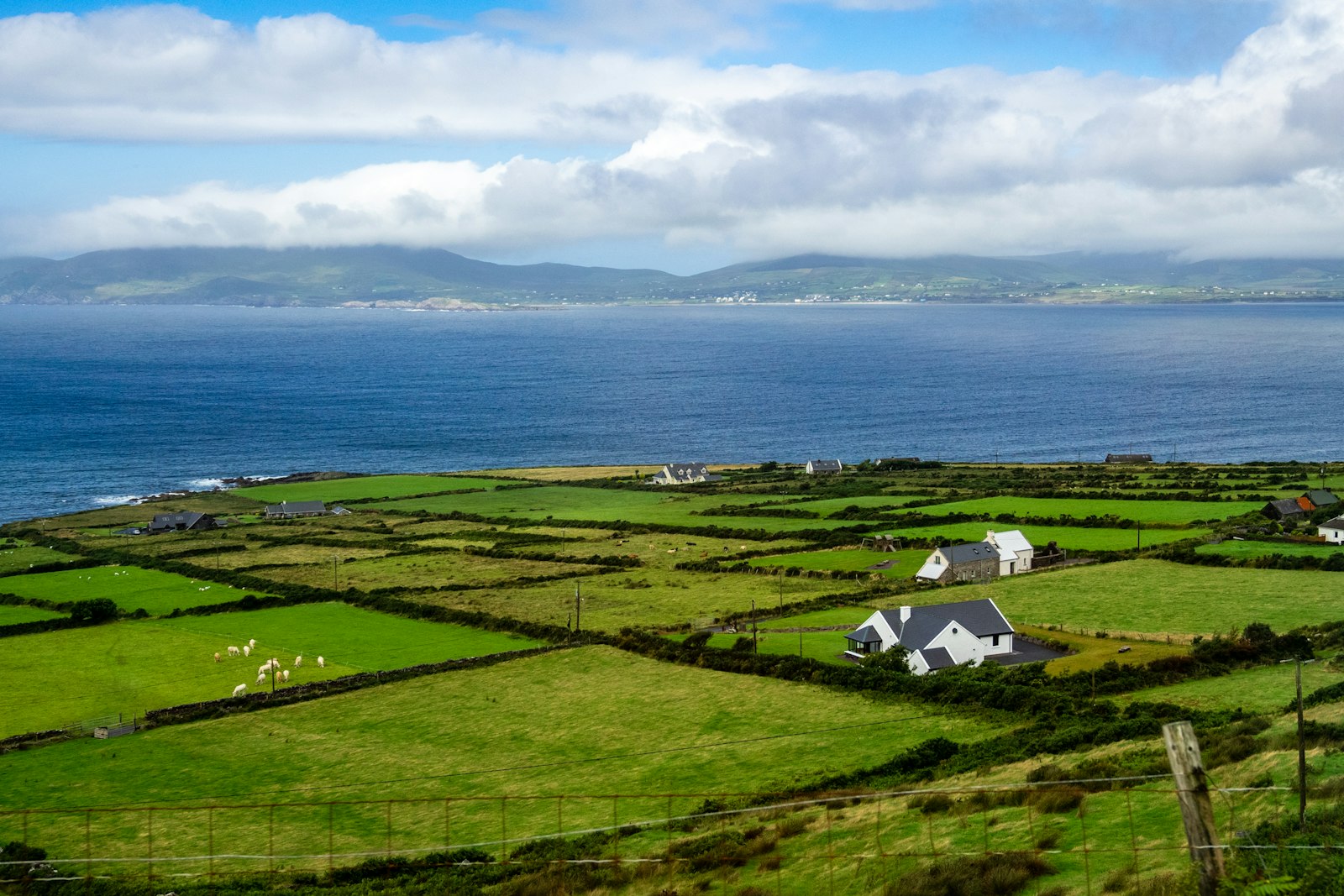
Photo by Andre Ouellet on Unsplash
If you’re looking to understand Cork, look no further than the friendly rivalry between Beamish and Murphy’s Irish Red Ale. These two breweries, both rooted in Cork’s mercantile history, represent more than just beer—they embody Cork pride, local identity, and the spirited competition that has defined the city for centuries. For American beer enthusiasts discovering Irish brewing traditions, Beamish and Murphy’s offer a fascinating window into how regional breweries can become inseparable from their communities, creating loyalties that run as deep as family bonds.
The Story of Two Cork Breweries
Cork’s brewing tradition stretches back centuries, but Beamish and Murphy’s represent the modern face of Cork beer. The Beamish and Crawford Brewery was established in 1792 at the South Main Street location in Cork City. From its inception, Beamish positioned itself as a quality producer, brewing ales and stouts for a growing market. The brewery became central to Cork’s economy and identity, employing hundreds of people and establishing itself as a point of civic pride.
Murphy’s Brewery came slightly later to the scene. The Irish Brewery Company, which produces Murphy’s Irish Red, has roots in Cork dating back to the late 18th century. While younger than Beamish, Murphy’s quickly established itself as a major player in Cork brewing. The brewery maintained its commitment to quality and local roots, creating products that resonated deeply with Cork consumers.
What’s remarkable about these two breweries is that they didn’t view themselves as competitors in a destructive sense. Instead, they engaged in what might be called “civic rivalry”—a competitive relationship rooted in genuine mutual respect and shared commitment to Cork’s brewing heritage. This dynamic mirrors the broader Cork mentality: intensely loyal to place, competitive with others from their community, yet ultimately united in Cork pride.
The Red Ale Revolution
While Murphy’s Stout existed for generations, the real story of modern rivalry centers on red ale. Murphy’s Irish Red emerged as a product designed to compete in the growing market for lighter alternatives to stout and porter. Red ale occupies a particular niche in Irish brewing—it’s darker and more flavorful than pale ale, but lighter and more approachable than stout. The style allowed Murphy’s to challenge Guinness’s dominance while also creating a new market category.
Beamish responded with its own red ale offering. The competitive dynamic between these two breweries essentially created and defined the Irish red ale category. Both breweries poured resources into developing their red ales, marketing them, and establishing them in pubs and stores. The result was that Cork became synonymous with quality red ale in Ireland.
The red ale rivalry wasn’t about who could undercut whom on price or who could expand fastest into new markets. Instead, it was about who could make the best beer, who could best represent Cork values, and who could claim the deepest connection to Cork’s heart. This explains the passionate loyalty red ale inspires among Cork people.
What Makes Cork Red Ales Distinctive
Red ales from both Beamish and Murphy’s share certain characteristics that distinguish them from other Irish beers. The color is the most obvious distinction—a deep reddish-amber that catches light beautifully in a glass. This color comes from specific malts used in the brewing process, particularly roasted malts that provide complexity without the heaviness of full stout.
The flavor profile of Cork red ales emphasizes balance. There’s enough body to feel substantial, enough hop bitterness to prevent excessive sweetness, but not so much of either that the beer becomes challenging for regular drinkers. The alcohol content typically sits around 4-4.3 percent ABV, making the beers approachable for consistent consumption—important in pub culture where people nurse pints through conversations and social time.
Murphy’s Irish Red, specifically, has become recognized internationally as a well-balanced red ale. The beer has a distinctive caramel sweetness balanced with subtle hop character. The mouthfeel is smooth, the finish clean. Many drinkers describe it as a “thinking person’s beer”—interesting enough to contemplate but approachable enough for casual enjoyment.
Beamish, meanwhile, emphasizes slightly different qualities. Beamish Red has a somewhat drier character than Murphy’s, with more pronounced malt complexity and a finish that lingers slightly longer. Some enthusiasts argue Beamish shows more craft, more evidence of careful brewing technique. Others prefer Murphy’s for its straightforward approachability.
The Rivalry That Defined Cork Beer Culture
What makes the Beamish and Murphy’s rivalry particularly interesting is how it played out in Cork pubs. Unlike some commercial rivalries that feel manufactured or cynical, the Beamish-Murphy’s dynamic reflected genuine community sentiment. Cork people didn’t arbitrarily prefer one over the other—they preferred the one they’d grown up drinking, that their fathers and grandfathers drank, that their neighborhoods favored.
Walk into different Cork pubs and you’d notice distinct geographic patterns. Certain neighborhoods were “Murphy’s pubs,” others were “Beamish pubs.” You could map Cork’s social geography through beer preferences. This wasn’t corporate marketing working in the background—it was genuine community identification. The breweries became part of how Cork neighborhoods understood themselves.
The rivalry expressed itself in friendly debate. Cork people loved arguing about which red ale was superior, why their preferred brewery represented Cork values better, which one had better brewing traditions. These debates happened in pubs, in homes, in the workplace. They were genuinely felt but ultimately good-natured. Both sides acknowledged that at least Cork had two excellent breweries—something many regions couldn’t claim.
The Brewing Process and Craft
Both Beamish and Murphy’s take their brewing seriously, and understanding their processes illuminates why the rivalry matters. Both breweries source quality malts, select specific yeast strains, and control fermentation carefully. The brewing process for red ale is more complex than casual drinkers might assume.
Red ales require precise mashing temperatures to extract flavors from multiple malt varieties. The brewers blend pale malts with roasted malts—the roasted varieties provide color and complexity, while pale malts contribute body and fermentability. Hop selection matters tremendously. Irish brewers typically favor milder hop varieties rather than the intensely bitter American hops that define many craft beers.
Water chemistry plays an underappreciated role. Cork’s water has specific mineral content that influences how beers develop. The local water actually favors brewing beers that are slightly softer and more balanced than aggressively hopped styles—precisely the qualities that characterize Cork red ales. The geography of Cork thus influences the character of beers brewed there.
Fermentation control determines much of the final character. Both breweries use specific yeast strains that have been maintained for generations. The fermentation temperature, duration, and conditions all affect how much fruity character the beer develops, how clean the flavor remains, how smoothly the beer finishes.
Cork Identity and the Breweries
Understanding the Beamish-Murphy’s rivalry requires understanding Cork identity more broadly. Cork is Ireland’s second-largest city, but Corkonians don’t see it that way. They view Cork as culturally distinct, independently minded, and unwilling to accept second place or outsider leadership. There’s a running joke that Cork people are so independent they’d make a bad advertisement read “It’s Better Than Cork’s” just to be contrarian.
The breweries become symbols of this independence. Beamish and Murphy’s are Cork breweries, made in Cork, employing Cork people, representing Cork values. The rivalry between them matters precisely because they’re both authentically Cork. It’s not Cork versus Dublin, but Cork proving it can sustain multiple excellent operations doing the same thing at high quality.
This explains why multinational ownership changes affected the emotional dynamics of the rivalry. When international companies acquired stakes in the breweries, Cork people watched carefully, concerned that authentic Cork character might be diluted by corporate decisions made elsewhere. The concern wasn’t primarily economic but cultural—would the breweries remain true to what made them matter?
Tasting Notes and Appreciation
For American craft beer enthusiasts accustomed to intense flavor profiles and extreme specifications, Cork red ales might initially seem subtle. But this subtlety is precisely the point. Both Beamish and Murphy’s exemplify a brewing philosophy that values balance, restraint, and approachability over spectacle.
Murphy’s Irish Red presents as a reddish-amber beer with a decent head. On the nose, you’ll find malt-forward aromas with subtle caramel sweetness. The palate is smooth, slightly sweet, with moderate bitterness from noble hops. The finish is clean and relatively dry, inviting another sip rather than overwhelming the palate.
Beamish Red similarly presents as a beautiful amber color with good head retention. The nose shows malt complexity with perhaps slightly more roasted character than Murphy’s. The taste reveals more pronounced malt character, a touch more bitterness, and a slightly drier finish. Some drinkers detect subtle fruity notes, particularly a hint of apple or pear from the yeast.
Experiencing these beers properly means drinking them in an Irish pub context, slowly, while socializing. The beers aren’t meant to be analyzed aggressively like craft IPAs. They’re designed for relaxation, conversation, and the kind of contemplative drinking that Irish pub culture emphasizes.
The Modern Era and Market Changes
The contemporary beer landscape has challenged regional breweries in ways the founders of Beamish and Murphy’s never anticipated. Multinational beer corporations acquired both breweries, creating ownership structures that seemed to threaten the local autonomy that made the rivalry meaningful.
Guinness ownership of both Beamish and Murphy’s at various points complicated the traditional rivalry. When a single corporate entity owns both brands, the competition becomes corporate product management rather than genuine local rivalry. Some argue this diluted the authentic meaning of the Beamish-Murphy’s relationship.
Yet the brands themselves have survived and adapted. Murphy’s expanded internationally and became one of the world’s most recognized Irish red ales. Beamish maintained strong presence in Ireland and among Irish expat communities. Both remain available in Irish pubs and increasingly in upscale restaurants and craft beer establishments that recognize their quality and cultural significance.
Experiencing the Rivalry in Cork
For visitors to Cork, experiencing the Beamish-Murphy’s dynamic adds a layer of understanding to the city. In traditional Cork pubs, you’ll notice which brand is featured, which is featured prominently, which the bartender seems to prefer. Asking about local preferences will spark animated discussions about brewing quality, tradition, and Cork pride.
The rivalry remains alive in modern Cork, though it’s evolved. Younger Cork people, influenced by global beer culture and craft beer movements, sometimes look beyond the traditional choices. Yet many maintain strong preferences rooted in family and neighborhood tradition. The rivalry persists because it remains meaningful—not as aggressive commercial competition but as expression of local identity and connection to place.
Visiting Cork pubs and ordering Beamish or Murphy’s means participating in this heritage. You’re not just drinking beer; you’re engaging with Cork culture and understanding how communities create identity through apparently simple consumer choices.
The Broader Significance
The Beamish-Murphy’s rivalry teaches important lessons about regional identity, brewing heritage, and how commerce becomes culture. In an age of globalization and corporate consolidation, these two Cork breweries represent something increasingly rare: authentic local products that remain deeply connected to their place of origin.
For American beer enthusiasts, Beamish and Murphy’s offer alternatives to the dominant American craft beer model. The beers aren’t aggressively experimental or designed to showcase technique. They’re straightforward, well-made, balanced expressions of what responsible brewing can accomplish when quality and tradition take priority over novelty and innovation.
The rivalry itself demonstrates that competition doesn’t always require hostility. Beamish and Murphy’s pushed each other to excellence while remaining fundamentally aligned in their commitment to Cork and to brewing quality. This model of “civilized competition” offers something thoughtful for an era often defined by aggressive business tactics and winner-take-all mentality.
Conclusion: More Than Just Beer
The Beamish and Murphy’s rivalry is ultimately about more than beer. It’s about place, identity, loyalty, and how communities create meaning through apparently mundane consumer choices. In Cork’s red ales, you taste not just malts and hops but generations of brewing tradition, civic pride, and the conviction that where you’re from matters.
When you drink Beamish or Murphy’s, you’re tasting Cork. You’re joining a tradition that extends back generations and forward into futures yet unknown. You’re participating in a rivalry that’s fundamentally about love—love for place, for quality, for tradition. That’s why Cork people feel so passionately about these beers and why, for anyone genuinely interested in Irish beer culture, Beamish and Murphy’s deserve serious attention and respect.

Author: jonathan
Jonathan is the publisher of Irishtopia.net, Anglotopia.net, and Londontopia.net. He's passionate about travel and learning about other cultures. He's been to Ireland several times, and uses his travel expertise for Irishtopia!