
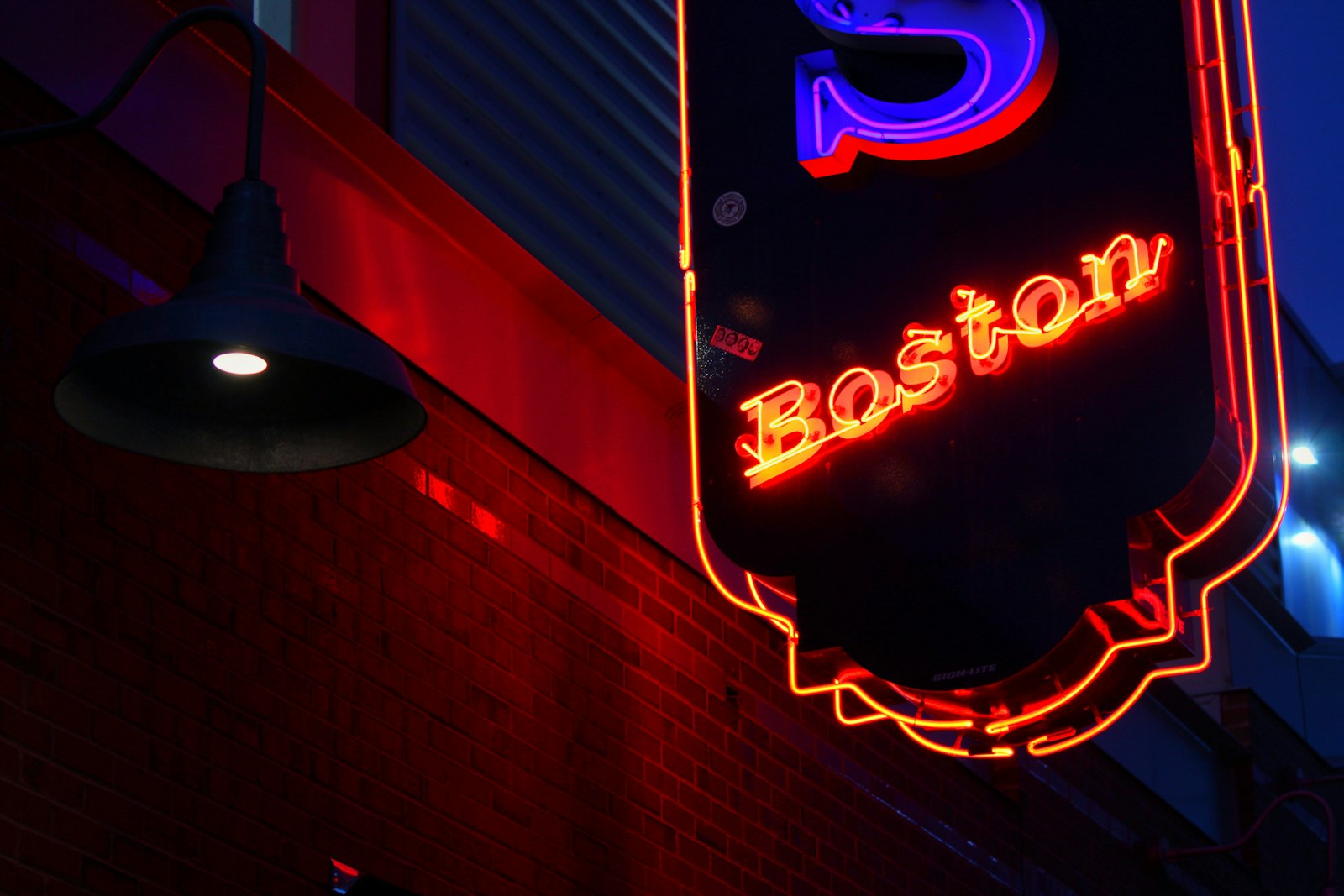
Photo by Hasnain Sikora on Unsplash
Boston is more Irish than many towns in Ireland itself. Walk through South Boston on St. Patrick’s Day, attend a St. Anthony’s feast in the North End, or listen to conversations in a Southie pub, and you’ll encounter a distinctly Irish-American culture that has endured for nearly two centuries. Boston’s Irish heritage runs so deep in the city’s identity that it’s difficult to imagine the city without its Irish character. Yet this wasn’t always the case. Boston in the early 19th century was a Yankee stronghold, a Protestant enclave dominated by descendants of English settlers. The transformation of Boston into an Irish-American stronghold represents one of the most dramatic demographic and cultural shifts in American urban history.
Today, approximately 20% of Boston’s population claims Irish ancestry, making Irish-Americans the largest ethnic group in the city. But numbers alone don’t capture the significance of Irish culture in Boston’s identity. The Irish have shaped the city’s politics, religion, neighborhoods, and character in ways both visible and invisible. Understanding Boston’s Irish heritage is essential to understanding Boston itself—and understanding Boston is essential to understanding Irish-America as a whole.
The Early Irish in Boston: Marginalized Outsiders
Irish settlement in Boston didn’t begin with the Famine immigration. Small numbers of Irish had lived in Boston since colonial times, but these early Irish settlers were largely assimilated into the broader English-descended population. The significant Irish presence in Boston began in the late 1700s and early 1800s, when Irish immigration to New England accelerated due to economic pressures and land scarcity in Ireland.
In the early 19th century, Boston’s Irish were deeply marginalized. The city’s dominant Anglo-Saxon Protestant establishment viewed Irish Catholics with suspicion and disdain. Job discrimination was rampant, with employers preferring native-born Americans and other ethnic groups over Irish immigrants. The Irish clustered in the poorest neighborhoods and took the most dangerous, lowest-paid jobs. Many Irish worked as laborers on the Boston waterfront, building roads, or doing domestic service.
Religious prejudice added another layer to Irish marginalization. Boston had a strong Puritan heritage, and anti-Catholic sentiment ran deep. The Protestant majority viewed Irish Catholic immigrants as threats to the city’s religious character and social order. Conflicts between Irish Catholics and Boston’s Protestant establishment occasionally erupted into violence, most notably in 1834 when a mob attacked and burned the Ursuline Convent in Charlestown, Massachusetts, a Catholic institution that educated Irish girls.
The Irish response to this marginalization was to build their own institutions and communities. Catholic churches, schools, mutual aid societies, and neighborhood organizations provided Irish immigrants with support networks and services that a hostile broader society would not provide. These institutions also became the foundation for Irish-American political organization and power.
The Famine Wave: Boston Becomes an Irish City
The Great Irish Famine of 1845-1852 transformed Boston from a city with a marginalized Irish minority into an Irish-majority city. During this period, approximately 35,000 Irish famine refugees landed in Boston, the highest concentration of Irish arrivals relative to existing population in any American city except New York. Between 1840 and 1860, the Irish population of Boston increased from about 5% to 30% of the total population.
These Famine Irish arrived in desperate circumstances. Unlike earlier Irish immigrants who often came with some resources or skills, Famine refugees frequently arrived with nothing. They were malnourished, traumatized, and susceptible to disease. Thousands died in Boston within months of arrival from cholera, typhus, and other diseases. Boston’s existing institutions, both public and private, were overwhelmed by the scale of Irish need.
The conditions faced by Famine Irish in Boston were appalling. Overcrowded tenements in neighborhoods like Fort Hill, the North End, and South Boston housed families in conditions that would horrify modern observers. Disease was rampant, mortality rates were terrifyingly high, and crime often resulted from desperation. Yet somehow, the Irish survived and gradually began building better lives.
The density of Irish settlement in Boston during this period created something new: a distinct Irish-American culture and community. Unlike earlier Irish immigrants who had scattered throughout the city, Famine Irish were concentrated in specific neighborhoods where they reinforced Irish identity and culture. The neighborhood became the basic unit of Irish-American community life, and neighborhoods like South Boston and the North End became distinctly Irish enclaves.
The Rise of Irish-Catholic Institutions
As the Irish population of Boston grew, they invested heavily in building Catholic institutions. The Catholic Church became the central institution of Irish-American life in Boston, far more important than in the broader American Catholic experience. Boston’s Catholic diocese, established in 1808, became one of America’s most important and influential.
Schools were particularly important. Irish-Americans believed education offered a pathway to advancement for their children. The archdiocese, along with religious orders and Irish-American benefactors, established numerous schools throughout Boston. By the early 20th century, Boston had developed an extensive Catholic school system that educated thousands of Irish-American children. These schools taught Irish history and culture alongside standard American curriculum, reinforcing Irish identity while preparing students for economic advancement.
Hospitals and charitable organizations followed. Holy Cross Hospital, Massachusetts General Hospital (which had strong Irish-American support), and numerous other medical and charitable institutions benefited from Irish-American financial support and labor. These institutions provided employment for Irish-Americans and services to Irish communities.
The Irish also established numerous mutual aid and social organizations. The Ancient Order of Hibernians, the Irish-American societies, and countless parish-based organizations provided insurance, social services, and community support. These organizations helped Famine Irish and subsequent immigrants weather economic downturns, illness, and family crises.
Irish Neighborhoods: The Geography of Irish Boston
South Boston, or “Southie” as locals call it, became the most iconic Irish-American neighborhood in the country. Separated from downtown Boston by a barrier of water and land, Southie developed as a distinct enclave with a strong Irish-American identity. By the early 20th century, Southie was overwhelmingly Irish-American, with Irish culture, Irish Catholic churches, and Irish-American social institutions dominating neighborhood life.
The neighborhood developed a distinctive character. Irish-American families lived in the distinctive three-decker apartment buildings that became the iconic architecture of Irish Boston. Neighborhood social life centered on churches, bars, political clubs, and informal street gathering. Southie residents developed a strong sense of neighborhood identity and community pride. The neighborhood’s working-class character, combined with its Irish identity, created a distinctive culture that endured well into the late 20th century.
The North End, Boston’s original Italian neighborhood, also contained substantial Irish population, particularly in the earlier period before Italian immigration concentrated later. The Irish in the North End were often dock workers and laborers, working at the nearby Boston harbor.
Jamaica Plain, Roxbury, and Dorchester also developed as major Irish-American neighborhoods. As Irish-Americans achieved economic success, many moved from the densest neighborhoods toward outlying areas, but maintained Irish identity and church attendance at old neighborhood parishes. This pattern created a sprawling Irish-American presence throughout Boston’s metropolitan area.
Irish-American Political Power in Boston
Irish-Americans transformed Boston politics in the late 19th and early 20th centuries. Initially excluded from power by the Yankee Protestant establishment, Irish-Americans gradually gained political representation and eventually dominance through democratic politics. The Irish were highly organized, community-oriented, and understood the power of voting as a group.
The first major Irish-American political breakthrough came in 1884 when Hugh O’Brien became Boston’s first Irish-American mayor. O’Brien’s election was symbolically important—it indicated that Irish-Americans had become too numerous to exclude from political power. Subsequent Irish-American mayors followed, and by the early 20th century, Irish-Americans controlled Boston city government.
This political dominance translated into concrete benefits for Irish-American communities. Irish-American political machines provided jobs, contracts, and services to Irish constituents. Police and fire departments became distinctly Irish-American institutions, with Irish surnames dominating the rolls. Construction contracts and public works projects funneled wealth to Irish-American businesses and workers. Irish-American politicians ensured that their communities received public resources and services.
The most famous Boston Irish politician was James Michael Curley, who served as mayor four times and as governor of Massachusetts once. Curley embodied the Irish-American political tradition—a champion of working-class constituencies, a master of political organization, and a figure of considerable charisma and ambition. Though sometimes criticized for corruption, Curley was beloved by his Irish-American constituents for his loyalty to their interests.
Boston’s Irish-American political dominance had broader implications. Massachusetts elected Irish-American governors, senators, and representatives. The Irish-American influence on Massachusetts politics persisted for decades. Even today, many Massachusetts political figures have Irish heritage, reflecting the enduring Irish-American influence on state politics.
The Catholic Church as Community Institution
The Boston archdiocese became extraordinarily powerful in Irish-American community life. Archbishop William Henry O’Connell, who served as archbishop from 1906 to 1944, became one of the most powerful religious figures in America. O’Connell was Irish-American himself and understood deeply the role of the Church in Irish-American identity.
The parish became the primary unit of Irish-American community organization. Each Irish neighborhood had its defining parish church. St. Jude’s in Jamaica Plain, St. Anne’s in Southie, Old North Church in the North End—these and countless other parishes served not just as places of worship but as community centers. Parishes organized social events, dances, fundraising activities, and community services.
The power and prestige of the Church elevated its priests and bishops. Priests were community leaders, counselors, and authorities on morality and behavior. The Irish-American priesthood became a significant source of community leadership and upward mobility. Young men from poor Irish-American families could pursue ordination as a pathway to education, respectability, and authority.
The Church’s influence on Irish-American social life was profound. It determined acceptable entertainment, moral behavior, and social relationships. The Church opposed divorce, birth control, and mixed marriage. It encouraged large families and maintained tight control over sexual morality. These teachings reflected Irish Catholic traditions and helped shape the distinctive character of Irish-American family life.
Boston Irish Culture and Social Life
The bar became an iconic institution of Irish-American community life in Boston. Unlike in temperance movements in some communities, Irish-American neighborhoods embraced drinking as a normal social activity. Bars served as social centers where working men could gather, drink, and discuss politics, sports, and neighborhood news. The bar was also a place where Irish identity was reinforced through Irish music, conversation, and socializing.
Irish music and dance remained important elements of Irish-American culture. Traditional Irish music sessions occurred in bars and at community events. Irish dancing, particularly through competitive step-dancing, maintained a presence in Irish-American communities. St. Patrick’s Day celebrations became the primary public expression of Irish-American identity, with increasingly elaborate parades and festivities.
Sports became another avenue for Irish-American community identity and advancement. Baseball was particularly popular in Irish-American communities, with many Irish-American boys aspiring to professional baseball careers. Boxing was another sport where Irish-Americans achieved success and fame. Professional athletes of Irish descent became community heroes and role models.
Food created another expression of Irish-American identity. Traditional Irish dishes like corned beef and cabbage (ironically, an Irish-American creation not eaten in Ireland), soda bread, and colcannon appeared regularly in Irish-American homes. These foods connected Irish-Americans to their heritage while adapting to American availability and preferences.
Education and Advancement
Education became the primary pathway for Irish-American advancement in Boston. Irish-American parents, many of whom had little education themselves, sacrificed to send their children to Catholic schools and eventually to college. This commitment to education reflected both practical recognition that education offered advancement and cultural values emphasizing self-improvement and ambition.
Boston College, founded in 1863 and run by the Jesuits, became closely associated with Irish-American education. Holy Cross College in Worcester also attracted many Irish-American students. These institutions provided education to generations of Irish-American young men and women, launching them into professional careers.
By the mid-20th century, Irish-American Bostonians were attending elite universities like Harvard and MIT in increasing numbers. Irish-Americans became doctors, lawyers, engineers, and business executives. This educational advancement translated into economic advancement and social respectability.
The Kennedy Family and Irish-American Ascendance
The Kennedy family embodied the success of Irish-American advancement in Boston. Joseph P. Kennedy, born to an Irish-American family in East Boston, built a substantial business fortune and married into Boston’s prominent WASP establishment through his marriage to Rose Fitzgerald. Their children, including President John F. Kennedy, represented the culmination of Irish-American ambition and advancement.
JFK’s presidency was transformative for Irish-Americans, not just in Boston but across the country. His election demonstrated that Irish-Catholics had achieved complete acceptance in American society, at least at the highest levels. For Boston Irish-Americans, JFK’s election was a moment of pride and vindication. The boy whose grandfather was a poor Irish immigrant was now President of the United States.
The Kennedy assassination in 1963 was traumatic for Boston Irish-Americans, who felt a particular connection to their fellow Irish-American in the presidency. Bobby Kennedy’s subsequent assassination further deepened the tragedy. The Kennedy family remained central to Boston political and cultural life, even as Irish-American dominance of Boston politics gradually declined.
Mid-20th Century Transformation
The mid-20th century brought significant changes to Irish Boston. As Irish-Americans achieved economic success, many moved out of traditional Irish neighborhoods toward suburban communities. Levittown and similar suburban developments attracted Irish-American families seeking better housing and schools. This suburban migration represented advancement and improved living conditions, but it also dispersed Irish-American communities that had been geographically concentrated.
The civil rights movement and urban social movements of the 1960s and 1970s created tensions in Irish-American communities. Many Irish-Americans, feeling they had finally achieved security and respectability, opposed busing and school desegregation. The famous busing crisis in Boston in 1974-1975, centered on Southie, revealed tensions between Irish-Americans and African-Americans competing for jobs, schools, and neighborhood control.
These conflicts shouldn’t obscure the reality that many Irish-Americans also supported civil rights. But the concentration of opposition in working-class Irish neighborhoods revealed the precariousness of Irish-American status and the complex relationship between Irish-Americans and other marginalized groups in American cities.
Contemporary Irish Boston
Today, Boston remains deeply connected to its Irish heritage, though contemporary reality is more complicated than nostalgic memories might suggest. The neighborhoods that were once purely Irish-American are now ethnically diverse. Gentrification has transformed neighborhoods like Southie and the North End, bringing young professionals and other ethnicities. The Irish-American percentage of Boston’s population has declined.
Yet Irish identity remains powerful in Boston culture. St. Patrick’s Day celebrations remain among the largest and most lavish in America. Irish pubs, Irish restaurants, and Irish cultural organizations continue to thrive. The Irish Famine Memorial on the Boston Common serves as a reminder of Irish-American history. Irish genealogy remains a popular pursuit among Boston-area residents seeking connections to their heritage.
The city’s Catholic Church, though weakened by scandal, decline in priestly vocations, and changing American Catholicism, remains a significant institution in Boston life. Many Irish-American families maintain parish affiliation even as Church authority over daily life has declined.
Conclusion: Boston’s Irish Legacy
Boston’s transformation from a Yankee Protestant city to an Irish-American stronghold represents one of the most significant demographic and cultural shifts in American urban history. Irish immigrants and their descendants fundamentally changed the city’s character, institutions, and politics. They built neighborhoods, established churches and schools, created political organizations, and shaped a distinctive Irish-American culture.
The success of Boston’s Irish-Americans demonstrated that marginalized immigrant communities could overcome discrimination, build power through organization, and transform American cities. The path from tenement poverty to political power and professional success, established by Boston Irish-Americans, became a model for subsequent immigrant groups.
Today, though the Irish-American concentration in Boston has declined and cities have become more diverse, the legacy of Irish Boston remains visible and influential. The neighborhoods, institutions, and cultural practices established by Irish-Americans continue to shape Boston’s character. For Americans interested in immigration history, urban development, and the Irish-American experience, Boston offers a uniquely rich and well-preserved record of Irish-American community-building and cultural achievement.

Author: jonathan
Jonathan is the publisher of Irishtopia.net, Anglotopia.net, and Londontopia.net. He's passionate about travel and learning about other cultures. He's been to Ireland several times, and uses his travel expertise for Irishtopia!