
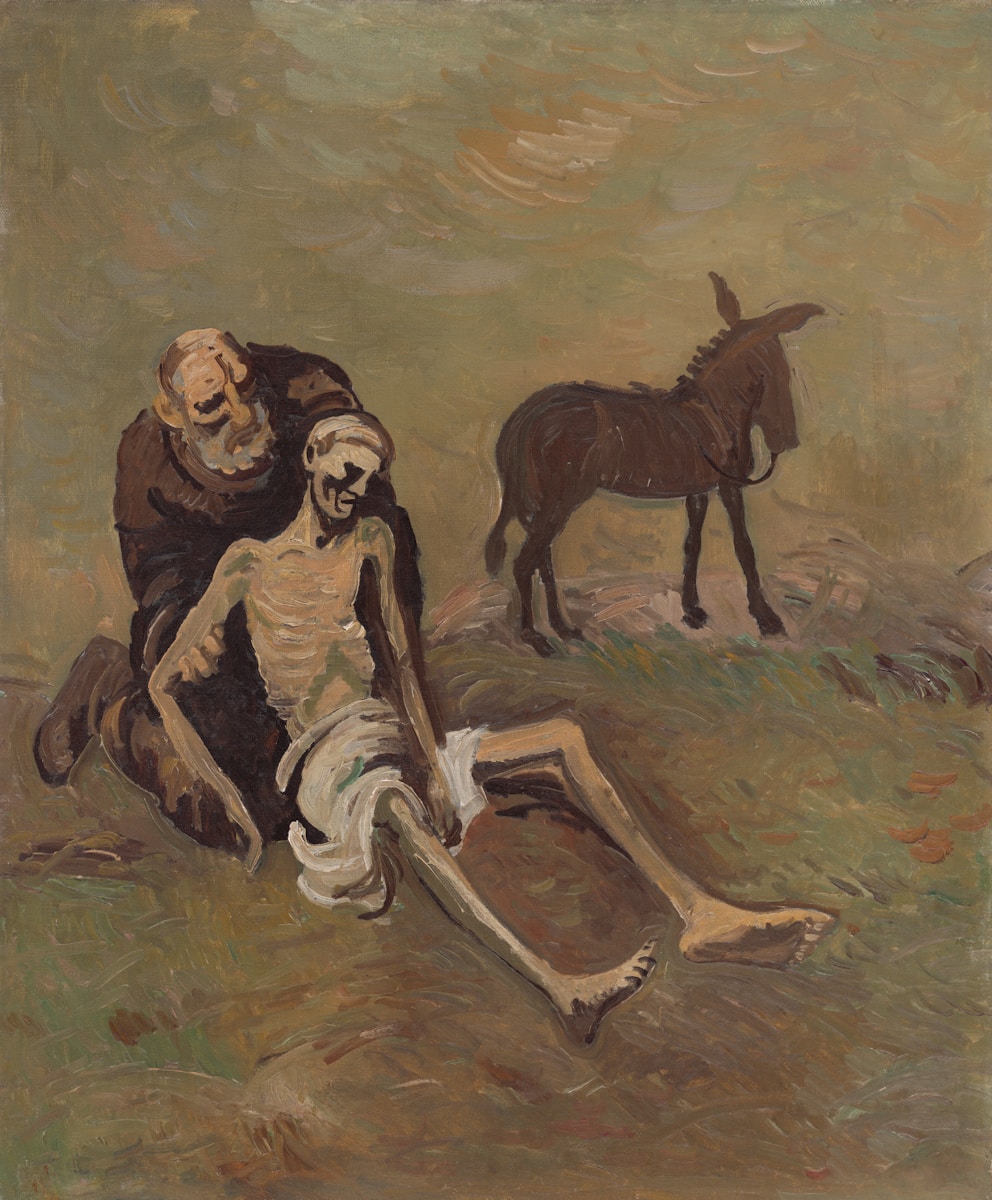
The Great Irish Famine (An Gorta Mór, 1845-1852) represents one of history’s worst humanitarian catastrophes, killing approximately one million people and forcing another million to emigrate. During this period of unimaginable suffering, Irish people still observed Christmas, though celebration took forms dramatically different from ordinary times. Understanding Christmas during the Famine reveals both human resilience and tragedy’s depths, how cultural traditions persist even in extremity, and how national trauma shapes collective memory. These Famine Christmases, largely absent from popular Christmas imagery, deserve recognition as part of Irish Christmas history and Famine commemoration.
The Famine Context
Before examining Famine Christmas specifically, understanding the catastrophe itself is essential.
The Potato Blight: Beginning in 1845, potato blight (Phytophthora infestans) destroyed Ireland’s potato crops. Since potatoes were the staple food for most Irish people, particularly the poor, this created immediate food crisis.
Successive Failures: The blight returned multiple years, making temporary crisis into sustained catastrophe. Each Christmas during the Famine occurred against backdrop of ongoing starvation.
Scale of Suffering: Approximately one million people died from starvation and famine-related diseases (typhus, dysentery, cholera). Another million emigrated, often dying on “coffin ships” crossing the Atlantic.
Regional Variation: The Famine affected different Irish regions differently. Western counties like Mayo, Galway, and Clare suffered most severely. More prosperous eastern regions experienced less acute suffering but still faced hardship.
Class Divisions: The Famine primarily affected the poorest Irish – landless laborers and small tenant farmers dependent on potatoes. Wealthier Irish, landlords, and British administrators often continued comfortable lives while millions starved.
British Response: British government response was inadequate and often cruel, influenced by laissez-faire economic ideology and prejudice against Irish people. Relief efforts were insufficient, and some policies (like continuing food exports from Ireland) worsened suffering.
Ongoing Life: Despite catastrophe, life continued. Babies were born, couples married, and people attempted to maintain normalcy where possible, including observing Christmas.
Christmas 1845: The Beginning
The first Famine Christmas occurred December 1845, after the initial blight but before the full catastrophe’s scale was apparent.
Awareness and Uncertainty: By Christmas 1845, Irish people knew potato failure had occurred but didn’t yet realize it would continue for years. There was concern but also hope that the next year’s crop would succeed.
Modified Celebration: Christmas 1845 was subdued compared to normal years but still celebrated:
- Religious services continued as usual
- Families gathered where possible
- Traditional foods were scarce but alternatives were sought
- Gift-giving was reduced but not absent
- Attempts to maintain normalcy persisted
Class Distinctions: Wealthy Irish and British in Ireland likely celebrated relatively normally, while the poor already faced food shortages affecting their Christmas.
Charitable Efforts: Churches and charitable organizations already recognized need, with Christmas charity efforts beginning to address emerging crisis.
Hope: Despite hardship, Christmas 1845 still carried hope that the worst was past and things would improve.
Christmas 1846: Deepening Crisis
By Christmas 1846, the Famine’s severity was undeniable, and Christmas celebration occurred amidst mass starvation.
Desperate Conditions: The 1846 potato crop failed completely, creating desperate food shortages. By Christmas, starvation was widespread, and famine diseases were killing thousands.
Workhouses: Irish workhouses, institutions for the destitute, overflowed with starving people. Christmas in workhouses was grim:
- Inadequate food despite holiday
- Crowded, disease-ridden conditions
- Families separated by workhouse rules
- Minimal Christmas observance beyond basic religious service
- Many deaths occurring around Christmas
Emigration Begins: By Christmas 1846, significant emigration had begun, with families separated and traditional gatherings impossible.
Religious Observance: Churches remained open, and Mass continued, providing spiritual comfort even as physical suffering intensified:
- Priests ministering to dying parishioners
- Churches offering what charity they could
- Religious services providing community gathering
- Christmas Mass attended by starving congregants
Charity Efforts: Charitable organizations increased Christmas efforts:
- Soup kitchens operating on Christmas
- Special Christmas food distributions
- Religious and secular charity organizations working overtime
- International relief efforts beginning
Absence of Celebration: For most poor Irish, Christmas 1846 involved no real celebration:
- No special food
- No gifts
- Minimal decoration
- Focus on survival rather than festivity
- Grief for those already lost
Privileged Christmas: Meanwhile, wealthy Irish and British administrators continued celebrating Christmas relatively normally, creating obscene contrast with suffering surrounding them.
Christmas 1847: Black ’47
Christmas 1847 came during “Black ’47,” the Famine’s worst year when deaths peaked and suffering reached unimaginable levels.
Mass Death: By Christmas 1847, hundreds of thousands had died. Nearly every Irish family had lost members. Christmas occurred amidst national grief and trauma.
Disease: Famine diseases (typhus, dysentery, relapsing fever) killed as many as starvation. Christmas 1847 saw fever hospitals overwhelmed and doctors and clergy dying from diseases contracted while helping victims.
Emigration Intensifies: Massive emigration was underway, with entire communities departing. Christmas 1847 involved many final Irish Christmases before emigration to America, Canada, or Australia.
Desperation: Accounts from 1847 describe unimaginable desperation:
- People eating grass and weeds
- Corpses unburied
- Families huddled in cottages waiting to die
- Children orphaned or abandoned
- Complete breakdown of normal social structures
Minimal Observance: For most poor Irish, Christmas 1847 was barely observed:
- Too weak or sick to attend church
- No food for special meals
- No energy for celebration
- Focus entirely on survival
- Watching family members die
Charity Overwhelmed: Charitable efforts were overwhelmed by need:
- Soup kitchens serving hundreds or thousands
- Inadequate supplies despite international donations
- Volunteers exhausted and often falling sick themselves
- Recognition that charity alone couldn’t address catastrophe
Religious Questions: Such suffering raised profound religious questions. How could God allow this? Where was divine providence? Christmas’s celebration of hope and joy seemed obscene amidst such suffering.
Christmas 1848-1852: Continuing Suffering
Subsequent Christmases during the Famine continued in similar vein, though with some evolution:
Declining Population: Each Christmas saw fewer Irish people as death and emigration decimated population. Villages and parishes that once held Christmas gatherings were empty or nearly so.
Permanent Changes: It became clear that Irish society had permanently changed. Traditional Christmas observances seemed impossible to restore.
Emigrant Christmases: For those who emigrated, Christmas in America, Canada, or elsewhere involved grief for those left behind, memories of Irish Christmas, and attempts to maintain traditions in new lands.
Survivor Trauma: Those who survived bore psychological trauma. Christmas forever after would carry memories of Famine Christmases and those lost.
Continued Suffering: Though the worst years passed, suffering continued through early 1850s. Christmas remained subdued and grief-laden.
Reconstruction Attempts: Gradually, attempts began to reconstruct Irish life and restore Christmas traditions, though never completely successfully.
Regional Variations
The Famine affected different Irish regions differently, influencing how they experienced Christmas:
Western Counties: Mayo, Galway, Clare, and other western counties suffered most severely. Christmas in these regions was barely observed, with population devastated by death and emigration.
Eastern Counties: Dublin and eastern areas, while suffering, maintained more normal life. Christmas in Dublin, though subdued, continued with more traditional elements than western areas.
Urban vs. Rural: Cities had some advantages (access to relief, diverse food sources) over rural areas completely dependent on potato agriculture. Urban Christmas was less catastrophically affected than rural.
Individual Circumstances: Within any region, individual circumstances varied enormously based on class, employment, family structure, and location.
Religious and Clerical Response
Irish Catholic clergy faced enormous challenges during Famine Christmases:
Ministry: Priests continued ministry despite overwhelming need:
- Administering last rites to dying parishioners
- Conducting funerals
- Distributing charity
- Maintaining religious services
- Providing spiritual comfort
Personal Suffering: Many priests died from famine diseases contracted while ministering to victims. Others suffered from witnessing unimaginable suffering.
Christmas Services: Churches maintained Christmas services, though attendance was reduced by death, illness, emigration, and inability to travel due to weakness.
Theological Questions: The Famine raised profound theological questions about divine providence, justice, and the meaning of suffering that clergy struggled to address, particularly at Christmas.
Charity Organization: Clergy organized charitable efforts, running soup kitchens, distributing food, and coordinating relief efforts.
Documentation and Memory
Famine Christmases are documented through various sources:
Contemporary Accounts: Letters, diaries, and reports from the period describe Christmas during the Famine, providing firsthand testimony to suffering and occasional attempts at celebration.
Official Records: Workhouse records, government reports, and church records document Christmas during the Famine, though often in cold bureaucratic language.
Folklore and Memory: Oral traditions preserved memories of Famine Christmases, passed down through generations. These accounts emphasize suffering, loss, and small acts of kindness.
Literary Treatment: Irish writers have depicted Famine Christmases in fiction, poetry, and drama, ensuring these experiences remain part of cultural memory.
Emigrant Accounts: Letters from Irish emigrants often recalled Famine Christmases, contrasting them with Christmas in America and expressing grief for those lost.
Long-Term Impact
Famine Christmases had lasting impact on Irish Christmas traditions:
Trauma: The trauma of Famine Christmases affected subsequent Irish Christmas celebrations. Irish Christmas ever after carried shadow of Famine memories.
Emigration: Famine-driven emigration created Irish diaspora whose Christmas celebrations combined memory of Irish Christmas (including Famine memories) with adaptation to new countries.
Poverty: Post-Famine Irish poverty meant Christmas remained relatively modest for many Irish people through late 19th and into 20th century.
Charity: The Famine reinforced Irish Christmas charity traditions, with Christmas charitable giving seen as moral obligation.
Religious Practice: Famine experiences reinforced Irish Catholicism for some while causing crisis of faith for others, affecting religious Christmas observance.
Cultural Memory: Famine Christmases became part of Irish cultural memory, ensuring Irish Christmas ever after acknowledged those who suffered.
Commemoration
Contemporary Ireland commemorates the Famine, including Famine Christmases:
Famine Memorials: Famine memorials throughout Ireland and worldwide remind people of suffering, including during Christmas.
Historical Education: Irish schools teach Famine history, ensuring younger generations understand Famine Christmases’ reality.
Charitable Appeals: Some Irish Christmas charity appeals reference Famine history, connecting contemporary charity to historical obligation.
Cultural Events: Commemorative events sometimes occur around Christmas, acknowledging Famine Christmases.
Diaspora Memory: Irish diaspora communities commemorate the Famine, including memories of Famine Christmases and ancestors’ suffering.
Lessons and Reflections
Famine Christmases offer several important lessons:
Resilience: Irish people’s attempts to observe Christmas even during catastrophe demonstrate human resilience and cultural tradition’s power.
Injustice: Famine Christmases highlight injustice – wealthy celebrating while poor starved, British inaction allowing preventable deaths.
Memory: Preserving memory of Famine Christmases honors those who suffered and ensures catastrophe isn’t forgotten.
Gratitude: Understanding Famine Christmases encourages gratitude for contemporary abundance and awareness of continued global hunger.
Solidarity: Famine Christmas memories call for solidarity with those suffering today, connecting historical and contemporary humanitarian crises.
Contemporary Relevance
Famine Christmas history remains relevant:
Hunger Today: Global hunger continues affecting millions. Famine Christmas memories encourage action against contemporary food insecurity.
Irish Identity: Understanding Famine Christmases contributes to Irish identity and historical consciousness.
Emigrant Experience: Famine emigration created Irish diaspora. Understanding Famine Christmases helps diaspora understand their heritage.
Historical Truth: Accurate history requires acknowledging difficult truths, including Christmas during national catastrophe.
Human Rights: Famine history, including Famine Christmases, informs contemporary human rights understanding and obligations.
Conclusion
Christmas during the Irish Famine represents one of history’s most tragic Christmases, when millions suffered starvation while attempting to maintain cultural and religious traditions. These Christmases involved minimal celebration, overwhelming grief, desperation, and death on massive scale. Yet even amidst catastrophe, Irish people attended Mass, attempted to gather families, and maintained what traditions they could.
Understanding Famine Christmases reveals both human suffering’s depths and resilience’s power. It acknowledges that not all Christmases are joyful, that historical memory must include difficult truths, and that contemporary Irish Christmas abundance stands in stark contrast to Famine Christmas deprivation.
For contemporary Irish people and Irish diaspora, remembering Famine Christmases honors ancestors who suffered, provides perspective on contemporary Christmas, and calls for gratitude and generosity. These memories ensure that Irish Christmas, even at its most celebratory, carries awareness of suffering and obligation to help those in need.
The Famine Christmases of 1845-1852 are part of Irish Christmas history that cannot be forgotten. They represent Christmas stripped to its essentials – faith, family (when possible), and survival. They remind us that Christmas traditions we take for granted developed in specific historical contexts and that the ability to celebrate Christmas with abundance represents privilege not universal either historically or contemporarily.
As Irish people celebrate contemporary Christmas with traditional foods, elaborate celebrations, and commercial abundance, the memory of Famine Christmases – when ancestors starved, died, and grieved amidst national catastrophe – provides sobering perspective and calls for gratitude, remembrance, and commitment to ensuring such suffering never recurs.

Author: jonathan
Jonathan is the publisher of Irishtopia.net, Anglotopia.net, and Londontopia.net. He's passionate about travel and learning about other cultures. He's been to Ireland several times, and uses his travel expertise for Irishtopia!