
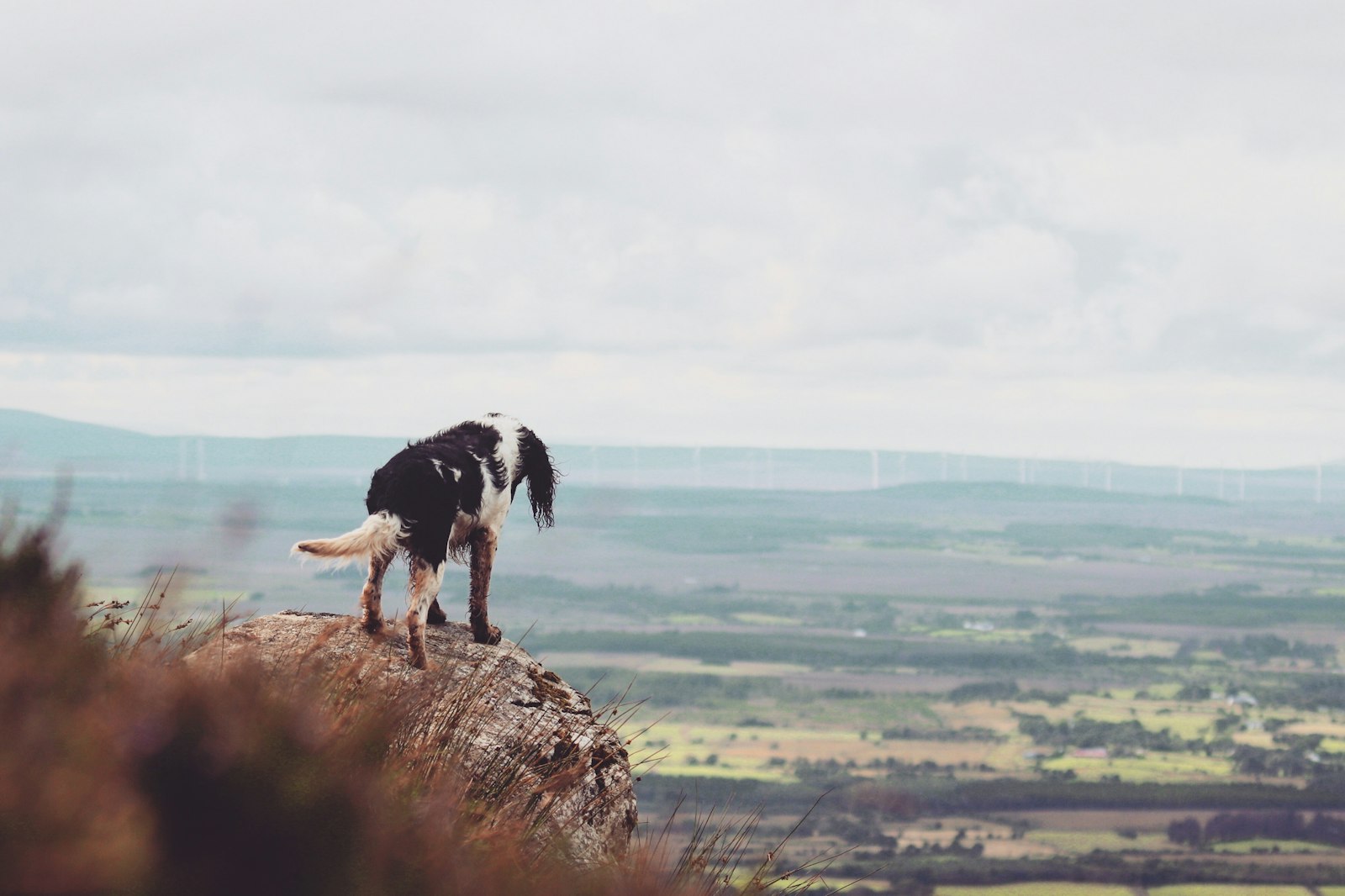
Photo by Rafaëlla Waasdorp on Unsplash
For climbers seeking adventure beyond the crowded climbing areas of the Alps and other traditionally popular European climbing destinations, Ireland offers a wealth of excellent climbing opportunities on a diversity of rock types and scales. From scrambling up rocky mountain ridges to technical rock climbing on dramatic sea cliffs, from challenging ice climbing during occasional Irish winters to sport climbing on developed crags, Ireland presents climbing challenges and rewards that appeal to climbers of all ability levels. The combination of dramatic coastal and mountain scenery, generally reasonable access to climbing areas, and a welcoming climbing community make Ireland an increasingly popular climbing destination. Yet many climbing areas remain relatively uncrowded compared to their continental counterparts, offering the prospect of extended climbing days in wild and beautiful landscapes.
An Overview of Irish Rock Types and Climbing Character
The geology that shaped Ireland’s landscape also determines the character of Irish climbing. Three major rock types dominate Irish climbing areas: granite, sandstone, and limestone. Each rock type offers distinct climbing characteristics that influence the climbing experience and technique required.
Granite climbing in Ireland shares characteristics with granite climbing worldwide—the rock provides excellent friction and relatively good holds. Irish granite tends to be somewhat coarser than alpine granite, providing generous hand and foot jams. Granite areas in Ireland are concentrated in southwestern regions, particularly around Cork, Kerry, and Waterford. These granite areas offer climbing on both boulders and larger rock formations, with terrain ranging from low-angle friction slabs to overhanging vertical faces.
Sandstone climbing in Ireland presents distinct characteristics. Irish sandstone is often softer than granite, and the fine grain of the rock provides good friction properties. However, sandstone is more prone to erosion and weathering, and sandstone climbs sometimes require careful technique to avoid damaging the rock. Sandstone is common in northern regions, particularly in the Mourne Mountains and other Northern Irish locations.
Limestone climbing in Ireland is characterized by sharp, textured surfaces that provide excellent friction but can be harsh on hands and skin. Limestone tends to form vertical or overhanging faces punctuated by pockets and features, offering dramatic climbing with excellent protection possibilities. Irish limestone climbing is concentrated in specific regions, particularly County Clare and other western locations.
Basalt climbing occurs in limited locations, providing yet another climbing experience. This hard volcanic rock forms dramatic sea cliffs in some locations and offers excellent friction but can be serious climbing with limited protection.
Scrambling: Climbing for Everyone
For those seeking mountain climbing experiences that don’t require technical rock climbing skills, Irish mountain scrambles offer excellent opportunities. Scrambling—hiking that includes using hands to climb over terrain steeper than simple hiking—allows access to mountain summits through terrain more challenging than hiking but less technical than rock climbing.
Ireland’s most famous scramble is the ascent of Carrauntoohil, Ireland’s highest mountain at 3,406 feet. The dramatic Curraghrealm ridge represents the most challenging scrambling route to the summit, ascending steep terrain with spectacular views of surrounding mountains and valleys. The ascent requires sure footing and some scrambling ability but no roped climbing.
Mweelrea in County Mayo offers spectacular scrambling on a fine rocky ridge. The climb combines hiking with significant scrambling sections and offers magnificent views across western Ireland and the Atlantic Ocean. On clear days, the distant Aran Islands and Galway Bay are visible from the summit.
The Paps near Cork offer relatively easy scrambling to summits with impressive views across southern Ireland. These rounded peaks provide accessible scrambling opportunities suitable for climbers developing their skills or for family outings that combine hiking with more challenging terrain.
Rock Climbing: Organized Crags and Sport Climbing Areas
For those seeking technical rock climbing, Ireland offers numerous crags and climbing areas with varying characteristics and difficulty levels.
The Mourne Mountains in County Down, Northern Ireland, offer granite climbing on both large formations and boulders. Slieve Donard and surrounding mountains provide access to multiple climbing areas, from bouldering on granite blocks to larger multi-pitch climbing on granite outcrops. The Mournes climbing community is well-established and organized, with guidebooks and detailed route information available. The combination of excellent granite and dramatic mountain scenery makes the Mournes premier climbing destinations in Ireland.
Fair Head in County Antrim provides dramatic sea cliff climbing on columnar basalt formations. The distinctive geometric columns create unique climbing opportunities on vertical and overhanging faces. Fair Head climbing offers both single-pitch sport climbs and multi-pitch traditionally-protected routes. The spectacular seaside setting, with views across the sea toward Scotland, adds memorable atmosphere to climbing at Fair Head.
Dalkey Quarry near Dublin offers convenient limestone climbing on developed sport routes at a quarry location. This location is particularly valuable for climbers based in the Dublin area, providing accessible climbing without lengthy travel to remote areas.
The Burren in County Clare offers limestone climbing on crags ranging from small formations suitable for beginners to larger multi-pitch routes for experienced climbers. The combination of excellent limestone climbing and the Burren’s extraordinary wildflower and ecological diversity makes climbing in the Burren particularly rewarding.
Loughrigg in the Lake District (technically in England, but within reasonable driving distance of western Ireland) offers quarry climbing on excellent rock with numerous routes of varying difficulties.
Portland in southwestern England offers climbing on limestone sea cliffs, though the distance from Ireland makes this primarily a destination for Irish climbers traveling to established British climbing areas.
Sea Cliff Climbing: Drama and Challenge
Ireland’s dramatic coastlines provide opportunities for sea cliff climbing on various rock types. Sea cliff climbing combines the technical challenges of rock climbing with the exposure and drama of being suspended above the ocean on vertical or overhanging rock faces.
The Cliffs of Moher in County Clare, while famous primarily for their hiking value, also offer climbing opportunities for experienced climbers. The dramatic vertical cliffs provide stunning scenery, though the exposure and Atlantic coastal weather mean that climbing here requires considerable skill and experience.
Various sea cliffs throughout southwestern Ireland offer climbing opportunities on both sandstone and granite. The combination of dramatic scenery, Atlantic exposure, and technical climbing makes sea cliff climbing in Ireland memorable for those with appropriate skills.
Sea cliff climbing requires not only rock climbing ability but also understanding of ocean conditions, weather forecasting, and rescue considerations. Most sea cliff climbing in Ireland is conducted by experienced climbers who have extensively developed their skills before attempting this serious climbing.
Bouldering: Low-Angle Adventure
Bouldering—climbing problems on natural rock formations or constructed boulders without ropes, with the protection of crash pads beneath climbers—is increasingly popular in Ireland. Granite boulder fields in southern Ireland provide numerous bouldering problems ranging from simple beginner problems to extremely challenging routes requiring high levels of skill.
The Sugarloaf Mountain near Dublin offers access to granite bouldering relatively close to the city. Other granite areas throughout southern Ireland support bouldering communities and continue to see development of new problems.
Indoor climbing walls in Irish cities provide controlled environments for developing bouldering skills, and increasing numbers of Irish climbers are developing strong bouldering abilities on these facilities before venturing outdoors.
Winter Climbing: Rare but Remarkable
Irish winter climbing is possible, though opportunities are relatively infrequent compared to alpine or Scottish climbing regions. During occasional cold winters when temperatures remain below freezing and precipitation falls as snow, waterfalls and seepage areas on cliff faces develop ice formations suitable for ice climbing.
The Mourne Mountains occasionally develop ice climbing opportunities during cold winters. Climbers monitor conditions and attempt ice climbs during windows when conditions allow. The rarity of good ice climbing conditions in Ireland means that when ice does form, climbers take advantage of the opportunity.
Winter scrambling on snow-covered mountains is occasionally possible in Ireland’s high mountains during cold winters, though snow tends to be seasonal and relatively shallow compared to Alpine regions.
Developing Skills: Climbing Courses and Communities
For those developing climbing skills, several organizations in Ireland offer climbing instruction. Rock climbing courses teaching rope management, protection placement, and belay techniques allow climbers to develop foundational skills. Bouldering courses help beginning climbers understand fundamental rock climbing movements and balance.
The climbing community in Ireland, while smaller than in more established climbing regions, is welcoming and active. Climbing clubs organize trips to crags, facilitating access and community building. Local guides with expertise in particular climbing areas assist both visitors and developing climbers.
Access to climbing areas in Ireland is generally good, with most crags being on public land or private land where climbing access has been established through good relationships with landowners. Respecting access by following established guidelines and leaving no trace helps maintain these positive relationships.
Planning a Climbing Trip to Ireland
Climbers planning trips to Ireland should research specific climbing areas and obtain current guidebooks. Digital guidebooks and climbing databases now provide detailed information about Irish crags, routes, and current conditions. Consulting recent trip reports helps understand current conditions and any issues that might affect climbing.
Weather in Ireland is changeable, and climbing areas can be wet or unavailable for extended periods during rainy seasons. Spring and autumn typically offer the most stable weather patterns. Summer weather is generally benign but can include rainy periods. Winter offers fewer opportunities but occasional cold weather windows for winter climbing.
Accommodation options near major climbing areas are increasingly available, with climbing-friendly guesthouses and facilities catering to climbers. Camping is possible in many locations, though planning ahead is advisable during peak climbing seasons.
Access to climbing areas typically doesn’t require permits in Ireland, though respecting private property and established access guidelines is essential. Some quarry areas require notification or permission before climbing.
Safety and Responsible Climbing
Rock climbing always carries inherent risks that cannot be eliminated but can be managed through proper skill development, appropriate equipment maintenance, and sound judgment. Climbers should thoroughly understand rope management, belay techniques, and protection placement before undertaking roped climbing in outdoor settings.
Climbing on natural rock formations carries specific hazards not present in indoor climbing walls. Loose rock, rockfall, and variable protection quality all require climber vigilance and appropriate caution. Developing the judgment to recognize and avoid hazards is as important as developing technical climbing ability.
Responsible climbing includes respecting the physical environment. Minimizing impact on vegetation, not leaving fixed anchors where they’re not necessary, and avoiding damage to rock through poor technique all contribute to sustainable climbing.
Conclusion: Climbing Ireland’s Wild Rocks
Irish climbing offers climbers opportunities to experience challenging rock climbing in dramatic landscapes relatively uncrowded compared to more famous climbing regions. Whether you’re scrambling up Irish mountain ridges, tackling technical rock problems on granite boulders, or ascending dramatic sea cliffs, climbing in Ireland provides the combination of technical challenge, scenic beauty, and outdoor adventure that defines the climbing experience.
The accessibility of Irish climbing areas, combined with the generally welcoming Irish climbing community and the extraordinary beauty of Irish landscapes, make Ireland an increasingly attractive climbing destination. For climbers seeking to expand their experience beyond traditional climbing regions and to experience climbing in one of Europe’s most beautiful island landscapes, Ireland offers rewards that go far beyond the routes climbed and grades achieved. It offers the opportunity to move through wild Irish landscape under your own power, supported by rope and rock, surrounded by scenery of extraordinary beauty. That experience—the combination of physical challenge, aesthetic beauty, and genuine wilderness—is what makes climbing in Ireland worth pursuing.

Author: jonathan
Jonathan is the publisher of Irishtopia.net, Anglotopia.net, and Londontopia.net. He's passionate about travel and learning about other cultures. He's been to Ireland several times, and uses his travel expertise for Irishtopia!