
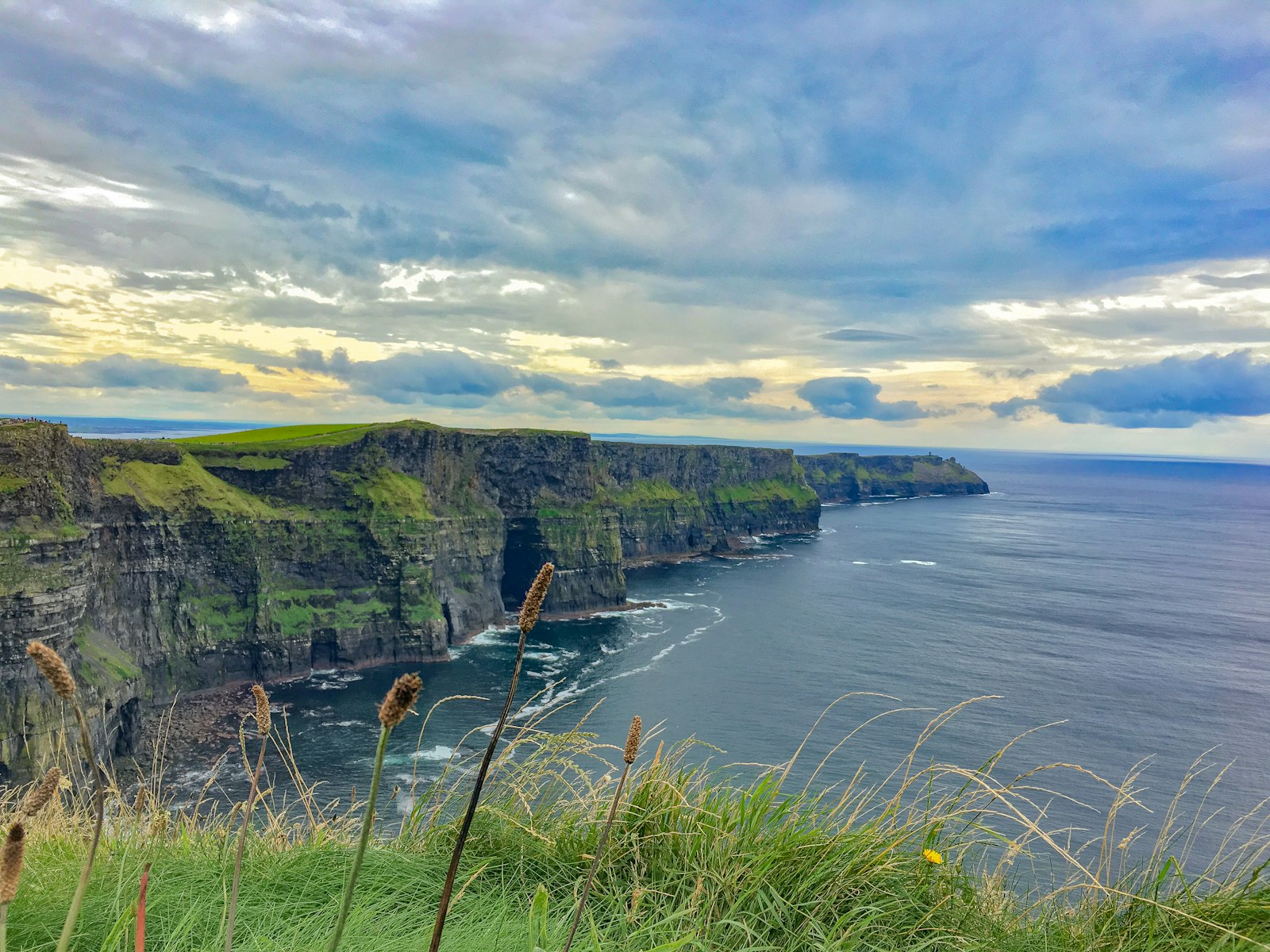
Photo by Leighton Smith on Unsplash
Introduction
Constance Markievicz (1868-1927) was one of the most remarkable figures in Irish history—a woman who transcended her aristocratic background to become revolutionary, nationalist, and social activist. Her life demonstrates the possibilities of dramatic personal transformation and commitment to causes beyond self-interest. More significantly, she showed that women could be major figures in nationalist struggle and that gender need not determine political capacity or commitment.
Markievicz was born into Anglo-Irish gentry, into world of privilege and social position. Yet she rejected that world to pursue nationalist activism and social justice. She became scout leader and youth organizer, revolutionary participant in the Easter Rising, political prisoner, elected politician, and tireless advocate for Irish independence and social reform. Her life trajectory—from society lady to revolutionary nationalist to elected political leader—was extraordinary.
For Americans interested in Irish history and women’s history, Markievicz represents possibility of women’s significant participation in political struggle and demonstrates how individuals can break from their social backgrounds to pursue different commitments. She shows that class loyalty is not inevitable and that people can choose solidarity with causes they believe in over loyalty to their birth class.
Early Life and Social Position
Constance Gore-Booth was born in 1868 to Anglo-Irish landowning family in County Sligo. She grew up in world of privilege—large house, servants, education befitting upper-class girl. Yet her family, while privileged, had intellectual interests and liberal political leanings. Her sister Eva was poet and political activist. The family environment encouraged independent thinking and engagement with political ideas.
Constance received education typical of Anglo-Irish girls of her class. She was accomplished in various ways—artistic, social, educated. As young woman, she would have been expected to make advantageous marriage and settle into comfortable upper-class life. She did marry—a Polish aristocrat, Count Casimir Dunin-Markievicz—yet her marriage didn’t lead to conventional life.
Political Awakening and Rejection of Class Background
The crucial transformation in Constance’s life involved her growing commitment to Irish nationalism and social reform. Living in Dublin, she became increasingly aware of poverty, inequality, and social injustice. She encountered nationalist political ideas and began embracing Irish independence commitment. Rather than remaining within her class’s usual political positions (typically unionist, supporting continued union with Britain), she moved toward nationalism.
This movement away from her class background was dramatic and, for many in her social circle, shocking. Rejecting one’s birth class and privilege to pursue political ideals meant social ostracism, economic sacrifice, and fundamental reorientation of life priorities. Yet Constance made this choice, demonstrating commitment to her beliefs that transcended social pressure.
She became involved with nationalist activities, youth organizing, and cultural nationalist work. She co-founded Fianna Éireann, a nationalist youth organization. She engaged in theatrical work promoting Irish culture. She gradually transformed from society lady into nationalist activist.
The Easter Rising and Revolutionary Action
In 1916, Constance participated in the Easter Rising, the failed rebellion that proved crucial to Irish independence struggle. She was member of Irish Citizen Army and participated in the fighting. She was captured, court-martialed, and sentenced to death—an extraordinary outcome for a woman of her background.
She was one of the few women who participated directly in fighting during the Rising. Most women involved in the Rising participated in supporting roles. Constance’s direct participation in combat was unusual and demonstrated her commitment to armed struggle. Yet her death sentence was commuted to life imprisonment, likely because executing a woman of her background seemed politically unwise.
The Easter Rising and her participation transformed Constance’s historical significance. She moved from being activist within nationalist movement to becoming symbol of nationalist struggle. Her imprisonment deepened her symbolic importance and her commitment to independence cause.
Political Prisoner and Continuing Activism
Constance’s imprisonment, while painful, deepened her revolutionary credentials and expanded her influence. She became widely known as nationalist martyr and symbol of women’s participation in independence struggle. Her letters and writings from prison circulated, keeping her cause alive in public consciousness.
Following her release (after general amnesty in 1917), Constance continued activism. The Irish War of Independence (1919-1921) saw her continuing engagement with nationalist movement. She worked for Irish cause with energy and commitment, demonstrating that her participation in Easter Rising wasn’t isolated incident but expression of sustained commitment.
Elected to Parliament and Political Career
Constance was elected to British Parliament in 1918 as nationalist candidate representing Dublin constituency. She was first woman elected to British Parliament (though she didn’t take her seat, as Sinn Féin candidates refused to recognize British Parliament’s authority). This election demonstrated the political respect she had achieved despite her gender.
Following Irish independence, she was elected to Irish parliament and served as Minister for Labour in the Irish Free State government. This political position, though brief, represented recognition of her leadership and commitment. She was one of the few women in Irish government in that era.
Her political career was complicated by her unwillingness to accept compromises she considered fundamental. She opposed the 1921 Treaty that created Irish Free State, believing it fell short of true independence. She sided with anti-treaty forces during Civil War, remaining true to her conviction that full independence was necessary.
Social Reform and Labor Activism
Beyond nationalist activism, Constance was committed to social reform and labor rights. She supported workers’ struggles and advocated for social justice. She believed that Irish independence should serve all Irish people, particularly the poor and working class. This commitment to social reform alongside nationalist struggle distinguished her from some nationalists focused solely on political independence.
She worked with labor organizations, supported strikers, and advocated for better working conditions and social welfare. Her understanding of independence included social and economic justice, not merely political separation from Britain.
Gender and Leadership
Markievicz’s significance includes her demonstration that women could be major nationalist leaders and that gender need not limit political participation. In era when women’s political participation was limited and controversial, she was major nationalist figure. She demonstrated courage, leadership, and commitment at highest levels.
Yet her gender was never entirely irrelevant. Some opponents of her nationalist positions attacked her for being woman attempting political leadership. Some supporters sometimes emphasized her gender rather than her abilities. Yet she persisted, proving through her actions that women could be capable political leaders and revolutionary participants.
Later Life and Legacy
Constance spent her later years continuing political and social activism. She was elected to Dáil Éireann (Irish parliament) and remained politically active until her death in 1927. Her final years were marked by continued commitment to her political ideals and her advocacy for those she believed had been betrayed by independence settlement.
Her death at age fifty-eight ended a remarkable life of political activism and personal transformation. She was mourned internationally as major nationalist figure and women’s political leader.
Historical Assessment
Historical assessment of Constance Markievicz varies. Some emphasize her genuine commitment to Irish independence and social justice. Others note her aristocratic background and question whether her political positions were adequately thought through. Some focus on her significance for women’s political participation; others emphasize her nationalist contributions.
What’s undeniable is her remarkable life trajectory and her significant role in Irish independence struggle. Whether one agrees with all her positions or methods, her commitment to her beliefs and her willingness to sacrifice privilege and comfort for principles she believed in deserve respect.
Conclusion: The Aristocrat Revolutionary
Constance Markievicz stands as remarkable figure in Irish history. She demonstrates possibility of dramatic personal transformation motivated by conviction about justice and national liberation. She shows that class background need not determine political commitment and that individuals can choose to work against their birth class’s interests.
Her significance for women’s history is also substantial. She demonstrated women’s capacity for political leadership and revolutionary participation. She proved that gender need not limit political ambition or revolutionary commitment.
For Americans interested in Irish history, Constance Markievicz represents the diversity of Irish independence struggle and the personal sacrifices that struggle demanded. She embodies conviction that social and political change are worth sacrificing privilege and comfort. She demonstrates the power of individual commitment to transform historical circumstances.
Keywords: Constance Markievicz, Irish independence, women’s leadership, Easter Rising, Irish nationalism, revolutionary, women in politics, social reform, Irish history, gender and politics

Author: jonathan
Jonathan is the publisher of Irishtopia.net, Anglotopia.net, and Londontopia.net. He's passionate about travel and learning about other cultures. He's been to Ireland several times, and uses his travel expertise for Irishtopia!