
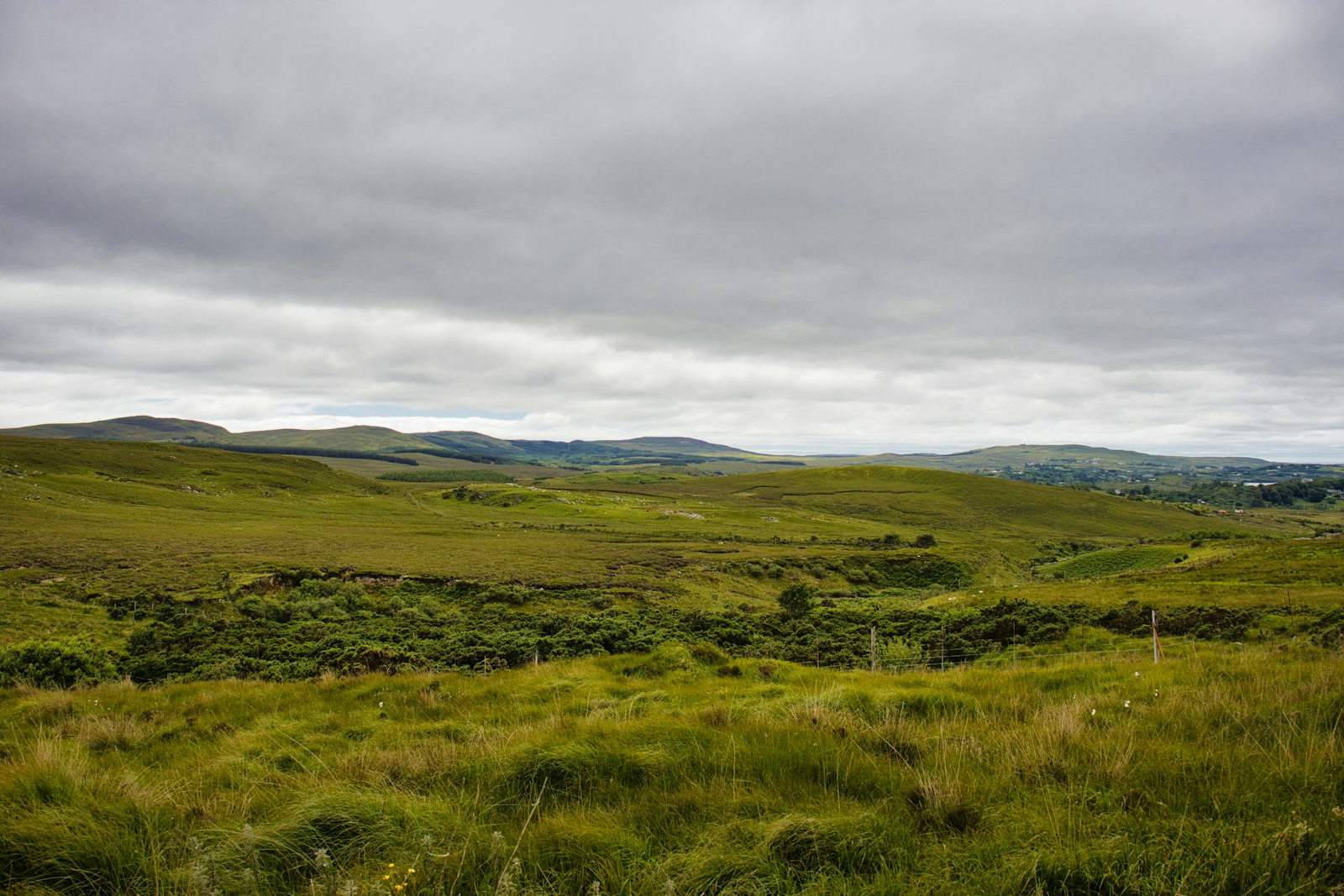
When most visitors think of County Galway, their minds drift to colorful shop-lined streets of Galway city or perhaps the postcard-perfect Aran Islands. But venture beyond these well-trodden paths, and you’ll discover why locals say Galway holds some of Ireland’s most authentic treasures. From the wild Connemara Mountains to forgotten villages where traditional Irish music still echoes through ancient stone walls, County Galway offers travelers a rare chance to experience Ireland as it truly exists—weathered, genuine, and profoundly beautiful.
This guide takes you beyond the guidebook, revealing the hidden corners that make Galway a destination worth returning to again and again. Whether you’re a hiking enthusiast, history buff, or simply seeking authentic Irish experiences, you’ll find that the real magic of Galway lies where tourists rarely venture.
Understanding Galway’s Geography and Character
County Galway stretches across 2,293 square kilometers of incredibly diverse terrain. The county’s character shifts dramatically from its bustling city center to the dramatic mountain ranges and isolated coastal villages that define its interior. What makes Galway unique is this contrast—you can begin your day in sophisticated urban cafes and end it on windswept mountain passes where sheep outnumber people.
The county’s population of approximately 270,000 is heavily concentrated in Galway city and a few coastal towns. This distribution means vast swathes of the county remain refreshingly untouched by mass tourism. You’ll find villages where the local pub owner still knows everyone’s business, where traditional Irish language remains part of daily conversation, and where hospitality isn’t performed for tourists—it’s simply how people are.
Understanding the west-to-east flow of Galway helps with navigation and planning. The Atlantic coast defines the west, the Aran Islands sit offshore, while mountainous terrain dominates the interior, and more pastoral landscapes characterize the eastern regions.
Connemara: Mountains, Lakes, and Raw Majesty
Connemara represents Galway at its wildest and most photogenic. This mountainous region comprises roughly one-third of County Galway and offers some of Ireland’s most dramatic scenery. The Twelve Bens mountain range dominates the landscape—twelve peaks that create a jagged spine across the region, with Benbaun being the highest at 729 meters.
The most famous route through Connemara is the Sky Road near Clifden, a scenic loop that provides panoramic views without requiring strenuous hiking. This narrow, winding road climbs to 200 meters elevation and loops around a peninsula, offering unobstructed Atlantic views. Stop at one of the several pullouts and you’ll see why this route appears on countless Irish travel bucket lists.
For hikers seeking solitude, the Connemara National Park presents an exceptional opportunity. Located near Letterfrack, the park encompasses 2,000 hectares of rugged terrain including the Twelve Bens. Unlike popular hiking destinations elsewhere in Ireland, Connemara’s trails often see minimal foot traffic. The Trails Valley Loop offers intermediate hikers a chance to explore mountain passes and hidden valleys without crowds. Early morning visits virtually guarantee solitude—a rare commodity near any Irish attraction.
Quiet Lakes provide another dimension to Connemara exploration. Inagh Lake and Derryclare Lough sit nestled beneath the Twelve Bens, their dark waters reflecting mountain peaks in conditions of perfect clarity. Local anglers know these lakes as premier trout fishing spots, but their beauty transcends sport fishing. The drive between these lakes offers a genuine sense of traveling to somewhere remote and untouched.
Kylemore Abbey deserves mention despite its modest popularity. This Gothic Revival castle sits on the shore of Kylemore Lough, surrounded by the Twelve Bens. Yes, it attracts visitors, but the grounds feel less commercialized than many Irish tourist destinations. The abbey’s gardens remain strikingly beautiful, and visiting in shoulder seasons (April-May or September-October) means you’ll experience them with relative solitude.
Villages Where Time Moves Differently
Connemara contains several villages that maintain authentic Irish character despite their proximity to tourist infrastructure. Leenane sits at the head of Killary Harbour, where fjord-like terrain creates a landscape more Scandinavian than Irish. The village itself—a scattering of traditional cottages and working farms—feels removed from modern tourism pressures. The nearby Aasleagh Falls provide a modest waterfall worth exploring, particularly after heavy rainfall.
Cong, straddling the border between Galway and County Mayo, gained brief international attention after filming for “The Quiet Man” occurred there, but remains charmingly under-touristed. The village’s most compelling feature is its setting between Lough Corrib and Lough Mask, with an underground river running between them. Walking the grounds surrounding Cong Abbey, you understand why monastic communities chose this location—its beauty and isolation create spiritual spaces naturally.
Roundstone, on the Roundstone Peninsula, represents a functioning fishing village rather than a tourism performance. Colorful houses line a small harbor where fishermen still maintain traditional practices. Visit early morning to see fishing boats depart, or stop by the Roundstone Musical Instruments workshop to watch craftspeople create traditional Irish drums and bodhráns.
Letterfrack and Tully Cross, gateway villages to Connemara National Park, maintain village structures that likely haven’t changed significantly in decades. These aren’t quaint tourist villages—they’re places where locals work, raise families, and maintain traditions. Visiting these spots and patronizing their small pubs and shops directly supports communities working to maintain Irish culture.
The Aran Islands: Finding Solitude on Inishmore, Inishmaan, and Inisheer
While Inishmore receives considerable tourist traffic, the Aran Islands still offer genuine connections to traditional Irish island life, particularly if you venture to the quieter islands or travel in shoulder seasons.
Inishmore contains Ireland’s most famous prehistoric monument—Dún Aengus fort, dramatically perched on 100-meter cliffs. Yes, thousands visit annually, but experiencing Dún Aengus at sunrise, before tourist boats arrive, transforms the experience into something profound. The fort’s name translates to “Aengus’s Fort,” referencing a mythological king, though its actual origins remain mysterious, adding to its allure.
The island’s interior offers experiences beyond Dún Aengus. Wander the network of stone walls dividing fields—built without mortar, these walls represent centuries of labor transforming rocky island terrain into productive land. Walking these field boundaries, you gain appreciation for the sheer determination required to survive on these windswept islands.
Inishmaan, the middle island, offers exceptional respite from tourist infrastructure. Fewer daily ferries visit Inishmaan, which paradoxically means quieter experiences and stronger community presence. The island contains its own fort—Dún Conor—which receives a fraction of Dún Aengus’s visitors. The island’s scattered pubs and restaurants serve primarily locals, creating authentic Irish hospitality.
Inisheer, the smallest island, provides perhaps the most genuine island experience. The island lacks the tourist infrastructure of Inishmore, limiting daily visitor numbers. O’Brien’s Castle, the island’s primary archaeological site, commands a high vantage point and offers panoramic Atlantic views with minimal crowds.
Staying overnight on any Aran Island dramatically improves the experience. After tourist boats depart in late afternoon, the islands transform into genuinely peaceful places. Local pubs come alive with residents, traditional music sessions occur spontaneously, and the landscape feels entirely your own. Several guesthouses and bed-and-breakfasts offer overnight stays, though booking in advance is essential.
The Quiet Coast: Hidden Beaches and Fishing Villages
Galway’s Atlantic coastline extends for approximately 72 kilometers, but most visitors concentrate on a few famous spots. Venture slightly off main routes and you’ll discover beaches and villages with minimal tourism infrastructure.
Gorumna Island and Lettermullan Island, located southeast of Carna, contain narrow roads winding between small cottages and traditional stone walls. The villages of Carna and An Cheathrú Rua (Carraroe) sit where Irish language remains genuinely native. Signs appear primarily in Irish, locals conduct daily business in Irish, and the landscape feels distinctly Irish-speaking rather than tourist-friendly.
The beaches around these villages—Tra Cheathrú Rua and Tra Gheal—offer golden sand, clear water, and a sense of genuine remoteness. Arriving on a calm summer day, you might find empty beaches where the primary sounds are wind, water, and bird calls. These aren’t Instagram-famous beaches—they’re places where local families have vacation homes, where children build sandcastles, and where tourists rarely venture.
Rossaveal, further along the coast, serves as the embarkation point for Aran Island ferries, but the village itself remains refreshingly small. The harbor provides photogenic views of fishing boats and the landscape beyond. Local restaurants serve excellent seafood, including dishes prepared with catch that literally departed the water hours earlier.
Eastern Galway: Pastoral Beauty and Medieval Heritage
Often overlooked entirely, eastern County Galway presents a different character from coastal regions. Rolling hills, pastoral farmland, and market towns characterize this area, which maintains strong connections to traditional Irish farming culture.
Ballinasloe, in eastern Galway, holds one of Ireland’s oldest horse fairs. The Ballinasloe Horse Fair, held annually in October, has operated since 1765. During fair week, the town transforms as dealers, farmers, and horse enthusiasts converge. The fair maintains traditional practices, with deals still concluded through handshakes and word, making it a living link to historical Irish commerce.
Athenry, southeast of Galway city, contains some of Ireland’s most complete medieval town walls. These 14th-century walls—running approximately 840 meters—remain largely intact, making Athenry arguably the best-preserved medieval town in Ireland. Walking these walls at dusk, when tourists have departed and evening light bathes stone in warm gold, creates genuinely magical experiences.
Athenry Castle, built in 1236, sits within the town center. Though partially ruined, the castle’s remaining structures communicate medieval power and defensive capabilities. The nearby Church of St. Catherine maintains beautiful medieval architecture and hosts occasional concerts that draw both tourists and locals.
Eyrecourt Castle, located between Athenry and Ballinasloe, represents a lesser-known castle deserving exploration. This fortified house, built in the early 1600s, contains original architectural features and offers opportunities for photography and quiet contemplation.
Lough Corrib: Island Hopping and Water-Based Exploration
Lough Corrib, Galway’s most extensive freshwater lake, covers approximately 176 square kilometers and contains over 365 islands—one for every day of the year, locals claim. While primarily known for fishing, the lake offers exploration opportunities missed by most visitors.
Inchagoill Island, accessible by boat from Oughterard on the lake’s eastern shore, contains Early Christian archaeological sites dating to the 5th century. The island’s two churches, along with an ogham stone and a holy well, represent significant religious importance in early Irish Christianity. Ferries operate seasonally, and securing passage requires advance booking, which itself discourages casual tourists.
The lake’s quieter eastern shore, accessible through Oughterard and the village of Cong, offers tranquil driving routes and picnic areas overlooking water. Small hotels and restaurants serve visitors interested in lake exploration without requiring boat journeys. The lake here feels intimate despite its massive size.
Fishing enthusiasts know Lough Corrib as a premier trout destination, attracting anglers from across Europe. Even non-anglers can appreciate the lake’s beauty. Renting a small boat and exploring the shoreline, stopping at isolated locations for picnics, provides transportation-based adventure without requiring technical hiking.
Practical Considerations for Exploring Off-the-Beaten-Path Galway
Transportation: While Galway city supports public transportation, exploring off-the-beaten-path regions requires a rental car. The vast majority of hidden villages and attractions lack public transit connections. Car rental in Galway city or nearby airports provides independence essential for deep exploration. Roads to remote areas remain well-maintained despite their limited traffic.
Accommodation: Rather than concentrating on Galway city, consider basing yourself in smaller towns strategically positioned to explore different regions. Staying in Clifden provides access to Connemara’s mountains. Oughterard offers Lough Corrib exploration bases. Athenry provides eastern Galway access. Distributed accommodation helps you experience villages as temporary residents rather than transient tourists.
Language: While English serves as the primary language throughout Galway, several areas maintain Irish as a working language. Learning basic Irish phrases shows respect and often improves local interactions. Words like “Dia duit” (hello), “Go raibh maith agat” (thank you), and “Sláinte” (health—the traditional Irish toast) enhance cross-cultural connection.
Timing: Visiting May through September provides optimal weather and maximum facility availability. However, September specifically offers advantages—schools have resumed, tourists largely depart, and weather remains pleasant. April, May, and October provide shoulder season benefits: manageable crowds, comfortable weather, and lower accommodation prices.
Budget: Exploring off-the-beaten-path Galway costs less than concentrating on major tourist destinations. Smaller villages offer accommodation and dining at notably lower prices than Galway city. Self-catering options proliferate in rural areas, allowing budget control through grocery shopping.
Practical Activities and Experiences
Hiking: Beyond established trails, countless field paths cross Galway’s countryside. Local knowledge often unlocks routes unavailable in guidebooks. Speaking with locals at village pubs frequently yields directions to scenic walks combining legitimate physical activity with genuine exploration.
Photography: Galway’s landscape rewards photography. The dramatic lighting at sunrise and sunset over mountains or water creates exceptional images. The colorful cottages, traditional stone walls, and weathered architecture across villages provide perpetual subject matter.
Traditional Music: Pub sessions occur throughout Galway, not just in famous city venues. Smaller village pubs host regular sessions where locals far outnumber tourists. The music maintains authentic character, with no performance aspect—simply musicians gathering to play together.
Food and Drink: Exploring Galway’s culinary traditions beyond tourist restaurants reveals exceptional quality. Local restaurants emphasizing fresh seafood, traditional preparation methods, and local ingredients provide genuine Irish dining experiences. Farm shops throughout rural areas sell products directly from local producers.
Learning Irish Culture: Community centers and cultural organizations offer workshops and classes in traditional crafts, Irish language, and local history. These experiences create connections unavailable through passive tourism.
Conclusion: Discovering Galway’s Real Soul
County Galway transcends the tourist highlights that bring millions of visitors annually. Yes, Galway city merits exploration, and the Aran Islands offer exceptional experiences. But the county’s true soul emerges in quieter places—villages where traditions persist, mountains where silence reigns, and coastal areas where the Atlantic remains wild and untamed.
Discovering off-the-beaten-path Galway requires minimal additional effort beyond standard tourism. Simple choices—choosing smaller villages for overnight stays, traveling in shoulder seasons, driving quieter roads, and spending time in local pubs—transform standard tourism into genuine cultural exploration.
The reward for venturing beyond tourist trails is profound: authentic connection to Irish landscapes, genuine interactions with communities working to maintain their heritage, and the rare experience of discovering places that time seems to have overlooked. This is the Galway that captures hearts and compels return visits—not the postcard version, but the genuine article, waiting to be discovered by travelers willing to venture slightly off the map.

Author: jonathan
Jonathan is the publisher of Irishtopia.net, Anglotopia.net, and Londontopia.net. He's passionate about travel and learning about other cultures. He's been to Ireland several times, and uses his travel expertise for Irishtopia!