
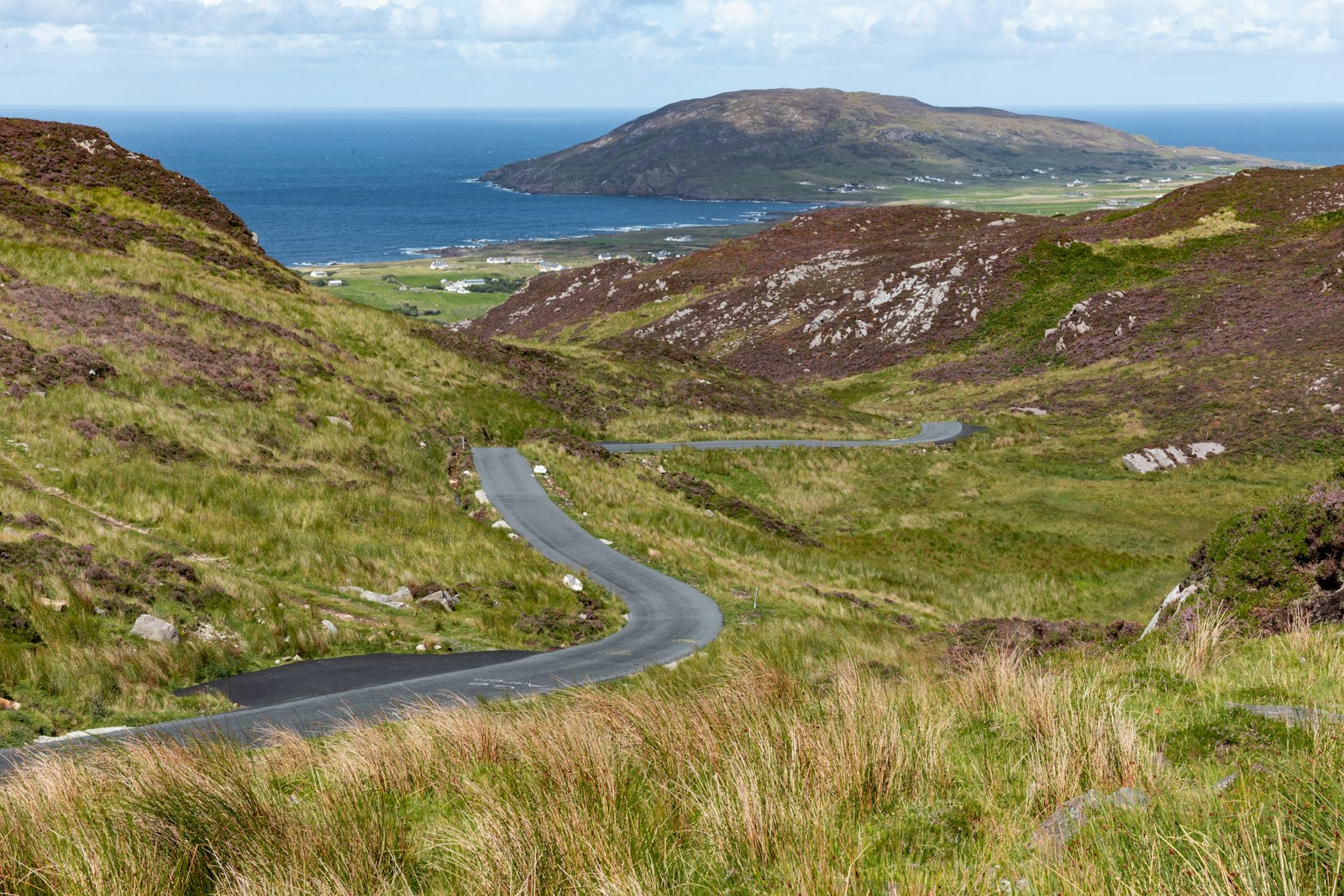
Photo by Brian Kelly on Unsplash
Introduction
County Leitrim is Ireland’s secret. Sandwiched between the more famous Galway and Donegal, this small northwestern county has managed the remarkable feat of remaining virtually unknown to most tourists despite possessing extraordinary natural beauty, cultural richness, and the kind of authentic Irish experience increasingly difficult to find elsewhere.
The smallest of Ireland’s counties by area, Leitrim is often overlooked on tour itineraries. Many travelers pass through without stopping, unaware of what surrounds them. Yet for those who take time to explore, Leitrim offers pristine lake systems, dramatic landscapes, vibrant villages, and communities where tourism hasn’t entirely transformed the character of place.
For American visitors seeking Ireland beyond the well-worn tourist trails, County Leitrim represents an opportunity for discovery. The landscape tells stories of ice age geology, medieval settlement, literary tradition, and contemporary rural life. The lake islands, ancient sites, and small towns create a rich tapestry of experience that rival, and often exceed, better-known Irish regions.
Geography and Landscape: Understanding Leitrim’s Character
County Leitrim is defined by water. Lakes and rivers form the county’s major geographical features. Lough Allen, the largest lake, occupies the northern portion of the county. Shannon-Erne Waterway connects multiple lakes and rivers, creating a water-based transportation and recreation system unique in Ireland.
The landscape reflects glacial geology. During the ice age, glaciers carved out basins that became lakes and shaped valleys through which rivers now flow. The surrounding landscape consists of gentle hills, bogland, and forest. This isn’t the dramatic scenery of western Ireland’s sea cliffs, but rather intimate landscapes that reward close observation and patient exploration.
The River Shannon, Ireland’s longest river, forms part of the county’s western boundary and influences settlement patterns and land use. The smaller Leitrim lakes—Gill, Key, and numerous others—create a landscape of water, woodland, and field that feels timeless.
Geologically, Leitrim sits at a junction of different rock formations. Limestone, shale, and other formations create diverse soils and landscape characteristics. This geological diversity supports varied plant communities and has influenced how humans have used the landscape through history.
The Lake Island Experience: Leitrim’s Unique Attraction
What distinguishes Leitrim from other Irish lake regions is the exceptional number and character of lake islands. Lough Gill alone contains 22 islands, many accessible by boat. These islands range from tiny uninhabited rocks to substantial islands with archaeological significance.
Inisfree
Inisfree is Leitrim’s most famous island, immortalized in William Butler Yeats’ poem “The Lake Isle of Innisfree.” Yeats wrote the poem while living in London, homesick for the landscape of his native Sligo, just south of Leitrim. The poem captures the romantic appeal of island life and solitude in nature.
The actual island is small, rocky, and apparently uninhabited in modern times, though it was likely used historically for hermitage or spiritual retreat. The poem’s emotional power far exceeds the island’s physical size. For readers of Yeats, visiting Inisfree becomes a literary pilgrimage—a chance to stand on landscape that inspired one of Ireland’s greatest poets.
Inisfree is accessible by boat from Sligo town’s harbor. Tours operate seasonally, taking visitors to the island for brief visits. Standing on the rocky island, surrounded by water with forested shores visible in the distance, you understand why Yeats’ imagination was captured. The experience of isolation in nature translates powerfully.
Other Significant Islands
Beyond Inisfree, Lough Gill contains numerous other islands with archaeological, historical, or ecological significance. Inishcleraun was home to a monastic community. Oak and Rinn islands feature ancient sites. Many islands remain undeveloped and wild—habitat for birds, plants, and small animals.
Boat tours operating from the Sligo area visit multiple islands, providing access to landscapes that would otherwise be inaccessible. For serious island explorers, renting boats or hiring guides enables more comprehensive exploration.
The Shannon-Erne Waterway: Water-Based Exploration
The Shannon-Erne Waterway is a 63-kilometer system of lakes and connecting waterways that stretches from the Shannon system in the south to the Erne system in the north. This waterway represents a centuries-old transportation route that has been carefully restored in recent decades as a recreational resource.
The waterway connects Lough Allen and multiple smaller lakes through canals, locks, and natural river sections. It provides opportunities for boat-based exploration—hiking, fishing, picnicking, and simply observing landscape from water-level perspective.
For visitors with boating experience or those willing to hire guides or boat captains, the Shannon-Erne system offers unique access to Leitrim’s landscape. The waterway passes through communities, forests, and undeveloped landscape, revealing the county from a perspective most tourists never experience.
Towns and Villages: Finding Authentic Ireland
Carrick-on-Shannon
Carrick-on-Shannon is Leitrim’s largest town, serving as a regional hub and gateway for exploring the county. The town straddles the River Shannon, with the main commercial area developed along the riverbanks. Despite its relative size, Carrick retains an authentic, working-town character—not primarily oriented toward tourism, but welcoming to visitors.
The town offers restaurants, pubs, and accommodations. Traditional Irish music sessions occur regularly in local pubs. Local boating companies offer boat rentals and guided trips on the Shannon and local lakes. The town’s character is essentially Irish—real communities going about real life, not performing for tourists.
Kinlough
Kinlough is a small, quiet village in southwestern Leitrim, known for its artistic community and cultural activities. The village has become a modest center for creative people—musicians, painters, writers. Despite this artistic emphasis, the village maintains authentic village character; it hasn’t been transformed into a tourist performance zone.
Dromahair
Dromahair, set at the edge of Lough Gill, is a small village offering excellent access to the lake and the surrounding landscape. The village’s setting is beautiful, and it serves as a base for exploring the lake’s islands, shores, and surrounding countryside.
The Old Hall, a historic building, offers cultural programming. Local restaurants provide good food. The village feels undiscovered but welcoming.
Manorhamilton
Manorhamilton is a working market town in the heart of Leitrim, serving surrounding rural areas. The town offers modest services and authentic small-town character. From here, you can explore the central Leitrim landscape, including archaeological sites and natural areas.
Archaeological and Historical Significance
Ancient Sites
Leitrim contains numerous archaeological sites indicating long human occupation. Megalithic monuments, stone circles, and burial mounds dot the landscape. Many are accessible, though some require knowledge to locate.
The Creevelea Court Tomb, near Dromahair, is a well-preserved example of a Neolithic burial monument. The structure, built approximately 5,500 years ago, demonstrates engineering sophistication and indicates organized communities living in the region during the Neolithic period.
Medieval Period
Medieval monasteries, churches, and ecclesiastical sites mark Leitrim’s religious history. Augustinian and Dominican monasteries developed at strategic locations. Many monastic ruins remain, providing insight into medieval religious practice and architectural development.
Literary Connections
Beyond Yeats’ “Lake Isle of Innisfree,” Leitrim has literary significance. Various Irish writers have connections to the region. The landscape’s aesthetic appeal and sense of place have inspired creative work for generations.
Ecological Significance and Wildlife
Leitrim’s lakes and surrounding landscape support important ecological communities. The lake systems provide habitat for freshwater species—fish, aquatic invertebrates, and plants found nowhere else in Ireland. The surrounding forests and boglands support mammal, bird, and plant communities.
Otters inhabit the waterways. Various fish species, including pike and trout, make the lakes significant for sport fishing. Birdwatchers find excellent opportunities, especially during migration seasons when the lakes attract arriving and departing migratory birds.
The boglands, increasingly rare in Ireland, represent irreplaceable ecosystems. Peat bogs support unique plant communities adapted to waterlogged, nutrient-poor conditions. These bogs are crucial carbon storage systems and provide habitat for specialized plant and animal species.
Conservation of these ecosystems requires careful management and protection from unsustainable use. Environmental organizations work to protect Leitrim’s natural heritage while allowing recreational and economic use of the landscape.
Practical Information for Visiting Leitrim
Getting There
Leitrim is accessible by car from Galway (approximately 90 minutes to Carrick-on-Shannon), Dublin (approximately 3 hours), or Sligo (approximately 45 minutes). The county is well-connected by road to surrounding regions.
Public transportation exists but is limited. Buses connect major towns, but exploring the county thoroughly requires either a rental car or joining organized tours.
Accommodation
Carrick-on-Shannon offers the widest range of hotels, guesthouses, and vacation rentals. Smaller villages have guesthouses and Airbnb accommodations. Booking in advance, especially during summer months, is advisable.
The accommodation is generally modest in quality and price compared to more heavily touristed areas—often a positive characteristic for those seeking authentic experiences.
Outdoor Activities
Boating and Water Sports
Boat rentals in Carrick-on-Shannon allow self-guided exploration of the Shannon and connected waterways. Alternatively, guided boat tours provide transportation and interpretation. The Shannon-Erne Waterway offers canal boating opportunities.
Fishing
The lakes are significant for pike and other fish species. Local guides offer fishing trips and instruction. Fishing requires appropriate licensing and respect for regulations.
Hiking and Walking
Multiple walking trails traverse the Leitrim landscape. Some are formally marked; others are traditional routes. Walking offers the best way to explore the intimate landscapes of fields, forests, and bogland.
Island Exploration
Organized boat tours from the Sligo area visit lake islands, particularly those in Lough Gill. These tours provide access to Inisfree and other islands otherwise inaccessible to most visitors.
Best Times to Visit
Summer (June-August) offers the most reliable weather and longest daylight hours. Autumn (September-November) provides beautiful seasonal color and fewer crowds. Spring (March-May) brings new growth and migrating birds. Winter is cold and less ideal for outdoor activities.
Cultural Experiences and Local Encounters
Traditional Music
Leitrim maintains strong traditional music traditions. Sessions occur regularly in local pubs. The village of Kinlough is particularly known for its music scene. Attending a music session provides authentic cultural experience and social engagement with locals.
Food and Drink
Local restaurants serve traditional Irish food with emphasis on locally sourced ingredients. Pubs offer both food and drink in authentic social settings. Farmer’s markets, where they occur, offer access to local produce and crafts.
The quality of local food is excellent, though service may be slower and less polished than in more touristed areas—a characteristic that reflects authentic Irish hospitality rather than commercialized service.
Arts and Crafts
The Kinlough artistic community produces crafts and art available through local studios and galleries. Supporting local artisans directly contributes to the communities while allowing visitors to acquire authentic, local-made items.
Local Interactions
Because Leitrim hasn’t been heavily developed for tourism, locals often retain genuine hospitality without the weariness that heavy tourism sometimes produces. Conversations in pubs, shops, and on streets can provide insight into local perspectives and authentic Irish culture.
Suggested Itineraries
Long Weekend in Leitrim
Day 1: Arrive in Carrick-on-Shannon, settle in, explore the town, dine at local restaurant.
Day 2: Boat day on the Shannon or Shannon-Erne Waterway, exploring water landscape.
Day 3: Day trip to Kinlough, experience artistic village, attend evening music session if available.
Day 4: Visit Dromahair and Lough Gill, visit Inisfree if possible, explore lake islands.
Day 5: Morning walk or exploration before departure.
Mixed Activity Trip (5-7 Days)
Combine Leitrim with nearby regions (southern Donegal, Sligo, or Galway). Use Leitrim as a quieter counterpoint to busier areas, allowing restoration between more intensive touring.
Themed Experiences
- Literary pilgrimage focused on Yeats connections
- Boating and water-based exploration
- Archaeological site discovery
- Traditional music and cultural immersion
- Fishing and outdoor recreation
Leitrim’s Place in the Broader Irish Tourism Landscape
Leitrim remains underdeveloped for tourism compared to other Irish regions. This creates both challenges and opportunities. Limited tourist services mean fewer restaurants, shops, and accommodation options compared to busier areas. However, this limitation preserves authenticity and avoids the commercialization that can diminish the integrity of tourist destinations.
For travelers seeking quintessential Irish experience—small villages, traditional culture, natural landscape, and genuine community—Leitrim offers exceptional value precisely because it hasn’t been packaged and branded as aggressively as other regions.
This characteristic appeals to certain travelers while disappointing others. Those seeking convenient services, abundant restaurants, and easy accommodation will find Leitrim challenging. Those seeking authentic, underdeveloped Ireland will find it rewarding.
Conclusion: Why Leitrim Matters
County Leitrim deserves far greater recognition among Irish travel destinations. The county offers ecological significance, archaeological richness, natural beauty, cultural vitality, and the kind of authentic Irish experience that travel romantics dream of but increasingly struggle to find.
The lake islands, especially Inisfree with its Yeats connection, provide iconic destinations within the county. But equally important are the quiet villages, the hiking trails through bogland and forest, the water-based exploration opportunities, and the chance to engage with Irish communities not primarily oriented toward entertaining tourists.
For American visitors seeking Ireland beyond the well-worn paths—those willing to venture beyond the Ring of Kerry and the Cliffs of Moher—County Leitrim represents an opportunity for genuine discovery. Spend time here. Get lost in the landscape. Sit in pub sessions. Talk with locals. Explore the islands. Walk the boglands. Leitrim won’t provide dramatic scenic moments comparable to western coastal cliffs, but it will provide something perhaps more valuable: the experience of knowing a place deeply and discovering that hidden Ireland still exists for those willing to search for it.

Author: jonathan
Jonathan is the publisher of Irishtopia.net, Anglotopia.net, and Londontopia.net. He's passionate about travel and learning about other cultures. He's been to Ireland several times, and uses his travel expertise for Irishtopia!