
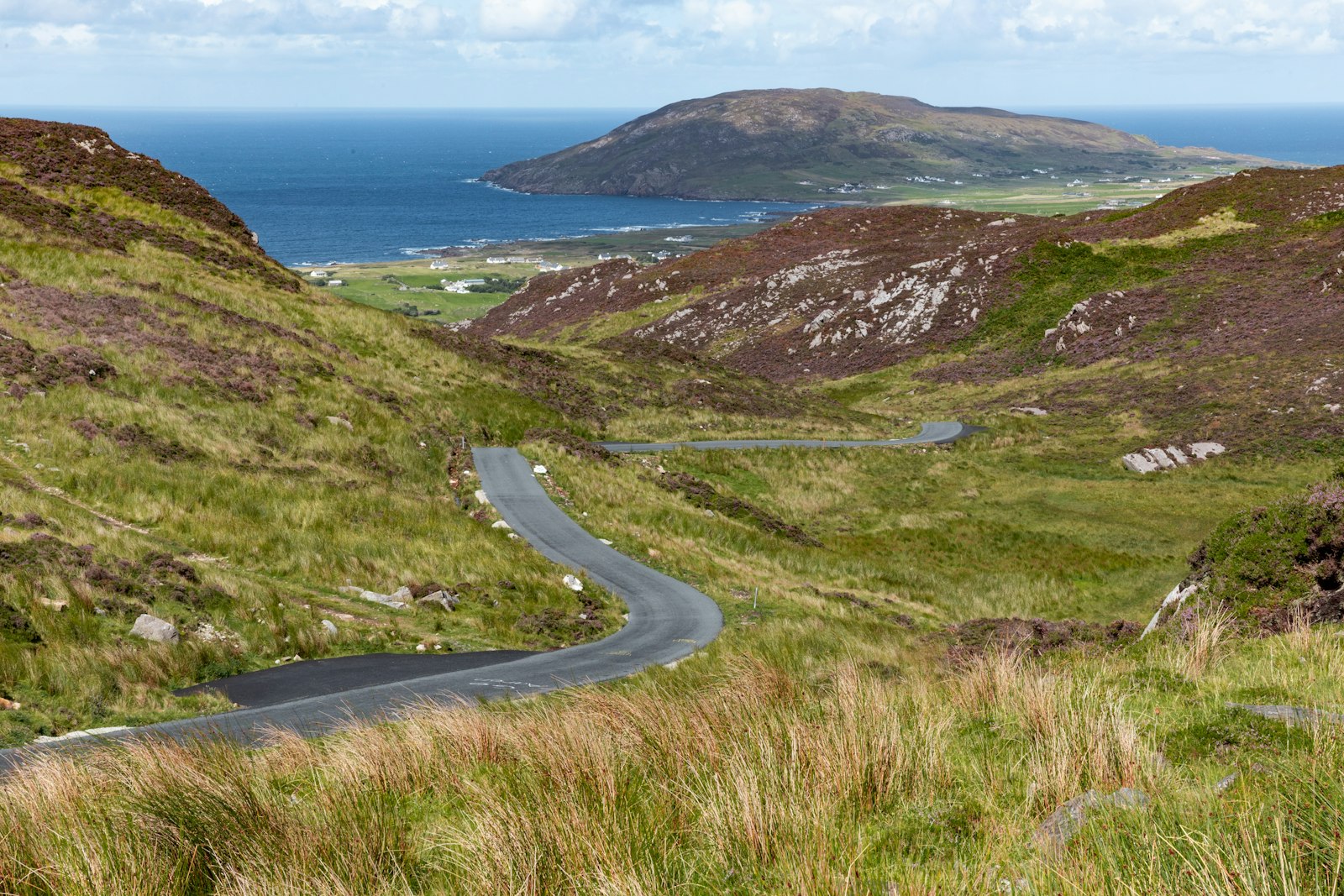
Photo by Brian Kelly on Unsplash
Introduction
County Offaly sits at the very center of Ireland, encompassing the geographical heart of the island. Yet despite this central location and extraordinary archaeological and natural heritage, Offaly remains one of Ireland’s least-visited counties. The county is virtually absent from most tourist itineraries—a circumstance that benefits those willing to venture beyond the well-worn paths and discover what the Irish midlands actually offer.
The county’s landscape is deceptively beautiful. Rather than dramatic coastal cliffs or famous mountain peaks, Offaly offers intimate valleys, boglands, river systems, and countryside that reveals itself slowly to careful observers. The archaeological sites scattered throughout the county provide tangible connection to ancient Ireland—monastic ruins, stone circles, and strategic fortifications mark the landscape.
For American visitors seeking authentic Ireland beyond the tourist circuit, County Offaly represents an extraordinary opportunity. The county lacks the famous attractions that draw crowds elsewhere, but this absence means that sites remain less commercialized, less crowded, and more authentic. Understanding Offaly means understanding what most of Ireland actually is—working landscape with deep historical layers, not engineered for tourism but genuinely rewarding for those who take time to explore.
Geography and Landscape: Understanding the Midlands
County Offaly encompasses approximately 2,000 square kilometers of central Irish landscape. The county’s topography is relatively gentle—rolling hills, river valleys, and extensive bogland rather than dramatic mountains. The River Shannon forms the county’s western boundary and has shaped settlement patterns for millennia.
The boglands of central Ireland are particularly significant. Extensive peat bogs once covered much of the midlands. Some remain largely intact; others have been cut for peat fuel, creating distinctive landscape patterns. The bogs are ecologically important—peat stores carbon, the waterlogged conditions support unique plant communities, and the archaeological record preserved in peat provides invaluable information about ancient Ireland.
The landscape reflects glacial geology. During the ice age, glaciers carved valleys and deposited sediment that created the current topography. Rivers flowing through these valleys have shaped settlement and land use. The combination of water, gentle terrain, and fertile soils made Offaly attractive for human settlement from earliest times.
Archaeological Treasures: Ancient Ireland on the Landscape
Clonmacnoise Monastic Settlement
Clonmacnoise is arguably County Offaly’s most significant archaeological site and one of Ireland’s most important monastic centers. Founded in 545 AD by Saint Ciarán on the banks of the River Shannon, the monastery became one of Ireland’s leading centers of learning, spiritual practice, and artistic production.
The site includes multiple churches of different periods, demonstrating monastic development over centuries. The round tower, standing approximately 20 meters tall, functioned as both bell tower and defensive structure. Multiple stone crosses survive, showcasing Irish Romanesque and Celtic artistic traditions. The cemetery contains dozens of graves and crosses of various periods.
Walking the monastic grounds, you encounter layer upon layer of history. The oldest structures date to the 6th century; later additions span through the medieval period. The spatial arrangement demonstrates how monasteries functioned—separate areas for different religious offices, burial grounds, living quarters, and work areas.
The visitor center provides excellent interpretation of the site’s history, significance, and the broader context of Irish monasticism. The explanation enhances understanding of what you’re seeing—the buildings become more meaningful when you understand their functions and the communities that created them.
Birr Castle and Demesne
Birr Castle, seat of the Earl of Rosse, combines medieval fortification with 17th and 18th-century expansion. The castle interior is closed to public access, but the estate grounds are open and provide an excellent example of Anglo-Irish aristocratic landscape development.
The castle is set within an extensive demesne—a deliberately landscaped estate representing wealth, power, and aesthetic ambition. The gardens showcase both formal garden design and naturalistic landscape principles. The castle grounds provide excellent walking opportunities through designed landscape.
The castle also housed significant scientific instruments, including a famous telescope used for astronomical observations. The combination of aristocratic power, scientific advancement, and landscape aesthetics makes Birr Castle a window into 18th and 19th-century Irish history.
Leap Castle
Leap Castle, one of Ireland’s most famous haunted castles, sits dramatically on a rocky outcrop in the Slieve Bloom Mountains. The castle represents medieval Irish fortress architecture—built and rebuilt across centuries, modified and adapted as military technology and political circumstances changed.
The castle is privately owned but occasionally open for tours. Even from a distance, the castle’s silhouette against the landscape is dramatic and evocative. The castle’s reputation for haunting has made it famous in paranormal circles, but the structure’s actual historical significance as a medieval fortress is equally noteworthy.
Kinnitty Castle
Kinnitty Castle, another Gothic revival castle built in the 19th century, represents Victorian romantic interpretation of medieval architecture. The castle combines defensive features with comfortable living spaces, embodying the 19th-century understanding of medieval aesthetics.
The Slieve Bloom Mountains: Hidden Highland Scenery
The Slieve Bloom Mountains form a distinctive landscape feature within Offaly. These mountains, while modest in elevation (the highest peak reaches only 530 meters), create dramatic topography, river valleys, and forest landscape that feels distinctly wild compared to surrounding lowland countryside.
The mountains are remarkably undeveloped—no roads traverse the summits, and there are minimal facilities. Walking in the Slieve Blooms feels like walking through remote mountain terrain, despite the mountains’ modest height and central location.
Hiking and Walking
Numerous walking trails traverse the mountains, ranging from easy riverside walks to challenging mountain routes. The Slieve Bloom Way, a 40-kilometer trail circling the mountains, provides comprehensive mountain exploration.
Walking in the Slieve Blooms places you in genuine wilderness within Ireland’s geographic center. The solitude is remarkable, and the views across the midlands countryside from mountain heights provide perspective on landscape and settlement patterns.
Forest Ecology
The Slieve Blooms support substantial forests—both native woodland and commercial plantation forests. Walking through these forests provides sensory immersion in woodland ecology. The contrast between dense forest and open moorland creates varied walking experiences.
Rivers and Water Systems: Lifeblood of the Landscape
The Shannon River
The Shannon forms Offaly’s western boundary and has been central to human settlement and economic activity. The river’s lower course flows through Offaly, creating floodplain areas and river valleys that attracted settlement.
Medieval and later towns developed at river crossing points. Bridges, mills, and water-powered industries depended on the river’s presence. Walking along the Shannon towpath provides water-level perspective on the landscape and opportunities to observe wildlife.
The Little Brosna River
Smaller rivers create their own valleys and support their own ecological systems. The Little Brosna meanders through the county, creating distinctive river landscape with its own character and ecological significance.
Walking river valleys provides intimate perspective on landscape—you experience vegetation, water, geology, and wildlife from a ground-level vantage that differs from higher viewpoints.
Bogland Conservation and Ecology
The bogs of Offaly and central Ireland represent irreplaceable ecosystems. Peat bogs formed over thousands of years as waterlogged conditions prevented plant material from fully decomposing. These bogs now represent ancient environments preserved in peat.
Peat Extraction History
Historically, peat was extracted from bogs as fuel. This extraction created a significant Irish industry and was essential to rural livelihoods. Peat-powered electricity generation provided energy for the country. Turf cutting was cultural practice, traditionally occurring in spring and summer when weather allowed drying.
Today, peat extraction has largely ceased due to environmental concerns and reduced economic viability. The shift away from peat fuel represents changing environmental values and energy systems.
Restored Bogs and Conservation
Organizations are working to restore degraded boglands and protect intact bogs. These efforts aim to preserve the ecological systems and the archaeological records contained within the peat. Walking on restored boglands, you observe land returning to natural conditions after human use.
Bog Flora and Fauna
Intact bogs support specialized plant communities adapted to waterlogged, nutrient-poor conditions. Sphagnum moss, sundews, and bog-dwelling plants represent remarkable adaptation to extreme environmental conditions.
The bogs support bird species that breed nowhere else—curlews, golden plovers, and other specialists of open bogland. The bogs also represent crucial carbon storage—peat contains massive quantities of carbon. Bog conservation directly addresses climate change concerns.
Villages and Towns: Authentic Midland Communities
Birr
Birr is Offaly’s main town, featuring the castle and demesne. The town has developed as a regional center while maintaining considerable architectural character. The main street features 18th and 19th-century buildings, giving the town distinctive appearance.
Birr offers services for visitors—restaurants, shops, accommodation—without the overdevelopment that affects heavily touristed areas. The town maintains authentic character as a working community.
Kinnitty
Kinnitty is a small village in the Slieve Bloom foothills, known for its castle and outdoor recreation opportunities. The village provides access to hiking and offers modest amenities. The setting is attractive, and the village serves as a hiking base.
Banagher
Banagher, on the Shannon, developed as a port town when river transport was important. Today, the town retains riverfront character and serves as a base for exploring the Shannon. Boat rental services and river-focused tourism make Banagher a water-based destination.
Attenbury and Small Villages
Numerous small villages throughout Offaly showcase authentic Irish rural character. These villages exist to serve surrounding agricultural communities, not primarily for tourism. Visiting them provides genuine insight into how Irish rural life continues.
Cultural Heritage and Literary Connections
Offaly Writers and Artists
The county has produced and hosted various Irish writers and artists. The landscape’s quiet character has attracted creative people seeking inspiration and solitude.
Traditional Music
Traditional Irish music remains part of Offaly’s culture. Sessions occur regularly in pubs in larger towns and villages. Attending a music session provides authentic cultural experience and social engagement with local communities.
Local Foods and Crafts
Farmers’ markets and craft producers showcase local foods, crafts, and artisanal products. Supporting local producers directly contributes to the community and provides authentic souvenirs.
Practical Visiting Information
Getting There
County Offaly is accessible by car from Dublin (approximately 1.5 hours to Birr), Galway (approximately 2 hours), or other major towns. The county is crossed by major roads but lacks major motorways. The deliberate pace of travel reflects the landscape’s character.
Accommodation
Accommodation options are more limited than in heavily touristed areas. Birr offers the most services, including several hotels and guesthouses. Smaller towns have B&Bs and vacation rentals. Booking in advance, particularly in summer, is advisable.
Prices for accommodation are generally lower than in major tourist destinations.
Dining and Nightlife
Offaly’s dining options range from traditional pubs serving simple food to restaurants emphasizing local ingredients. The quality is variable but generally good. Restaurants close relatively early and aren’t as abundant as in larger cities.
The pub culture remains strong—locals gather for conversation, news, and often traditional music. Visitors are welcome in authentic local pubs.
Outdoor Activities
Hiking
The Slieve Bloom Way and numerous other trails provide hiking opportunities. The terrain ranges from easy river valley walks to challenging mountain routes.
Cycling
The relatively flat midland terrain makes cycling accessible. Roads throughout the county provide cycling routes, though traffic can be heavy on main roads.
Fishing
Rivers support trout and salmon fishing. Guides and fishing services can arrange fishing trips and instruction.
Water-Based Activities
The Shannon provides boating and water-based recreation. Boat rental services operate from several towns.
Seasonal Experiences
Spring (March-May)
Spring brings new growth and migrating birds. The landscape greens, flowers bloom, and weather gradually improves. Hiking conditions improve as weather stabilizes. The bog trails become accessible as water levels recede.
Summer (June-August)
Summer offers warm weather, extended daylight, and the most reliable conditions. Tourist infrastructure is most available. The season is busiest, though Offaly remains far less crowded than more famous destinations.
Autumn (September-November)
Autumn provides beautiful light, comfortable weather, and dramatic seasonal color in the forests. The landscape transitions through rich tones. Crowds diminish. Many consider this the best season for visiting.
Winter (December-February)
Winter is cold and can be wet or snowy. Daylight is limited. However, the landscape is stark and beautiful, and the few visitors create profound solitude. Those enjoying quiet and contemplation find winter rewarding.
Integration into Broader Itineraries
Midlands Exploration
Use Offaly as a base for exploring the Irish interior. Day trips can reach various sites, cultural attractions, and the broader midland landscape.
Shannon System Tour
Combine Offaly’s sites with broader exploration of the Shannon—Limerick, Athlone, and other Shannon towns.
Central Ireland Circle
Combine Offaly with nearby regions—Tipperary, Laois, Westmeath—creating a comprehensive central Ireland experience.
Hiking Holiday
Focus on outdoor recreation—the Slieve Bloom Way, various day hikes, and mountain exploration.
Archaeological Tour
Focus on monastic sites and ancient settlements, combining Clonmacnoise with other Irish archaeological sites.
Environmental and Conservation Challenges
County Offaly faces environmental pressures common to rural Ireland—agricultural intensification, bog degradation, habitat loss. Conservation organizations work to protect significant ecological areas and archaeological sites.
Understanding these challenges provides context for responsible visiting—supporting conservation efforts, respecting protected areas, and minimizing impact on fragile ecosystems.
Practical Itinerary for Offaly
Long Weekend (3 Days)
Day 1: Arrive in Birr, explore the castle and town.
Day 2: Visit Clonmacnoise. Day hike in the Slieve Blooms if interested.
Day 3: River walk along the Shannon or additional hiking. Depart.
Week-Long Visit
Combine Offaly with exploration of surrounding regions. Day trips to various archaeological sites, hiking in the Slieve Blooms, river exploration, and village visits.
Themed Visits
- Archaeological tour focusing on monastic sites
- Hiking holiday centered on the Slieve Bloom Way
- Water-based exploration of the Shannon system
- Quiet retreat in authentic rural Irish landscape
Conclusion: Discovering Offaly
County Offaly remains one of Ireland’s best-kept secrets—a region of genuine beauty, archaeological significance, and authentic Irish character that has somehow escaped the commercialization affecting more famous destinations. The county’s central location, far from dramatic coastal scenery, means it lacks the obvious appeal of western Ireland’s cliffs or the cultural cachet of Dublin or Cork.
Yet this very understated character makes Offaly invaluable for travelers seeking genuine Ireland. The monastic ruins are real—not staged for tourists but weathered by centuries. The villages are authentic communities, not performance zones. The landscape—bogland, river valleys, modest mountains—represents what most of Ireland actually is.
For American visitors willing to venture to the Irish center and embrace a quieter, less dramatic landscape, Offaly offers extraordinary rewards. The sites are accessible, the communities are welcoming, and the experience of moving through this landscape connects you with Ireland’s depth and complexity. Spend time in Offaly. Walk the Slieve Blooms. Visit Clonmacnoise. Sit in village pubs. Discover why those who know Ireland best often save their deepest affection for the unassuming, underappreciated midlands.

Author: jonathan
Jonathan is the publisher of Irishtopia.net, Anglotopia.net, and Londontopia.net. He's passionate about travel and learning about other cultures. He's been to Ireland several times, and uses his travel expertise for Irishtopia!