
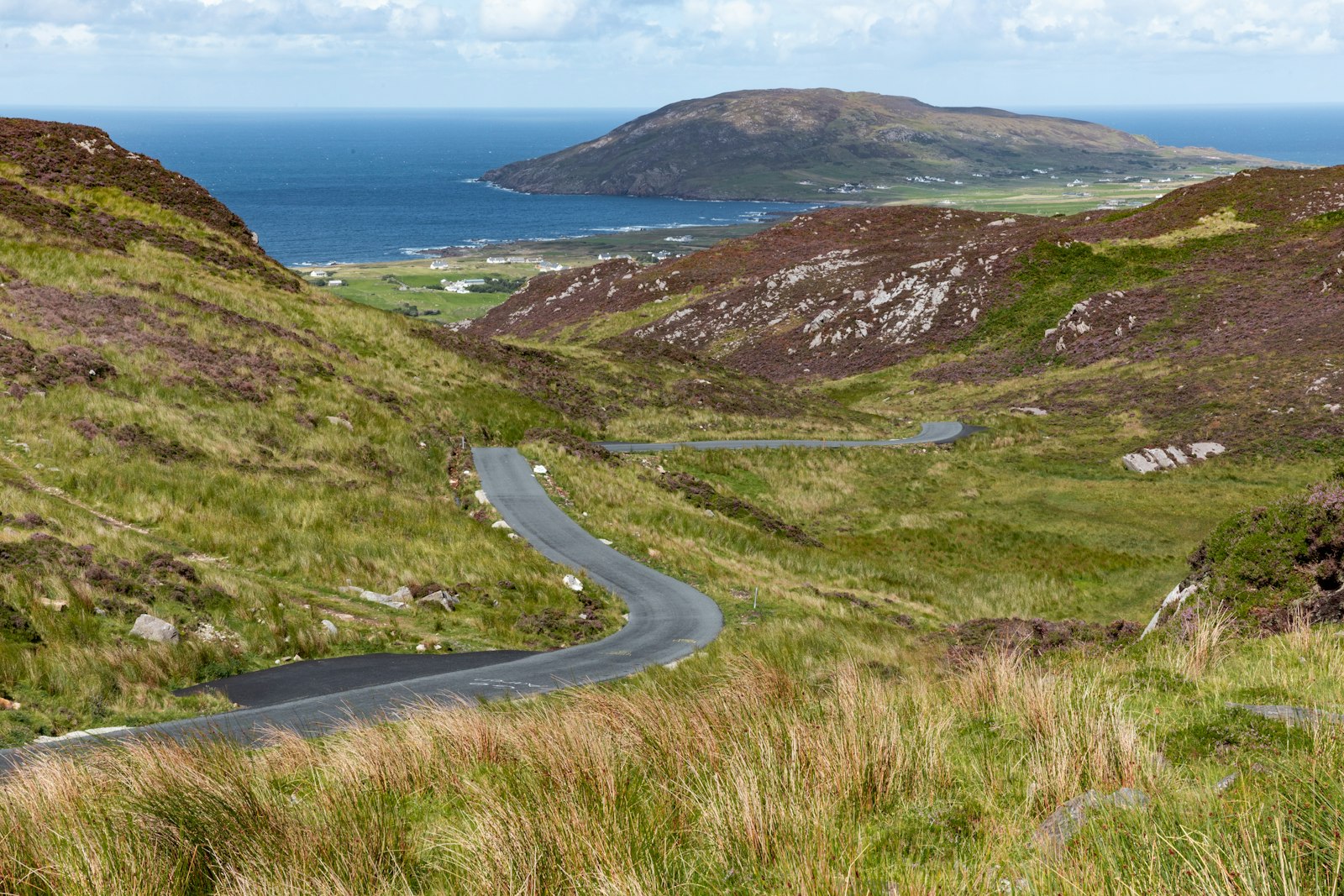
Photo by Brian Kelly on Unsplash
County Waterford, occupying Ireland’s southeastern corner, combines coastal beauty with industrial heritage and medieval urban development in ways that distinguish it from better-known Irish destinations. The county’s identity emerges from its diversity—rugged beaches where Atlantic swells create dramatic seascapes, inland mining heritage revealing industrial archaeology, medieval towns that shaped Irish history, and pastoral countryside that rewards exploration.
For American travelers seeking Irish destinations beyond the well-trodden tourist paths, Waterford offers remarkable depth. The county receives substantially fewer international visitors than western coastal regions or Dublin, meaning major attractions remain accessible without excessive crowds. The combination of natural beauty, historical significance, and genuine Irish village character makes Waterford an exceptional destination meriting more attention than it typically receives.
Understanding Waterford’s Geography and Historical Importance
County Waterford covers approximately 1,858 square kilometers stretching from Atlantic coastline eastward toward pastoral inland regions. The county’s population of approximately 113,000 concentrates in Waterford city and a few coastal towns, leaving substantial rural areas sparsely populated.
Waterford holds enormous historical importance in Irish narrative. The county experienced particularly intense Viking settlement—Waterford city was founded by Vikings and served as an important Viking settlement and trading post. The county’s medieval period witnessed substantial Anglo-Norman influence, evident in fortifications and urban development. This historical layering—Viking, Norman, and indigenous Irish influences—creates cultural complexity visible throughout the county.
The county divides naturally into three regions: the eastern coastal areas near Dunmore East and Waterford city, the central region containing mining heritage sites, and the western coastal areas featuring dramatic cliffs and beaches.
Waterford City: Medieval Port and Modern Vitality
Waterford city represents Ireland’s oldest European settlement, founded by Vikings in the mid-10th century. The city’s medieval street pattern, visible in modern urban layout, reflects Viking urban planning. Walking the city center, you traverse streets that have existed for over a thousand years—a historical continuity that transcends most American urban experiences.
Medieval Waterford
The city’s Medieval Museum documents Waterford’s Viking and Norman periods through artifacts, exhibitions, and interactive displays. The museum’s location within the former Bishop’s Palace emphasizes the integration of history with urban environment. Visiting the museum provides essential context for understanding Waterford’s historical significance.
The city walls, partially preserved, once defended the medieval settlement. Walking sections of these 13th-century fortifications, you sense the historical period when urban walls provided protection and defined community boundaries. The walls’ substantial height and thickness communicate medieval defensive priorities.
Reginald’s Tower, a circular stone tower built in 1003, represents Waterford’s most iconic medieval structure. This tower served as part of the original Viking fortifications and subsequently served various defensive and administrative purposes. Climbing the tower’s internal stairs and emerging onto the roof provides panoramic views of the modern city built upon and around medieval foundations.
Contemporary Waterford
Modern Waterford city extends well beyond its medieval core. The waterfront area has undergone substantial redevelopment, creating contemporary spaces while preserving historical elements. The Waterford Greenway, a walking and cycling path built on former railway infrastructure, provides connections between Waterford city and coastal villages.
The city supports a vibrant cultural scene with theaters, galleries, and museums. The Waterford Institute of Technology enriches the city with younger populations and cultural programming. Restaurants and pubs throughout the city offer quality dining and genuine Irish social environments.
Dunmore East: Working Fishing Village and Beach Town
Dunmore East, located approximately 15 kilometers south of Waterford city, combines working fishing port status with beach resort character. The harbor remains active with fishing boats—this isn’t a picturesque facade but a genuine working fishing community.
The village’s harbor provides excellent focal points for walks and photography. Early morning visits, when fishing boats depart and harbor activity peaks, offer opportunities to observe working practices continuing for generations. The Dunmore East Fishing Festival, held annually in July, celebrates this maritime heritage and draws visitors from throughout Ireland.
The village’s beaches, while smaller than some Irish coastal beaches, offer swimming and walking opportunities. The beach combines golden sand with dramatic cliff backdrops, creating visually compelling landscapes. Accommodation and dining throughout the village emphasize seafood, with restaurants serving catch literally departing the water hours earlier.
Coastal Exploration: Cliffs and Hidden Beaches
Western County Waterford contains dramatic coastal scenery less famous than western Irish cliffs but equally impressive. Dungarvan, a coastal town approximately 40 kilometers west of Waterford city, serves as a gateway to these coastal regions.
The coast near Dungarvan features dramatic cliff formations interspersed with hidden beaches and coves. Ardmore, further west, contains Ardmore Round Tower and Early Christian ecclesiastical ruins positioned dramatically on cliffs overlooking the Atlantic. The tower, approximately 30 meters tall and dating to the 8th or 9th century, represents exceptional preservation of these Early Christian structures.
Walking coastal paths near Ardmore provides experiences combining cultural history with natural beauty. The paths follow clifflines offering panoramic Atlantic views while passing archaeological sites and dramatic geology. Early morning or evening walks, when light is soft and crowds are minimal, create profoundly peaceful experiences.
Helvick Head, a dramatic headland, provides hiking opportunities and panoramic views across the Atlantic. The walk involves navigating coastal terrain and requires respect for cliff edges, but rewards patient hikers with exceptional landscape experiences.
Mining Heritage: Industrial Archaeology in Rural Settings
County Waterford’s inland regions contain significant mining heritage, particularly copper mining operations that operated during the 18th and 19th centuries. While these mines have closed, evidence of mining activity remains visible throughout the landscape.
The Knockmahon Copper Mines operated from the 1820s through early 20th century, fundamentally shaping the surrounding landscape. While the mines themselves are no longer accessible, the landscape bears evidence of mining activity—spoil heaps, processing facilities’ remains, and modified topography.
The Mining Heritage Centre, located in the village of Bonmahon, documents this industrial history through exhibits and interpretive materials. Visiting the center provides context for understanding the landscape’s industrial transformation and the lives of mining communities.
Walking routes through former mining areas reveal ecological recovery and industrial archaeological features. The landscape demonstrates nature’s capacity for recovery—what was dramatically altered by industrial activity has substantially revegetated, though evidence of human intervention remains apparent.
Inland Pastoral Beauty and Villages
Moving inland from the coast, County Waterford reveals pastoral countryside of considerable charm. Rolling hills, green fields divided by stone walls, small villages, and scattered farmhouses create quintessential Irish countryside imagery.
Lismore, located in the Blackwater River Valley, represents one of Ireland’s prettiest villages. Positioned on the river’s banks with mountains rising behind, the village combines picturesque setting with historical significance. Lismore Castle, built in 1185 and subsequently developed into a grand estate, dominates the village. The castle’s gardens, while operated privately, can be viewed from distances providing scenic appreciation.
The Blackwater River Valley itself rewards exploration. Driving valley roads, walking riverside paths, and visiting small villages throughout the region creates experiences of genuine Irish countryside. The river supports fishing, and numerous hotels and restaurants throughout the valley serve visitors interested in water-based recreation.
Cappoquin, another valley village, maintains strong traditional Irish character. The village’s pubs serve primarily locals, and traditional music sessions occur regularly. Visiting these establishments and experiencing village social life creates cultural connections unavailable through conventional tourism.
The Copper Coast and Beaches
The “Copper Coast”—the region between Dungarvan and Waterford city—features numerous beaches and dramatic coastal scenery created partially by the same geological processes that made copper mining viable.
Clonea Beach, near Dungarvan, stretches for approximately 5 kilometers of golden sand. The beach’s substantial size means solitude remains accessible even during busy periods. Clonea’s position on Dungarvan Bay creates calmer water conditions than beaches exposed to open Atlantic swells.
Stradbally Cove, further west, provides a smaller, more intimate beach setting. The cove, surrounded by dramatic cliffs, feels more sheltered and secluded than larger beaches. Accessing the beach involves navigating coastal terrain and descending through vegetation, but the reward consists of a genuine sense of discovery.
Mine Bay Beach, near Bonmahon, sits in landscape visibly shaped by mining heritage. The beach’s dark sand, colored by mineral content from former mining operations, creates distinctive visual character. Walking this beach, you traverse landscape fundamentally altered by human industrial activity yet remaining naturally beautiful.
Practical Information for Waterford Exploration
Getting There: Waterford city sits approximately 160 kilometers south of Dublin, 120 kilometers east of Cork, and 80 kilometers south of Kilkenny. Public transportation connects the city to major Irish destinations. Exploring coastal and inland regions fully requires a rental car.
Accommodation: Waterford city offers the widest accommodation selection ranging from budget hostels to luxury hotels. Smaller towns including Dunmore East, Dungarvan, and Lismore provide alternatives with often superior value and intimate character. Coastal villages contain guesthouses and bed-and-breakfasts. Peak season booking (July-August) requires advance reservations.
Dining: Waterford emphasizes seafood given its coastal character. Dunmore East and coastal villages offer particularly fresh fish and seafood preparations. Waterford city supports diverse dining options. Village pubs throughout the county offer food and traditional music sessions.
Language: English serves as the primary language throughout County Waterford. Standard Irish phrases remain appreciated, but communication poses minimal challenges.
Weather: Southeastern location provides generally moderate weather compared to western coastal regions. However, Atlantic influence ensures variability. Waterproof clothing and planning for weather changes remains wise.
Timing: May through September provides optimal weather and maximum facility availability. April-May and September-October offer shoulder season advantages of fewer crowds and lower prices. Winter visits involve reduced daylight hours and fewer facility hours.
Costs: Waterford remains less expensive than major tourist destinations. Accommodation and dining offer excellent value. Self-catering options and farmers markets provide budget alternatives.
Activities and Experiences
Coastal Walks: Numerous coastal paths provide walking opportunities with varying difficulty levels. The Waterford Greenway offers flat, accessible walking and cycling connections between villages.
Water Sports: The county’s coastal position supports fishing, surfing, and kayaking. Several facilities offer equipment rental and instruction.
Historical Exploration: Beyond major medieval sites, numerous castles, ecclesiastical ruins, and archaeological sites reward exploration. Walking tours led by local historians provide invaluable context.
Mining Heritage: Exploring former mining areas and visiting heritage centers provides insights into industrial history and landscape transformation.
Food and Drink: Exploring local restaurants, visiting farmers markets, and attending food festivals provides cultural immersion and culinary experiences.
Conclusion: Waterford’s Distinctive Appeal
County Waterford combines coastal beauty, medieval historical significance, and industrial heritage in ways that create unique Irish experiences. The county’s relative lack of international tourism popularity means that visitors encounter authentic Irish environments rather than commercialized tourist attractions.
Waterford city’s historical importance and vibrant contemporary culture provide urban exploration opportunities. Coastal regions offer natural beauty rivaling more famous Irish coastal destinations. Mining heritage sites provide industrial archaeological experiences available nowhere else in Ireland. Inland villages maintain genuine Irish character and community life.
For American travelers seeking Irish experiences combining natural beauty, historical depth, and authentic culture without excessive tourism infrastructure, County Waterford merits serious consideration. The county rewards exploration thoroughly, offering experiences that substantially exceed its modest international profile.

Author: jonathan
Jonathan is the publisher of Irishtopia.net, Anglotopia.net, and Londontopia.net. He's passionate about travel and learning about other cultures. He's been to Ireland several times, and uses his travel expertise for Irishtopia!