
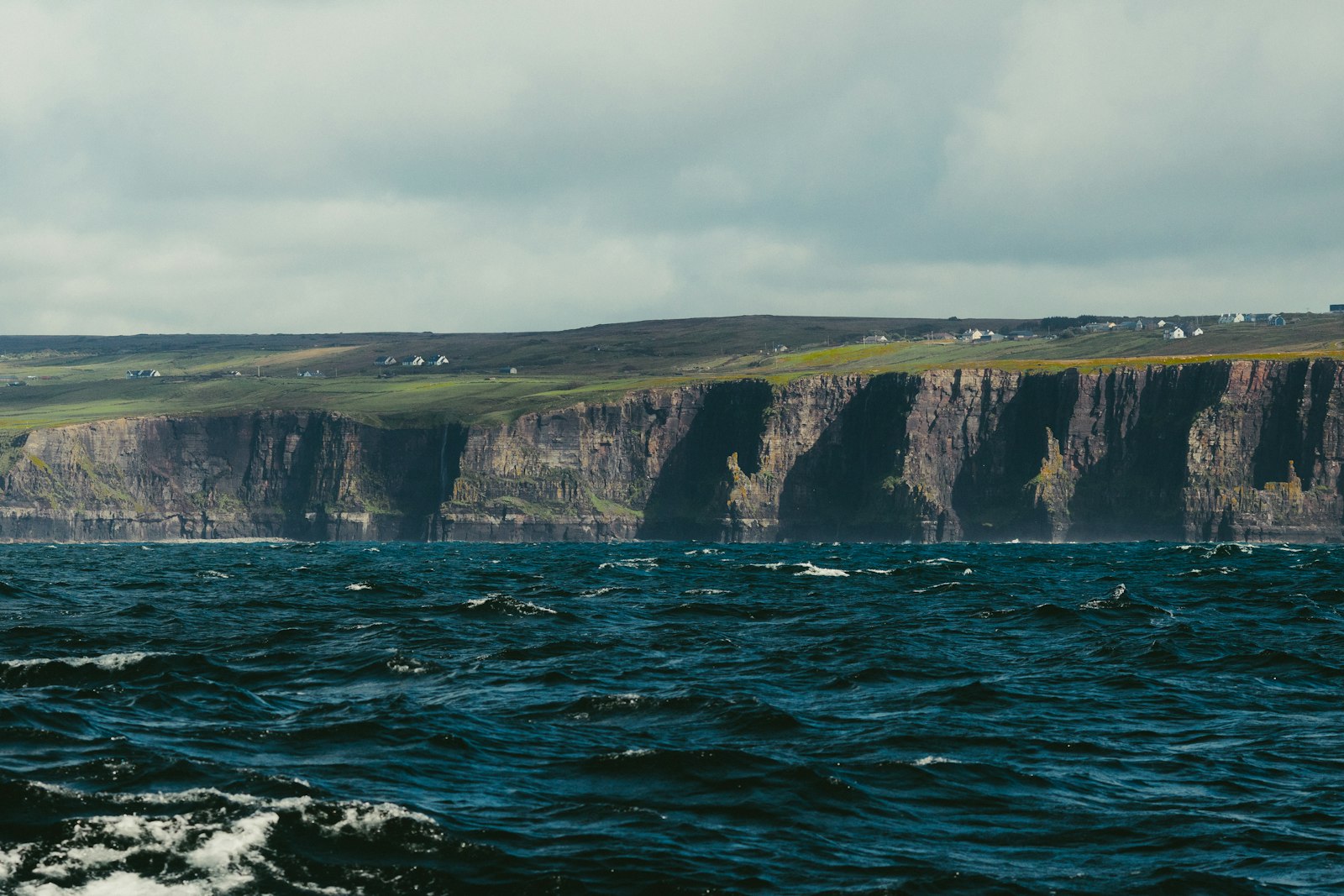
Photo by Jonathan Borba on Unsplash
County Donegal occupies Ireland’s northwestern corner—a place where the Atlantic Ocean asserts dominance over the landscape with primal force. Characterized by dramatic cliffs that rise hundreds of meters from churning waters, wide sandy beaches where dunes stretch across vast emptiness, and mountains that shoulder into moody skies, Donegal represents Ireland at its wildest and most uncompromising. For travelers seeking landscapes that humble through their grandeur and communities that maintain genuine character, Donegal rewards the effort required to reach its remote corners.
What distinguishes Donegal from other Irish coastal destinations isn’t merely scenic beauty—though that certainly exists in abundance. It’s the sense that you’ve reached somewhere genuinely remote, where the Atlantic’s power feels visceral and the landscape’s moods shift with weather systems moving across open ocean. Donegal represents frontier Ireland in ways softened elsewhere through tourism development and commercialization.
Understanding Donegal’s Landscape and Character
County Donegal covers approximately 1,874 square kilometers of terrain that varies dramatically across short distances. The county’s eastern sections feature rolling farmland and pastoral landscapes. Moving westward, terrain becomes increasingly mountainous and rugged. The coastline, once reached, presents a succession of dramatic cliff formations interspersed with hidden beaches and peninsulas extending into Atlantic waters.
The county’s population of approximately 159,000 concentrates in towns like Letterkenny and Donegal town, leaving vast rural regions sparsely populated. This demographic distribution creates opportunities for genuine remoteness—you can drive coastal roads for kilometers encountering only isolated cottages and wild landscape.
Donegal’s cultural identity remains distinctly Irish. The county boasts one of Ireland’s largest Gaeltacht regions where Irish remains the primary community language. This linguistic reality influences everything from signage to pub conversations, creating an environment where visitors encounter genuinely living Irish culture rather than heritage tourism.
The Donegal Peninsula: Wind, Cliffs, and Atlantic Fury
The Donegal Peninsula extends westward from the town of Donegal, rising to form Donegal Head with its dramatic cliffs and wild coastline. This is where Donegal reveals its most spectacular nature—landscape reduced to essential elements of rock, water, and sky.
Slieve League represents Donegal’s most famous cliff formation and arguably one of Ireland’s most impressive natural wonders. Reaching approximately 600 meters in height, Slieve League claims status as Europe’s highest sea cliffs—higher than even the famous cliffs of Moher in County Clare. The cliffs rise so dramatically from Atlantic waters that their height impresses even from significant distance. Approaching by boat, the cliffs’ scale becomes almost incomprehensible—the vertical rise dwarfs observer perspective.
Viewing Slieve League from the water offers perspectives unavailable from land. Boat tours departing from Teelin provide close approaches that reveal the cliff faces’ geological drama—layers of rock in varying colors, erosion patterns created by millennia of Atlantic assault, and bird populations that make the cliffs their home. On clear days, visibility extends across Atlantic waters toward Scottish islands, emphasizing the raw edges of European geography.
Walking to the cliff tops provides alternative perspectives. The path to Slieve League’s summit begins in the village of Carrick and climbs steadily through moorland before approaching the cliff edge. The final approach crosses terrain so exposed and windswept that walking becomes athletic endeavor. Reaching the cliff top produces disproportionate emotions—the sheer drop, the ceaseless wind, the Atlantic’s immensity create experiences that recalibrate perspective regarding human smallness.
The Eagle’s Screen, a natural arch formation along the Slieve League coast, presents another dramatic feature. This natural rock formation, accessible to experienced walkers via challenging cliff-edge paths, offers photographic opportunities and evidence of geological processes that continue reshaping Donegal’s coastline.
Westward to Glencolumbkille and the Peninsulas
Glencolumbkille (Gleann Chholm Chille—Valley of Saint Columba), nestled in a valley surrounded by mountains, represents one of Ireland’s most remote inhabited places. The village sits at a valley’s terminus where mountains rise dramatically on three sides. This natural fortress, combined with the valley’s association with Saint Columba, created a landscape that spiritual communities found profoundly significant.
The Glencolumbkille Folk Village preserves traditional Irish housing, crafts, and daily life. Rather than sterile museum exhibits, the village offers genuinely lived experiences—cottages demonstrate how Irish families inhabited these structures, craft studios show traditional skills in practice, and the overall environment communicates cultural history through immersion rather than interpretation.
Walking the Slieve Tooey mountain trail from Glencolumbkille provides panoramic views encompassing the valley, surrounding mountains, and the Atlantic coast beyond. This moderate hiking route, approximately 8 kilometers, offers opportunities to experience Donegal’s highland landscape without requiring technical climbing.
The narrow road from Glencolumbkille continues westward toward Fintra, a tiny coastal settlement. This drive traverses some of Donegal’s remotest terrain—mountains rising on either side, occasional cottages scattered on hillsides, and the sense of driving toward territory’s edge. Fintra beach, when reached, reveals wide golden sand backed by dramatic cliffs, offering surfing and swimming in an environment feeling genuinely isolated.
Ardara, south of Glencolumbkille, maintains significance as a traditional weaving center. Several mills continue producing Donegal tweed using traditional methods and materials. Visiting these working mills provides opportunities to observe craftspeople creating textiles that’ve been Donegal’s signature product for centuries. Purchase direct from mills offers significant savings compared to retail establishments while supporting artisan livelihoods.
The Peninsula Loop: Exploring Donegal’s Western Edge
The drive from Donegal town through Glencolumbkille and westward to Ardara creates one of Ireland’s most scenic loops. This route, approximately 100 kilometers of winding mountain and coastal roads, encompasses dramatic cliffs, remote villages, archaeological sites, and landscapes transforming hourly with weather changes.
Beginning at Donegal town, the drive follows the R263 northwest through increasingly dramatic terrain. The mountain landscape becomes apparent quickly, with roads climbing through passes offering expanded views across valleys and coastal regions. Small villages—Barnesmore, Ardara—appear suddenly from the landscape before the road continues through sparsely populated terrain.
The R250 from Ardara continues northwest toward the Gwedore Peninsula. This drive passes through the Gaeltacht region where Irish dominates signage and conversation. The landscape here becomes increasingly rugged—mountains drop more steeply, valleys narrow more tightly, and vegetation becomes sparser as the Atlantic’s influence increases.
Derryveagh Mountains dominate the view from the road between Ardara and Gwedore. These mountains, rising to heights exceeding 700 meters, create dramatic backdrops. During clear conditions, light transforms the mountains constantly—morning shadows create definition in terrain, midday brightness flattens perspective, and evening light bathes mountains in amber warmth.
Beaches: From Sandy Wideness to Dramatic Curves
Donegal’s beaches vary dramatically in character, each reflecting local geography and Atlantic conditions. These aren’t genteel seaside resorts—they’re beaches shaped by ocean power, backed by dramatic landscape, and accessible only to those willing to navigate rural roads.
Naran Beach extends approximately 5 kilometers of wide golden sand. The beach, exposed to Atlantic swells, offers consistent conditions for surfing and body surfing. Summer visitors swim in designated areas patrolled by lifeguards, but the beach’s substantial size means solitude remains accessible beyond busy swimming areas. The dune system backing the beach supports unique vegetation adapted to coastal conditions.
Rosbeg Beach, smaller and more sheltered than Naran, occupies a dramatic curve between rocky headlands. The beach’s intimacy, combined with its natural beauty, makes it a destination for those seeking quieter experiences. Approaching from the road, you descend through coastal vegetation to reach sand—the sense of discovery creates magical first arrivals.
Annagry Beach, on the Gwedore Peninsula, presents perhaps the most dramatic beach setting. Mountains rise steeply from the beach at one end, creating a composition suggesting theatrical design. The beach, smaller than others, remains relatively undiscovered by tourists despite its exceptional beauty.
Donegal Bay Beaches on the peninsula’s eastern side offer alternative experiences. These beaches, facing inland toward Donegal Bay rather than the open Atlantic, receive calmer waters and different light qualities. Magheraroarty Beach, in particular, offers views toward the Rosses peninsula and across to Tory Island.
Tory Island: Genuinely Remote Island Experience
Accessible only by ferry from Magheraroarty Beach, Tory Island represents Irish remoteness at its purest. This small island, located approximately 12 kilometers offshore, maintains a year-round population of roughly 200 residents. Ferry crossings, operating only in favorable weather conditions, limit daily visitor numbers substantially.
The island presents itself as distinctly separate from mainland Ireland. The landscape—rocky, windswept, and dramatically exposed—takes on character intensified by isolation. The island’s two villages, West Town and East Town, occupy opposite ends, separated by central moorland. This unusual settlement pattern developed because island families traditionally divided land equally among all children, creating dispersed housing patterns when consolidated farms became impossible.
Tory Island’s cultural significance extends beyond its physical remoteness. The island represents one of Ireland’s strongest Irish-speaking communities. Tory Islanders maintained a legendary resentment toward mainlanders, historically refusing to sell land to outsiders and developing culture distinctly their own. This separatism created an island community maintaining cultural practices and languages more purely than mainland areas.
Archaeological sites on Tory include the Round Tower, standing approximately 14 meters high and dating to the Early Christian period. This tower, deteriorated but still impressive, speaks to ancient monastic significance. The island also contains numerous early Christian stone crosses and ecclesiastical sites, though many remain difficult to locate without local knowledge.
The island’s artistic community merits attention. Several artists and craftspeople reside on Tory, creating work often influenced by island landscape and isolation. Studios occasionally open for visits, though this remains informal—advance inquiry in island pubs reveals visiting possibilities.
Ferries to Tory operate from Magheraroarty Beach with seasonal schedules dependent on weather. The crossing, lasting approximately 15 minutes in favorable conditions, can be dramatically more challenging in rough seas. Those prone to seasickness should prepare accordingly, as Atlantic waters can be substantial even when weather technically permits crossings.
The Atlantic Drive: Scenic Coastal Route
The Atlantic Drive, circling the Rosses peninsula, provides perhaps Donegal’s most accessible dramatic scenery. This approximately 25-kilometer route winds through landscape where mountains meet Atlantic cliffs, small villages nestle in protected valleys, and the landscape feels simultaneously wild and inhabited.
The drive follows narrow roads—locals recommend counterclockwise direction to manage traffic flow on tightest sections. The route passes through Dungloe, Ardara, and numerous smaller communities, each adding cultural depth to the scenic experience.
Particularly dramatic sections include the Donegal Gaeltacht stretches where Irish signage dominates and traditional culture remains visibly alive. Driving these roads, you sense that tourism hasn’t fundamentally altered community life—you’re passing through places where people work, raise families, and maintain cultural practices because they hold meaning rather than tourist appeal.
Glenveagh National Park: Mountains, Lakes, and Castle Gardens
While technically located inland from Donegal’s wildest coast, Glenveagh National Park merits inclusion in any Donegal exploration. This 24,000-hectare park encompasses the spectacular Derryveagh Mountains, Lough Veagh, Glenveagh Castle, and surrounding landscape.
The park’s primary attraction is Glenveagh Castle, built in 1870 on the shores of Lough Veagh. This Gothic Revival castle, surrounded by dramatic mountains, underwent restoration that revealed extensive original furnishings and decorations. Touring the castle provides insights into Victorian life and architectural history while the surrounding grounds offer walking opportunities with exceptional views.
The gardens surrounding Glenveagh Castle deserve particular attention. These formal gardens, developed over decades, employ landscape design creating spaces of profound beauty. Walking through gardens transitioning from formal areas toward wild landscape demonstrates sophisticated understanding of design principles.
The visitor center provides context for understanding the park’s ecology, geology, and cultural history. Red deer roam the park freely, occasionally visible from roads and walking trails. The park’s established hiking trails range from gentle nature walks to challenging mountain routes, accommodating various fitness levels.
Practical Considerations for Donegal Exploration
Transportation: County Donegal is large and sparsely served by public transportation. Exploring coastal areas and remote regions requires a rental car. Roads, while sometimes narrow and winding, remain well-maintained. Driving is on the left side—American visitors should allow adjustment time. Downloading offline maps is essential as cellular coverage becomes spotty in remote areas.
Accommodation: Donegal town serves as the county’s primary commercial hub and offers the widest accommodation range. Ardara provides quieter alternatives while remaining centrally positioned for peninsula exploration. Small villages throughout Donegal contain guesthouses and bed-and-breakfasts offering intimate experiences. Booking in advance is essential, particularly July and August.
Language: Large sections of County Donegal fall within official Gaeltacht regions where Irish is the primary language. English serves for general communication, but signage appears primarily in Irish. Learning basic Irish phrases shows cultural respect and often improves local interactions.
Weather: Atlantic location ensures highly variable weather. Visitors should prepare for sudden changes from brilliant sunshine to rain and mist. Wind represents a constant factor—exposed locations like cliffs can present significant challenge. These weather shifts, while presenting challenges, enhance landscape drama significantly.
Timing: May through September provides optimal weather and maximum facility availability. Shoulder seasons (April-May, September-October) offer advantages of fewer crowds and lower prices. Winter visits are possible but require acceptance of short daylight hours and frequently severe weather.
Costs: Donegal remains notably less expensive than major tourist destinations. Accommodation and dining costs remain reasonable, and self-catering options proliferate throughout the county.
Safety: Coastal walks, particularly near cliffs, require respect for Atlantic conditions. Weather can deteriorate rapidly, and cliff edges present genuine hazards. Never venture beyond marked trails near cliff edges, particularly in wind or fog.
Activities and Experiences in Donegal
Hiking and Walking: Donegal offers exceptional hiking opportunities from short coastal walks to challenging mountain routes. The Dingle Way traverse and Poisoned Glen walk near Glenveagh provide excellent options.
Photography: Donegal’s dramatic landscape rewards photography. Changing light and weather conditions create exceptional photographic opportunities throughout the day.
Surfing: Several beaches support surfing with consistent Atlantic swells. Lessons and equipment rental are available at main beach destinations.
Cultural Immersion: Attending traditional music sessions in village pubs, visiting craft studios and weaving mills, and staying in family-run accommodations creates genuine cultural connections.
Island Exploration: Beyond Tory Island, day trips to other islands provide alternative perspectives on Donegal geography and community life.
Conclusion: Donegal’s Primal Appeal
County Donegal represents Ireland at its most dramatically untamed. The landscape here makes no concessions to comfortable tourism—cliffs rise with primal authority, beaches stretch across empty vastness, and the Atlantic’s power seems almost sentient. Yet within this dramatic natural setting, communities persist, maintaining cultural practices and languages in ways less diluted by commercial tourism than many Irish regions.
Visiting Donegal requires willingness to embrace weather variability, navigate narrow roads, and accept that some attractions remain difficult to access. Those who make this effort find rewards exceeding their efforts—landscape that transforms perspective, communities maintaining genuine character, and experiences that prove genuinely rare in modern tourism.
Donegal teaches visitors that Ireland’s appeal transcends charming villages and literary references. At its core, Ireland’s attraction rests on landscape—raw, powerful, and ultimately humbling. Donegal delivers this lesson with particular force and eloquence.

Author: jonathan
Jonathan is the publisher of Irishtopia.net, Anglotopia.net, and Londontopia.net. He's passionate about travel and learning about other cultures. He's been to Ireland several times, and uses his travel expertise for Irishtopia!