
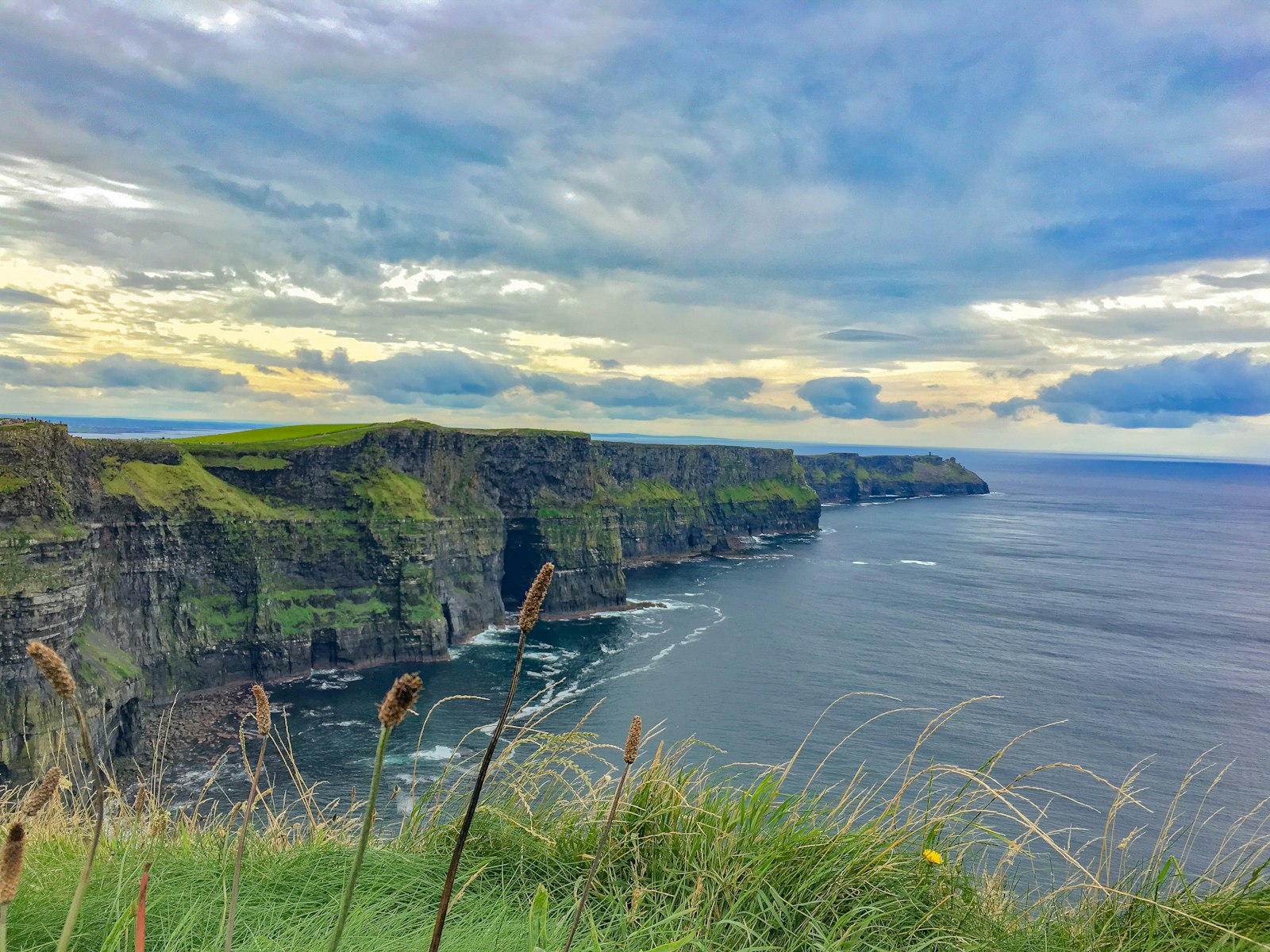
Photo by Leighton Smith on Unsplash
Fionn mac Cumhaill stands as one of the greatest heroes of Irish mythology and legend. The leader of the Fianna—a band of warriors sworn to protect Ireland and its High King—Fionn embodies the ideals of Irish heroic culture: courage, wisdom, loyalty, and martial prowess combined with supernatural powers and magical abilities. Yet unlike some other Irish mythological heroes, Fionn is not presented as a god or divine being. Rather, he is a human hero who achieves greatness through combination of natural ability, training, and wisdom gained from sources beyond ordinary human understanding.
Fionn’s story is one of overcoming adversity and establishing identity despite uncertain origins. Born under difficult circumstances and raised in hiding, Fionn achieves prominence through combination of martial skill, political intelligence, and connection to the wisdom of the natural world. His career spans numerous adventures, romantic entanglements, and conflicts, creating a vast body of legendary material that has influenced Irish culture across centuries.
The Birth and Early Life of Fionn
Fionn’s origins are tragic and complicated. His father, Cumhal, was a warrior defeated in battle by Goll mac Morna. Cumhal was killed, and his wife, pregnant with Fionn, feared for her unborn child’s life. To protect her son, she fled into hiding in the forests and mountains, eventually giving birth to Fionn in secret, away from human society.
Fionn spent his childhood raised by two women—his mother and another woman named Bodhmall—in the wilderness of Ireland’s mountainous regions. This childhood in wild places, removed from human civilization, shaped Fionn’s character and connection to nature. He learned the language of animals, understood the ways of forest and mountain, and developed intimate knowledge of the Irish landscape.
This marginal childhood, though it left Fionn without formal training or education in warrior culture, provided him with something equally valuable: connection to the natural world and understanding of the wild forces that those raised in civilization often lack. When Fionn eventually left his childhood refuge and entered human society, he carried with him this unique wisdom.
The Salmon of Knowledge and Gaining Wisdom
A pivotal moment in Fionn’s development comes through his encounter with the Salmon of Knowledge. As discussed in another article, Fionn meets the poet and sage Finnegas, who is trying to catch the legendary Salmon of Knowledge that contains all the world’s wisdom. When Finnegas finally catches the salmon and cooks it, he gives it to the young Fionn to eat, apparently to test the boy.
When Fionn consumes the salmon, he gains access to all the wisdom it contains. In some versions, Fionn absorbs the salmon’s knowledge directly. In others, he must place his thumb in his mouth to access the wisdom when he needs it—the thumb becomes a source of knowledge he can access through touch. Either way, the salmon grants Fionn access to wisdom beyond ordinary human understanding.
This moment transforms Fionn from a clever boy into a being of extraordinary insight and understanding. The wisdom he gains makes him capable of leading warriors, making just judgments, and understanding truths hidden from ordinary people. The salmon’s knowledge remains central to Fionn’s character throughout his career.
Fionn as a Warrior and Leader
Having gained wisdom and knowledge through the salmon, Fionn enters human society as a young man. He begins his warrior career in the service of the High King. His martial prowess is extraordinary—he is depicted as a fighter of unprecedented skill and strength. Yet his wisdom makes him more than just a warrior of great physical ability.
Fionn gradually gains prominence and eventually becomes the leader of the Fianna, a military force sworn to protect Ireland and the High King. The Fianna were described as elite warriors selected for their skill and loyalty. They protected the kingdom, pursued justice, and engaged in adventures and quests. As leader of the Fianna, Fionn commands respect and authority, effectively wielding power second only to the High King himself.
Fionn’s leadership of the Fianna creates tensions and challenges. Some resent his authority. Goll mac Morna, the man who killed Fionn’s father, remains a rival and sometimes an ally, depending on circumstances. These internal conflicts within the Fianna provide material for many stories and adventures.
The Adventures of Fionn and the Fianna
The legends of Fionn and the Fianna encompass numerous adventures and quests. These stories, collected in cycles known as the Fenian cycle, form one of the major bodies of Irish legendary material. The adventures include battles against supernatural enemies, quests for magical objects, encounters with divine and otherworldly beings, and romantic entanglements.
Fionn encounters otherworldly women who fall in love with him or with his warriors. He battles giants and monsters. He journeys to supernatural realms and returns. He makes alliances with gods and divine beings. These adventures often result in Fionn acquiring magical objects or knowledge that increases his power and prestige.
One famous adventure involves Fionn’s encounter with a magical woman from the otherworld. Another involves his quest for a magical cauldron. Yet another involves his combat with a mysterious warrior who appears and challenges him. These adventures demonstrate Fionn’s willingness to venture into dangerous and supernatural realms and his capacity to overcome the challenges he encounters.
Fionn and Romantic Love
Despite his warrior prowess and leadership abilities, Fionn is also depicted as subject to love and desire. He falls in love with various women throughout his career. One famous love involves Sadb, a magical woman from the otherworld who takes the form of a young deer and is captured by Fionn.
Fionn’s union with Sadb produces a son, Oisín, who becomes one of the most famous figures in Irish mythology and legend. Oisín inherits his father’s warrior skills and his otherworldly heritage through his mother. Oisín’s adventures and romantic entanglements carry forward the Fenian cycle into new generations.
These romantic episodes demonstrate that Fionn, for all his warrior strength and wisdom, is fully human in his capacity for love and desire. His romantic entanglements often have tragic elements—his lovers are sometimes taken from him, sometimes belong to the otherworld, sometimes involve him in conflicts.
Fionn’s Relationship to the Otherworld
Throughout the Fionn legends, the boundary between the ordinary world and the supernatural otherworld remains permeable. Fionn frequently encounters beings from the otherworld—magical women, gods, giants, and supernatural creatures. He has allies and relatives in the otherworld. His travels sometimes take him to supernatural realms and dimensions.
This fluid relationship with the otherworld distinguishes Fionn from purely mortal heroes. He operates effectively in both the ordinary human world and in supernatural realms. His wisdom from the Salmon of Knowledge allows him to understand and navigate supernatural realities that would be opaque to ordinary humans.
Yet Fionn is not himself divine or otherworldly. He is human in fundamental ways—capable of love, vulnerable to mortality, subject to doubt and limitation. His capacity to navigate supernatural realms emerges from his wisdom and his connection to the natural world rather than from divine nature.
The Death of Fionn
The various legends present different accounts of Fionn’s death. In some versions, Fionn dies in battle, his invincibility finally overcome. In others, he is killed by rivals or supernatural enemies. Some versions suggest that Fionn enters the otherworld rather than dying in the ordinary sense, ensuring his ongoing existence in supernatural realms.
The ambiguity surrounding Fionn’s death reflects the legendary nature of his character. The greatest of heroes seems as if he should transcend ordinary mortality. Yet the legends acknowledge that even the greatest heroes are ultimately mortal and subject to fate.
Fionn in Later Culture and Literature
The legends of Fionn have influenced Irish culture and literature across centuries. Medieval Irish monks preserved Fionn’s stories in manuscripts. Irish poets drew on Fionn legends in their poetry. Modern Irish writers, including W.B. Yeats, incorporated Fionn themes into their work.
Fionn appears in modern Irish fantasy and popular culture. Contemporary authors have reimagined Fionn’s story in novels and stories addressing modern audiences. Fionn remains a figure of cultural importance and continued fascination.
Psychological and Symbolic Meanings
Beyond their literal narrative meaning, Fionn’s stories carry psychological and symbolic significance. Fionn’s journey from marginal, hidden childhood to prominent leadership might represent psychological development and the achievement of mature identity. His wisdom gained from the Salmon of Knowledge represents access to deeper understanding and intuition.
Fionn’s capacity to navigate both ordinary and supernatural worlds might represent integration of conscious and unconscious dimensions of the psyche. His wisdom combines intellectual knowledge with intuitive understanding gained from connection to nature and the natural world.
Fionn as Cultural Hero
In Irish culture, Fionn represents certain cultural ideals and values. He embodies the warrior ethic—courage, loyalty, martial prowess. He embodies wisdom and understanding. He embodies Irish connection to landscape and nature. He represents the achievement of power and prominence through combination of innate ability, training, and wisdom.
Fionn’s status as a cultural hero reflects Irish values regarding heroism. Unlike purely violent warriors, Fionn combines martial skill with wisdom, judgment, and understanding. Unlike purely intellectual figures, Fionn demonstrates physical courage and martial excellence. His completeness as a hero reflects Irish cultural understanding of what heroism encompasses.
Conclusion: The Enduring Legend of Fionn
Fionn mac Cumhaill remains one of the greatest heroes of Irish mythology and legend. His story of overcoming adversity, gaining wisdom, achieving leadership, and navigating extraordinary challenges continues to resonate with readers across cultures and generations. Fionn demonstrates the possibility of transformation through wisdom and dedication, the importance of connection to nature and natural wisdom, and the capacity of individuals to achieve greatness through combination of ability, training, and understanding.
For Americans interested in Irish mythology, Fionn offers an example of Irish heroic ideals and values. His story demonstrates how Irish culture understood heroism and greatness, how they valued wisdom alongside martial prowess, and how they imagined the relationship between humans and the supernatural otherworld. Understanding Fionn provides insight into Irish culture and the enduring power of legendary and mythological narratives to inspire and fascinate readers across time.

Author: jonathan
Jonathan is the publisher of Irishtopia.net, Anglotopia.net, and Londontopia.net. He's passionate about travel and learning about other cultures. He's been to Ireland several times, and uses his travel expertise for Irishtopia!