
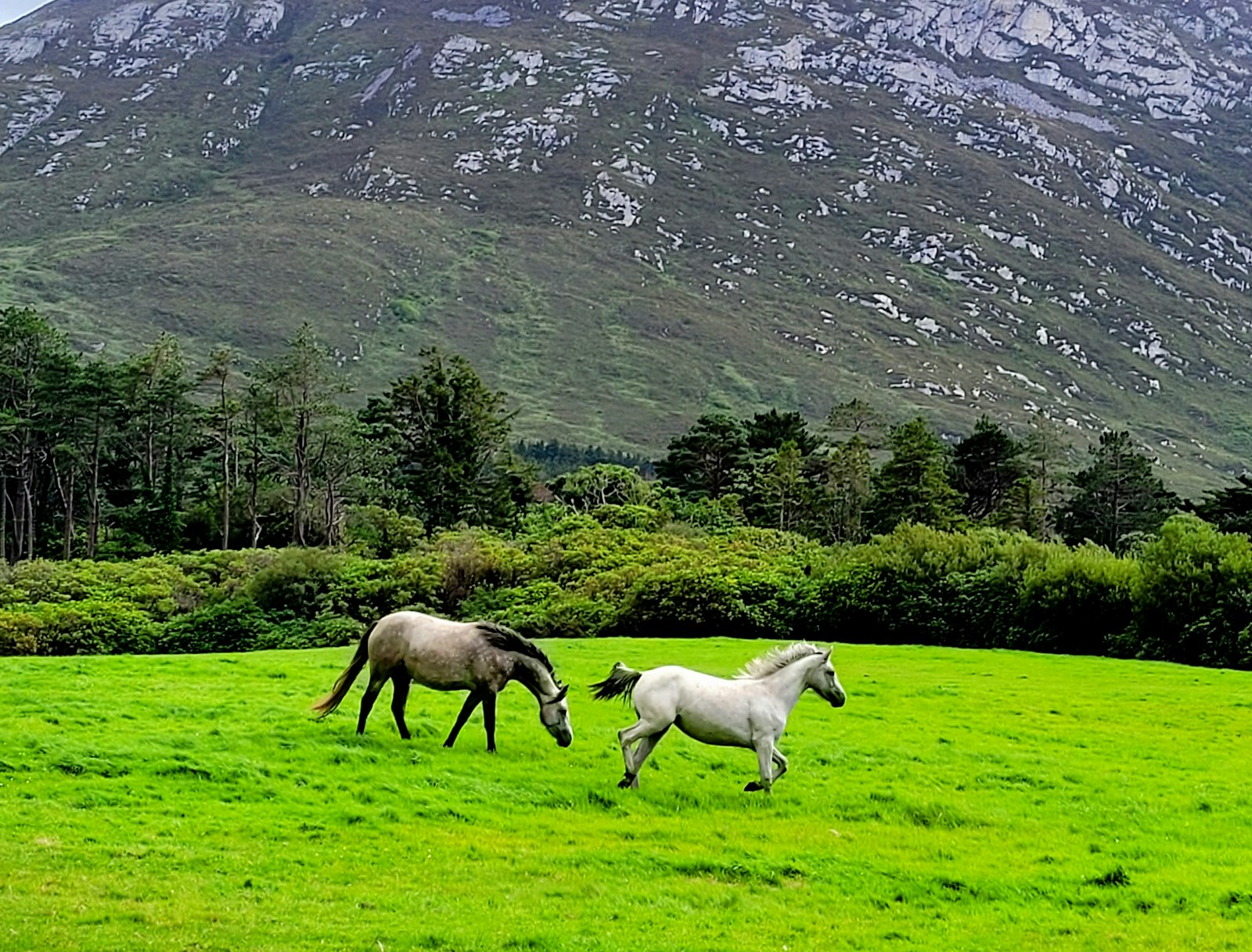
Photo by Melissa De Yoe on Unsplash
Ireland’s landscape—undeveloped coastlines, ancient forests, wild hedgerows, and untamed countryside—is an edible treasure trove for those who know where to look. Foraging in Ireland connects you directly to the land, provides fresh food, and offers a uniquely Irish experience of living closer to nature. From coastal seaweed to forest mushrooms, Irish hedgerows yield abundant wild foods throughout the year.
This guide explains safe foraging practices, identifies common Irish wild foods, and provides resources for learning to forage responsibly.
Irish Foraging Traditions and Culture
Historical Context
Irish people have foraged for millennia. Seaweed, shellfish, wild mushrooms, berries, and herbs sustained populations before agriculture. This heritage runs deep in Irish culture—many Irish families still forage seasonally.
In recent years, foraging has resurged as a culinary and cultural practice. High-end Irish restaurants feature foraged ingredients. Food bloggers and foraging experts celebrate Irish wild foods. This renewed interest honors traditional practices while embracing modern appreciation.
Why Forage in Ireland?
Abundance: Ireland’s mild climate and abundant rainfall create ideal conditions for wild edible growth. The countryside is genuinely abundant.
Accessibility: Ireland’s public rights of way and private landowner traditions make foraging relatively easy (with permission).
Sustainability: Harvesting wild foods reduces reliance on commercial agriculture, connects you to your food sources, and is environmentally responsible.
Quality: Wild foods often taste superior to commercially grown equivalents—fuller flavors, more nutritional density.
Community: Irish foraging communities are welcoming and passionate about sharing knowledge.
Safety First: Essential Principles
Permission and Legal Considerations
Private land: Always ask landowner permission before foraging. Most Irish landowners are welcoming if approached respectfully.
Designated protected areas: National parks and nature reserves have foraging restrictions. Check local regulations.
Sustainable harvesting: Never strip an area—take only what you need, leave roots intact to allow regeneration.
Endangered species: Some Irish plants are protected. Know which species cannot be harvested.
Identification
Misidentifying wild plants can result in poisoning. Never consume foraged food unless you’re absolutely certain of its identification.
Solutions:
- Use reliable field guides (listed below)
- Download identification apps with image recognition
- Join foraging groups where experienced foragers teach identification
- Start with easily identifiable species (nettles, seaweed, dandelions)
Common Poisonous Plants to Avoid
Hemlock: Tall plant with white flowers and hollow stems. Deadly. Never harvest without expert guidance.
Foxglove: Beautiful purple flowers, highly toxic.
Deadly nightshade: Rare in Ireland but dangerous. Has black berries and dark leaves.
Fool’s parsley: Looks similar to wild carrot but is toxic.
Giant hogweed: Causes severe skin irritation and burns. Avoid entirely.
When starting foraging, learn poisonous plants first so you know what to avoid.
Testing and Preparation
Allergic reactions: Some people react adversely to wild foods. Try small quantities first.
Cooking: Many wild foods require cooking to be safe or palatable. Research preparation before eating.
Cleaning: Wash foraged foods thoroughly. Avoid foraging near roads (vehicle exhaust deposits toxins) or industrial areas.
Common Irish Wild Edibles by Season
Spring (March-May)
Nettles: Young nettle tops (before flowering) make excellent soup and tea. Cooking eliminates stinging properties. High in minerals and nutrition.
Wild garlic (Ramsons): Pungent garlic-flavored leaves, a spring delicacy. Use in soups, pestos, and dishes.
Sorrel: Lemony-flavored leaves, excellent raw or cooked.
Watercress: Peppery aquatic plant, thrives in Irish streams. Delicious in salads and soups.
Dandelion greens: Young leaves are less bitter, edible raw or cooked. Roots are used for tea.
Primrose flowers: Mild flavor, pretty garnish, edible petals.
Chickweed: Delicate green, mild flavor, good raw in salads.
Summer (June-August)
Strawberries, raspberries, blackberries: Wild berries abundant in summer. Pick carefully (thorns!) and clean thoroughly.
Elderflowers: Fragrant white flowers used for cordials, syrups, and baking. Bloom June-early July.
Gooseberries: Tart berries, excellent for cooking and preserves.
Sea purslane: Fleshy coastal plant with salty flavor, good in salads.
Samphire: Coastal plant resembling tiny pickles, crunchy and salty, excellent with seafood.
Autumn (September-November)
Mushrooms: Autumn is peak mushroom season. Common edible varieties: field mushrooms, oyster mushrooms (on dead wood), chicken of the woods. Extreme caution required—poisonous lookalikes abound. Don’t forage mushrooms without expert guidance.
Berries: Rowan berries, hawthorn berries (haws), sloe berries (for sloe gin), bilberries (blueberries).
Hazelnuts: Autumn harvest, delicious and nutritious.
Chestnuts: Less common but present in some Irish woodlands.
Winter (December-February)
Rosehips: Red berries from wild roses, high in vitamin C, excellent for tea.
Kale (wild): Harsh winter conditions actually improve flavor. Some wild kale variants are edible and nutritious.
Seaweed: Available year-round but winter harvesting is traditional. Best after storms when seaweed washes ashore.
Coastal Foraging: Seaweed and Shellfish
Edible Seaweeds
Kelp: Large brown seaweed, nutrient-rich, used for broths and stock.
Sea lettuce: Thin, delicate seaweed resembling lettuce, crispy texture, excellent raw or cooked.
Dulse: Red seaweed, nutritious, can be eaten raw, roasted, or cooked.
Nori: Used for sushi and Japanese cooking, edible variety present in Irish waters.
Bladderwrack: Common seaweed with air bladders, edible (though less flavorful than others).
Harvesting Seaweed Safely
Sustainable harvesting: Cut seaweed, don’t pull from rocks (allows regeneration).
Avoid pollution: Harvest from clean waters away from sewage outlets.
Cleaning: Rinse thoroughly with fresh water to remove salt.
Drying: Air-dry or oven-dry for storage. Dried seaweed keeps months.
Shellfish Foraging
Mussels: Available year-round on rocks in shallow water. Steam or boil. Avoid red tides (algal blooms produce toxins).
Oysters: Present in some Irish coastal areas. Eat raw or cooked.
Clams: Less common than mussels but present in some areas.
Winkles: Small spiral shells, boil and eat with pin. Traditional Irish food.
Safety: Shellfish concentrate pollutants. Avoid foraging near industrial areas or sewage. Check local warnings about red tide.
Forest and Woodland Foraging
Nuts and Seeds
Hazelnuts: Autumn harvest, abundant in Irish woodlands, delicious and nutritious.
Acorns: From oak trees, require extensive processing to remove tannins. Labor-intensive but viable.
Forest Mushrooms
Chicken of the woods: Orange/yellow shelf mushroom on dead oak. Mild, tender, excellent fried.
Oyster mushrooms: White mushrooms on dead wood. Delicate flavor, excellent in soups.
Field mushrooms: Grassland mushrooms resembling store-bought varieties. Extremely caution—poisonous lookalikes exist.
Boletes: Brown, fleshy mushrooms. Some species are excellent; some are toxic. Require expert identification.
Important Mushroom Safety
Never guess: If you’re not 100% certain of mushroom identification, don’t eat it. Poisoning can be fatal.
Join a club: Irish Mycological Society and local foraging groups organize mushroom forays with expert identification.
Expert verification: Bring questionable specimens to experts before consumption.
Cooking: Some edible mushrooms require thorough cooking. Research preparation.
Hedgerow and Field Foraging
Berries and Fruits
Blackberries: Late summer/early autumn, abundant, excellent raw or cooked.
Hawthorn berries (haws): May flowers precede autumn berries. Tart flavor, good for jellies and syrups.
Sloe berries: Dark blue berries from blackthorn, astringent raw, excellent for sloe gin.
Rowan berries: Bright red berries, tart, used for jellies and syrups.
Edible Flowers
Hawthorn flowers: May blossoms, mild flavor, edible garnish.
Elderflowers: White flower clusters, fragrant, used for cordials and cooking.
Clover flowers: Pink or white clover blossoms, mild flavor, edible raw or cooked.
Violets: Delicate flowers, mildly sweet, edible and pretty.
Nasturtiums: Orange or red flowers, peppery taste, excellent in salads.
Learning Resources and Foraging Communities
Books and Guides
“Food for Free” by Richard Mabey: Classic foraging guide covering plants throughout British Isles (including Ireland).
“Edible Seaweeds” by Prannie Rhatigan: Comprehensive guide to Irish seaweed harvesting and preparation.
“The Forager’s Guide to British and Irish Edible Plants” by various authors: Region-specific identification.
“Ireland’s Wild Flowers” field guides: Help with plant identification.
Apps and Online Resources
Seek by iNaturalist: Image recognition app helps identify plants and fungi.
Flora of Ireland: Comprehensive plant database with photos and descriptions.
Mushroom identification apps: Various apps help with mushroom ID (use cautiously; never rely entirely on app identification).
Organizations and Groups
Irish Foraging Association: Community organization promoting foraging knowledge and sustainable practices.
Mycological societies: Local chapters organize mushroom identification workshops.
Local foraging groups: Facebook groups organized by county; experienced foragers share knowledge.
Guided foraging tours: Professionals lead educational foraging walks throughout Ireland. Cost typically €20-€50 per person.
Ethical and Sustainable Foraging
The Forager’s Code
Environmental Considerations
Irish wild ecosystems are delicate. Foraging done responsibly actually benefits ecosystems (berry harvesting enables seed dispersal; sustainable plant harvesting encourages regeneration). Irresponsible foraging damages habitats.
Balance enthusiasm with restraint. Leave abundance for wildlife and future harvests.
Preserving Your Foraging
Drying and Storage
Air-drying: Hang-dry herbs and flowers in cool, dark, ventilated space.
Dehydrator: Accelerates drying, produces consistent results.
Freezing: Blanch greens, freeze in containers for winter use.
Fermentation: Preserve vegetables through lacto-fermentation.
Canning and preserving: Jellies, jams, and preserved foods extend foraging’s bounty through winter.
Conclusion: Connect With Ireland Through Foraging
Foraging in Ireland reconnects you with the land, provides fresh food, and honors Irish traditions. It’s sustainable, rewarding, and deeply satisfying.
Start with easily identifiable species (nettles, dandelions, seaweed). Join foraging groups to learn from experienced harvesters. Invest in reliable field guides. Respect sustainable practices and private property.
As you forage through Ireland’s seasons, you’ll discover landscapes with new eyes and develop intimate knowledge of your surroundings. The simple act of harvesting wild food becomes a profound connection to Ireland and its natural abundance.
Your Irish foraging journey begins now.

Author: jonathan
Jonathan is the publisher of Irishtopia.net, Anglotopia.net, and Londontopia.net. He's passionate about travel and learning about other cultures. He's been to Ireland several times, and uses his travel expertise for Irishtopia!