
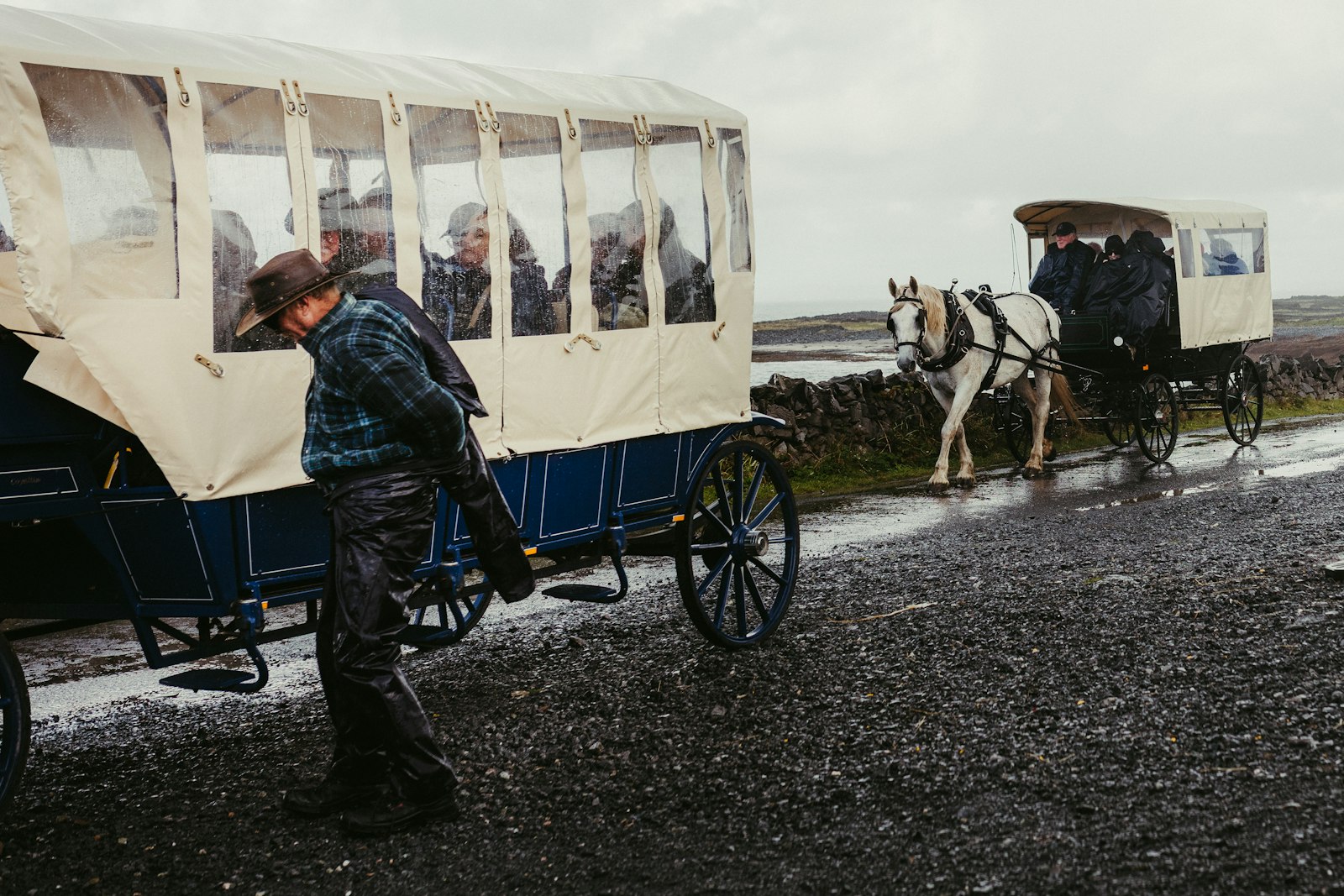
Photo by Jonathan Borba on Unsplash
Getting married in Ireland is a dreamlike prospect for many Americans. The country evokes romance—dramatic coastlines, historic castles, centuries-old churches, and warm Irish hospitality. Marrying in Ireland, whether you’re Irish-descent Americans returning to ancestral land or simply captivated by Irish romanticism, requires navigating Irish law, cultural traditions, and practical logistics. This guide explains the legal framework, traditional expectations, and practical steps for marrying in Ireland.
Legal Requirements for Marriage in Ireland
Age and Capacity
You must be at least 18 years old to marry in Ireland. Parental consent doesn’t substitute for this age requirement.
You must have capacity—meaning you’re mentally competent and not under duress. If you’ve been married before, your previous marriage must be dissolved (divorce finalized) or annulled.
Citizenship and Residency
Non-citizens can marry in Ireland. You don’t need Irish citizenship or residency to marry there. However, you must comply with Irish law requirements and provide specific documentation.
If you’re an American marrying another American in Ireland, you can do so using US passport documentation. If you’re marrying an Irish citizen or someone of different nationality, coordination is needed.
The Marriage Notice and Waiting Period
Before marrying, you must lodge a marriage notice with the civil registrar in the district where you plan to marry. This notice must be lodged at least 3 months before your wedding.
The notice is public—anyone can object during the 3-month waiting period (though objections are rare). This “waiting period” is a legal requirement and cannot be shortened except in exceptional circumstances.
Critical timeline implication: If you want to marry on a specific date, you must lodge your notice at least 3 months (preferably 3.5-4 months) before that date.
Required Documentation
To lodge a marriage notice, you’ll need:
Passport or national ID: Proof of identity and citizenship
Birth certificate: Original or certified copy (not more than 6 months old for non-EU citizens)
Divorce decree (if previously married): Original or certified copy
Deed poll document (if you’ve legally changed your name): Original or certified copy
For non-Irish citizens, certified English translations are often required if documents are in other languages.
Civil Registrar and Notice Lodging
Ireland has civil registrars in district courthouses and registration offices. You lodge your notice with the civil registrar for the district where you want to marry. The registrar verifies your documentation, records the notice, and confirms the waiting period.
Expect fees: Approximately €50-€100 for notice lodging. The exact fee varies by district.
If you’re marrying abroad: Americans marrying outside Ireland (in the US or a third country) don’t need to lodge an Irish notice. However, if you marry abroad and later settle in Ireland, your marriage must be registered or recognized.
Legal Marriage Solemnization
Once your waiting period expires, you can solemnize (legally perform) your marriage. This happens through:
Civil ceremony: Performed by a civil registrar in a courthouse or registered venue. Simple, straightforward, legally binding.
Religious ceremony: In an approved church or religious facility with an authorized religious official. Catholic, Church of Ireland, Methodist, Jewish, Muslim, and other denominations have approved facilities.
Mixed or LGBTQ+ ceremonies: Civil ceremonies are available for any couple. Religious ceremonies vary by denomination and local clergy.
Same-Sex Marriage
Same-sex marriage became legal in Ireland in 2015. All Irish registrars and approved venues perform same-sex ceremonies. LGBTQ+ couples have full legal equality.
Religious Marriage Considerations
Catholic Marriages
If marrying in a Catholic church, additional requirements apply:
Baptism verification: Both parties must be baptized Catholic (or the non-Catholic party must not be a baptized Christian to avoid impediment issues).
Pre-marital preparation: Most parishes require engagement preparation courses (FOCCUS or similar) or counseling sessions before marriage.
Notice to the parish: Beyond the civil notice, you must notify the parish where you’re marrying. The parish priest or deacon conducts the ceremony.
Documentation for the church: Additional documentation beyond civil requirements, including baptism records, might be needed.
If you’re American and were baptized Catholic, obtain your baptism certificate from your childhood parish in the US. Have it translated and certified if necessary.
Non-Catholic Christian Marriages
Church of Ireland, Methodist, Presbyterian, and other Protestant denominations perform marriages. Specific requirements vary by denomination. Contact the individual church where you want to marry for their specific requirements.
Non-Religious and Alternative Ceremonies
Civil ceremonies are entirely secular. Registered independent celebrants can also solemnize marriages, offering customized ceremonies outside religious contexts.
Practical Planning and Timeline
Booking Your Venue
Popular Irish wedding venues (castles, estates, church buildings) book up 12-18 months in advance. If you have a specific dream venue, contact them early and understand their booking process and requirements.
Venue types:
- Churches and cathedrals: Religious ceremonies (fees typically €200-€500)
- Castle venues: Often private estates offering civil ceremonies and receptions (€1,000-€5,000+ for venue rental)
- Hotels and rural estates: Licensed venues for civil ceremonies and celebrations (€500-€3,000+)
- Beaches and parks: Some locations allow weddings, though coordination with local authorities is needed
Your Planning Timeline
18 months before: Book your venue
12 months before: Hire vendors (photographer, catering, florist)
6 months before: Send save-the-dates to guests
3+ months before: Lodge your marriage notice (required)
4-8 weeks before: Finalize invitations, confirm guest count
2-4 weeks before: Final vendor confirmations, rehearsal planning
1 week before: Final preparations, guest arrival
Budget Considerations
Irish wedding costs vary dramatically depending on scale and location:
Small intimate wedding (20-30 guests): €3,000-€8,000 including venue, catering, photography
Medium wedding (50-80 guests): €8,000-€20,000
Large wedding (100+ guests): €20,000-€50,000+
Costs are comparable to or slightly lower than US weddings for similar scale, though venue selection affects costs significantly. Destination wedding logistics (travel, accommodation for guests) add to overall expense.
Irish Wedding Traditions and Culture
Traditional Customs
Irish handfasting: An ancient tradition where the couple’s hands are tied together during the ceremony, symbolizing their commitment. Modern couples often incorporate this symbolically.
Claddagh rings: Traditional Irish rings featuring two hands holding a crowned heart. Often exchanged as engagement or wedding rings.
Shamrock or Celtic elements: Many couples incorporate Irish symbolism through decoration, music, or cultural elements.
Irish music: Live traditional music (céilí bands) during receptions is culturally authentic and beloved.
Irish dancing: Some couples include traditional Irish dancing in receptions—an entertaining and culturally significant element.
Guest Expectations
Attire: Irish weddings are often more casual than American formal affairs. “Smart casual” is common; traditional black-tie is less typical.
Gifts: Cash gifts are common in Ireland, sometimes presented in cards or envelopes during receptions.
Drinking culture: Irish receptions often center on pubs or pub-style venues with substantial alcohol. Expect this to be significant in celebration.
Pub reception: Some couples host receptions in pubs rather than formal venues—a very Irish approach emphasizing community and informality.
Marrying Someone Irish or from Another Country
Marrying an Irish Citizen
Your spouse’s Irish citizenship doesn’t affect legal marriage requirements. However, be aware that marrying an Irish citizen may affect your own immigration status if you’re an American. Spousal sponsorship can facilitate residency, but it’s not automatic.
After marrying an Irish citizen, you can apply for a civil partner residence card or spouse residence card through Irish immigration, facilitating long-term residency without employment sponsorship.
Marrying Someone from a Third Country
If marrying someone from a non-English speaking country or unfamiliar legal system, ensure their documentation is properly translated and certified. Coordinate with Irish authorities to confirm requirements for their nationality.
Post-Wedding Registration and Documentation
Marriage Certificate
After your ceremony, you receive a marriage certificate from the civil registrar. This is the legal proof of marriage. Obtain multiple certified copies (at least 5-10)—you’ll need these for changing names, updating legal documents, visa applications, and other purposes.
Request certified copies when you receive your marriage certificate, as obtaining them later requires return visits and fees.
Registering Your Marriage Internationally
If marrying outside Ireland and needing Irish recognition, you can register your foreign marriage in Ireland. Contact the civil registrar in your Irish district for registration procedures.
Similarly, if marrying in Ireland and needing US recognition, your Irish marriage certificate is recognized in the US without additional registration.
Name Changes
After marrying, you may want to change your name. This is straightforward:
For Irish-based life: Use your marriage certificate as your name change document. Update banks, employers, and services directly.
For US-based documents: File your marriage certificate with your state vital records office, obtain updated birth certificates if desired, and update your Social Security number and passport with the US State Department.
Marrying With Legal Complications
Previous Marriages and Divorce
If you or your partner have been previously married, your divorce must be finalized. Irish law requires the previous marriage to be legally dissolved. A decree absolute from your previous divorce is necessary documentation.
If your previous marriage was outside Ireland, ensure the divorce is recognized in Ireland by consulting with the civil registrar or a solicitor.
Different Religions or Interfaith Marriages
If partners are of different faiths, civil ceremonies are straightforward. Some religious ceremonies accommodate interfaith couples; others don’t. Discuss your situation with the specific religious organization where you want to marry.
Immigration and Visa Implications
If one partner is American and the other Irish, marriage doesn’t automatically grant immigration benefits, but it facilitates them:
Coordinate with immigration authorities in both countries if immigration is a consideration.
Professional Support and Guidance
Solicitors and Wedding Planners
Irish wedding solicitors can clarify legal requirements specific to your situation. Wedding planners (available internationally and in Ireland) manage logistics, coordinate vendors, and handle details, especially valuable for destination weddings.
Consular Assistance
If you’re an American marrying in Ireland, your US embassy or consulate can provide guidance on legal requirements and recognizing your marriage for US purposes.
Conclusion: Your Irish Wedding Awaits
Marrying in Ireland combines legal clarity with romantic possibility. The process is straightforward for Americans marrying in Ireland—lodge your notice, wait three months, and solemnize your marriage. Irish law is welcoming and accommodating.
The real decision is choosing your venue, vendor, and vision. Whether you marry in a centuries-old church, a dramatic castle, a cozy pub, or a seaside location, Ireland provides stunning backdrops for one of life’s most significant celebrations.
Begin with your marriage notice 3-4 months before your planned date, coordinate your venue and logistics 12-18 months ahead, and embrace Irish traditions and culture as you celebrate. Your Irish wedding will be memorable—the scenery, the people, the warmth of Irish hospitality, and the joy of commitment make it unforgettable.
Welcome to your Irish marriage.

Author: jonathan
Jonathan is the publisher of Irishtopia.net, Anglotopia.net, and Londontopia.net. He's passionate about travel and learning about other cultures. He's been to Ireland several times, and uses his travel expertise for Irishtopia!