
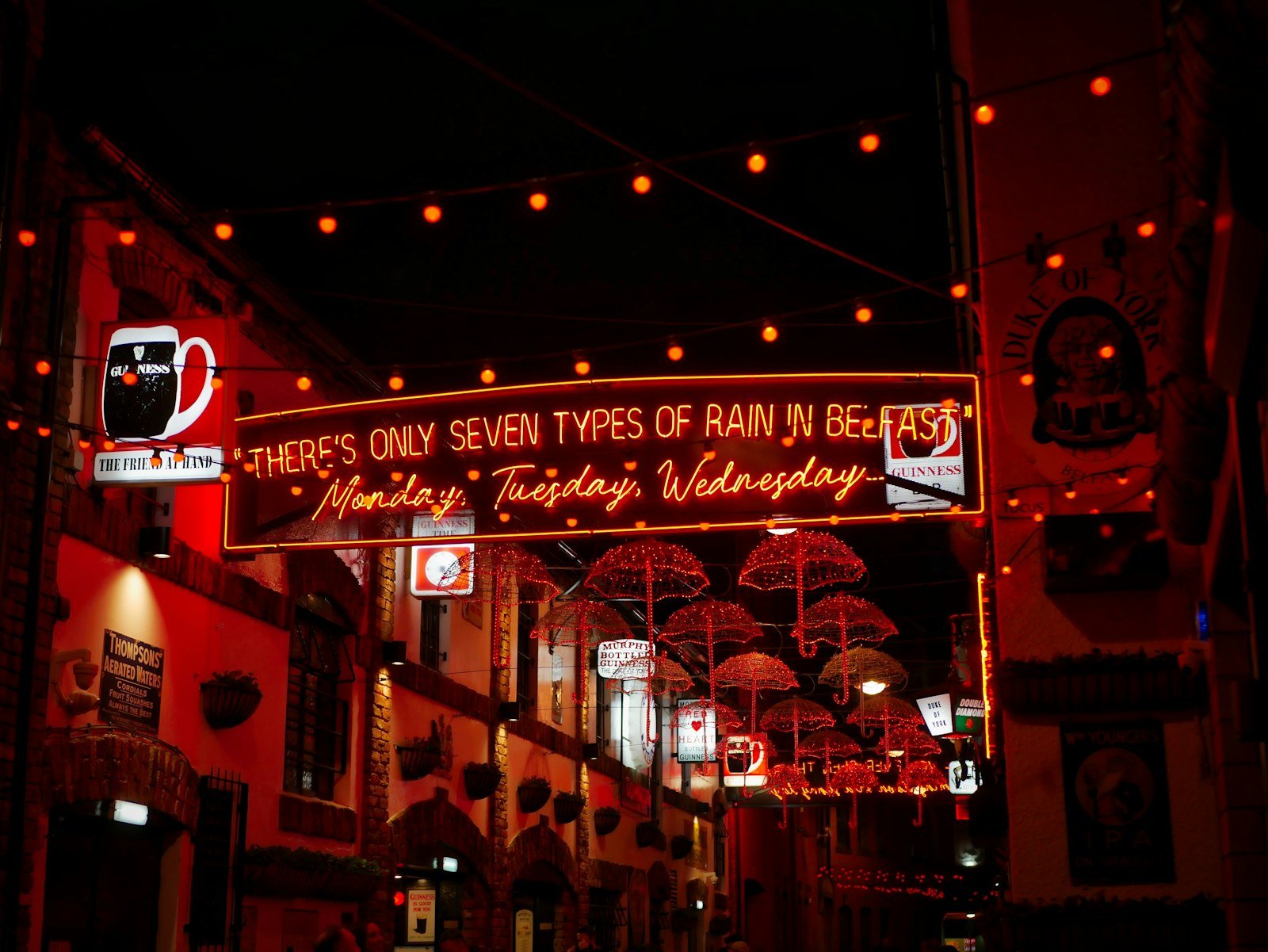
Photo by Joshua Dlz on Unsplash
Introduction
The harp is Ireland’s national symbol, featured on the country’s official seal and on Guinness beer bottles. Yet beyond its role as cultural icon, the harp represents something profound about Irish identity: connection to ancient history, sustained cultural pride despite centuries of colonization and oppression, and the belief that beauty and art are central to human flourishing.
The harp occupies a unique position in Irish culture. It’s ancient, with historical roots stretching back centuries. It’s sophisticated, requiring years of study to master. It’s versatile, capable of functioning in traditional sessions, classical contexts, and contemporary music settings. Yet it’s also accessible, with modern harps available at various price points and increasing numbers of people learning to play.
For Americans interested in Irish culture and music, the harp offers insight into how Ireland honors and transmits its artistic traditions. The harp also demonstrates how ancient instruments can remain vital and contemporary, how tradition and innovation can coexist, and how cultural symbols carry meaning that extends far beyond their literal significance.
History: Ancient Instrument with Continuous Tradition
The harp’s history in Ireland stretches back at least a thousand years, making it one of Europe’s oldest continuously played instruments. Archaeological evidence and historical records indicate that harps were played in Celtic societies, with the instrument achieving particular prominence in medieval and early modern Ireland.
Irish harps were often instruments of the aristocracy and were played by professional musicians at courts and in wealthy households. The harp’s prominent position in Irish society is reflected in historical records and in mythology. Celtic mythology associated the harp with divine creativity and spiritual power. The instrument’s importance to Irish culture was such that it survived the Norman invasion and subsequent colonization.
During the period of English colonization and suppression of Irish culture, the harp maintained importance as a symbol of Irish identity and cultural pride. Playing the harp became a way of maintaining connection to Irish heritage when many other aspects of Irish culture were suppressed or discouraged. The harp’s role as symbol of Irish identity was so significant that it appeared on official seals and became recognized internationally as emblematic of Ireland.
The tradition of harp playing in Ireland has maintained continuity even as the instrument evolved and as Irish society changed dramatically. Unlike some folk traditions that nearly disappeared and required revival efforts, Irish harp traditions maintained sufficient continuity that the instrument remained living rather than historical artifact.
Types of Harps: Historical and Contemporary
Various types of harps exist within Irish tradition, each with particular characteristics and historical periods of prominence. Understanding these different harps reveals the sophistication of Irish harp traditions.
The Celtic harp, also called the Irish harp, is the most iconic type, featured on the Irish seal. These harps typically feature curved necks and are held between the player’s knees. The Celtic harp appears in historical documents from medieval Ireland, indicating its long history in Irish culture.
The concert grand harp is a larger, more modern instrument developed over the past century. These harps feature pedal systems allowing chromatic playing and broader tonal range than simpler harps. Concert grand harps are used in orchestral and classical contexts and can cost many thousands of dollars.
The folk harp is a more modest, portable version of the concert harp, available at various sizes and price points. Folk harps are used in traditional sessions, educational settings, and by amateur musicians. The folk harp has made harp playing more accessible than historical harps, which were expensive and required significant training.
The lever harp or Celtic harp is another important type, featuring a lever system that allows sharps and flats without pedals. These harps are popular in folk and traditional contexts, offering more tonal flexibility than basic harps while remaining more portable and affordable than concert grand harps.
The Harp in Traditional Sessions
The harp’s role in traditional Irish music has changed significantly over time. In contemporary sessions, the harp is less common than fiddles, pipes, or bodhrán, yet it appears regularly and brings distinctive qualities to traditional music.
When a harp plays in sessions, it typically provides harmonic accompaniment and rhythmic support rather than carrying the melody. The harp’s bright, shimmering tone complements other instruments and provides harmonic color that enriches the overall sound. The harp’s ability to produce chords and complex harmonic structures allows accompaniment approaches unavailable on single-melody instruments.
The harp’s participation in sessions requires particular skills. The player must understand the harmonic implications of the traditional tunes being played, provide accompaniment that supports rather than overwhelms the melody, and respond to the session’s energy and tempo. These demands make harp playing in traditional contexts a genuine musical challenge requiring both technical mastery and collaborative sensitivity.
Learning and Mastery
Learning harp is more accessible than learning some other instruments due to the availability of various harps at different price points and the relative straightforwardness of basic mechanics. A beginner can learn to play simple melodies relatively quickly. However, achieving mastery remains demanding, requiring years of practice and sustained musical development.
The harp’s range of sizes and types means that beginners can start with modest instruments and progress to more sophisticated harps as they develop. A basic folk harp might cost a few hundred dollars. A concert grand harp can cost tens of thousands. This range makes it possible for people with different levels of commitment and financial resources to participate in harp playing.
Learning approaches vary from private instruction with experienced harpists to workshop settings like the Willie Clancy Summer School that offer harp classes. Contemporary resources including instructional books, online tutorials, and recordings make harp learning more accessible than it might have been previously.
Achieving genuine mastery on the harp requires considerable dedication. The instrument’s range, its tonal complexity, and the variety of playing techniques all demand sustained practice and musical development. Professional harpists spend years developing their craft, studying with master musicians, and engaging with both traditional and classical repertoires.
Notable Harpists
Throughout Irish musical history, certain harpists achieved particular prominence through their technical mastery and influence on subsequent generations. Understanding these musicians reveals how the harp functions within Irish musical culture.
The historical record includes figures like Turlough O’Carolan (1670-1738), a blind Irish harpist and composer whose compositions remain important to Irish musical repertoire. O’Carolan’s compositions synthesized Irish traditional music with European classical influences, creating works that remain performed and appreciated centuries later.
Contemporary harpers like Cormac de Barra and others maintain strong traditions of harp playing and teaching. These musicians demonstrate that harp remains artistically vital and capable of meaningful expression and innovation. Their work in traditional sessions, concert settings, and educational contexts keeps the harp central to Irish musical culture.
The Harp as Cultural Symbol
Beyond its role as a musical instrument, the harp functions as a powerful cultural symbol representing Irish identity. The harp appears on Ireland’s official seal, on the presidential flag, and on various government and cultural documents. This official status reflects the harp’s historical importance to Irish culture and its continuing significance as a symbol of national identity.
The harp’s symbolic power reflects deeper truths about Irish culture and identity. The instrument represents connection to ancient history, suggesting that modern Ireland is heir to sophisticated civilizations and artistic traditions stretching back centuries. The harp symbolizes cultural pride and the refusal to allow colonization to erase cultural distinctiveness.
For Irish people globally, the harp carries cultural significance beyond its musical function. Encountering harp imagery evokes Irishness and Irish heritage. For Irish emigrants and descendants of Irish emigrants, the harp connects them to Irish identity and cultural pride.
The Harp in Contemporary Music
In contemporary times, the harp appears in various musical contexts. Traditional sessions include harp. Irish folk musicians incorporate harp in contemporary compositions. Classical composers write for harp. Film and television soundtracks feature harp. These various uses demonstrate the harp’s versatility and its ability to function effectively in multiple musical contexts.
Some contemporary musicians have explored the harp in fusion contexts, combining Irish harp traditions with world music, classical elements, or other contemporary forms. These experiments have sometimes provoked discussion about whether such usage honors tradition or commercializes it. Yet many musicians and audiences appreciate the harp’s ability to adapt to new contexts while maintaining its essential character.
The Harp and Irish-American Culture
Irish emigrants brought harp traditions to America, and the harp maintains importance in Irish-American communities. Learning and playing the harp is one way Irish-Americans connect with their heritage and engage with Irish cultural traditions. Harp music features in Irish cultural events and celebrations in American cities with significant Irish populations.
The harp’s role in Irish-American culture reflects broader patterns of how Irish immigrants have maintained cultural identity and transmitted it to subsequent generations. Musical traditions, including harp, serve as vehicles for cultural preservation and transmission.
The Harp and Accessibility
One important development in contemporary times has been the democratization of harp access. Historical harps were expensive instruments available primarily to wealthy people and professional musicians. Modern folk harps and lever harps offer good quality at more affordable prices, making harp playing possible for people with limited financial resources.
This increased accessibility has expanded participation in harp traditions. More people can now learn to play, meaning that the harp’s influence on Irish music extends beyond professional musicians to amateur enthusiasts. This democratization parallels similar developments with other Irish instruments like the tin whistle.
Conclusion: Ancient Beauty Sustained
The harp represents something profound about Irish culture: the belief that beauty and art are central to human flourishing, the commitment to sustaining cultural traditions across centuries despite historical challenges, and the ability to honor ancient traditions while engaging creatively with contemporary musical possibilities.
For Americans interested in Irish music and culture, the harp offers insight into how a culture maintains pride in its artistic heritage. The harp demonstrates that ancient instruments can remain vital and contemporary. It shows how symbols can carry cultural meaning and power beyond their literal significance. It proves that tradition and innovation can coexist, that respecting tradition doesn’t require stasis, and that cultural practices can evolve and adapt while maintaining essential character.
The harp’s distinctive voice—bright, shimmering, capable of both delicate beauty and powerful expression—carries within it centuries of Irish artistic achievement and cultural pride. When you encounter the harp in traditional sessions, concert settings, or contemporary music, you’re encountering not just a musical instrument but a symbol of Irish identity and a testament to the power of artistic traditions to sustain themselves across time and circumstance.
Keywords: harp, Irish harp, national symbol, concert grand harp, folk harp, Turlough O’Carolan, traditional music, Irish instruments, cultural symbol, ancient music, Irish heritage

Author: jonathan
Jonathan is the publisher of Irishtopia.net, Anglotopia.net, and Londontopia.net. He's passionate about travel and learning about other cultures. He's been to Ireland several times, and uses his travel expertise for Irishtopia!