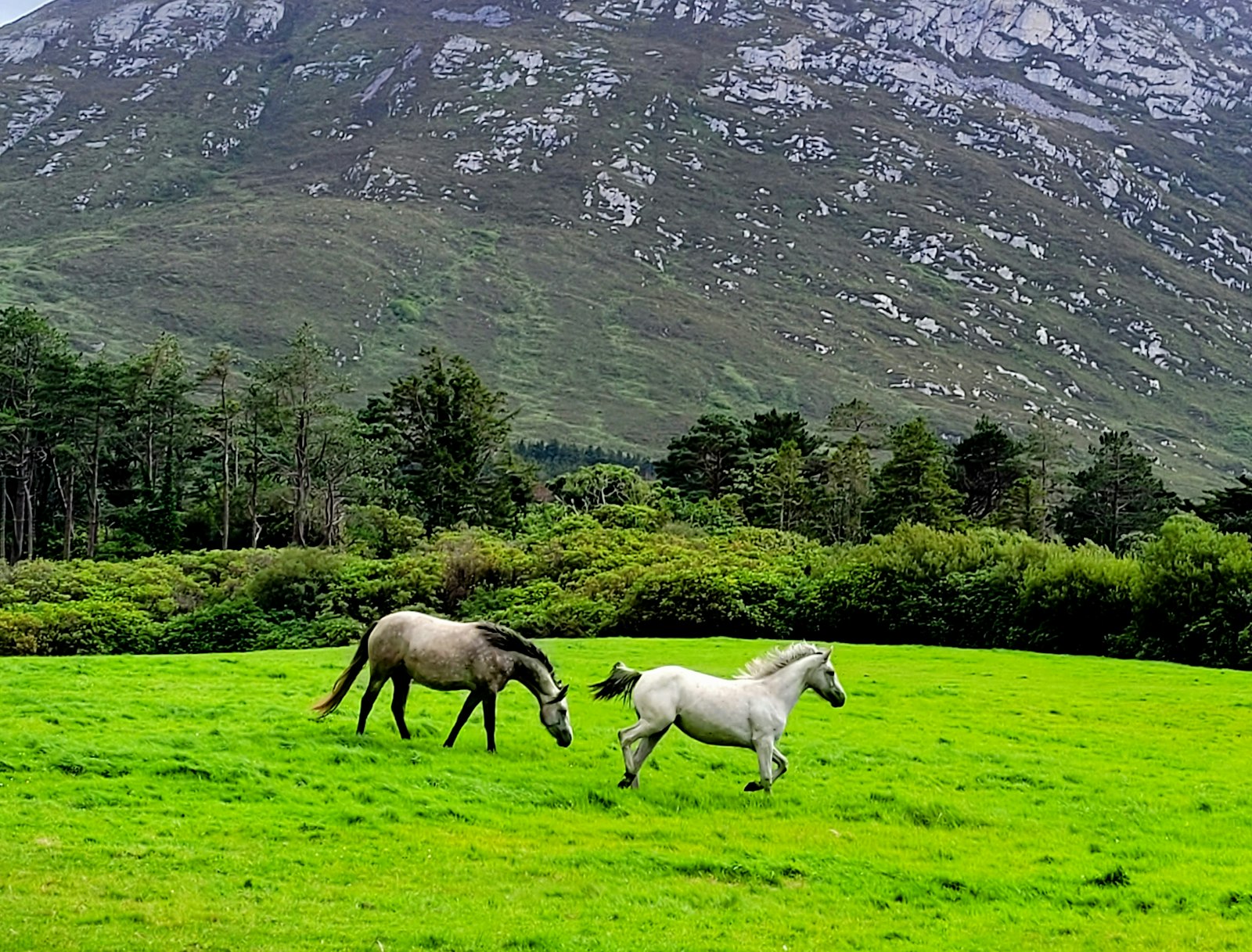
Photo by Melissa De Yoe on Unsplash
Horse racing in Ireland represents something different from other Irish sports. While the GAA defines cultural identity and rugby represents international competitiveness, horse racing connects Ireland to global sporting traditions while maintaining distinctive Irish characteristics. Ireland has produced some of the world’s greatest racehorses and horse trainers. The sport generates enormous economic value, attracting wealthy investors, international attention, and substantial betting revenues. For American sports fans, Irish horse racing offers sophistication, tradition, and compelling competition—a sport with deep historical roots and genuine contemporary significance.
The History of Horse Racing in Ireland
Horse racing has deep roots in Ireland, stretching back centuries. The sport was part of Celtic culture, with horses valued for speed, strength, and cultural significance. Early Irish mythology references horse racing as a noble pursuit.
During the medieval period, horse racing became more formalized, with nobles and wealthy landowners organizing competitions. The sport reflected class distinctions—it was primarily accessible to the wealthy who could afford quality horses and the facilities necessary for racing.
The modern era of Irish horse racing began in the 18th and 19th centuries, with the establishment of formal racing structures and tracks. The Curragh, located in County Kildare, became Ireland’s primary racing venue. Established as a racing location in the 17th century, the Curragh developed into a world-class facility by the 19th century.
The Irish Horse Racing Authority was established to regulate the sport, ensure fair competition, and maintain standards. Over time, Ireland developed distinctive racing traditions, breeding practices, and a reputation for producing quality horses and skilled trainers.
The Structure of Irish Horse Racing
Irish horse racing operates through several distinct formats, each attracting different levels of participation and investment.
Flat Racing
Flat racing features horses competing over distances typically ranging from 5 furlongs to 2+ miles on turf (grass) tracks. The Curragh is Ireland’s premier flat racing venue, hosting major championships and important races. Other significant flat racing tracks include Leopardstown (near Dublin), Dundalk, and Galway.
Flat racing attracts the most attention and investment. The sport’s premier competitions include the Irish 1000 Guineas, the Irish 2000 Guineas, the Irish Derby, and the Irish Oaks. These races attract international competitors and substantial betting.
The breeding of flat racing horses is significant in Ireland. The country produces thoroughbred horses valued internationally. Irish bloodlines are particularly respected, and horses bred in Ireland command premium prices at international sales.
National Hunt Racing
National Hunt racing features horses competing over jumps and obstacles, making it more physically demanding than flat racing. Horses navigate various fences, banks, and water jumps during races. National Hunt racing is particularly popular in Ireland, attracting substantial crowds and betting.
The Cheltenham Festival in England is the sport’s premier National Hunt event, but Irish horses and trainers dominate the competition. The Festival attracts thousands of Irish racing enthusiasts who travel to England for the event.
Major Irish National Hunt races include the Irish Grand National (held at Fairyhouse) and various championship races throughout the season. The National Hunt season runs from autumn through spring, providing racing during months when flat racing is less prominent.
Point-to-Point Racing
Point-to-point racing is a grassroots form of racing, typically featuring amateur riders on horses who haven’t been in professional races. These events are held on farmer’s land, creating a rural, traditional sporting culture. Point-to-point racing maintains deep connections to Irish rural communities and represents a significant sporting tradition outside professional racing structures.
The Economics of Irish Horse Racing
Horse racing generates enormous economic value in Ireland. The sector includes racing operations, breeding, training, veterinary services, betting operations, and supporting industries. Thousands of people depend on horse racing for employment.
The sport attracts significant foreign investment. Wealthy international owners purchase Irish racehorses or breed horses in Ireland, valuing Irish bloodlines and training expertise. International racing syndicates often include Irish investors and trainers.
Betting revenues are substantial. The sport generates hundreds of millions of euros annually in betting, which supports racing prize money, facilities, and supporting infrastructure. This economic significance means that horse racing receives government attention and support.
The breeding of thoroughbred horses is a significant industry. Stallion stands (facilities where stallions stand at stud—breeding) command enormous fees. A successful stallion might generate millions of euros annually through breeding fees. The sale of racehorses at auction represents another significant economic stream.
The Classes and Social Dimensions
Horse racing’s history is intertwined with class distinctions. Historically, racing was a sport of wealthy landowners, nobility, and the affluent merchant class. Access to quality horses, training facilities, and racing opportunities was limited to those with significant financial resources.
This class dimension persists in contemporary racing, though it has become more democratic. Access to betting allows ordinary people to participate economically in racing, even if they can’t own or train horses directly.
The sport maintains aristocratic connections. Members of the Irish and British nobility remain involved in racing through horse ownership and patronage. Racing maintains an association with wealth and privilege that distinguishes it from more democratically structured sports.
However, racing also has working-class dimensions. Trainers and jockeys often come from working-class backgrounds, earning substantial livings through their expertise and skills. Stable hands, farriers, veterinarians, and other racing professionals represent working-class employment connected to racing.
Major Races and Championships
Irish horse racing’s calendar is centered around major races and championships that attract international attention and substantial betting.
The Irish Derby
The Irish Derby, held annually at the Curragh, is Ireland’s premier flat racing event. Established in 1866, the race has attracted the world’s best three-year-old racehorses. Winning the Irish Derby brings prestige, prize money, and breeding value to the winning horse’s connections.
The race typically features a field of international competitors, with owners and trainers from across Europe and beyond bringing their best horses. The Irish Derby represents a test of quality at the international level.
The Irish Grand National
The Irish Grand National, held at Fairyhouse, is the premier National Hunt race in Ireland. The race features amateur and professional riders navigating challenging jumps and obstacles over two miles. Winning the Irish Grand National brings significant prestige within National Hunt racing.
Championship Races
Throughout the season, various championship races are held, recognizing excellence in different categories. Two-year-old champions, older horse championships, and distance specialists are recognized through racing structures.
International Competitions
Irish horses and trainers compete in international competitions, particularly at Cheltenham in England, Ascot, and other prestigious British racing venues. The success of Irish competitors at these international venues reflects the quality of Irish racing and training.
Famous Irish Racehorses and Trainers
Irish racing history includes legendary horses and trainers who’ve achieved international recognition.
Legendary Horses
Arkle is perhaps the greatest Irish racehorse ever. The steeplechase champion of the 1960s, Arkle won major races with apparent ease, demonstrating extraordinary athleticism and jumping ability. Arkle remains a national sporting icon, and his legacy in Irish racing is immense.
Istabraq was a champion of the 1990s, winning the Champion Hurdle at Cheltenham three times. The horse achieved celebrity status in Ireland, attracting substantial betting and enthusiastic fan support.
Dawn Run was a legendary mare who won the Cheltenham Gold Cup, one of National Hunt racing’s greatest achievements. Her victory captured Irish imagination and elevated women’s racing profile.
Kauto Star represents modern racing excellence, though British-trained, his frequent victories at Cheltenham created Irish sporting drama and substantial betting interest.
Distinguished Trainers
Aidan O’Brien is Ireland’s most successful contemporary trainer, having won numerous prestigious races including Irish Derbies and international championships. O’Brien’s training methods and success have established him as one of racing’s finest practitioners.
Vincent O’Brien was a legendary trainer of the 20th century, known for developing young horses and winning major races. His success and innovation established many contemporary training practices.
Michael Grassick and other trainers have contributed to Ireland’s racing reputation through developing quality horses and achieving success at major competitions.
The Betting Culture
Betting is integral to Irish horse racing culture. The sport’s betting opportunities range from simple win/place bets to complex accumulator bets and exotic wagers. Betting shops throughout Ireland offer racing betting, and online platforms provide remote participation.
The betting culture attracts various participants. Some are casual bettors placing small wagers for entertainment. Others are more serious bettors who study form, analyze statistics, and believe their expertise creates an edge. Still others struggle with problem gambling, experiencing significant negative consequences.
The Irish government regulates betting to ensure fairness and protect vulnerable people. Operators must meet responsible gambling standards and contribute to treatment for problem gambling.
Major races attract substantial betting volumes. The Irish Derby, for example, might attract millions of euros in betting. This betting volume creates significant prize pools and ensures that racing attracts quality competitors.
Women in Horse Racing
Women have increasingly entered horse racing as trainers, jockeys, and owners. Historically dominated by men, the sport is becoming more inclusive.
Notable female jockeys include those who’ve achieved success at major venues. Female trainers have won significant races, including championships. The integration of women into racing reflects broader social changes and the recognition that racing success doesn’t depend on gender.
However, challenges remain. Women remain underrepresented in some racing roles, and there are continuing discussions about equal opportunities and representation.
The Racing Season and Calendar
Irish horse racing operates on an annual calendar with distinct seasons. Flat racing is most prominent in spring and summer, with major races like the Irish Derby occurring in early summer. Autumn and winter see substantial National Hunt racing as steeplechase and hurdle competitions predominate.
The racing calendar aligns with agricultural seasons and traditional sporting calendars. This structure reflects racing’s historical connections to rural life and traditional sporting seasons.
Cheltenham Festival
The Cheltenham Festival in England is the year’s major National Hunt event, typically held in March. Thousands of Irish racing enthusiasts travel to England for the Festival, making it one of Irish racing’s most important calendar events. The Festival attracts top Irish trainers and horses, and Irish success at Cheltenham generates significant national pride.
The Horse Breeding Industry
Ireland’s horse breeding industry is significant and sophisticated. The country produces thoroughbred horses valued internationally for racing and breeding.
Studs (breeding facilities) throughout Ireland maintain stallions and breeding mares. These facilities are run by experts with deep knowledge of bloodlines, genetics, and breeding practices. A successful stud produces horses with valuable racing ability and desirable genetic characteristics.
The sales of young horses at auction represent significant economic events. Major auctions include the Goffs and Tattersalls, where breeders and trainers purchase young horses. Auction prices reflect the assessed potential of young horses, with exceptional animals commanding premium prices.
Contemporary Challenges
Irish horse racing faces several contemporary challenges. Declining attendance at racing venues reflects changing entertainment preferences. The rise of online and mobile betting has reduced traditional track attendance.
Regulatory pressures regarding animal welfare and environmental concerns also challenge the sport. The industry must balance animal welfare with competitive requirements and address environmental impacts of racing facilities.
Economic pressures from inflation and changing consumer behavior also affect racing economics and employment.
The Social and Cultural Significance
Beyond its economic importance, horse racing holds cultural significance in Ireland. The sport connects to Irish traditions, represents achievement and excellence, and attracts passionate supporters.
Racing provides a context for social gathering and community interaction. Race days are social events, with people attending for the social aspects as much as the sporting competition.
The sport also represents international competition and Irish excellence on a global stage. Irish horses and trainers competing successfully at international venues generates national pride.
Conclusion: Horse Racing as Distinctive Irish Tradition
Horse racing in Ireland represents something distinctive within Irish sports culture. It’s historically rooted, economically significant, and internationally competitive. The sport combines tradition with modernity, maintains class dimensions while becoming more accessible, and represents Irish excellence on the global stage.
For American sports enthusiasts, Irish horse racing offers sophistication, tradition, and compelling competition. The sport’s deep historical roots, the quality of Irish training and breeding, and the sporting achievements of Irish horses and connections make it worth following.
Understanding Irish horse racing means appreciating how tradition persists within modern sports culture, how economic structures shape sporting opportunities, and how Ireland maintains distinctive sporting traditions while competing internationally. It means recognizing that not all important Irish sports are indigenous developments like the GAA—some are inherited traditions that Ireland has adapted and excelled within. Horse racing, with its combination of tradition, betting culture, and international excellence, represents an important and often overlooked dimension of Irish sporting life.

Author: jonathan
Jonathan is the publisher of Irishtopia.net, Anglotopia.net, and Londontopia.net. He's passionate about travel and learning about other cultures. He's been to Ireland several times, and uses his travel expertise for Irishtopia!