
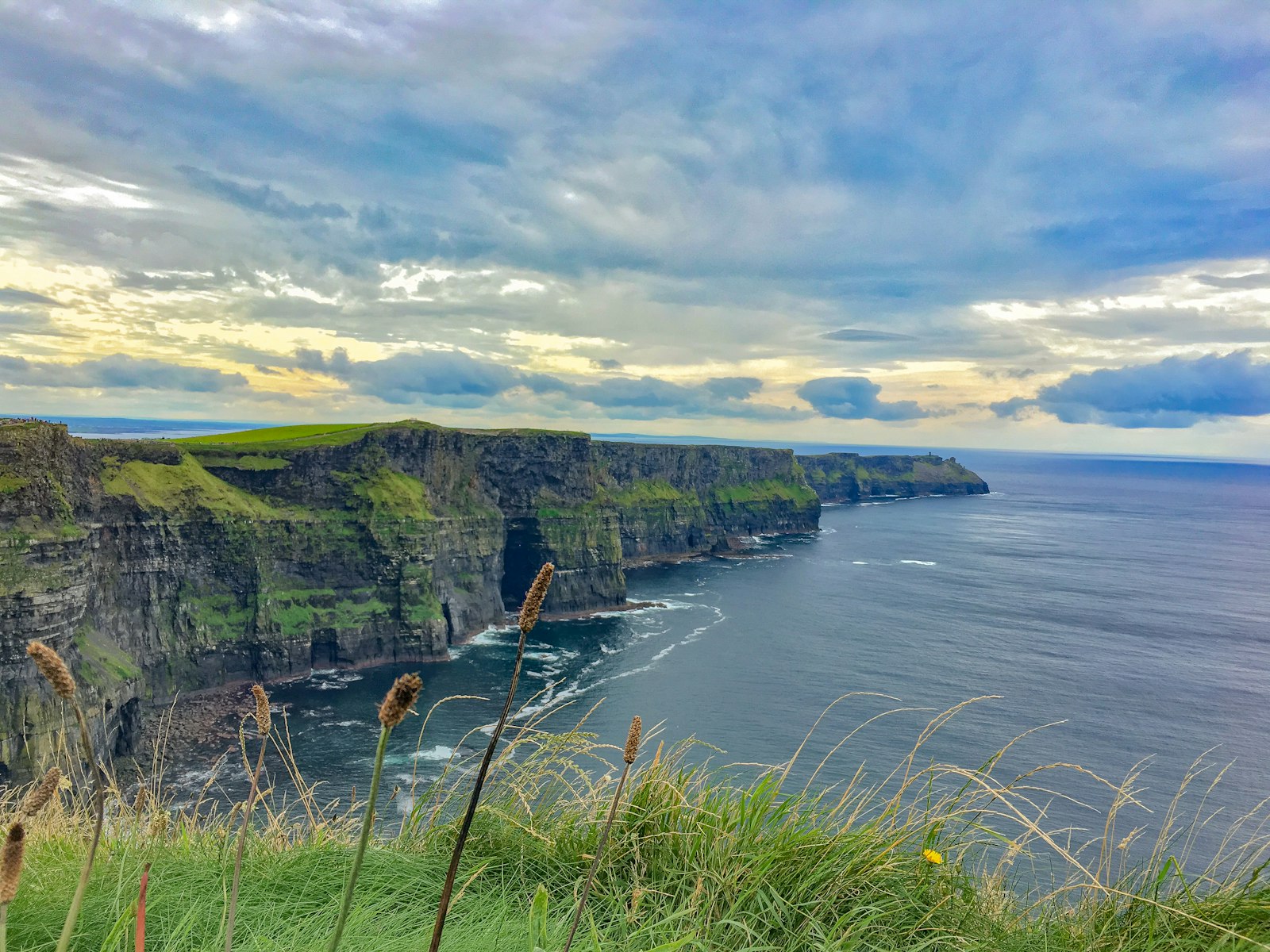
Photo by Leighton Smith on Unsplash
Introduction
Inishowen is the northernmost peninsula of the island of Ireland, extending into the Atlantic Ocean at the geographic apex of the Irish landmass. Despite its extreme northern location and dramatic landscape, Inishowen remains relatively undiscovered compared to more famous Irish destinations. The peninsula offers a remarkable combination of landscape diversity, archaeological significance, wild coastline, and authentic communities that have maintained traditional character despite increasing tourism awareness.
For American visitors seeking to experience the extremes of Irish geography, Inishowen provides compelling reasons to venture to the island’s northern edge. The peninsula features some of Ireland’s most dramatic coastal scenery, isolated ancient sites, and landscapes that feel genuinely remote despite being accessible by car.
Inishowen is also strategically significant—the peninsula’s location relative to Scotland and the Atlantic made it important militarily, culturally, and economically. Understanding Inishowen means understanding the northern edge of Irish settlement and the cultural currents that shaped the Irish north.
Geography and Landscape: The Edge of Ireland
Inishowen occupies approximately 545 square kilometers in County Donegal, extending northward from the town of Buncrana. The peninsula is bounded by Lough Foyle on the east and Lough Swilly on the west, with the Atlantic Ocean to the north. This geography creates a distinctive peninsula landscape with dramatic coastlines and interior hills.
The topography is varied. Masts Point, the northernmost extremity, features dramatic cliffs rising above the Atlantic. Interior hills reach modest elevations but create substantial terrain. River valleys cut through the landscape, creating sheltered areas that attracted human settlement. The coastline alternates between rocky cliffs, sandy beaches, and protected harbors.
The climate is distinctly northern—cool temperatures, frequent rain, and strong winds characterize the region. Despite these challenging conditions, the landscape is exceptionally beautiful. The combination of exposed Atlantic coast, dramatic geology, and minimal development creates landscape that feels wild and untrammeled.
Mast Point and the Northernmost Extremity
Mast Point (also called Banba’s Crown or Malin Head) is Ireland’s northernmost point—latitude 55 degrees 22 minutes north. The point extends far into the Atlantic, creating dramatic geography at the edge of Ireland.
The drive or walk to Mast Point passes through increasingly stark landscape. As you approach the northernmost point, development diminishes and landscape becomes more exposed. The final approach involves walking along cliff edges with the Atlantic crashing below.
Standing at Mast Point, you’re at the geographic extreme of Ireland. The perspective from this location is extraordinary—you’re standing at the edge of the island, with the vast Atlantic extending northward toward Iceland and the Arctic. The power of the landscape is evident in the fierce winds, the dramatic cliffs, and the sense of being at the margin of the known world.
The point has been strategically significant for centuries. A signal tower was built here in the 19th century to warn of approaching ships or hostile activity. The tower remains a landmark visible from considerable distances.
The Approach to Mast Point
The drive to Mast Point traverses Inishowen’s interior and northern coast. Various routes approach the point, each offering different landscape perspectives. The main road from Buncrana heads toward Carndonagh and then northward to Mast Point.
The landscape becomes progressively wilder as you move north. Small farms gradually thin out, replaced by moorland and exposed coastline. The sense of moving toward the geographic edge is palpable.
Coastal Scenery and Beaches
Inishowen’s coastline offers diverse landscape experiences. The peninsula’s convoluted coastline means different beaches and cliffs appear around every headland.
Pollan Bay and Sandy Beaches
The western coast near Pollan features sandy beaches backed by dunes. These relatively sheltered beaches provide more gentle beach experiences compared to the dramatic cliffs elsewhere.
The beaches are relatively undeveloped—there are no major beach resorts or concentrated tourist facilities. The beaches remain in relatively natural state, providing genuine coastal experience.
Cliffs and Rocky Coasts
The western and northern coasts feature dramatic cliffs rising directly from the Atlantic. These cliffs showcase geological processes—layers of different rock, erosion patterns, and the power of waves combined with time to shape dramatic landscape.
The cliffs support seabird colonies. Various seabirds nest in cliff crevices. Observing the birds from a safe distance provides insight into adaptation to extreme coastal environments.
Trawbreaga Bay
Trawbreaga Bay, on the eastern coast, provides protected anchorage and attractive landscape. The bay features sandy beaches and sheltered geography that attracted historical settlement and continues to support small communities.
Archaeological Sites and Ancient Ireland
Doneagh Circle
One of Ireland’s most impressive stone circles, the Doneagh Circle sits in relatively remote location in Inishowen’s interior. The circle consists of eight large stones arranged in a near-perfect circle. The site dates to the Bronze Age (approximately 2000 BCE) and represents the engineering and cultural sophistication of ancient Irish communities.
Standing within the circle of ancient stones, you experience connection to people who lived here over 4,000 years ago. The circle’s positioning may relate to astronomical alignments or ceremonial significance. The size of the stones indicates organized labor and engineering knowledge.
Reaching the circle requires navigation through rural landscape—the site is not heavily touristed or developed. The relative obscurity contributes to the sense of discovery and authenticity.
Fort of Aileach
The Fort of Aileach sits on a hilltop dominating the southern landscape of Inishowen. This ancient stone fort likely dates to the Iron Age but was used and modified over centuries. The fort is accessible to visitors and provides panoramic views across Inishowen and beyond.
The fortress demonstrates strategic location—positioned on a hill, the fort provides visibility across multiple approaches. The structure would have been nearly impregnable in ancient times.
Climbing to the fort requires walking to the summit, providing exercise and perspective on the landscape. The fort’s interior is open to exploration. Standing within the ancient walls, you contemplate the people who lived here, the conflicts fought, and the strategic importance of this location.
Early Christian Sites
Various Early Christian sites dot Inishowen. Monastic settlements, pilgrimage sites, and ecclesiastical remains indicate the region’s religious significance in medieval times. These sites often feature simple structures—small churches, grave markers, and religious enclosures.
The sites are frequently in remote locations, requiring hiking to reach them. The effort required to visit creates authentic exploratory experience.
Towns and Communities: Authentic Donegal Life
Buncrana
Buncrana is Inishowen’s largest town and primary service center. The town sits on Lough Swilly and has developed as a holiday destination without entirely surrendering working-town character. The town offers restaurants, shops, accommodation, and cultural programming.
Buncrana has a promenade along the lough, providing walking space and vantage points for observing the water and surrounding landscape. The town’s setting is attractive, though the town itself is functional rather than particularly charming.
Buncrana serves as the primary base for exploring Inishowen. Most visitors using the peninsula as a destination stay in or near Buncrana.
Carndonagh
Carndonagh is a smaller market town in Inishowen’s interior. The town has modest services and authentic small-town character. The town serves as an administrative center for the peninsula.
Carndonagh’s setting and character provide insight into Irish small-town life—the spaces where locals live and conduct business, not primarily oriented toward tourists.
Malin
Malin is a small village near the peninsula’s north, featuring traditional character and access to northern coastal landscape. The village has limited services but welcoming character.
Culdaff and Costal Villages
Various small villages along Inishowen’s coastline maintain maritime traditions and fishing heritage. These villages showcase authentic maritime culture—boats, fishing equipment, and community life centered on the sea.
Ecology and Wildlife
Seabird Colonies
The dramatic cliffs support significant seabird colonies. Guillemots, razorbills, puffins, and kittiwakes nest in cliff crevices. The abundance and diversity of seabird life is remarkable.
Observing these birds from a distance provides insight into adaptation to extreme coastal environments. The birds are acrobatic fliers, skilled at navigating cliff faces and capturing prey from the sea.
Marine Life
The waters around Inishowen support diverse marine life. Fish species include salmon and trout. Whales and dolphins occasionally venture into coastal waters. Seals frequently appear in bays and along coastlines.
Marine exploration—boating, snorkeling, or simply observing from shore—provides access to this underwater realm.
Terrestrial Ecosystems
The peninsula’s interior supports grassland, heathland, and small areas of woodland. These ecosystems support mammal and bird communities adapted to the northern landscape. Red squirrels, badgers, and foxes inhabit the peninsula.
Cultural Traditions and Contemporary Life
Gaelic Language and Culture
Inishowen maintains connections to Irish language and traditional culture. While English is the primary language, Irish language instruction is available, and cultural traditions persist.
Maritime Heritage
The maritime traditions remain part of Inishowen’s identity. Fishing continues, though at reduced scale from historical times. Boat building and maritime crafts persist in some communities.
Traditional Music
Traditional Irish music remains part of the culture. Sessions occur in local pubs. The music provides connection to Irish cultural traditions and opportunities for social engagement.
Farming Communities
Agricultural communities persist throughout Inishowen. Sheep and cattle farming continue, though increasingly challenged by economic pressures. The landscape reflects centuries of agricultural use.
Practical Visiting Information
Getting There
Inishowen is accessible by car from Derry City (approximately 45 minutes), Donegal town (approximately 90 minutes), or Sligo (approximately 2.5 hours). The peninsula is reached via Buncrana or approaches from the south.
The drive to Inishowen is scenic—the landscape becomes progressively wilder and more dramatic as you move north.
Accommodation
Buncrana offers the widest range of accommodations—hotels, guesthouses, and vacation rentals. Prices are moderate for the area. Smaller towns and villages offer more limited but authentic options.
Booking in advance, particularly in summer, is advisable.
Dining and Local Services
Buncrana offers multiple restaurants and cafes. Smaller towns have basic services. The range of dining options is more limited than in major tourist destinations, but quality of available food is generally good.
Outdoor Activities
Hiking
Multiple hiking routes traverse the peninsula. The Inishowen 100 (a coastal driving route) can also be walked in sections. The Mast Point approach walk is popular.
Coastal Exploration
Walking along beaches or cliff-top paths provides coastal perspective. Various viewpoints offer opportunities to observe landscape and wildlife.
Fishing
Marine and freshwater fishing opportunities exist. Local guides can arrange fishing trips and instruction.
Archaeological Site Exploration
Visiting Doneagh Circle, Fort of Aileach, and other ancient sites requires hiking or driving to reach them. The sites reward the effort required to visit them.
Seasonality and Weather
Inishowen’s northern location means weather is less predictable than southern Ireland. Summer provides the most pleasant conditions but also attracts the most visitors.
Winter is cold and frequently stormy, but the dramatic weather creates spectacular landscape views. Spring and autumn offer pleasant conditions with fewer crowds.
The region experiences frequent rain—waterproof clothing is essential year-round.
Integration into Broader Itineraries
Donegal Peninsula Exploration
Combine Inishowen with exploration of other Donegal peninsulas—Tory Island, Falcarragh, and the broader Donegal landscape.
Northern Irish Exploration
Combine Inishowen with Derry city, the Mourne Mountains, and other Northern Irish destinations for comprehensive northern Ireland experience.
Extreme Points Tour
Visit Ireland’s geographic extremes—Mast Point in the north, the Skellig Islands in the south, the Cliffs of Moher in the west, and extreme eastern points.
Walking and Hiking Holiday
Focus on outdoor recreation—coastal hiking, archaeological site exploration, and landscape immersion.
Irish Peninsula Circuit
Explore multiple Irish peninsulas, comparing their distinct characters and landscapes.
Environmental and Conservation Considerations
Inishowen’s relatively undeveloped character requires careful management to protect against degradation from increased tourism or other pressures.
Responsible visiting involves:
- Staying on designated paths
- Respecting wildlife and protected areas
- Supporting local conservation efforts
- Minimizing impact on fragile ecosystems
- Respecting the communities living in the peninsula
Practical Itinerary for Inishowen
Two-Day Visit (from Derry Base)
Day 1: Drive to Inishowen from Derry (approximately 45 minutes), explore Buncrana and surrounding area, overnight in Buncrana.
Day 2: Drive north to Mast Point, explore Malin and northern coast, return to Derry.
Three to Four-Day Inishowen-Focused Visit
Day 1: Arrive in Buncrana, explore the town and surrounding area.
Day 2: Full-day northern exploration—Mast Point, Malin, northern coast.
Day 3: Inland exploration—Doneagh Circle, Fort of Aileach, archaeological sites.
Day 4: Coastal exploration—Trawbreaga Bay, Pollan Beach, other coastal features. Depart.
Extended Integration
Combine Inishowen with broader Donegal and Northern Irish exploration, using it as one destination among multiple regional stops.
Conclusion: The Northernmost Experience
Inishowen represents Ireland at its northern extreme—where the island reaches toward the Arctic, where settlements cling to dramatic coastlines, and where ancient peoples left marks that endure across millennia.
The peninsula’s relative remoteness and northern location have protected it from the commercialization affecting more accessible Irish destinations. Yet the landscape and heritage are compelling, offering rewards for those willing to venture to the geographic margins.
For American visitors seeking authentic Irish experiences beyond the mainstream attractions, Inishowen delivers. The dramatic landscape, ancient sites, authentic communities, and sense of reaching Ireland’s extreme northern point create memorable experiences that distinguish Inishowen from more touristed regions.
The journey to Mast Point—to stand at the northernmost point of the island and feel the Atlantic winds and appreciate the vastness of ocean and sky—provides perspective that doesn’t exist at more southerly, more accessible locations. Inishowen invites you to venture to the edge, to experience Ireland at its extremes, and to discover why the margins sometimes hold the deepest rewards.

Author: jonathan
Jonathan is the publisher of Irishtopia.net, Anglotopia.net, and Londontopia.net. He's passionate about travel and learning about other cultures. He's been to Ireland several times, and uses his travel expertise for Irishtopia!