
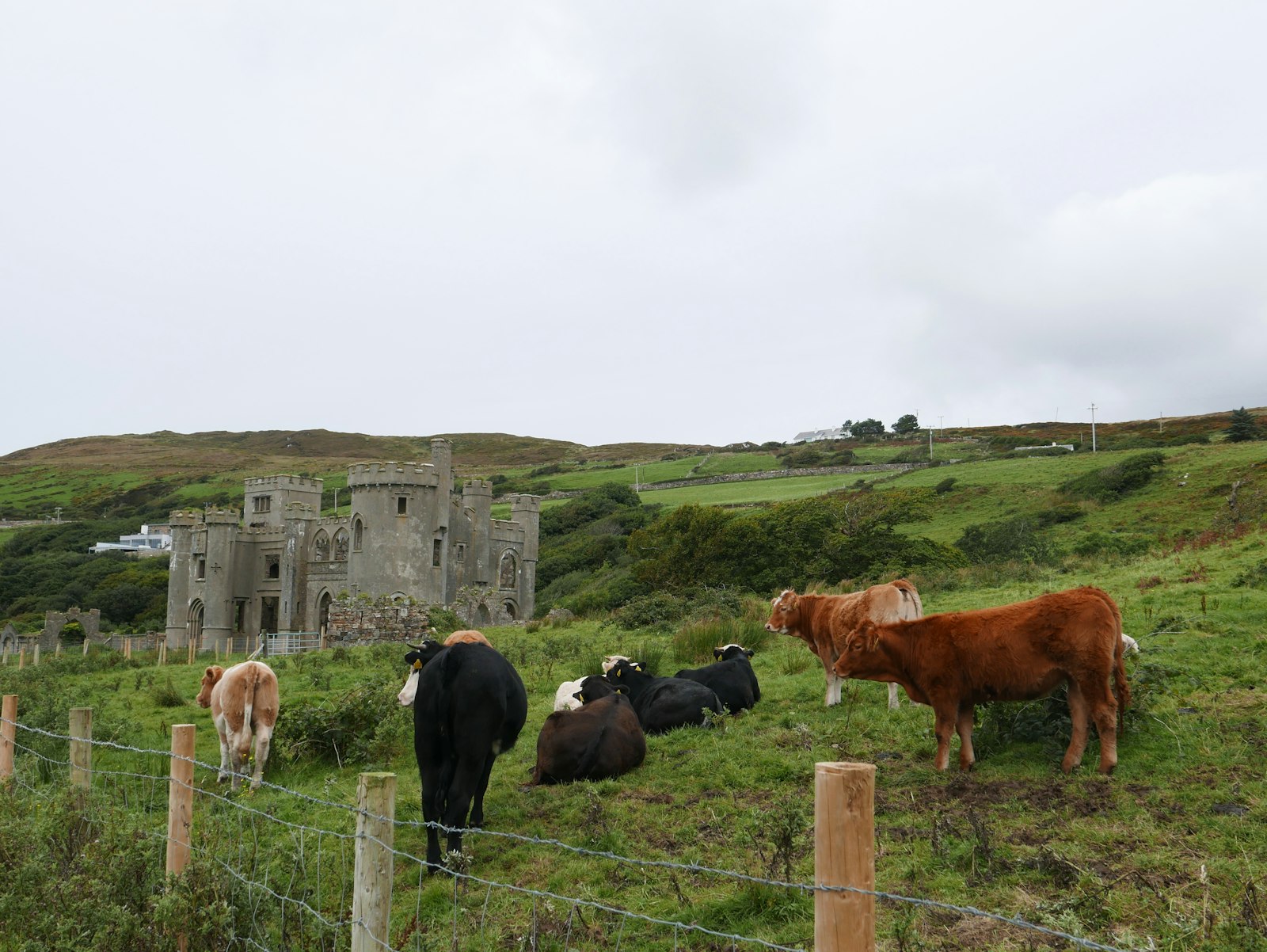
Photo by Piotr Cierkosz on Unsplash
For much of modern history, Ireland was not known for cheese. While countries like France, Italy, Switzerland, and the Netherlands developed sophisticated cheese-making traditions and built international reputations around their distinctive cheeses, Ireland’s dairy heritage focused primarily on butter and milk production. This was not an accident of geography or culture, but rather the result of historical circumstances and deliberate economic choices. Yet in the past several decades, Irish cheesemakers have been undertaking a remarkable transformation, reviving, reimagining, and creating cheese traditions that have elevated Ireland into the ranks of world-class cheese-producing nations.
This renaissance is not merely about reclaiming lost tradition—though some Irish cheeses do revive historical recipes. Rather, contemporary Irish cheesemakers are creating genuinely new cheeses while drawing on Irish dairy traditions, engaging with international cheese-making knowledge, and establishing themselves as legitimate participants in global cheese culture. The result is a diverse, dynamic, and increasingly respected Irish cheese scene that has captured international attention and consumer enthusiasm.
Historical Context: Why Ireland Lost Its Cheese Tradition
To understand the contemporary Irish cheese renaissance, we must first understand why Ireland, despite having excellent dairy cattle and abundant milk, was not historically known for cheese production. The answer lies in agricultural economics and political history.
Ireland’s dairy tradition historically emphasized butter production. Butter, being more shelf-stable and transportable than fresh milk, was easier to trade and export. Irish butter became known for quality and built a strong international reputation. The Irish dairy industry, developing from the seventeenth century onward, focused on butter as the primary value-added dairy product. Cheese production, while not nonexistent, never achieved the centrality or prestige that butter did.
The political and economic circumstances of Ireland from the eighteenth century onward further marginalized cheese production. As Ireland fell under British rule, agricultural production became oriented toward supplying English markets with butter, beef, and other products. The economics of production meant that butter was more profitable than cheese, and cheese production declined further.
When Ireland gained independence in the twentieth century, the fledgling nation focused on building agricultural exports, primarily butter and dairy products, to generate crucial foreign currency. Cheese, as a more specialized and complex product, received less attention and investment than butter production. By the mid-twentieth century, Irish cheese production had become virtually extinct, with only a handful of small producers maintaining traditional methods.
The Pioneers: The First Modern Irish Cheesemakers
The contemporary Irish cheese renaissance began in the 1970s and 1980s, when a handful of visionary entrepreneurs and cheesemakers recognized both an opportunity and a responsibility. These pioneers understood that Irish dairy—abundant, high-quality milk from grass-fed cattle—was ideal for cheesemaking. They also recognized that international cheese culture was becoming increasingly diverse and receptive to new producers and styles.
Veronica Steele deserves particular mention as a foundational figure in the Irish cheese renaissance. In 1974, Steele founded Cashel Blue, producing a blue cheese that would become one of Ireland’s most celebrated and internationally recognized cheeses. Cashel Blue was not simply a copy of existing French or Italian blue cheeses; it was distinctively Irish, made from Irish milk, using Irish methods, and ultimately representing something new and distinctive.
Other pioneers followed. Gubbeen, established in County Cork, became known for its distinctive washed-rind cheeses. Durrus Cheese, also in Cork, created complex, carefully crafted cheeses. These early cheesemakers faced significant challenges—limited access to equipment and knowledge, skepticism from consumers more familiar with French and other European cheeses, and difficult economics in a market not yet convinced of Irish cheese’s value.
Yet these pioneers persisted, refining their craft, building reputations based on quality and distinctiveness, and establishing the foundation upon which the contemporary Irish cheese industry would grow. Their success proved that Irish cheese could compete internationally and that consumers were receptive to high-quality Irish products.
The Types of Irish Cheese: Diversity and Innovation
Contemporary Irish cheese production encompasses remarkable diversity of styles and approaches. The following represent some of the primary categories of Irish cheese:
Washed-Rind Cheeses
Washed-rind cheeses, where the exterior of the aging cheese is washed with brine or alcohol solutions, are among Ireland’s most distinctive and celebrated offerings. These cheeses develop a pungent, complex aroma and a soft, creamy interior. Producers like Gubbeen and Durrus have become internationally recognized for exceptional washed-rind products.
Washed-rind cheeses require careful handling and expertise. The frequent washing encourages development of surface bacteria that create the distinctive character of these cheeses. The results are often strong-smelling but remarkably delicious—the pronounced aroma belying subtle, complex flavors that develop during aging.
Blue Cheeses
Cashel Blue remains Ireland’s most famous blue cheese, and with good reason. The cheese is made from raw milk, incorporating blue mold cultures that create the distinctive blue veining. The result is a blue cheese with a creamy texture, balanced flavor, and less intense “blue” character than some continental blue cheeses. This approachability combined with genuine quality has made Cashel Blue appealing to blue cheese enthusiasts and novices alike.
Other Irish blue cheeses have emerged, each with distinctive characteristics. Some are creamier, others more crumbly. Some emphasize gentle flavor, others more pronounced blue character. The diversity demonstrates the sophistication of Irish blue cheese production.
Hard Cheeses and Aged Varieties
Contemporary Irish cheesemakers have increasingly produced hard cheeses—varieties that age for extended periods, developing complex flavors and firm textures. Crozier Blue, made from sheep’s milk, is an aged blue cheese with distinctive characteristics. Coolea, a hard cheese inspired by Dutch Gouda but made with Irish milk and expertise, has achieved international recognition.
These aged cheeses represent significant investment and technical expertise. Producing excellent hard cheese requires understanding fermentation, moisture management, aging conditions, and the development of flavors over months or years of aging. The success of contemporary Irish aged cheeses demonstrates the sophistication and technical excellence of Irish cheesemakers.
Sheep’s Milk Cheeses
The rise of sheep dairy farming in Ireland has supported development of sheep’s milk cheeses. These cheeses have distinctive characteristics—a tangier flavor profile, a different texture, and a distinctive richness compared to cow’s milk cheeses. Producers like Crozier and others have created notable sheep’s milk cheeses that have achieved international recognition.
Goat Cheeses
Goat’s milk cheesemaking has also become established in Ireland, with producers creating fresh goat cheeses and aged varieties. The lighter, slightly tangy character of goat’s milk cheeses appeals to consumers and provides distinctive alternatives to cow’s milk products.
The Philosophy Behind Irish Cheese
What unites diverse Irish cheesemakers, despite producing different styles and types of cheese, is a shared philosophy emphasizing quality, terroir, and respect for the milk and the process. Contemporary Irish cheesemakers tend to be deeply engaged with their source milk, often working with specific dairy farmers whose milk they consider essential to their product’s character.
Many Irish cheesemakers emphasize working with raw milk—milk that has not been heated above a certain threshold and therefore retains complex microbial populations and flavor compounds that pasteurization would destroy. Working with raw milk is technically more challenging and carries regulatory scrutiny, yet many producers maintain that raw milk cheeses achieve flavors and complexity that are impossible with pasteurized milk.
The pasture-based dairy traditions of Ireland inform contemporary cheese philosophy. Most of the milk used in Irish cheesemaking comes from grass-fed cattle—cows that graze on pasture seasonally and year-round in some cases. The diet of the animals influences milk composition and flavor, with spring milk reflecting fresh grass and creating different flavor profiles than winter milk from hay-fed animals. Sophisticated cheesemakers work with these seasonal variations, understanding how milk quality and composition change throughout the year and adjusting techniques accordingly.
Specific Notable Cheeses and Producers
Cashel Blue (Veronica and Crozier)
Cashel Blue remains Ireland’s most celebrated and internationally recognized cheese. This cow’s milk blue cheese is made with raw milk and aged in caves that provide perfect humidity and temperature conditions. The cheese develops a creamy texture and a balanced flavor profile that has made it beloved by chefs, retailers, and consumers worldwide. Annual production exceeds one million pounds, making it one of the major Irish cheese products globally.
Crozier, a sheep’s milk blue cheese from the same producer, represents an evolution of the Cashel Blue approach applied to sheep’s milk. The result is a distinctive cheese with similar care and attention but distinctly different characteristics reflecting sheep’s milk’s unique properties.
Durrus Cheese
Durrus Cheese, established in the 1980s in County Cork, produces distinctive washed-rind cheeses and other varieties. The company’s flagship cheese, Durrus, is a semi-soft washed-rind cheese that develops a complex aroma and increasingly creamy texture with aging. The cheese represents the sophistication of Irish washed-rind cheese production.
Gubbeen
Gubbeen, also from County Cork, is a washed-rind cheese that has achieved cult status among cheese enthusiasts. The cheese is individually crafted, with small production runs ensuring attention to detail and quality. The distinctive mushroom-like aroma and complex, creamy interior have made Gubbeen one of the most sought-after Irish cheeses. The producer has also created variations, including a smoked version and other distinctive expressions.
Coolea
Coolea is a hard cheese inspired by Dutch Gouda traditions but distinctively Irish in execution. Made with raw cow’s milk and aged for extended periods, Coolea develops a firm texture, nutty character, and complex flavor profile. The cheese represents Ireland’s growing expertise in aged cheese production and has achieved significant international recognition.
Crozier Blue
Crozier Blue, a sheep’s milk blue cheese, demonstrates the versatility of Irish cheesemaking. The cheese combines the blue cheese tradition pioneered by Cashel Blue with the distinctive properties of sheep’s milk, creating something unique and highly respected. The cheese’s creamy texture and balanced flavor make it appealing to both blue cheese enthusiasts and general consumers.
Knockdrinna
Knockdrinna is a fresh goat cheese from County Tipperary, representing the lighter, fresher end of Irish cheese production. The cheese’s delicate flavor and creamy texture represent excellent examples of contemporary Irish fresh cheese production.
The Economic and Cultural Impact
The Irish cheese renaissance has had significant economic impact on Irish dairy farming communities and rural areas. Cheese production provides value-added income to dairy farmers—instead of selling raw milk to large milk cooperatives for commodity prices, farmers can produce or partner with cheesemakers to produce distinctive products commanding premium prices.
The reputation of Irish cheese has also created tourism opportunities. Cheese producers have opened visitor centers, offer tastings and workshops, and have become destinations for food tourism. Visitors to Ireland increasingly include cheese tasting and producer visits in their itineraries, contributing to rural economic development.
The international recognition of Irish cheese has also provided cultural validation. Ireland, for centuries positioned economically and culturally as a supplier of commodities (butter, beef, potatoes) rather than sophisticated value-added products, has achieved recognition in cheese—a category traditionally associated with sophistication and culinary prestige. This recognition carries cultural significance beyond the cheese itself.
Challenges and Future Directions
Contemporary Irish cheesemaking faces several challenges. Regulatory frameworks, particularly those around raw milk cheese production, can be restrictive and difficult to navigate. Competition from established European cheese producers remains intense. The economics of cheesemaking, while improved from earlier decades, remain challenging—cheesemaking requires significant capital investment and extended aging periods before products generate revenue.
Climate change presents both opportunities and challenges. Changing weather patterns affect dairy cow health and milk production. Simultaneously, some climate changes may make Ireland’s climate advantageous for certain types of cheesemaking or dairy production.
Despite these challenges, the Irish cheese industry appears positioned for continued growth. The reputation of Irish cheese continues to improve, with international recognition and awards validating quality. Consumer interest in artisanal, locally-produced food products continues to grow. The distinctive characteristics of Irish cheese—made from grass-fed milk, often produced using traditional methods, with strong producer narratives—appeal to contemporary consumer values.
Irish Cheese in Global Context
Irish cheese is increasingly recognized as legitimate participant in global cheese culture. International cheese competitions feature Irish entries, and Irish cheeses regularly achieve medals and recognition. Prestigious restaurants and fine dining establishments worldwide serve Irish cheeses, showcasing them alongside French, Italian, and other established cheese traditions.
The globalization of Irish cheese has occurred without requiring homogenization or abandonment of distinctiveness. Irish cheeses remain distinctively Irish—made from Irish milk, by Irish producers, reflecting Irish traditions and perspectives. This distinctiveness, rather than diminishing appeal, has enhanced it—consumers increasingly value the specific characteristics and narratives of Irish cheeses.
Conclusion: The Triumph of Skill and Persistence
The Irish cheese renaissance represents something remarkable: the conscious revival and creation of a culinary tradition. Less than fifty years ago, Irish cheese was essentially nonexistent. Today, Irish cheese competes successfully in international markets, earns recognition from discerning consumers and critics, and represents a growing and important sector of Irish food production and agriculture.
This transformation has been achieved not through government mandate or large corporate investment, but through the skill, passion, and persistence of individual cheesemakers and small producers. These artisans have invested in learning craft, in building reputations based on quality, and in maintaining commitment to excellence even when economics and circumstances were challenging.
For American consumers and cheese enthusiasts, Irish cheese offers compelling products—distinctive, high-quality cheeses with interesting stories and genuine character. Whether discovering the creamy richness of Cashel Blue, the complex intensity of a washed-rind cheese, or the nutty sophistication of an aged hard cheese, experiencing Irish cheese provides connection to contemporary Irish culinary culture and the remarkable achievement of a nation reclaiming and creating culinary identity.

Author: jonathan
Jonathan is the publisher of Irishtopia.net, Anglotopia.net, and Londontopia.net. He's passionate about travel and learning about other cultures. He's been to Ireland several times, and uses his travel expertise for Irishtopia!