
While Ireland may not produce Christmas films at the volume of Hollywood or even Britain, Irish cinema has created memorable works set during Christmas that capture Irish culture, values, and the particular character of Irish Christmas celebrations. From classic literary adaptations to contemporary dramas, from heartwarming family stories to darker examinations of Irish life, Irish Christmas films offer distinctive perspectives on Christmas unavailable in mainstream Christmas cinema. Understanding these films reveals how Irish filmmakers approach Christmas themes and what makes Irish Christmas stories distinctive.
The Irish Film Industry Context
Before examining specific films, understanding the Irish film industry provides necessary context.
Small but Significant: Ireland’s film industry is relatively small, producing perhaps 20-30 features annually. Christmas-specific films represent a tiny fraction of this output.
Literary Tradition: Irish cinema often adapts Irish literature, including works with Christmas settings. This literary connection brings sophistication and depth to Irish Christmas films.
International Co-productions: Many “Irish” films are international co-productions, complicating pure definitions of Irish cinema but allowing Irish stories to reach wider audiences.
Television vs. Cinema: Much Irish Christmas content appears as television rather than theatrical films, reflecting Ireland’s strong television production tradition.
Funding Challenges: Limited funding means Irish filmmakers rarely make commercial Christmas films like Hollywood rom-coms. Irish Christmas films tend toward serious drama or literary adaptation.
“The Dead” (1987): The Masterpiece
John Huston’s final film, based on James Joyce’s short story, stands as perhaps the greatest Irish Christmas film and one of cinema’s finest literary adaptations.
The Story: Set at a Dublin Christmas party in 1904, “The Dead” follows Gabriel Conroy (Dónall McCann) and his wife Gretta (Anjelica Huston) through an evening of food, conversation, music, and dancing. The night ends with a revelation that devastates Gabriel and illuminates the difference between surface pleasantness and deeper emotional truths.
Joyce’s Vision: Joyce’s story, from his collection “Dubliners,” represents a pinnacle of short fiction. The story’s meditation on memory, mortality, and the gap between inner and outer lives makes profound statement about human existence.
Huston’s Adaptation: Director John Huston, dying of emphysema during filming, brought enormous care to this adaptation. The film:
- Maintains Joyce’s narrative structure
- Captures the story’s contemplative tone
- Features exceptional ensemble acting
- Uses period detail to recreate early 20th century Dublin
- Concludes with Gabriel’s devastating final monologue
Christmas Setting: The Christmas party setting isn’t incidental. The season’s emphasis on celebration and togetherness contrasts with the characters’ emotional isolation and the revelation of Gretta’s secret past. The holiday’s false cheer makes the film’s melancholy more profound.
Critical Reception: “The Dead” received widespread critical acclaim, recognized as a fitting conclusion to Huston’s distinguished career. It captures something essential about Irish culture – the coexistence of sociability and loneliness, celebration and melancholy, surface and depth.
Legacy: The film introduced many international viewers to Joyce and to a particularly Irish sensibility about Christmas – that it can be simultaneously festive and deeply sad, that beneath celebration lie complicated emotional truths.
“Angela’s Ashes” (1999): Christmas and Poverty
Alan Parker’s adaptation of Frank McCourt’s memoir includes memorable Christmas sequences depicting impoverished Irish Christmas.
The Story: “Angela’s Ashes” tells McCourt’s childhood story in desperately poor 1930s-40s Limerick. Christmas sequences show how poverty affected Irish Christmas celebration during this period.
Christmas Scenes: The film’s Christmas sequences are heartbreaking:
- Children hoping for Christmas that poverty makes impossible
- Parents’ inability to provide even basic Christmas treats
- The contrast between Christmas ideals and harsh reality
- Community responses to poverty during supposedly charitable season
Historical Accuracy: The film’s depiction of Christmas in poor 1930s-40s Ireland offers historical perspective on Irish Christmas evolution. What modern Irish Christmas takes for granted – abundant food, gifts, decorations – was beyond reach for many Irish families in this period.
Controversial Reception: The film received mixed reception in Ireland. Some felt it over-emphasized Irish poverty and suffering, presenting Ireland too negatively. Others defended it as honest depiction of real Irish experiences.
Christmas as Contrast: The film uses Christmas to emphasize poverty’s cruelty. Christmas should bring joy, celebration, and family togetherness; instead, it brings disappointment, hunger, and shame. This inversion makes poverty’s impact more visceral.
“Last Christmas” (2019): Irish-British Rom-Com
While not exclusively Irish, “Last Christmas” deserves mention as a major Christmas film starring Irish actress Emilia Clarke and directed by Paul Feig.
Irish Connection: Emilia Clarke, though born in England, has Irish heritage and the film includes Irish elements in its London setting, reflecting London’s large Irish community.
The Story: A romantic comedy inspired by the Wham! song, the film follows Kate (Clarke), a frustrated would-be singer working in a year-round Christmas shop, who falls for Tom (Henry Golding).
Commercial Success: Unlike most films on this list, “Last Christmas” is a traditional commercial Christmas film, making it unusual in Irish/Irish-connected cinema.
“Dinner for One” and Irish Television
While not a film, the British television comedy “Dinner for One” has become a bizarre Irish Christmas tradition despite not being Irish.
The Phenomenon: This 18-minute 1963 British sketch, virtually unknown in Britain, became hugely popular in Ireland (and Germany). It airs on Irish television every Christmas.
The Appeal: The sketch’s absurdist humor, repetitive structure, and gentle character of the butler appealed to Irish sensibilities. Its annual broadcast became tradition, with Irish families incorporating it into Christmas viewing.
Cultural Adoption: “Dinner for One” demonstrates how Irish Christmas traditions can adopt non-Irish elements that somehow resonate with Irish culture.
Irish Christmas in International Films
Several international films set scenes in Ireland during Christmas, offering outside perspectives on Irish Christmas.
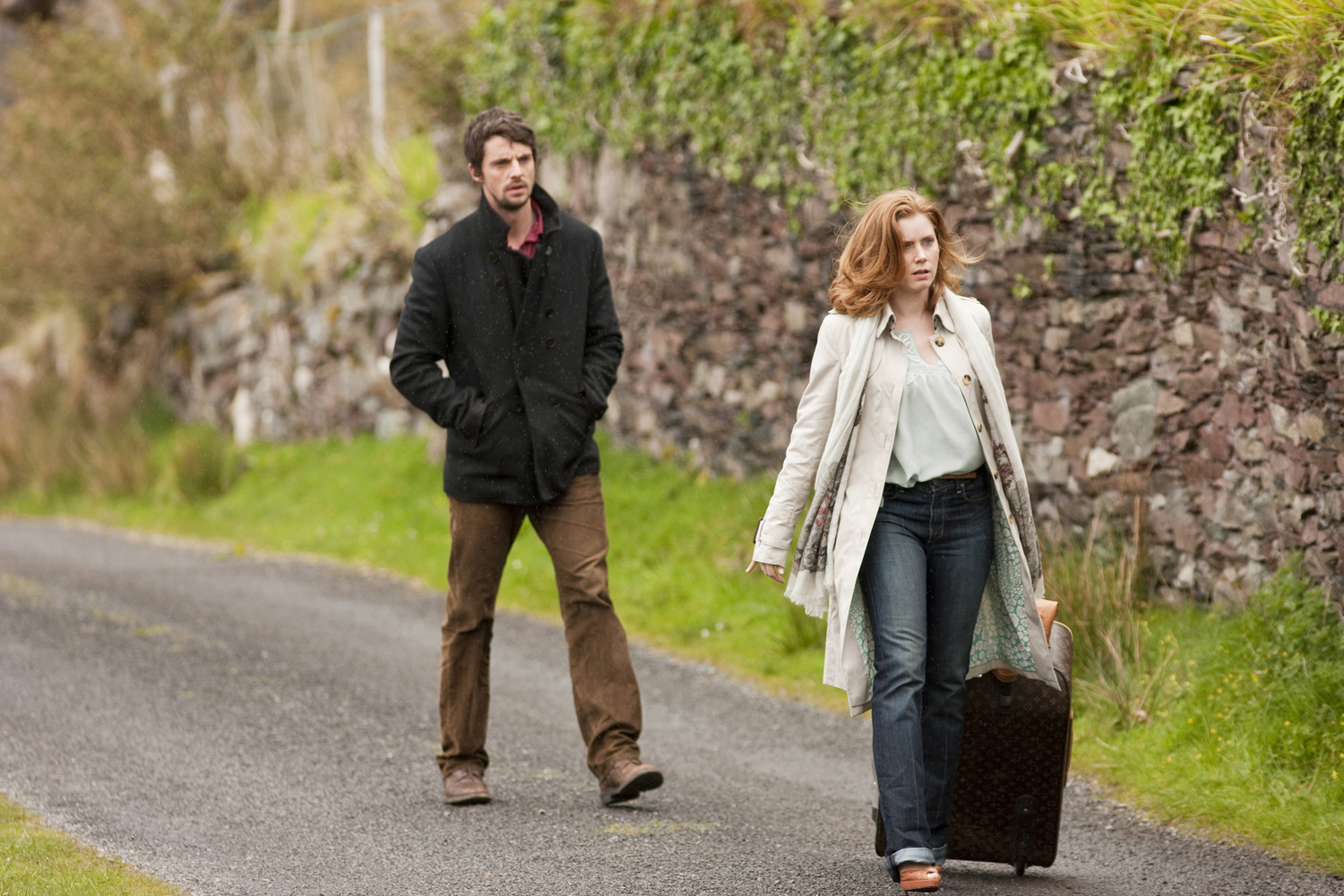
“Leap Year” (2010): This romantic comedy includes Irish Christmas elements, though primarily focused on romance rather than holiday celebration. The film shows stereotypical “Irish Christmas” from American perspective.
“P.S. I Love You” (2007): Parts of this romantic drama set in Ireland include Christmas elements, showing Irish Christmas through romanticized lens.
Various Films: Numerous international productions include brief Irish Christmas scenes, usually emphasizing picturesque villages, warm pubs, and stereotypical Irish Christmas imagery.
Irish Short Films and Christmas
Irish filmmakers have produced numerous Christmas-themed short films, often more experimental or personal than feature films.
Film School Productions: Irish film schools produce Christmas shorts as student projects, exploring Irish Christmas from young filmmakers’ perspectives.
Online Content: YouTube and similar platforms host various Irish Christmas short films, from professional productions to amateur works.
Animation: Irish animators have created Christmas animations, some incorporating Irish folklore and traditions.
Documentary Approaches
Irish documentaries have examined Christmas traditions and contemporary Irish Christmas culture.
RTÉ Documentaries: Irish national broadcaster RTÉ has produced documentaries about:
- Traditional Irish Christmas customs
- How Irish Christmas has changed
- Irish emigrants’ Christmas experiences
- Christmas in different Irish eras
Social Issue Documentaries: Some Irish documentaries examine Christmas from social justice perspective:
- Homelessness at Christmas
- Poverty and Christmas consumption pressure
- Loneliness during supposedly festive season
Irish Christmas on British Television and Film
Given close UK-Ireland connections, much Irish Christmas content appears in British productions.
British Films with Irish Characters: British Christmas films often include Irish characters or Irish settings, reflecting Ireland’s presence in British cultural consciousness.
Irish Actors in British Christmas Films: Irish actors frequently appear in British Christmas productions, bringing Irish sensibilities to British Christmas stories.
Why Few Irish Christmas Films?
The relative scarcity of Irish Christmas films reflects several factors:
Economic Reality: Small Irish film industry can’t support Christmas film production at scale. Christmas films are expensive, requiring period detail, elaborate sets, and commercial appeal.
Market Size: Ireland’s small population makes purely Irish market insufficient for commercial Christmas film success. Films need international appeal, reducing specifically Irish content.
Cultural Approach: Irish culture may not naturally produce commercial Christmas films. The Irish sensibility – comfortable with melancholy, skeptical of sentiment, literary rather than commercial – doesn’t align with Christmas rom-com formulas.
Television Alternative: Irish Christmas content appears more on television than in cinema, reflecting RTÉ’s strong production capacity and Irish viewing habits.
Literary Focus: Irish culture’s literary emphasis means Irish Christmas stories often work better as literature than cinema.
What Irish Christmas Films Show
The Irish Christmas films that exist reveal certain patterns:
Complexity Over Sentiment: Irish Christmas films tend toward complexity rather than simple sentiment. They embrace emotional ambiguity and psychological depth.
Class and Economic Realities: Irish Christmas films often address class, poverty, and economic inequality rather than avoiding these issues.
Community and Isolation: Irish films explore both Christmas community and isolation, showing how the supposedly communal holiday can intensify loneliness.
Memory and Past: Irish Christmas films frequently involve memory, the past’s influence on present, and how Christmas triggers reflection on what was and what might have been.
Drinking: Alcohol appears prominently in Irish Christmas films, reflecting its role in Irish social life and Christmas celebration.
The Irish Aesthetic in Christmas Film
When Irish filmmakers approach Christmas, certain aesthetic tendencies emerge:
Naturalism: Irish films tend toward naturalistic performance and settings rather than the heightened aesthetics of commercial Christmas films.
Gray Palette: Irish Christmas films often embrace Ireland’s actual winter palette – gray, wet, subdued – rather than artificial Christmas brightness.
Restraint: Irish Christmas films generally avoid melodramatic excess, preferring understatement and subtlety.
Authenticity: Irish productions prioritize authentic Irish speech, settings, and culture over commercial appeal or international accessibility.
Future Possibilities
The future might bring more Irish Christmas films as Irish film industry develops:
Streaming Platforms: Streaming services’ hunger for content might fund Irish Christmas productions.
Commercial Potential: Success of Irish television exports suggests market for Irish Christmas content.
Diaspora Market: Irish communities worldwide represent audience for Irish Christmas films.
Generic Productions: Ireland might become location for generic Christmas films using Irish settings without particularly Irish stories.
The Gap in Irish Cinema
The relative absence of Irish Christmas films represents a gap in Irish cinema that might be worth filling.
Stories Worth Telling: Irish Christmas experiences – emigrant returns, multigenerational family dynamics, pub culture, traditional customs – offer rich material for distinctive Christmas films.
Commercial Opportunity: An Irish Christmas film that captured authentic Irish Christmas while appealing to wider audiences could find significant market.
Cultural Expression: More Irish Christmas films could express Irish perspectives on celebration, family, community, and meaning unavailable in mainstream Christmas cinema.
What Irish Christmas Films Could Be
Imagining future Irish Christmas films suggests possibilities:
Emigrant Homecoming: Stories of Irish emigrants returning for Christmas could explore identity, belonging, and change.
Cork Spiced Beef Comedy: A comedy centered on Cork’s Christmas spiced beef tradition could offer specifically Irish humor.
Traditional Customs: Films exploring Wren Boys, Women’s Christmas, or other Irish customs could preserve and celebrate traditions.
Contemporary Christmas: Dramas exploring how contemporary Irish families navigate modern Irish Christmas could resonate widely.
Class and Community: Stories examining how different Irish communities experience Christmas could address social issues while remaining entertaining.
Conclusion
Irish Christmas films, while limited in number, offer distinctive perspectives unavailable in commercial Christmas cinema. From “The Dead”‘s profound meditation on memory and mortality to “Angela’s Ashes”‘ heartbreaking depiction of Christmas poverty, Irish Christmas films embrace complexity, authenticity, and emotional depth.
The relative scarcity of Irish Christmas films reflects economic realities, market challenges, and perhaps cultural tendencies that resist commercial Christmas film formulas. However, this scarcity also represents opportunity. Irish Christmas experiences – rich with tradition, complex with emotion, authentic in character – offer material for distinctive Christmas films that could resonate with audiences seeking alternatives to formulaic Christmas rom-coms.
For those seeking Irish Christmas films, the options are limited but rewarding. “The Dead” stands as essential viewing for anyone interested in Irish culture, Christmas, or cinematic excellence. Other films offer glimpses of Irish Christmas across different eras and contexts, each contributing to understanding how Irish people experience and represent Christmas.
The future may bring more Irish Christmas films as Irish film industry develops, streaming platforms seek content, and global audiences discover appetite for diverse Christmas stories. Until then, the existing Irish Christmas films offer valuable, if limited, windows into Irish Christmas culture and the distinctive Irish approach to celebration, community, and meaning.
Whether through adaptation of Irish literary masterpieces like Joyce’s “The Dead,” historical depictions like “Angela’s Ashes,” or future films yet to be made, Irish Christmas cinema has potential to offer world perspectives on Christmas that commercial Hollywood Christmas films cannot provide – perspectives rooted in authentic Irish experience, comfortable with emotional complexity, and honest about Christmas’s ability to be simultaneously joyful and melancholy, communal and isolating, celebratory and reflective.

Author: jonathan
Jonathan is the publisher of Irishtopia.net, Anglotopia.net, and Londontopia.net. He's passionate about travel and learning about other cultures. He's been to Ireland several times, and uses his travel expertise for Irishtopia!