
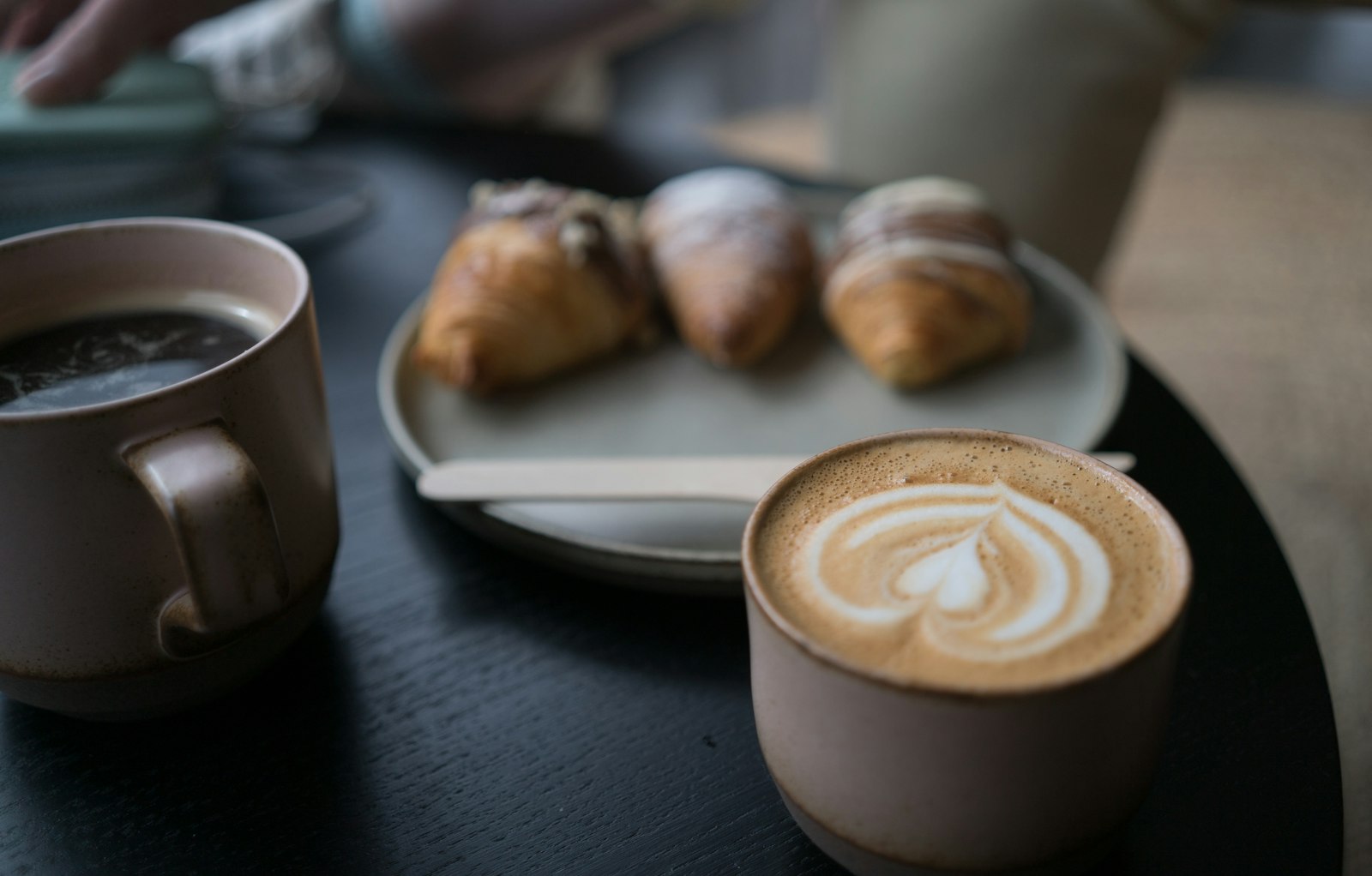
Photo by Christopher Di-Nozzi on Unsplash
Some of the world’s greatest culinary creations happen by accident, born from necessity or inspired improvisation rather than deliberate culinary planning. Irish coffee is one such creation—a drink that combines coffee, whiskey, sugar, and fresh cream in perfect balance, creating something greater than the sum of its parts. Yet unlike many beloved dishes whose origins fade into obscurity, Irish coffee has a precisely documented origin story, tied to a specific person, place, and moment in history. This is the story of how a resourceful Irish bartender in the late 1930s created a drink that would become one of the most beloved and imitated cocktails in the world.
The Setting: Foynes Flying Boat Base
To understand how Irish coffee came to be, we must first understand the context of Foynes, County Limerick, in the 1930s and 1940s. At this time, transatlantic air travel was in its infancy. Aircraft had limited range, requiring refueling stops on their journeys across the Atlantic Ocean. Foynes Flying Boat Terminal, on the estuary of the River Shannon, became one of the most important transatlantic aviation terminals in the world.
Flying boats, massive seaplanes that could land on water, were the primary means of long-distance air travel before land-based aircraft were developed with sufficient range for transoceanic flights. These aircraft were luxurious and expensive to operate. Passengers traveling from Europe to America (or vice versa) often spent significant time waiting at Foynes while their aircraft refueled, maintenance was performed, or weather conditions improved enough for the next leg of the journey.
Foynes was a small Irish town, unprepossessing and far from cosmopolitan. Yet the flying boat terminal meant that international travelers, including wealthy Americans, European aristocrats, and business executives, passed through regularly. The terminal’s restaurant and bar became crucial to the experience of transatlantic travel, serving as a place where passengers could rest, eat, and socialize while awaiting their next flight.
The Bartender: Joe Sheridan
The crucial figure in the story of Irish coffee is Joe Sheridan, a bartender at Foynes Flying Boat Terminal. Little is known about Sheridan’s early life or training, but by all accounts, he was an exceptionally skilled and creative bartender. He understood cocktail classics and the art of hospitality. He had the resourcefulness to solve problems creatively, and the confidence to try new approaches.
Around 1938 or 1939, a flying boat was delayed at Foynes due to mechanical problems. The scheduled departure had been announced, passengers had begun boarding, then word came that the aircraft needed additional repairs and the departure would be significantly delayed. The passengers were disembarked, disappointed and frustrated. Many returned to the terminal’s restaurant and bar, seeking solace and refreshment.
Among these disappointed passengers, spirits (both literal and metaphorical) were low. They had been promised a swift journey, only to face an indefinite delay. They were cold, tired, and irritable. Sheridan, observing their discomfort and frustration, decided to create something special—a drink that would be more than a simple cocktail, something that would warm them, refresh them, and cheer them.
The Creation: Inspiration and Innovation
Sheridan’s inspiration came from combining elements that were already present in the bar: Irish whiskey, coffee, sugar, and cream. The specific combination created a drink that transcended being merely the sum of its parts. Hot coffee provides the base, with its warmth and familiar comfort. Irish whiskey adds complexity, warmth, and alcohol content. Sugar balances the coffee’s bitterness and adds subtle sweetness. Fresh cream, carefully layered on top of the hot coffee-whiskey mixture, creates textural contrast and enriches the drink.
The technique of layering cream on top of the drink—essential to the classic Irish coffee presentation—creates a drink that engages multiple senses simultaneously. Visually, the white cream floating atop the dark coffee is striking and appealing. Aromatically, the coffee and whiskey scents dominate, with cream softening and mellowing the overall aroma. The initial taste experience involves the hot coffee-whiskey combination, with the sweetness and richness of the cream adding complexity. As one drinks, the cream gradually mixes with the coffee, creating a different flavor profile in each sip—an experience of constant change and discovery.
Sheridan asked one of the passengers, a travel writer named Ernie Dos Passos (sometimes accounts say it was a different passenger, but the travel writer designation is most frequently cited), to name the new drink. Dos Passos, impressed by the creation, supposedly asked if this was “Brazilian coffee.” Sheridan replied that no, it was Irish coffee. The name stuck.
The Response: A New Classic Is Born
The initial response to Irish coffee was overwhelmingly positive. The delayed passengers, having been given this special drink created specifically to cheer them, felt valued and cared for. Word of the drink spread among the aviation community. As more flying boats arrived at Foynes and more transatlantic travelers passed through the terminal, Irish coffee became a signature offering—something special that could only be obtained at Foynes, something that made the delay almost worth enduring.
The drink’s success was built on multiple factors. First, it was genuinely delicious and provided genuine comfort—warmth, caffeine, alcohol, and cream combined in a way that genuinely improved the mood and spirits of cold, tired travelers. Second, it was theatrical in its preparation and presentation—watching a skilled bartender prepare an Irish coffee, carefully layering the cream on the surface of the hot liquid, was an entertainment in itself. Third, it was novel and unique—travelers had not encountered this drink elsewhere and could not obtain it outside of Foynes, making it a special experience associated specifically with the location and the airline.
As aviation developed and flying boats were eventually replaced by land-based aircraft with greater range, Foynes lost its role as a crucial transatlantic hub. However, Irish coffee had already transcended its birthplace. Travelers who had experienced Irish coffee at Foynes wanted to enjoy it elsewhere. Bartenders in Dublin, London, and eventually New York and other cities began attempting to recreate the drink.
The Standardization: Harry Craddock and the Savoy Hotel
The story of Irish coffee’s international expansion centers on the Savoy Hotel in London and a legendary bartender named Harry Craddock. Craddock was one of the most respected and influential bartenders of his era, and his recommendations and innovations shaped cocktail culture globally.
Craddock encountered Irish coffee at some point and was impressed by the drink. He worked to perfect the recipe and technique, and importantly, he documented it. His influence as a prestigious bartender meant that when Craddock featured Irish coffee at the Savoy Hotel, other bartenders and establishments took note. What had been a regional specialty at a Irish flying boat terminal began to spread throughout Britain and eventually across the Atlantic.
The standardization of the recipe was crucial to Irish coffee’s global success. While variations exist, the core recipe became relatively consistent: a shot of Irish whiskey (typically about 1.5 ounces), hot coffee (about 4-6 ounces), sugar to taste (typically a teaspoon or so), and fresh heavy cream, poured gently over the back of a bar spoon to float on top of the hot liquid.
The technique of preparing Irish coffee is equally important to the recipe. The glass must be warmed (typically by pouring hot water into it and discarding the water before adding the drink components), ensuring that the hot coffee doesn’t crack the glass and helping maintain the drink’s temperature. The whiskey is poured, the coffee added, and sugar stirred in to dissolve. The cream is gently poured over the back of a bar spoon held just above the surface of the liquid, allowing it to float rather than sink and mix immediately.
Irish Coffee Reaches America
American bartenders discovered Irish coffee, and the drink quickly became popular in cocktail bars and Irish establishments throughout the United States. The drink appealed to American consumers for multiple reasons: it combined coffee and alcohol in a socially acceptable way (the coffee providing caffeine alongside the alcohol), it was relatively simple to prepare, it was distinctive and sophisticated, and it had an interesting story and cultural origin.
In San Francisco, the Buena Vista Cafe, located near the waterfront in the Ferry Building, became famous for its Irish coffees. The establishment’s bartenders worked to perfect the technique and became known for serving exceptionally high-quality Irish coffees. The Buena Vista’s success in popularizing Irish coffee in California helped cement the drink’s position in American cocktail culture.
The drink appeared in cocktail manuals, with bartender guides including recipes and preparation instructions for Irish coffee. As bartending became more professionalized and cocktail culture was revived following decades of relative decline, Irish coffee featured prominently among the drinks that professional bartenders were expected to be able to prepare well.
Why Irish Coffee Works: The Culinary Chemistry
The success of Irish coffee reflects not just novelty or marketing, but genuine culinary excellence. The drink works on multiple levels—physiological, sensory, and emotional.
Physiologically, the combination of hot liquid, alcohol, and caffeine creates a drink that genuinely affects human physiology. The hot liquid raises internal temperature, creating warmth. The caffeine provides an energizing effect. The alcohol has its own physiological effects, including relaxation and mood elevation. The sugar provides quick energy. Combined, these elements address multiple physical needs—warming a cold body, energizing a tired one, and improving mood.
Sensorily, the drink engages multiple senses in sequence. The visual presentation of white cream on dark coffee is striking. The aroma of coffee and whiskey is complex and appealing. The texture, with the initial contrast between hot liquid and cool cream, transitioning to homogenized mixture as one drinks, provides textural interest. The flavor develops as one drinks, changing as the cream gradually incorporates into the cooler liquid.
The balance of flavors is crucial. Irish whiskey provides warmth and character without overwhelming the coffee’s essential character. The sugar sweetens without making the drink cloying. The cream adds richness and fat content, which smooths harsh edges and creates luxurious mouthfeel. Each component exists in balance with the others—remove or substantially alter any component and the drink suffers.
Variations and Interpretations
As Irish coffee spread globally, variations emerged reflecting local traditions and bartender creativity. The fundamental structure—hot coffee, whiskey, sugar, and cream—remained relatively constant, but interpretations varied.
In Ireland itself, Irish coffee remains a beloved drink, though often enjoyed more as an evening/after-dinner drink rather than a daytime or travel refreshment. Irish cream liqueur (Bailey’s Irish Cream) sometimes appears in variations, though purists argue this is sacrilege, obscuring the essential characters of the coffee and whiskey.
Other spirit-based coffee drinks have been inspired by Irish coffee’s template. Spanish coffee incorporates brandy and is sometimes flamed for dramatic effect. French coffee adds Cognac. Italian coffee incorporates Amaretto or other liqueurs. These variations acknowledge Irish coffee’s influence while creating locally-appropriate versions.
Some contemporary bartenders have experimented with Irish coffee, exploring alternative whiskeys, different types of coffee, varying sweetener options, or alternative cream preparations. Some have created cold versions of Irish coffee, using cold brew coffee and different techniques to achieve the drink’s essential balance in a summer-appropriate format.
The Cultural Significance
Irish coffee transcends being simply a popular cocktail—it has become a cultural icon representing Irish hospitality, creativity, and craftsmanship. The drink carries associations with Ireland, travel, sophistication, and hospitality. For many Americans, Irish coffee is one of the most recognizable Irish contributions to global cocktail culture.
The story of Irish coffee—created by a resourceful bartender to cheer disappointed travelers, spreading from a small Irish town to become a beloved global drink—embodies values of hospitality, creativity, and perseverance. The drink represents Irish resourcefulness: taking simple, available ingredients and combining them brilliantly. It represents Irish hospitality: a bartender going beyond basic service to create something special for guests.
Irish coffee appears in popular culture, literature, and film as a marker of sophistication and Irish connection. Characters in movies and television shows order Irish coffee to signal their cultural awareness and appreciation for quality. The drink has become a standard offering in cocktail bars worldwide, expected to be available wherever cocktails are served.
The Perfect Irish Coffee
The preparation of a truly excellent Irish coffee requires attention to detail and practice. Professional bartenders often spend considerable time perfecting their Irish coffee technique, understanding how to warm the glass properly, layer the cream at precisely the right angle and speed, and balance the components for perfect harmony.
The quality of the component ingredients matters substantially. Good Irish whiskey—smooth and not too aggressive—provides the necessary character without overwhelming the coffee. High-quality, freshly-brewed coffee provides the essential coffee flavor without burnt or stale notes. Heavy cream—fresh and rich—floats properly and provides the essential textural and flavor component.
Many bartenders develop a personal touch or variation that distinguishes their Irish coffee. Some use particular brands of whiskey. Some use specific types of coffee. Some adjust the proportions slightly. These variations, while remaining within the essential framework, reflect bartenders’ personalities and preferences.
Conclusion: A Drink of Enduring Appeal
More than eighty years after Joe Sheridan created it to cheer disappointed airline passengers, Irish coffee remains one of the world’s most beloved and influential cocktails. The drink’s success wasn’t based on marketing or novelty alone, but on genuine culinary excellence—a drink that truly does improve mood and provide comfort, that engages multiple senses in pleasant ways, and that carries meaningful cultural associations.
For American drinkers, Irish coffee represents accessible sophistication. It’s not a complex drink requiring specialized knowledge to appreciate, yet it’s undoubtedly sophisticated and rewarding. It’s a drink with genuine history and provenance—not a recent invention but a proven classic. It’s a drink that connects the drinker to Irish culture and tradition, yet feels cosmopolitan and worldly.
Whether enjoyed in a Dublin pub, at a cocktail bar in New York, or in a home setting, Irish coffee continues to deliver what Joe Sheridan promised those disappointed travelers at Foynes: warmth, comfort, sophistication, and joy. In that achievement lies the enduring appeal and the lasting legacy of one creative bartender and his unforgettable creation.

Author: jonathan
Jonathan is the publisher of Irishtopia.net, Anglotopia.net, and Londontopia.net. He's passionate about travel and learning about other cultures. He's been to Ireland several times, and uses his travel expertise for Irishtopia!