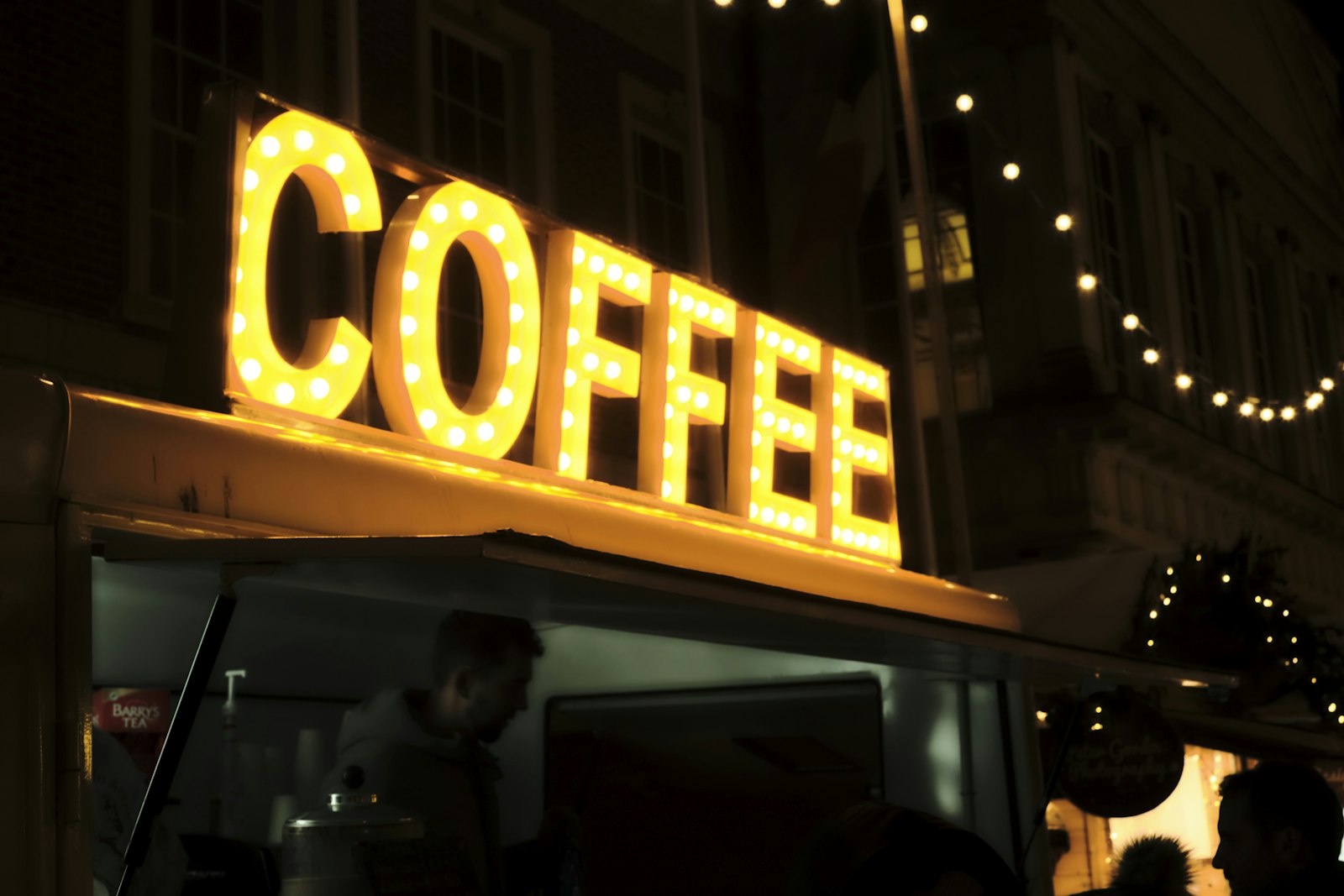
Photo by atelierbyvineeth … on Unsplash
Coffee shop culture defines modern Irish social life. Whether you’re a digital nomad seeking workspace, an expat looking for community, or simply someone who needs caffeine, Irish coffee shops are gathering places—third spaces between home and work where conversations happen, relationships develop, and business gets conducted. Understanding Irish coffee culture, where to find the best spots, and how to navigate the menu helps you integrate into this essential part of Irish life.
This guide explores Irish coffee shop culture, recommendations for major cities, and what to expect when you walk into a café.
The Evolution of Irish Coffee Culture
From Traditional Pubs to Modern Cafés
A generation ago, Irish café culture didn’t exist. Tea was the hot beverage of choice; coffee was an afterthought. But over the past 15 years, Irish coffee culture has exploded. Specialty coffee shops, artisanal roasters, and café culture have transformed Irish social life.
This shift represents Ireland’s evolution—globalization bringing international influences, younger populations’ expectations for cosmopolitan amenities, and entrepreneurs recognizing business opportunities.
Today, coffee shops are everywhere, from independent roasters to international chains. Irish people of all ages frequent them, working, studying, socializing, and conducting business.
Why Coffee Shops Matter Culturally
In America, coffee shops are convenience stops. In Ireland, they’re social institutions. Irish people spend hours in coffee shops, nursing a single coffee while reading, working, or meeting friends. The culture values lingering—you won’t be rushed.
This makes Irish coffee shops perfect third spaces for expats building community, working remotely, or simply decompressing.
Dublin Coffee Shop Scene
Specialty Roasters and Third-Wave Coffee
Kaph: Multiple locations across Dublin, specialty coffee roaster with excellent single-origin beans and flat whites. Aesthetic is minimalist; clientele is design-conscious. Peak times are chaotic; off-peak is peaceful.
Brewsmith: South Dublin location featuring pour-overs, specialty beans, and knowledgeable baristas. Small, cozy, perfect for single-origin coffee enthusiasts.
Two Fifty Square: Bagelry + coffee shop concept in Temple Bar. Good pastries, reliable coffee, tourist-friendly without being overly touristy.
The Barn: Northside Dublin location specializing in third-wave coffee. Educated baristas, excellent single origins, minimalist design. Often quiet—perfect for working.
Solas: Multiple locations throughout Dublin. Consistent quality, reliable Wi-Fi, comfortable for working. Less trendy than others but dependable.
Chains and Accessible Options
Insomnia Coffee Company: Irish chain with 40+ locations. Reliable coffee, reasonable prices, comfortable seating. Perfect for casual meetings and remote work.
Café Nero: International chain present in Dublin. Familiar to Americans; reliable quality and comfort.
Costa Coffee: UK chain with multiple Dublin locations. Similar to Café Nero—reliable but less distinctive than independent roasters.
Starbucks: Limited presence in Ireland (surprising to Americans who assume Starbucks is everywhere). One central location in Dublin; not embedded in Irish culture.
Neighborhoods and Vibes
Temple Bar: Tourist hub, crowded and expensive. Not recommended for regular visits.
Grafton Street/Brown Thomas area: Upscale, busy, full of chains and tourists.
George’s Street: Mix of independent shops and chains, bohemian vibes, younger crowd.
Stoneybatter/Smithfield: Northern Dublin, increasingly trendy with emerging coffee shops and creative community.
Southside neighborhoods (Ranelagh, Rathmines, Rathgar): Residential areas with excellent neighborhood coffee shops frequented by locals.
Dun Laoghaire: Seaside suburb with excellent coffee shops and less crowded atmosphere than city center.
Cork Coffee Culture
Notable Coffee Shops
Farmgate Café: Food-focused café with excellent coffee in historic building. Popular meeting place.
Accents Coffee: Specialty coffee roaster with multiple Cork locations. Quality similar to Dublin’s best.
Little Victories: Charming café with excellent coffee, pastries, and welcoming atmosphere.
Cork Coffee Roasters: Roastery and café in Old Market area. Quality beans and authentic coffee culture.
Character
Cork’s coffee shop scene is less trendy than Dublin but excellent. Neighborhoods like Sunday’s Well and Bishopstown have distinctive cafés frequented by locals. Less tourist influence means more authentic atmosphere.
Galway Coffee Culture
The Scene
Galway’s coffee shop culture is vibrant and community-focused. Many shops are musician-friendly—live sessions are common. Coffee shops double as cultural gathering places.
Spots to Visit
Alchemy: Specialty coffee, excellent pastries, welcoming vibe.
Brew Barrel: Cozy neighborhood café, local clientele, authentic atmosphere.
Freebird Coffee: Casual, comfortable, good for working or lingering.
Galway’s cafés are less polished than Dublin’s but more character-full and genuinely community-oriented.
The Irish Coffee Ordering Guide
Coffee Basics and Terminology
Espresso: Single or double shot of concentrated coffee (€2-€3). Italians drink espresso quickly; it’s also acceptable in Ireland.
Americano: Espresso diluted with hot water (€3-€4). Closer to filter coffee than espresso.
Flat White: Double espresso with steamed milk, small pour (€4-€5). Less foam than cappuccino, velvety texture. Very popular in Ireland—this is your safest bet for good coffee.
Cappuccino: Espresso with equal parts steamed milk and foam, larger than flat white (€4-€5). Classic Italian-style coffee.
Latte: Espresso with more steamed milk, less foam, larger volume (€4-€5). More milk-forward than cappuccino.
Café au lait: French-style coffee with hot milk. Less common in Ireland but available at some cafés.
Macchiato: Espresso with small amount of milk foam (€3-€4).
Cortado: Equal parts espresso and steamed milk (€3-€4).
Filter/Drip coffee: Americanized style coffee, less common in specialty shops but available.
Pour-over: Single-origin coffee brewed manually, emphasizing flavor (€4-€6).
Aeropress: Specialty brewing method, excellent for single origins (€4-€6).
Milk Options
All Irish coffee shops offer plant-based milk alternatives:
Oat milk: Most common, pleasant creamy taste (often €0.50 upcharge).
Almond milk: Lighter, less creamy (usually €0.50 upcharge).
Soy milk: Full-bodied, slightly stronger flavor (€0.50 upcharge).
Coconut milk: Less common, tropical flavor.
Asking for milk-free coffee (black) incurs no upcharge.
Temperature Preferences
Irish baristas will ask whether you want your coffee “hot or iced.” Standard assumption is hot; if you prefer iced (even in cold months), specify.
Pastries and Food
Croissants: Butter croissants (€2-€3), chocolate croissants (€2-€3), almond croissants.
Scones: Fruit scones or plain scones (€2-€3), served with jam and cream. An Irish staple.
Sourdough toast: Buttered or with spreads (€2-€3).
Brownies and cakes: Various cakes, brownies, and pastries (€2-€4).
Breakfast items: Some shops offer full breakfast (toast, scrambled eggs, bacon).
Sandwiches and salads: Lunch options at most shops (€5-€10).
Most Irish coffee shops source pastries from local bakeries rather than making them in-house, supporting community businesses.
Working From Coffee Shops
The Unwritten Rules
Purchase expectation: If you’re working for hours, purchase at least one drink. Purchasing food or multiple drinks is appreciated.
Seating: During peak hours (8-10am, 12-1pm), don’t occupy tables if you’re not actively consuming. Off-peak, lingering is encouraged.
Noise: Keep conversations quiet. Many people are working; respecting quiet is essential.
Laptop courtesy: Ensure your laptop and belongings don’t occupy excessive table space. Collapse stands or make room for others.
Wi-Fi: Password is usually on the receipt; quality varies by shop.
Best Shops for Remote Work
Quieter shops: The Barn, Brewsmith, Solas, Accents (Cork), Alchemy (Galway) are good for concentrated work.
Social shops: Kaph, Two Fifty Square have energetic vibes, less suitable for quiet work but good for co-working environment.
Commuter-friendly shops: Many near train stations cater to people with limited time; less appropriate for all-day work.
Irish Tea Culture (A Brief Interlude)
While coffee culture dominates, tea remains deeply embedded in Irish culture. Tea (black tea, primarily Lyons or Barry’s brand) is consumed at all hours.
Having tea: Ordering tea in an Irish café usually means black tea with hot water. Ask for “tea” and you’ll be served correctly. Asking for “herbal tea” or “green tea” requires specification.
Many Irish people prefer tea to coffee. Respecting tea culture is part of respecting Irish traditions.
Etiquette and Expectations
Payment and Tipping
Cash or card: Most Irish shops accept both. Contactless is standard.
Tipping: Not obligatory but appreciated (€0.50-€1 added to the bill). If you’re a regular or spend significant money, tipping builds rapport.
Ordering: Order at the counter, pay immediately, then find seating. The barista calls your name when your drink is ready.
Conversations and Community
Irish café culture is conversational. Chat with baristas about their day, comment on the weather, engage in small talk. This is how community builds.
Many regular customers are known by the barista staff. Becoming a regular creates a sense of belonging and often results in special treatment (free pastry, remembering your usual order).
Coffee Shop Recommendations by Expat Needs
For Digital Nomads
Best workspace: Solas (Dublin), Alchemy (Galway), Accents (Cork) offer reliable Wi-Fi, comfortable seating, and reasonable prices.
Budget: €4-€5 per coffee, €2-€3 per pastry. A full workday might cost €10-€15 per day.
For Social Connection
Community-focused: Neighborhood cafés in Southside Dublin (Ranelagh, Rathmines) attract regular locals. Small independent shops in Galway and Cork are inherently community spaces.
For Treating Yourself
Special occasions: Kaph and Two Fifty Square in Dublin, Farmgate in Cork offer excellent quality and comfortable setting for celebrations.
For Authentic Experience
Neighborhood cafés: Avoid city center chains; seek out neighborhood shops where locals gather. Ask residents for recommendations—you’ll discover gems.
Seasonal and Festive Coffee Culture
Summer
Outdoor seating becomes central to Irish café experience. Many shops have sidewalk tables. Irish people socialize outdoors during rare warm months.
Winter
Cozy interior seating, warm drinks, and lingering become attractive. Winter café culture is actually preferable for peaceful, focused work.
Christmas and Holidays
Special seasonal drinks, festive decoration, and enhanced warmth make winter café visits culturally significant.
Conclusion: Coffee Shops Are Community
Irish coffee shops are more than business transactions—they’re community gathering places where relationships develop, ideas form, and authentic Irish life happens.
Visit regularly, learn the baristas’ names, become a regular, engage in small talk, and let coffee shop culture become part of your Irish routine. You’ll discover that a simple flat white becomes a gateway to Irish community and belonging.
Your Irish coffee journey begins now.

Author: jonathan
Jonathan is the publisher of Irishtopia.net, Anglotopia.net, and Londontopia.net. He's passionate about travel and learning about other cultures. He's been to Ireland several times, and uses his travel expertise for Irishtopia!