
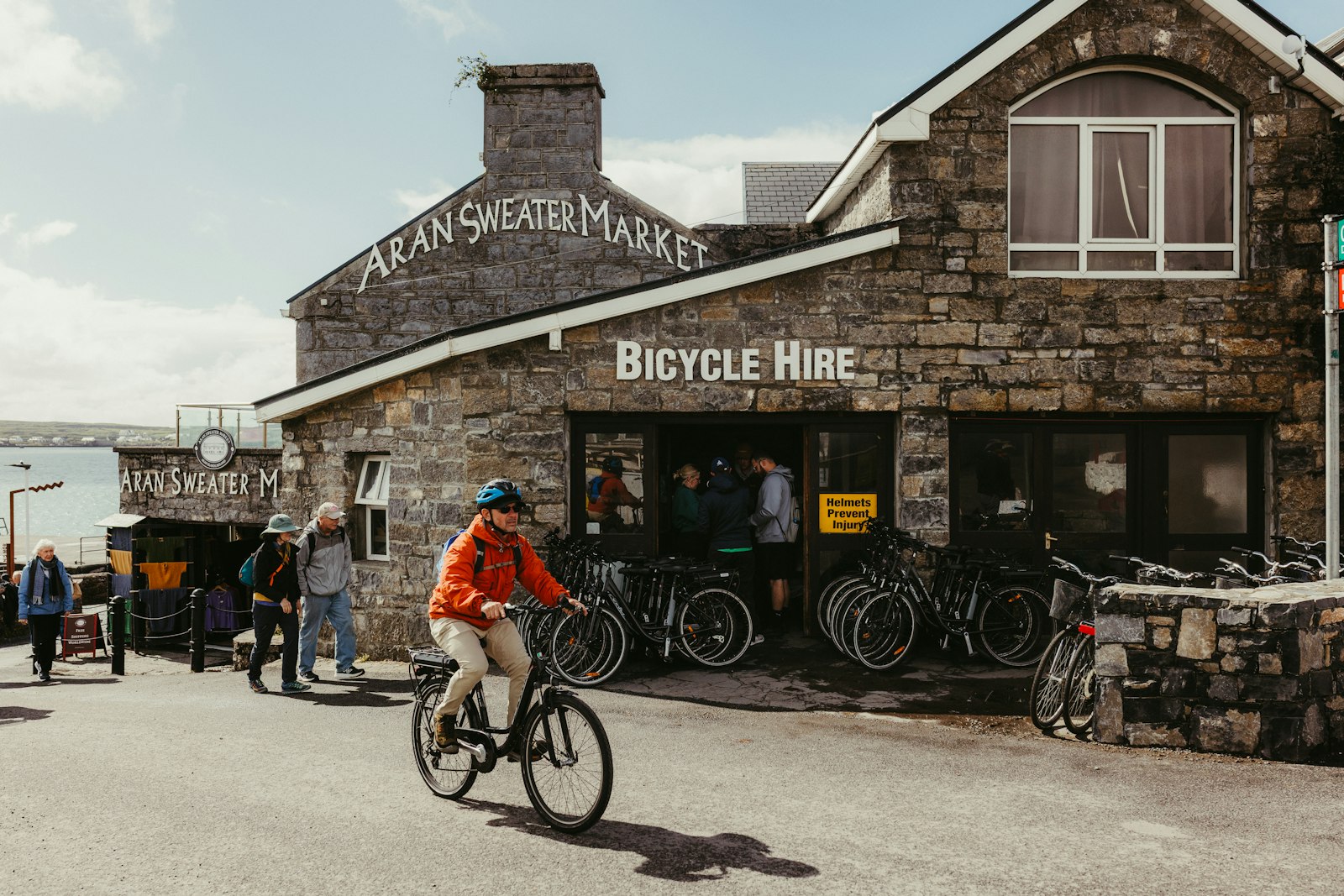
Photo by Jonathan Borba on Unsplash
Cycling is woven into Irish culture and identity. Ireland produces world-class cyclists, hosts the Tour of Ireland (part of the World Cycling Tour), and has passionate cycling communities. Yet cycling infrastructure varies dramatically between cities and countryside—Dublin has bike lanes; rural roads have none. Understanding Irish cycling culture, finding safe routes, and adopting Irish cycling norms helps you safely enjoy this uniquely Irish experience.
This guide explores Irish cycling, where to ride, safety considerations, and how to integrate into cycling communities.
Cycling in Irish Culture
Why Cycling Matters
Cycling in Ireland represents sustainable transport, athletic pursuit, and cultural identity. Irish people cycle for commuting, leisure, sport, and social connection. The Tour of Ireland garners national attention; professional cyclists are celebrated. Cycling is neither niche nor frivolous—it’s integral to Irish life.
This cultural investment means infrastructure is improving, communities are supportive, and cycling opportunities abound.
Types of Cycling
Urban commuting: Cycling in Dublin, Cork, Galway, and other cities for transportation.
Recreational cycling: Weekend rides through countryside, exploring Ireland’s landscape.
Road cycling: Competitive or challenging road rides on paved roads, often hilly.
Mountain biking: Off-road cycling in forested and mountainous areas.
Touring: Multi-day cycling trips carrying camping gear or staying in accommodations.
All types are viable in Ireland. Most Americans begin with urban commuting or recreational riding before advancing to road cycling or touring.
Urban Cycling and Infrastructure
Dublin’s Cycling Infrastructure
Dublin has invested significantly in cycling infrastructure. Dublinbikes (a public bike-sharing system) provides 1,600+ bikes at 100+ stations across Dublin. Monthly subscription: €25-€30. Day passes: €5.
Protected bike lanes: Dublin has installed over 400km of cycling infrastructure, with protected lanes on many major streets. The Luas Red Line, Royal Canal Greenway, and Grand Canal Greenway are scenic, safe cycling routes crossing Dublin.
Bike theft: Dublin’s major challenge is bike theft. Secure your bicycle with a heavy-duty U-lock and cable lock, never leaving it unattended. Register your bike with Gardaí (police) using its serial number and description.
Cork, Galway, and Other Cities
Cork has developing cycling infrastructure with dedicated lanes on some major roads. The city is less bike-friendly than Dublin but increasingly cycling-friendly.
Galway is naturally cycling-friendly with lower traffic and more willing car drivers. Protected infrastructure is less developed, but the small city scale makes cycling safe.
Other cities (Limerick, Waterford, Droichead Átha) have minimal cycling infrastructure. Cycling is possible but requires confidence navigating mixed traffic.
Urban Cycling Safety Tips
Visibility: Irish drivers don’t expect cyclists. Wear bright clothing, use lights (especially November-March when daylight is limited), and assume drivers don’t see you.
Be predictable: Signal turns clearly, maintain a straight line, and ride predictably. Sudden movements confuse drivers.
Respect traffic rules: Red lights and stop signs apply to cyclists. Running lights is illegal and dangerous.
Use roundabouts carefully: Roundabouts in Irish cities are challenging for cyclists. Either walk your bike across pedestrian crossings or take the lane assertively if riding through.
Child seats and trailers: If cycling with children, use approved child seats or trailers. Irish law requires appropriate restraints.
Helmets: Not legally required for adults but strongly recommended. Children under 14 should always wear helmets. Many Irish cyclists don’t wear helmets—don’t follow this example. Your head’s safety is paramount.
Recreational and Road Cycling Routes
Greenways and Rail Trails
Ireland has converted defunct railway lines into greenways—car-free, paved cycling and walking paths. These are spectacular for recreational riding:
Royal Canal Greenway (Dublin to Maynooth): 32km of flat, scenic riding through countryside just outside Dublin.
Grand Canal Greenway (Dublin to Kildare): 49km of gentle riding through Irish countryside.
Waterford Greenway (Waterford to Dungarvan): 46km of spectacular coastal views.
Ballyhoura Greenway (Limerick area): Mountain scenery with challenging climbs.
Sligo Leitrim Greenway: Northern west coast, dramatic landscape.
Greenways are perfect for family cycling, leisure riding, or building fitness. They’re safe, scenic, and connect to small towns with cafes and accommodations.
Road Cycling Routes
Wicklow Mountains Loop (south of Dublin): Spectacular 100km loop with challenging climbs and stunning views. Often considered one of Ireland’s best road cycling routes.
Ring of Kerry (Kerry): Famous 179km route around the Iveragh Peninsula. Busy with tour coaches but extraordinarily scenic.
Wild Atlantic Way segments: Coastal road following Ireland’s western coastline offers dramatic scenery and challenging terrain.
Burren region (County Clare): Limestone landscape with quiet roads and archaeological sites.
Mayo cycling routes: Less touristy than Kerry, offering authentic Irish countryside with reasonable traffic.
Mountain Biking
Ballyhoura Forest Park (Limerick/Cork border): Extensive trail network with beginner to advanced routes.
Glencree Forest (Wicklow Mountains): Mountain biking trails with city proximity.
Coillte Forests: National forestry program with over 400km of trails across Ireland.
Slattery’s Forest (Waterford): Beginner-friendly trails with scenic views.
Mountain biking is less organized than road cycling but growing. Many trails are informal (not officially maintained), so research conditions before riding.
Cycling Gear and Equipment
Bikes Available in Ireland
Buying bikes: Irish bike shops stock decent selection. Major brands (Trek, Giant, Specialized, Cube) are available at competitive prices.
Used bikes: Facebook Marketplace, Adverts.ie, and local bike shops sell used bikes at reasonable prices (€200-€600 for decent bikes).
Bike rentals: Most towns have rental shops offering day or weekly rentals for €15-€40 daily.
Essential Safety Equipment
Helmets: €40-€150 for quality helmets. Don’t skimp—your head deserves protection.
Lights: Front light (€20-€50) and rear light (€15-€40) are essential, especially in winter.
Locks: Heavy-duty U-lock (€30-€80) and cable lock (€15-€30). Cheap locks are cracked by thieves in minutes.
Reflectors and visibility gear: Clip-on lights, reflective vests, and bright clothing improve visibility.
Repair kit: Spare tubes, pump, multi-tool, and chain lubricant for roadside repairs.
Wetsuit or rain gear: Ireland’s weather demands water-resistant cycling clothing.
Cycling Communities and Events
Cycling Clubs
Most towns have cycling clubs organizing group rides, ranging from casual leisure rides to intense race training. Joining a club provides community, organized routes, and motivation.
Search “cycling club” plus your town name, or ask at local bike shops.
Cycling Events
Tour of Ireland: Annual professional cycling race (May) touring different Irish regions. Route changes yearly; it’s a spectator event and cultural celebration.
Cycle Against Suicide: Annual mass participation fundraiser (June), thousands cycling from Dublin to Shannon (300km+).
Sportives: Organized cycling events (typically 60-160km) welcoming recreational riders. Events occur throughout the year in various regions.
Bike to Work Week (May): National initiative encouraging commuting by bicycle. Many towns organize events.
Gran Fondos: Mass participation cycling events on scenic routes, ranging from 80-200km.
Participating in events provides community, training structure, and motivation.
Cycling Challenges and Solutions
Weather
Irish weather is unpredictable—rain is common. Invest in quality waterproof gear (jacket, tights) and consider cycling year-round with appropriate clothing.
Winter daylight is limited (sun sets around 4pm November-January). Use lights, reflective gear, and bright clothing.
Road Safety
Irish roads are narrower than American roads, with limited shoulders. Drivers are generally courteous to cyclists, but traffic can be heavy on major routes.
Solutions: Use quieter secondary roads when possible, stay visible, assert your presence on the road, and assume drivers might not see you.
Bike Theft
Bike theft is real, particularly in cities. Always lock your bike, never leave it unattended, and consider registering with police.
Hills
Ireland has numerous climbs. Many Americans underestimate them—what appears gentle becomes challenging at 5-8% grade over several kilometers.
Train on hills, use appropriate gears, and pace yourself. Hill training significantly improves cycling fitness.
Cycling Transportation and Commuting
Commuting by Bike
Many Americans commute by bicycle in Irish cities. Benefits include:
- Cost savings (€0 vs. €100+ monthly public transport)
- Exercise and fitness
- Environmental benefit
- Independence and flexibility
Challenges include weather, safety concerns, and physical exertion (hills).
Many commuters use e-bikes (electric-assist bicycles), which make hills manageable and reduce physical strain. E-bikes cost €1,500-€3,000 but are becoming increasingly common.
Bike Parking and Security
Secure bike parking at your workplace is essential. Many employers provide bike racks or secure bike rooms.
If your workplace lacks bike parking, lock your bike in a visible location near the building (rather than hidden) to deter thieves.
Training and Fitness
Beginner Cycling
If you’re new to cycling, start with easy 10-20km recreational rides, building distance and fitness gradually. Within 4-6 weeks, you’ll notice improved fitness.
Winter is excellent for starting because fewer cyclists are riding; roads are quieter and less intimidating.
Cycling Fitness Progression
Stage 1 (Weeks 1-4): Easy 20-30km rides building base fitness.
Stage 2 (Weeks 5-12): Longer rides (40-60km) and introduction to hills.
Stage 3 (Months 4-6): Specific training (hill repeats, tempo efforts) and longer tours (80-120km).
Stage 4 (Beyond 6 months): Advanced training, competitive events, or long-distance touring.
Many cycling clubs offer training groups at various fitness levels, accelerating progression.
Cycling and Travel
Cycle Touring
Multi-day cycling trips combining exercise, accommodation, and exploration are increasingly popular in Ireland. Tour operators offer guided cycling tours (€1,500-€3,000 per week), or you can organize independent tours.
Self-guided touring requires planning routes, booking accommodations, and managing logistics but offers freedom and authentic experience.
Conclusion: Cycling is Integral to Irish Life
Cycling in Ireland offers transportation, recreation, fitness, and community engagement. The landscape is spectacular, cycling infrastructure is improving, and communities are welcoming.
Start with greenway rides to build confidence and fitness. Join a cycling club to meet people and discover routes. Invest in safety equipment and good gear. Respect Irish driving culture and prioritize visibility and safety.
Within months, cycling will be part of your Irish identity—a way to explore the countryside, maintain fitness, and connect with your adopted community.
Your Irish cycling adventure awaits.

Author: jonathan
Jonathan is the publisher of Irishtopia.net, Anglotopia.net, and Londontopia.net. He's passionate about travel and learning about other cultures. He's been to Ireland several times, and uses his travel expertise for Irishtopia!