
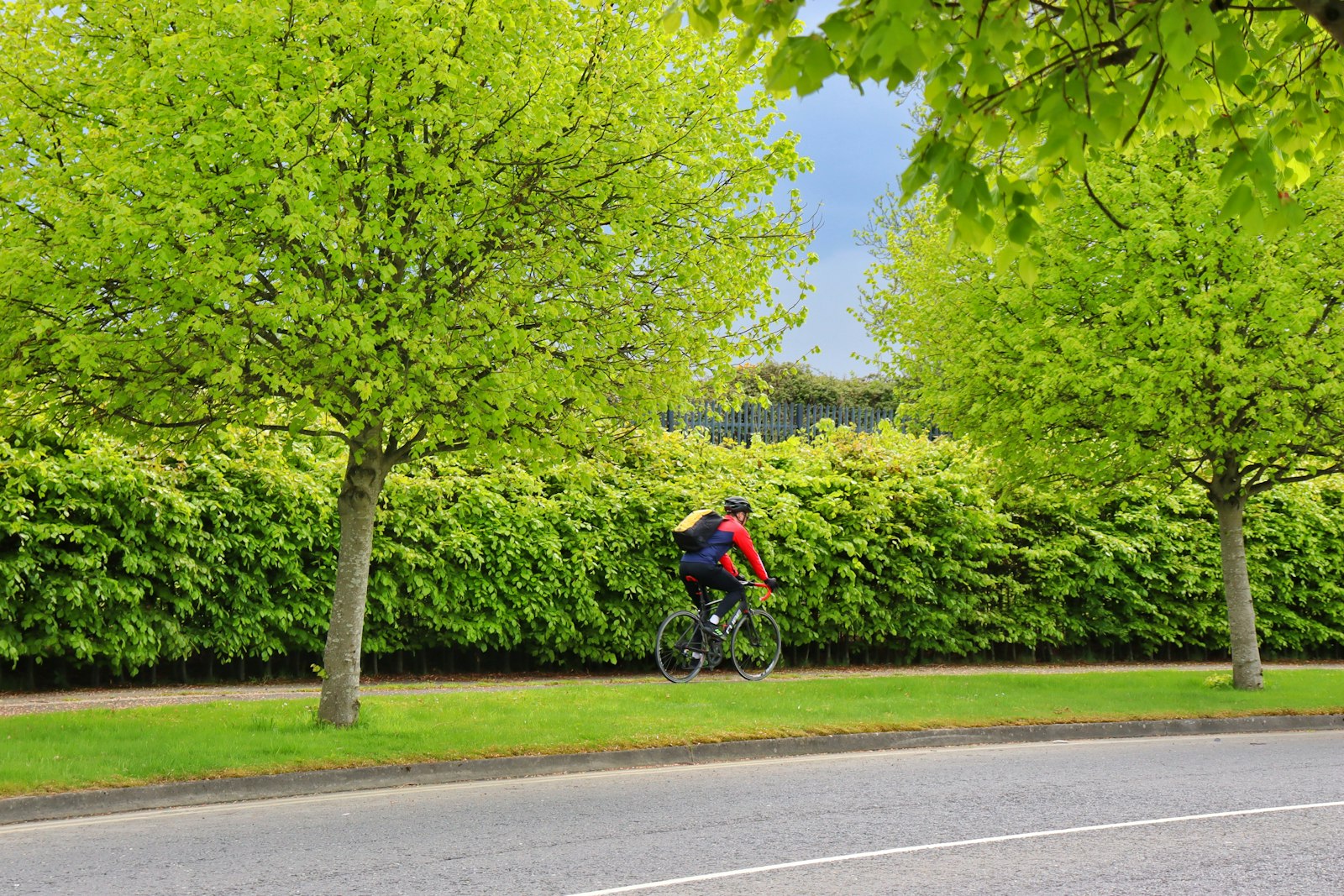
Photo by Jibin P Mathew on Unsplash
Cycling represents an interesting paradox in Irish sports culture. While the sport has produced several riders of world-class caliber, including Tour de France winners, it lacks the deep cultural roots or mass participation of GAA sports. Yet for those who participate in cycling—from recreational riders enjoying Ireland’s scenic roads to elite professionals competing in the world’s toughest races—the sport offers something distinctive: the combination of individual excellence, grueling physical demands, and the opportunity to compete globally against the world’s best cyclists.
For American sports enthusiasts interested in cycling or Irish sports, Irish cycling offers compelling narratives, athletes of genuine world-class quality, and insight into how cycling culture functions within a broader Irish sporting landscape dominated by different traditions. Understanding Irish cycling means appreciating how sport can achieve excellence without necessarily achieving mass cultural penetration.
The History of Cycling in Ireland
Cycling arrived in Ireland during the late 19th century as the sport emerged globally. The bicycle’s development in the 1880s created a transportation and sporting revolution, and Ireland participated in this transformation like other developed nations.
Early cycling in Ireland was primarily recreational, with cyclists using bicycles for transportation and leisure. Racing emerged as the sport developed, with organized cycling clubs and competitions establishing themselves in the late 19th and early 20th centuries.
The Irish Cycling Association was established to oversee amateur cycling and develop riders. Throughout the 20th century, Irish cyclists competed internationally, representing their nation at Olympic Games and international championships.
However, cycling never achieved the mass participation or cultural significance of GAA sports. Several factors contributed to this. The GAA’s explicit association with Irish cultural identity gave it political and nationalist significance. Rugby, while imported, became integrated into Irish middle and upper-class culture. Cycling, meanwhile, remained somewhat peripheral to Irish sporting identity.
Additionally, cycling’s competitive structure (featuring individual athletes competing against international competition rather than team-based national competitions) created a different relationship to community and national identity. A GAA player represents their parish and county; a cyclist represents themselves and their team, with national teams being less central to the sport’s structure.
Early Irish Cycling Excellence
Despite cycling’s peripheral cultural status, Irish cyclists achieved notable international success. The sport produced riders capable of competing with the world’s best and winning significant international competitions.
One of cycling’s great achievements in Irish sports history came in the 1980s, when Sean Kelly emerged as one of the world’s finest cyclists. Kelly competed in road racing and track cycling, achieving success in one-day races and stage races. His consistency and competitive excellence made him a respected figure in professional cycling.
Kelly’s competitive excellence was recognized internationally, though he never won the Tour de France (cycling’s most prestigious race) or other Grand Tours. However, his success in classics racing and stage races demonstrated that Irish cyclists could compete at the highest levels of professional cycling.
Stephen Roche: Ireland’s Greatest Cyclist
The most significant achievement in Irish cycling history came in 1987, when Stephen Roche won the Tour de France. Roche’s victory made him only the third Irish citizen ever to win the race (the previous winners being Sean Kelly and Seán Yates, who was technically British but born in Ireland’s historical context).
Actually, Stephen Roche was the first Irish-born cyclist to win the Tour de France—a distinction of significant importance in Irish sporting history. Roche’s 1987 victory was achieved through extraordinary talent, determination, and competitive excellence.
Roche’s 1987 season was remarkable. He won the Tour de France, then went on to win the World Road Race Championship (the sport’s world championship), and the Vuelta a Espana (a Grand Tour race). This achievement of winning the Tour de France and World Championship in the same year is extraordinarily rare, demonstrating Roche’s exceptional ability.
Roche’s background was relatively humble—he grew up in Dublin and developed cycling interest through family influence. His path to professional cycling was somewhat unconventional, but he possessed the talent and determination to reach cycling’s highest levels.
Roche’s 1987 season represented the apex of Irish cycling success. His victory in the Tour de France established him as a world-class cyclist and remains the most significant achievement in Irish cycling history.
The Post-Roche Era and Decline
Following Stephen Roche’s extraordinary achievements, Irish cycling experienced a gradual decline in international prominence. While Irish cyclists continued competing professionally, none achieved Roche’s level of success.
Several factors contributed to this decline. The professionalization of cycling globally created greater competition as more countries invested in developing cyclists. The economics of professional cycling shifted, with wealthier nations and wealthy sponsors dominating elite cycling.
Additionally, the cycling industry itself evolved. Professional cycling teams became increasingly globalized, with riders from different nations competing on international teams. The idea of national cycling programs developing elite riders became less relevant in a globally integrated sport.
This shift reflected broader changes in sports economics—elite sport became increasingly globalized and commercialized, reducing the competitive advantage that nations with strong domestic cycling cultures could maintain.
Contemporary Irish Professional Cyclists
Modern Irish cycling includes several riders of note, though none achieving Stephen Roche’s level of international success:
Mark Beaumont is a Scottish-born (though Irish-heritage) cyclist who has achieved success in long-distance racing and ultra-cycling endurance events. While not a traditional Grand Tour cyclist, Beaumont’s achievements represent contemporary cycling excellence.
Sam Bennett is an Irish cyclist who has achieved success in professional cycling, competing for major European teams. Bennett represents the contemporary generation of Irish professional cyclists competing in the sport’s elite levels.
Eddie Dunbar is another Irish professional cyclist who competes in the international peloton, representing Ireland in the contemporary cycling scene.
Dan Martin had a professional cycling career competing at high levels in stage races and one-day races, representing Irish cycling during the 2010s.
These contemporary cyclists demonstrate that Irish cycling continues producing quality riders, though they compete within a global professional structure rather than generating the national significance that Stephen Roche’s achievements created.
Amateur Cycling and Cycling Culture
Beyond professional cycling, amateur cycling maintains a significant community in Ireland. Cycling clubs throughout the country provide training, community, and competitive opportunity for recreational and aspiring cyclists.
Amateur cycling competitions, including national championships and various racing events, provide structured competitive opportunity for non-professional cyclists. These competitions range from local races to national-level events.
The amateur cycling community serves important functions beyond racing. Cycling clubs provide social gathering, fitness training, and community connection. Many people participate in cycling primarily for recreational fitness and social reasons rather than competitive ambition.
The Irish cycling community values the sport’s traditions and history, with cycling clubs often maintaining long histories and strong community connections.
Recreational Cycling and Tourism
Ireland’s scenic landscape and road infrastructure have made it a popular cycling destination. Recreational cyclists travel to Ireland specifically to experience cycling the country’s roads, participating in organized cycling tours and independent cycling adventures.
The growth of recreational cycling has created economic opportunities through cycling tourism. Companies organize guided cycling tours, provide accommodation for cycling tourists, and offer cycling-related services and retail products.
Recreational cycling has become increasingly popular, reflecting broader global trends toward outdoor recreation and fitness activities. This growth has elevated cycling’s cultural profile in Ireland, even if competitive cycling remains relatively niche.
The Tour of Ireland
The Tour of Ireland is a multi-stage professional cycling race that serves as Ireland’s premier cycling event. Established in 1953, the race has been held regularly (with some interruptions) and features international professional cyclists competing over multiple days.
The Tour of Ireland represents an opportunity for professional cyclists to compete at high levels and for Irish cycling to showcase its tradition and contemporary quality. The race attracts international teams and cyclists, creating a significant cycling event.
However, the Tour of Ireland’s profile has declined in recent decades as professional cycling has become more globally integrated. The race is no longer considered one of the sport’s most prestigious stage races, though it remains important within Irish and European cycling culture.
Women’s Cycling
Women’s cycling in Ireland is developing, though it remains less developed than men’s cycling. The growth of women’s professional cycling globally has created opportunities for Irish women cyclists.
Several Irish women cyclists compete at professional levels in European cycling teams. While not yet achieving the international prominence of some contemporary male Irish cyclists, the field is growing.
The expansion of women’s cycling reflects broader trends toward greater gender equality in sports. As women’s cycling opportunities increase globally, Irish women have increasing opportunities to pursue cycling professionally.
Cycling and the Environment
Cycling’s alignment with environmental sustainability has elevated its cultural significance. As climate change concerns increase and environmental awareness grows, cycling is recognized as a sustainable transportation mode and physical activity.
Irish governments and municipalities have invested in cycling infrastructure, including dedicated cycling lanes and cycling programs. These investments support both recreational and commuting cycling.
Environmental consciousness has enhanced cycling’s cultural profile, attracting people who might not have been interested in competitive cycling but appreciate the environmental and health benefits of cycling.
Sean Kelly and the Legacy of Irish Cycling
Sean Kelly, who competed professionally from the 1970s through the 1990s, represented the era of Irish cycling before Stephen Roche’s dominance. Kelly was exceptionally talented, winning numerous prestigious one-day races and achieving success in stage races.
Though Kelly never won a Grand Tour, his consistency and competitive excellence made him one of the era’s most respected cyclists. His legacy represents the diversity of cycling excellence—not all great cyclists win Grand Tours, and Kelly’s achievements in classics racing and stage races represent significant sporting accomplishment.
The Economics of Professional Cycling
Professional cycling is an economically complex sport. Cyclists are employed by professional teams that receive sponsorship from companies seeking advertising exposure. The economics require sufficient sponsorship to pay team staff, cover travel and equipment costs, and compensate cyclists.
For Irish cyclists, the global economics of professional cycling means they must seek opportunities on international teams. Few Irish-based professional teams exist, so Irish cyclists typically compete for European teams.
This reality reflects broader economic pressures in sports—elite sport concentrates in wealthy regions and nations with substantial economic resources to support professional teams.
Cycling Infrastructure and Development
Ireland’s investment in cycling infrastructure has implications for the sport’s future. Better cycling facilities, infrastructure, and community programs could increase participation and potentially develop more elite cyclists.
Conversely, limited resources compared to countries with stronger cycling traditions means Irish cycling development faces constraints relative to nations with more robust cycling cultures.
Medical and Scientific Approach to Cycling
Modern professional cycling has become increasingly scientific. Teams employ sports scientists, coaches, nutritionists, and medical professionals who optimize athlete performance through scientific approaches.
Irish cycling has benefited from these developments, though Irish cyclists often access these services through international teams rather than Irish-based support structures.
The Cycling Media and Public Engagement
Cycling’s media profile in Ireland is modest compared to GAA sports or rugby. While cycling receives coverage, particularly during major international events like the Tour de France, the sport doesn’t command the daily media attention or public engagement of more culturally central sports.
This limited media profile reflects cycling’s cultural position—respected and supported by its community but not integrated into broader national sporting consciousness the way GAA sports are.
Challenges and Future Prospects
Irish cycling faces several challenges. The sport’s limited cultural penetration and smaller domestic market compared to larger European nations constrains investment and professional opportunities.
The professionalization of women’s cycling creates opportunities, but development has been gradual. The expansion of women’s cycling could increase overall participation and create additional pathways for elite development.
Climate change and environmental challenges may affect cycling infrastructure and training opportunities. Extreme weather and facility pressures could challenge the sport’s development.
Despite these challenges, cycling persists in Ireland with a dedicated community of riders, teams, and supporters committed to the sport.
Conclusion: Cycling’s Distinctive Place in Irish Sports
Irish cycling occupies a unique position within Irish sports culture. Unlike the GAA, which defines national identity, or rugby, which represents international competition within established structures, cycling is a sport of individual excellence competing globally without deep cultural roots in Irish identity.
Yet cycling has produced world-class athletes like Stephen Roche and continues developing quality cyclists competing internationally. The sport maintains a recreational community and a professional structure, even if it remains peripheral to broader Irish sporting consciousness.
For American cycling enthusiasts interested in Irish sports, Irish cycling offers quality competition, compelling individual athletes, and insight into how sport excellence can exist without mass cultural penetration. Stephen Roche’s 1987 Tour de France victory remains one of sport’s great achievements, demonstrating that Irish cyclists can compete at cycling’s highest levels.
Understanding Irish cycling means appreciating the diversity of Irish sports—not everything significant is rooted in cultural tradition or mass participation. Some sports achieve excellence through the dedication of smaller communities committed to pursuing athletic excellence at the highest levels. That’s what makes Irish cycling distinctive and worth recognizing as an important, if not always prominently celebrated, component of Irish sporting life.

Author: jonathan
Jonathan is the publisher of Irishtopia.net, Anglotopia.net, and Londontopia.net. He's passionate about travel and learning about other cultures. He's been to Ireland several times, and uses his travel expertise for Irishtopia!