
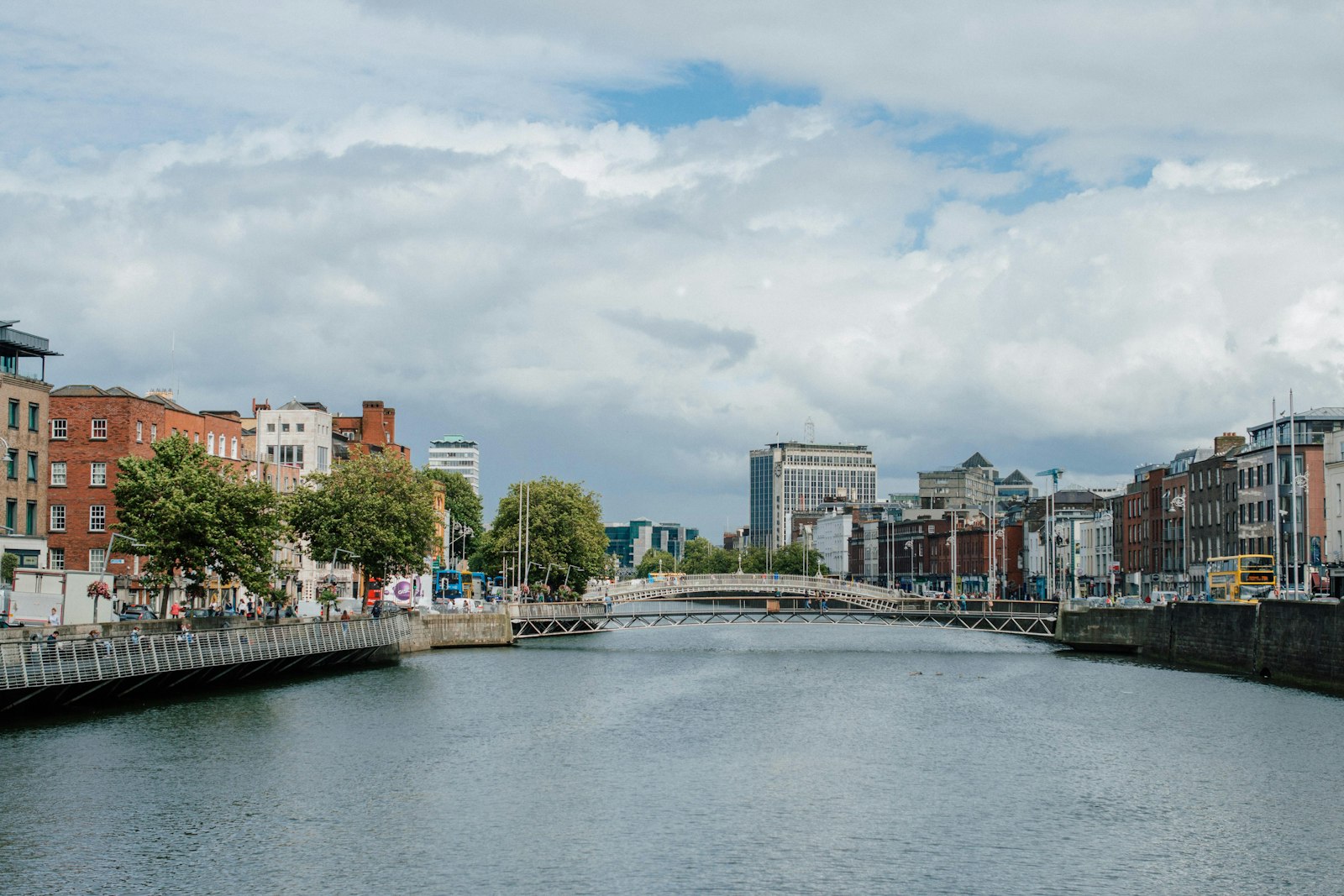
Photo by Gadiel Lazcano on Unsplash
Irish cinema has produced some of the world’s most acclaimed films, launched international careers, and created a distinctive Irish cinematic voice. From John Ford’s “The Quiet Man” (1952) to contemporary masterpieces like “Aftersun” and “The Banshees of Inisherin,” Irish filmmaking has evolved from Hollywood adaptations of Irish literature to sophisticated indigenous cinema exploring Irish identity and universal themes.
For Americans, Irish cinema offers windows into Irish culture, historical moments, and contemporary sensibilities that reveal how Irish storytellers see their world and themselves.
The Historical Context
Early Cinema and Literary Adaptations
Irish cinema began largely as adaptation of Irish literature. Hollywood’s interest in Irish stories, combined with Ireland’s literary tradition, created natural synergy.
Directors and producers adapted James Joyce, William Butler Yeats, and other Irish literary giants for cinema. These films brought Irish stories to global audiences.
The Quiet Man and Cultural Import
“The Quiet Man” (1952), directed by John Ford and starring John Wayne, became iconic American cinema about Ireland. The film depicts an American man returning to rural Ireland, finding love and community.
For many Americans, “The Quiet Man” defined Ireland culturally—lush green landscapes, romantic countryside, simple rural communities. It became the template for how Americans imagined Ireland.
However, Irish filmmakers note the film was primarily American cinema about Ireland rather than Irish cinema. It reflected American romanticism more than Irish reality.
The Lack of Irish Cinema Infrastructure
For decades, Ireland lacked native film industry infrastructure. Filmmaking happened when international productions arrived. Irish creative talent often emigrated to pursue filmmaking opportunities.
This changed gradually, with government investment, tax incentives, and support for indigenous film production.
Contemporary Irish Film Industry
Government Support and Incentives
Modern Ireland supports filmmaking through:
Irish Film Board/Screen Ireland: Government agency providing funding, grants, and support for Irish film and television production.
Tax incentives: Production companies receive significant tax benefits for filming in Ireland.
Co-production treaties: Ireland has agreements facilitating co-productions with other countries, reducing funding barriers.
These supports have transformed Irish cinema from absent industry to functioning creative sector.
Dublin as Production Hub
Dublin has become a European film production center. Its infrastructure, crew availability, locations, and government incentives attract productions.
International films filming in Dublin include Marvel productions, major dramas, and prestige projects seeking Ireland’s aesthetic and cost-effectiveness.
This creates jobs, infrastructure, and visibility for Irish creative talent.
Irish Filmmakers Gaining International Recognition
Contemporary Irish directors have achieved international success:
Yorgos Lanthimos: Greek-born director working in Ireland (“The Killing of a Sacred Deer”) achieved critical success.
Lakelands: Irish directors getting features to major festivals and distributors.
Barry Jenkins and others: International directors finding Ireland’s beauty and culture compelling for storytelling.
Notable Irish Films and Filmmakers
Classic and Important Films
“Brooklyn” (2015): Irish-American co-production about an Irish woman immigrating to 1950s America. Brought Irish-American experience to contemporary audiences.
“The Wind That Shakes the Barley” (2006): Ken Loach’s film about Irish independence struggle, winning Palme d’Or at Cannes.
“In the Name of the Father” (1993): Jim Sheridan’s film about the Guildford Four wrongful conviction, exploring Irish-British relations.
“My Left Foot” (1989): Agnieszka Holland’s film about Irish painter Christy Brown, winning Academy Awards.
“Breakfast on Pluto” (2005): Neil Jordan’s film about gender identity in Dublin, exploring Irish society’s attitudes.
Contemporary Masters
Martin McDonagh: Playwright-turned-filmmaker whose films (“In Bruges,” “Seven Psychopaths,” “The Banshees of Inisherin”) achieved critical and commercial success. McDonagh’s dark comedy and specific Irish sensibility have made him an international figure.
Lenny Abrahamson: Director of “Room” and other acclaimed films, known for intimate character studies.
Aisling Walsh: Director of “Penny Dreadful” series and other productions.
Actors Launching International Careers
Irish actors have launched internationally through Irish and international films:
Cillian Murphy: Star of numerous international productions, but Irish films like “Love is the Drug” connected him to Ireland.
Saoirse Ronan: Rising international star whose career benefited from Irish film roots.
Barry Keoghan: Young actor emerging through Irish and international productions.
Irish Cinema’s Distinctive Character
Themes and Sensibility
Irish cinema often explores:
Identity and belonging: Characters grappling with Irish identity, emigration, returning home.
Historical wounds: British-Irish relations, colonial legacy, independence struggle, internecine conflicts.
Moral complexity: Characters navigating ethical dilemmas without clear resolutions.
Loneliness and connection: Rural isolation, urban disconnection, struggles for human connection.
Humor in darkness: Dark comedy treating serious subjects with irreverence and wit.
This sensibility reflects Irish experience and Irish cultural perspective.
Visual Aesthetic
Irish filmography is visually distinctive. Irish landscapes—rocky coastlines, dramatic mountains, lush green valleys—are characters themselves in many films.
Irish cinematography emphasizes mood, atmosphere, and landscape beauty. Rain, grey skies, and dramatic weather are not obstacles but expressive elements.
This visual poetry creates distinctive Irish cinema aesthetic.
Storytelling Approach
Irish cinema often values character over plot. Stories meander, explore complexity, and resist neat resolution.
This reflects Irish literary tradition emphasizing voice, character, and philosophical inquiry over plot-driven narratives.
American cinema emphasizes clear narrative arcs and resolutions; Irish cinema often embraces ambiguity and complexity.
Irish Cinema and International Success
Festival Premieres and Awards
Irish films regularly premiere at major festivals (Cannes, Berlin, Venice, Toronto). Critical success at festivals often leads to international distribution.
Academy Award recognition for Irish films and filmmakers demonstrates international respect.
Streaming and International Distribution
Streaming platforms have expanded access to Irish films globally. Films premiere on platforms like Netflix, Amazon Prime, and Apple TV+ alongside or instead of theatrical release.
“Normal People” (2020) reached global audiences through BBC/RTÉ streaming partnership and international platform distribution.
Tourism and Cultural Interest
Irish films generate international tourism. Fans of “The Banshees of Inisherin,” “In Bruges,” or other Irish films visit filming locations, creating cultural tourism revenue.
Irish cinema serves as cultural ambassador, attracting international audiences to Ireland.
The Business of Irish Filmmaking
Production Costs and Financing
Irish film production costs are lower than equivalent American or UK productions, making Ireland attractive for budget-conscious productions.
Co-production funding combines Irish, British, European, and American capital.
Career Paths
Irish filmmakers can study at:
National Film School: Ireland’s primary film school, part of IADT (Institute of Art, Design and Technology).
BIMM: Music and creative school offering film programs.
University of Limerick: Graduate programs in film.
Industry Support
Screen Ireland provides:
- Development funding
- Production funding
- Post-production support
- Training and development programs
This infrastructure supports emerging filmmakers and established practitioners.
Challenges and Future Directions
The Streaming Question
Streaming platforms are changing how films are produced, distributed, and consumed. Traditional theatrical distribution is declining.
Irish filmmakers must navigate balancing artistic vision with streaming platform demands.
Competition for Talent and Funding
Talented Irish filmmakers often pursue opportunities internationally. Retaining creative talent while supporting diverse voices remains challenging.
Representation and Diversity
Irish cinema has historically centered majority viewpoints. Contemporary conversations focus on ensuring diverse voices, stories, and experiences are represented.
Watching Irish Cinema Today
Accessibility
Irish films are increasingly available through:
Relevant for Understanding Irish Culture
Irish films provide insight into how Irish people see themselves and their culture. They reveal contemporary issues, historical sensitivities, and cultural values.
Watching Irish cinema is simultaneously entertainment and cultural education.
Conclusion: Irish Cinema’s Enduring Evolution
Irish cinema has transformed from literary adaptations and international productions to a distinctive, recognized filmmaking tradition.
Contemporary Irish filmmakers are creating acclaimed work internationally. Irish stories are reaching global audiences. Ireland is becoming a respected film production center.
For Americans interested in cinema and Irish culture, Irish films offer remarkable windows into Irish sensibility, landscape, and identity.
Welcome to Irish cinema. The screen awaits.

Author: jonathan
Jonathan is the publisher of Irishtopia.net, Anglotopia.net, and Londontopia.net. He's passionate about travel and learning about other cultures. He's been to Ireland several times, and uses his travel expertise for Irishtopia!