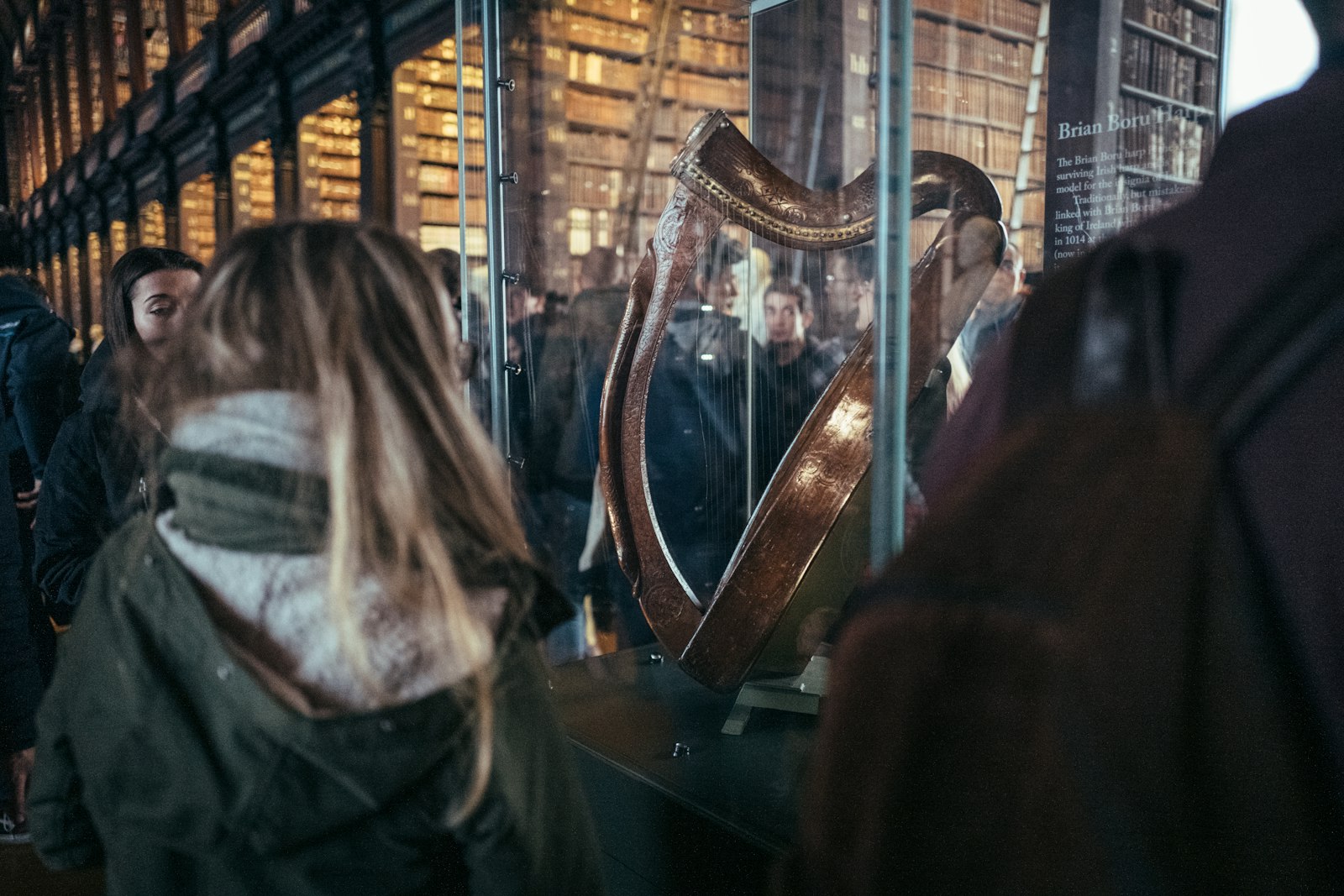
Photo by Loris Boulinguez on Unsplash
If there’s Irish blood in your family tree, the journey to discover your roots is both deeply personal and genuinely rewarding. For millions of Americans, Ireland represents ancestral heritage—the homeland their great-grandparents left behind in search of opportunity. The Irish famine, industrial displacement, and economic hardship drove nearly 5 million Irish people to America between 1840 and 1930, and their descendants now number over 30 million Americans who claim Irish heritage.
But Irish genealogy differs significantly from other ancestral research. Records are dispersed across parishes, counties, and archives rather than centralized. The Irish naming conventions can be confusing. And the historical context—famine, emigration, and record loss during independence—means some lineages fade into obscurity. Yet for those willing to invest time and patience, Irish genealogy is extraordinarily rewarding. You’ll discover not just names and dates, but the lives, struggles, and triumphs of your ancestors, and potentially reconnect with living relatives in Ireland today.
This guide provides a practical roadmap for tracing Irish ancestry, whether you’re beginning with vague family stories or working from detailed family records.
Building Your American Foundation
Before You Look to Ireland
The first critical rule of genealogy: research downward from what you know, not upward from what you hope to find. Start with yourself and work backward methodically, documenting each generation with verified evidence. Aunts, uncles, older cousins, and parents often hold crucial information: ship manifests containing departure points, naturalization papers showing Irish county origin, religious records, old letters, photographs, or family bibles with handwritten genealogies.
Conduct a thorough family interview. Call relatives and ask specifically: “Where in Ireland did our family come from? What was their full name? When did they arrive in America? What religion were they? Do you have any family papers, photos, or documents?” Write down everything, even contradictions—they often point toward areas for verification.
Locating American Records
The 1930 US Census is your starting point. It’s the most recent freely available census and includes the birthplace of each person listed. The 1940, 1950, and later censuses became progressively less helpful for genealogists as they contain less detail. Access census records through Ancestry.com, FamilySearch.org, or Fold3.com, all of which allow some free searching with paid access for full details.
Once you’ve identified your Irish-born ancestor in the census, locate their naturalization papers. Naturalization records contain the individual’s age, birthplace (often listing a specific Irish townland), arrival date, and ship name. These records are searchable through the US National Archives and increasingly on Ancestry.com. Naturalization papers are genealogical gold because they confirm Irish origin specifically.
Ship manifests from Ellis Island (where most Irish immigrants arrived) are searchable at EllisIsland.org and via Ancestry.com. Passenger lists show departure port (typically Cork, Galway, Belfast, or Derry), destination, occupation, age, and often the person they were joining in America—potentially a sibling or relative already settled.
Vital records (birth, marriage, death certificates) from American states help establish chronology and family relationships. Search your state health department’s vital records office or Vital Records Index online. Many records are accessible for a modest fee.
Death Certificates and Naturalization Papers
American death certificates are extraordinarily valuable for genealogists. They list parents’ names, including the mother’s maiden name. If your great-grandfather’s death certificate lists his parents as “James Murphy” and “Margaret Flynn,” you’ve identified the family line to pursue in Ireland.
Naturalization papers often appear in county courthouse records, available through Ancestry.com or directly from the courthouse where your ancestor naturalized. Petitions for naturalization frequently include more detail than final papers, including the exact townland in Ireland where the applicant was born.
Identifying Your Irish Townland
The Critical Importance of Townlands
Ireland’s geography differs fundamentally from America’s city-based address system. Ireland is divided into counties (32), then baronies, then civil parishes, then townlands. Townlands are the smallest administrative unit—typically comprising 200-500 acres with distinctive names like “Ballinacurra,” “Knocknacunnel,” or “Ballyhoolahan.” Many townlands contain fewer than 100 residents, and some have fewer than a dozen.
This matters because Irish records—from taxes to church registers—are organized by townland. If you know your ancestor came from County Cork, that’s a starting point, but knowing they came from “Ballyvourney townland” narrows your search from thousands of people to dozens.
How to identify your townland: Naturalization papers, ship manifests, US census records (which sometimes list townland), and emigration records often specify the townland. If you have only the county, the next step is challenging but manageable.
Using Maps and Geographic Resources
Townland maps are invaluable. The Irish Placenames Commission and various online resources provide historical maps showing every Irish townland. JohnByrne.ie offers free interactive maps. Google Maps and Bing Maps allow searching for Irish townlands; zoom to the townland level to visualize your ancestor’s landscape.
Compare modern spelling with historical variations. “Ballygowry” might appear as “Ballygoury,” “Ballygaurie,” or “Ballygawry” in old documents. The Placenames Database of Ireland explains naming variations and etymologies.
Finding Irish Church Records
Understanding Irish Denomination Distribution
Ireland is overwhelming Catholic (approximately 85%), but significant Protestant populations exist, particularly in Ulster. If you know your ancestor’s religion, it narrows the search. Catholic records are centralized at the diocese level; Protestant records vary between Church of Ireland, Presbyterian, Methodist, and Baptist congregations.
Accessing Catholic Records
Catholic records—baptisms, marriages, and burials—are maintained by individual parishes and dioceses. Most parishes keep records back to the late 1700s or early 1800s. However, they’re not digitized centrally, so you’ll either search through FamilySearch.org (which has digitized many Catholic records), Ancestry.com, or contact the parish directly.
Each Irish diocese maintains an archive. The Diocese of Cork and Ross holds records for Cork and parts of Kerry. The Archdiocese of Tuam covers Galway, Roscommon, and parts of Mayo. Finding the correct diocese involves identifying your ancestor’s townland, then determining which parish that townland belonged to, then which diocese oversees that parish.
To find your parish: Visit Irish Catholic Records online or contact the county’s heritage center. They maintain townland-to-parish cross-references and can immediately identify the correct parish and church for your townland.
Accessing Church of Ireland and Other Protestant Records
Church of Ireland records are similarly dispersed across parishes. The Church of Ireland Records Database provides some digitized records, but many remain in parish archives. Contact the parish directly—Church of Ireland parishes have been exceptionally welcoming to genealogists.
Presbyterian, Methodist, and other denomination records are more scattered but sometimes held in the Public Record Office of Northern Ireland (PRONI) if the church was in Ulster.
Parish Registers and What They Contain
Irish church registers typically contain: baptisms (recording child’s name, parents’ names, godparents, date), marriages (names, ages sometimes, parents’ names occasionally), and burials (name, age, sometimes occupation and townland). The level of detail varies by parish and priest; some registers are meticulously detailed while others are sparse.
Baptismal records are the most valuable. They typically list the child’s name, parents’ full names, and godparents’ names. Godparents were usually family members or close family friends, so they help identify extended family networks.
Marriage records provide spouses’ names and occasionally ages, helping establish chronology. Burials provide death dates and sometimes occupation, confirming when someone left Ireland or died there.
Civil Records and Land Documents
The General Register Office
Ireland’s General Register Office maintains centralized vital records (births, marriages, deaths) from 1864 onward. You can search their records online at Irishgenealogy.ie and order certificates for a fee (approximately €10-€15). This website is searchable by name, date range, and county.
Pre-1864 records don’t exist centrally and must be found through church registers.
Land and Valuation Records
Your ancestor’s townland can be researched through Valuation Records. The Tithe Applotment Books (1820s-1830s) and Griffith’s Valuation (1850s) list landholders by townland with valuations. These records can help establish your ancestor’s property, status, and time in Ireland.
Griffith’s Valuation is particularly valuable. It documents nearly every property in Ireland in the 1850s with the tenant’s and landlord’s names. If your ancestor was present in Ireland in 1850, they likely appear here. Searching Griffith’s Valuation by townland reveals not just your ancestor but the surrounding community—neighbors, relatives, and the social structure they inhabited.
Access these records through Ancestry.com, FamilySearch.org, or directly through county heritage centers.
Tenant Records and Estate Papers
Irish estates maintained meticulous records of their tenants. If your ancestor rented land (most Irish did), the landlord’s estate papers might contain your family history. Estate archives are scattered across repositories: the National Library of Ireland, county record offices, and local heritage centers.
Search the National Library of Ireland catalog online to identify surviving estate papers. Some are digitized; others require in-person or remote research requests.
Finding Living Irish Relatives
Using Modern DNA and Record Databases
Once you’ve traced your lineage back to your Irish ancestor, you can pursue living connections. DNA testing through Ancestry.com, FamilyTreeDNA, or 23andMe identifies living genetic matches, many of whom have Irish genealogy established. Cousins you’ve never met may appear as matches, and they often have Irish family knowledge.
When you contact DNA matches, introduce yourself clearly, explain how you’re related (approximately—”4th cousin, my great-grandfather’s siblings remained in Ireland”), and ask what they know about family origins. Many Irish genealogy enthusiasts maintain detailed family trees and are delighted to help American cousins.
County Heritage Centers
Ireland’s Heritage Centers are invaluable resources for contacting living relatives. The Irish Heritage Council coordinates these centers, which exist in most counties. They maintain genealogical databases, often including emigrant family members, and frequently contact living Irish relatives on behalf of Americans researching their roots.
Search for your townland’s county heritage center, contact them with your ancestor’s details, and ask about tracing services. The typical fee is €100-€200, and they’ll research your lineage, identify living relatives in Ireland, and potentially arrange meetings or contact.
Facebook Groups and Online Communities
Genealogy Facebook groups organized by Irish county are thriving communities. Search “County Cork genealogy” or “Galway Irish ancestry” and you’ll find hundreds of enthusiasts. Post your ancestor’s details and you’ll often receive responses within hours from people with local knowledge or matching family histories.
Practical Research Strategies
Creating a Timeline
As you gather information, create a timeline for each ancestor. List all known dates: birth, marriage, emigration, naturalization, death. Include gaps. These gaps are where additional records might exist.
Managing Records and Sources
Use free genealogy software like Gramps or Ancestral Quest to organize your research, or subscribe to Ancestry.com (which provides cloud storage for your family tree).
Crucially, document your sources. Note where you found each piece of information: “John Smith naturalization, Cook County Court, 1891” or “Census 1930, New York, dwelling 47.” Without sources, you can’t verify information or explain contradictions.
Research Plan for Each Ancestor
- Gather all American records (census, naturalization, vital records)
- Identify the Irish townland and county
- Determine the parish and diocese
- Search church records at FamilySearch.org or order from the parish
- Search civil records at Irishgenealogy.ie (post-1864)
- Check land and valuation records for property connections
- Contact heritage centers for living relatives and further research
- Consider DNA testing for cousins and validation
Working with Professional Genealogists
For complex cases or when you’re stalled, hire an Irish genealogist. Professional genealogists in Ireland specialize in specific counties and have access to archives, local knowledge, and connections. They typically charge €30-€50 per hour, and a standard research project might cost €300-€800.
Reputable genealogists are members of Genealogical Society of Ireland or similar professional organizations. Interview potential researchers about their experience with your specific townland or county.
Common Challenges and Solutions
Missing Records
Ireland’s 1641 Rebellion and 1922 Irish Independence conflict destroyed significant records. Counties like Dublin, Galway, and Mayo lost records in courthouse fires. Sometimes ancestral records simply don’t exist. When this occurs, focus on siblings who remained in Ireland or collateral family lines.
Conflicting Information
Ancestors’ names changed spelling. Ages varied between documents. Find the most authoritative source and note discrepancies. Sometimes conflicting information indicates two different people with similar names—a common occurrence in small communities.
Inability to Identify the Townland
If your ancestor didn’t record their specific townland, search by county. Review all people with your surname in the county in records of that era. Surname distribution maps show where certain surnames clustered; your ancestor likely came from a townland where that surname was prominent.
Conclusion: Your Irish Roots Await Discovery
Irish genealogy is a journey of discovery that connects you to a specific place, a family story, and often living relatives you didn’t know existed. It requires patience—archives are sometimes slow, records are occasionally unclear, and contradictions are common. But the reward of understanding where you come from, seeing the landscape your ancestors knew, and potentially meeting Irish cousins makes the effort worthwhile.
Many Americans undertake genealogical research and eventually travel to their ancestral townland, walking roads their great-grandparents walked, visiting the church where their ancestors were baptized, and meeting cousins who share their family story. It’s a connection that feels less historical and more personal—a rediscovery of identity and belonging.
Start with what you know, work systematically backward, and let the records guide you home.

Author: jonathan
Jonathan is the publisher of Irishtopia.net, Anglotopia.net, and Londontopia.net. He's passionate about travel and learning about other cultures. He's been to Ireland several times, and uses his travel expertise for Irishtopia!