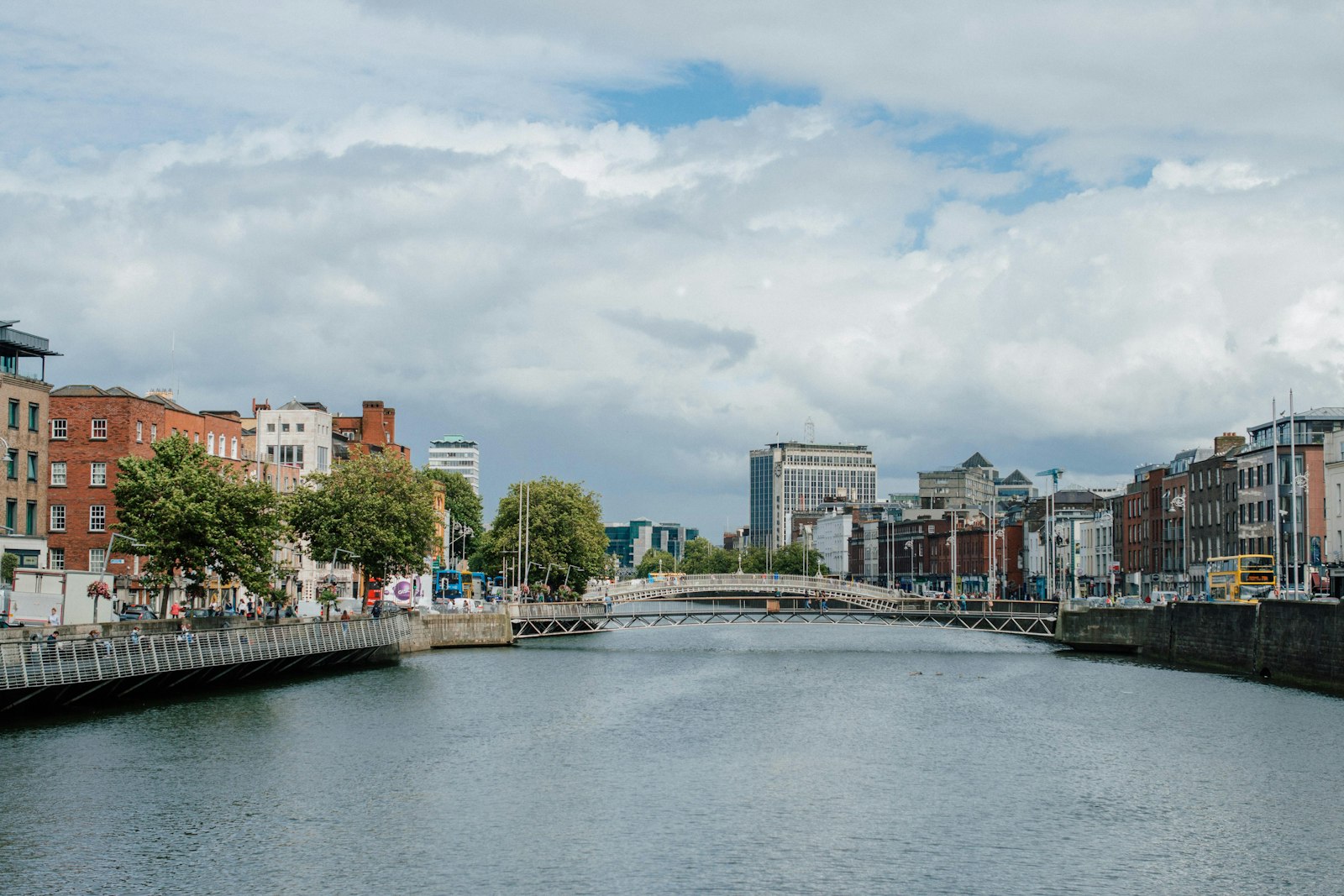
Photo by Gadiel Lazcano on Unsplash
In Irish culture, there’s an art to naming people—an intricate system of diminutives, nicknames, and term-of-endearment constructions that reveals how Irish people express affection, establish intimacy, and negotiate relationships. If you spend time with Irish people, you’ll notice that actual names are often secondary to nicknames. A person named “Michael” might be universally called “Mick” or “Mikey.” Someone named “Patricia” might be “Pat,” “Pattie,” or “Paddy.” The tendency to create diminutive forms from given names is so pervasive in Irish culture that knowing someone’s actual name is sometimes less important than knowing what they’re actually called.
These nicknames aren’t simply shortened versions of formal names. They carry meaning—they signal familiarity, affection, and social relationship. They indicate how you fit into Irish social structures, whether people have accepted you as part of the community, whether you’re an insider or an outsider. More than that, Irish diminutives reveal something fundamental about Irish culture—an emphasis on informality over formality, on affection and intimacy over social distance, and on the power of language to create and maintain relationships.
For American visitors seeking to build authentic relationships in Ireland, understanding how Irish nicknames work offers crucial insight. Using someone’s actual given name in contexts where a nickname is standard can mark you as an outsider. Learning to use nicknames appropriately signals that you understand and respect Irish social conventions. Moreover, the potential for receiving an Irish nickname yourself—being given a diminutive form by Irish friends—represents a mark of acceptance and inclusion in Irish social groups.
The Traditional Diminutive System
Irish has a systematic diminutive system built into the language itself, with specific suffixes that can be added to words to create diminutive forms. This linguistic system influenced how Irish speakers created diminutives even when speaking English.
“-ie” or “-y” is the most common English diminutive ending in Irish-influenced speech. “Michael” becomes “Mikey”; “Patricia” becomes “Pattie”; “David” becomes “Davie”; “James” becomes “Jamie.” This suffix is productive—it can be added to almost any name to create an affectionate diminutive form.
“-een” comes from the Irish “-ín” (which means little) and appears in various forms. In the most famous example, “colleen” (from Irish “cailín,” meaning girl) entered English as a diminutive form. Less commonly in contemporary English, you might encounter “-een” forms like “kathleen” or “maureen,” though these are now primarily just names rather than obviously diminutive forms.
“-o” functions as a nickname suffix, particularly in Dublin and urban Irish contexts. “Mick-o” or “Paddy-o” functions affectionately. The suffix indicates familiarity and is used among friends or in informal contexts.
Truncation creates nicknames by simply shortening names. “Christopher” becomes “Chris,” “Margaret” becomes “Meg,” “Bernard” becomes “Bernie.” This shortening appears in all English-speaking cultures but is particularly consistent and normalized in Irish culture.
Famous Irish Diminutives
Certain diminutives have become so standard in Irish culture that they’re almost entirely replaced the formal names.
“Mick” (from “Michael”) has become so standard that many people don’t even know Irish people with the formal name “Michael”—they only know “Mick.” The name has become genericized for Irish men, partly through emigration (Irish-American men were often called “Mick”) and partly through common use as a representation of Irish identity itself.
“Paddy” (from “Patrick”) similarly has become almost completely standard, with the formal name “Patrick” less common in actual use. “Paddy” has also been genericized, appearing in phrases like “Paddy Irishman” or used as a general term for an Irish person, though this generic usage is somewhat dated.
“Liam” (from Irish “Uilliam,” related to English “William”) has become increasingly popular as a given name for Irish boys, particularly over the past several decades. The name itself sounds diminutive even when used as a formal name, reflecting the Irish preference for informal-sounding names.
“Seamus” (from Irish “Séamas,” related to “James”) remains more formally “Seamus” than “Jimmy,” though informal versions exist. The name has resisted Anglicization more successfully than many other Irish names.
“Siobhan” (from Irish, roughly “Jeanne-like”) has become standard for Irish girls, used as a formal name even though it has diminutive qualities. The name is distinctly Irish and has maintained its Irish form even among speakers of English.
“Brigid” or “Bridie” (from Irish “Brighid”) represents both a formal name and common diminutive. “Brigid” is the formal version; “Bridie” is the diminutive. The modern “Bridget” represents an Anglicized form, though “Bridie” remains common in Irish contexts.
“Sinead” (from Irish “Sinéad,” a form of “Jeannette”) has become increasingly standard as a given name. While it has diminutive qualities, it’s now typically used as a formal name.
The Social Meaning of Nicknames
Using someone’s nickname versus their formal name carries significant social meaning in Irish culture.
Formal names (Michael, Patricia, Christopher, Margaret) signal distance, formality, or that the relationship is new. Using someone’s formal name in contexts where a nickname is standard can make you seem cold, distant, or overly formal. Teachers might use formal names; intimate friends would use nicknames.
Nicknames signal familiarity, acceptance, and social intimacy. Being called by your nickname indicates that someone considers you a friend or part of their social circle. Conversely, people who are excluded from friendship or who are outsiders might not have nicknames; they remain “Mr. Smith” or “that fellow” rather than transitioning to nickname relationships.
The nickname assignment moment represents a kind of social inclusion ritual. When someone gives you a nickname, they’re signaling that they’ve accepted you into their social circle. This might happen naturally through repeated interaction, or it might be explicit—someone introducing you and assigning a nickname, which then becomes how people call you.
Mocking nicknames represent a particular category. These nicknames are based on personal characteristics (often somewhat insulting ones) and signal a kind of rough affection. Someone might be called “Red” (for red hair), “Shorty” (for shortness), or “Baldy” (for baldness). These nicknames can seem insulting to outsiders but often represent affection and inclusion among friends who use them.
Family nicknames are particularly intense. Families often develop elaborate nickname systems where everyone has nicknames used exclusively within family. Siblings might have childhood nicknames that persist throughout life. These family nicknames represent the deepest forms of intimacy and inclusion.
Regional Variations in Nicknaming
Different regions of Ireland have somewhat different approaches to nicknames and diminutives.
Dublin tends toward shorter, punchier nicknames, often with “-o” suffixes or simple truncations. “Mick-o,” “Paddy,” “Jaysus” (mocking form of “Jesus” when used as a name)—these are characteristic Dublin forms.
Rural Ireland sometimes maintains more traditional diminutive forms with “-ie” or “-een” suffixes. A rural person might be more likely to call someone “Patty” or “Kathleen” than a city dweller.
Generational differences appear as well. Older generations sometimes use more traditional diminutive forms; younger generations might use more contemporary nickname systems influenced by international culture.
Gender differences exist, with female nicknames sometimes receiving more affectionate diminutive treatment than male nicknames. However, contemporary Irish culture is moving toward more equal treatment of male and female nicknames.
Types of Nicknames Beyond Shortened Names
Beyond simple diminutive forms of given names, Irish culture employs various other nickname categories.
Descriptive nicknames based on appearance or characteristics are common. “Red” for someone with red hair, “Slim” for a thin person, “Curly” for someone with curly hair. These nicknames are often applied affectionately, though they can potentially feel insulting if the characteristic is negative (like “Fatty” for an overweight person).
Personality-based nicknames emerge from someone’s behavioral characteristics. “Quiet” for someone reserved, “Chatty” for someone talkative, “Serious” for someone with a grave demeanor. These nicknames describe personality rather than appearance.
Occupational nicknames historically identified people by what they did. “The Butcher,” “The Baker,” “The Banker” functioned as ways to distinguish people with common given names. While less common in contemporary culture, occupational nicknames still appear occasionally.
Familial nicknames identify someone by family relationship. “Mick’s John” (the John who belongs to Mick’s family) or “Old Pat” (the elder Patrick) or “Young Michael” (the younger Michael) use family positioning to distinguish individuals.
Irish-language based nicknames sometimes appear, drawn from Irish words. Someone might be nicknamed “An Crúmh” (the Dwarf) or “An Gréine” (the Sun), though such nicknames are less common in contemporary Ireland.
Receiving an Irish Nickname
For visitors and new arrivals in Irish communities, one interesting experience is potentially receiving an Irish nickname. This doesn’t happen to everyone and isn’t guaranteed, but spending significant time in an Irish community increases the likelihood that people will create and assign you a nickname.
How it happens varies. Sometimes someone explicitly assigns you a nickname: “We’re going to call you Shorty” or “From now on, you’re Sean.” Other times, a nickname emerges organically from repeated reference or from a particular incident or characteristic.
What nicknames reveal about your relationship to a community is significant. Receiving a nickname indicates that people have accepted you, that you’re part of the community rather than a perpetual outsider. It’s a mark of inclusion.
The nickname might be flattering or unflattering, but either way, accepting it gracefully signals that you understand and respect Irish social conventions. Complaining about or rejecting a nickname can make you seem overly serious or unable to take a joke, marking you as outside Irish social culture.
Family names versus earned names: Sometimes you’ll receive a nickname based on family name (“Yank” for an American, “Brit” for a British person). Other times, you’ll receive a name based on some personal characteristic or incident. The earned names represent deeper acceptance.
American visitors should be aware that receiving an Irish nickname might happen, and responding with humor and grace helps you integrate more successfully into Irish social contexts.
Nicknames and Identity
In Irish culture, nicknames aren’t superficial additions to identity; they’re integral to how people understand themselves and how they’re understood by others.
Many Irish people, asked their name, might respond with a nickname rather than their formal name. “I’m Mick” rather than “I’m Michael.” The nickname becomes the primary identifier, the thing by which they’re known in the world.
For Irish people who emigrate or who move to new communities, choosing whether to use formal names or nicknames becomes a conscious identity decision. Someone might adopt a more formal name in professional contexts while maintaining a nickname among family and old friends, creating a kind of linguistic code-switching that marks different aspects of identity.
In Irish literature and folklore, nicknames often carry significance. A character’s nickname frequently reveals something essential about them—their background, their personality, their relationship to community. Writers use nicknames to convey character and to create texture and authenticity.
Using Nicknames Appropriately
Understanding when and how to use Irish nicknames is crucial for Americans navigating Irish social contexts.
In formal contexts (business meetings, professional settings, first meetings), use formal names. Introduce yourself with your full name and accept formal address until invited to be more informal.
In casual contexts (pubs, social gatherings, among friends), transition to nicknames as the relationship develops. When someone starts using a nickname for you or invites you to use theirs, follow their lead.
Don’t create your own nicknames for other people. Wait for nicknames to emerge naturally or for others to assign them. Creating a nickname for someone and expecting them to adopt it rarely works.
If you receive a nickname, accept it gracefully and use it yourself in appropriate contexts. Using the nickname shows that you’ve accepted the relationship the nickname represents.
Avoid mocking nicknames unless you’re genuinely part of the friend group and understand the context. Mocking someone’s appearance without established friendship can seem cruel rather than affectionate.
Ask for clarification if uncertain. If you’re unsure whether to use someone’s formal name or nickname, ask: “Should I call you Michael or Mick?” Most people will clarify their preference.
Conclusion: Nicknames as Social Language
Irish nicknames represent far more than casual shortened versions of formal names. They’re a sophisticated social system through which Irish people establish intimacy, signal acceptance, and create community bonds. They reveal what Irish culture values—informality, affection, the ability to laugh at yourself and with others, the acceptance of new people into existing communities.
For American visitors, understanding Irish nicknames offers insight into Irish social culture and Irish ways of building relationships. It reveals that Irish people prioritize genuine connection and informal warmth over formal distance and professional coldness. It shows that humor, playfulness, and the willingness to accept yourself and your characteristics honestly are valued in Irish culture.
Most importantly, understanding how nicknames work in Irish culture helps you navigate Irish social contexts more successfully. It helps you know when to be formal and when to be informal, how to signal that you respect Irish social conventions, and how to recognize when you’ve been accepted into a community through the assignment or adoption of a nickname.
The next time you meet Irish people and they start using or creating nicknames, recognize that you’re witnessing a profound social practice. You’re watching Irish people establish relationships, signal inclusion, and create the bonds that hold communities together. If you’re fortunate enough to receive an Irish nickname, accept it with grace and humor. You’ve been marked as someone worth including in the community, and that’s a genuine mark of respect and welcome in Irish culture.

Author: jonathan
Jonathan is the publisher of Irishtopia.net, Anglotopia.net, and Londontopia.net. He's passionate about travel and learning about other cultures. He's been to Ireland several times, and uses his travel expertise for Irishtopia!