
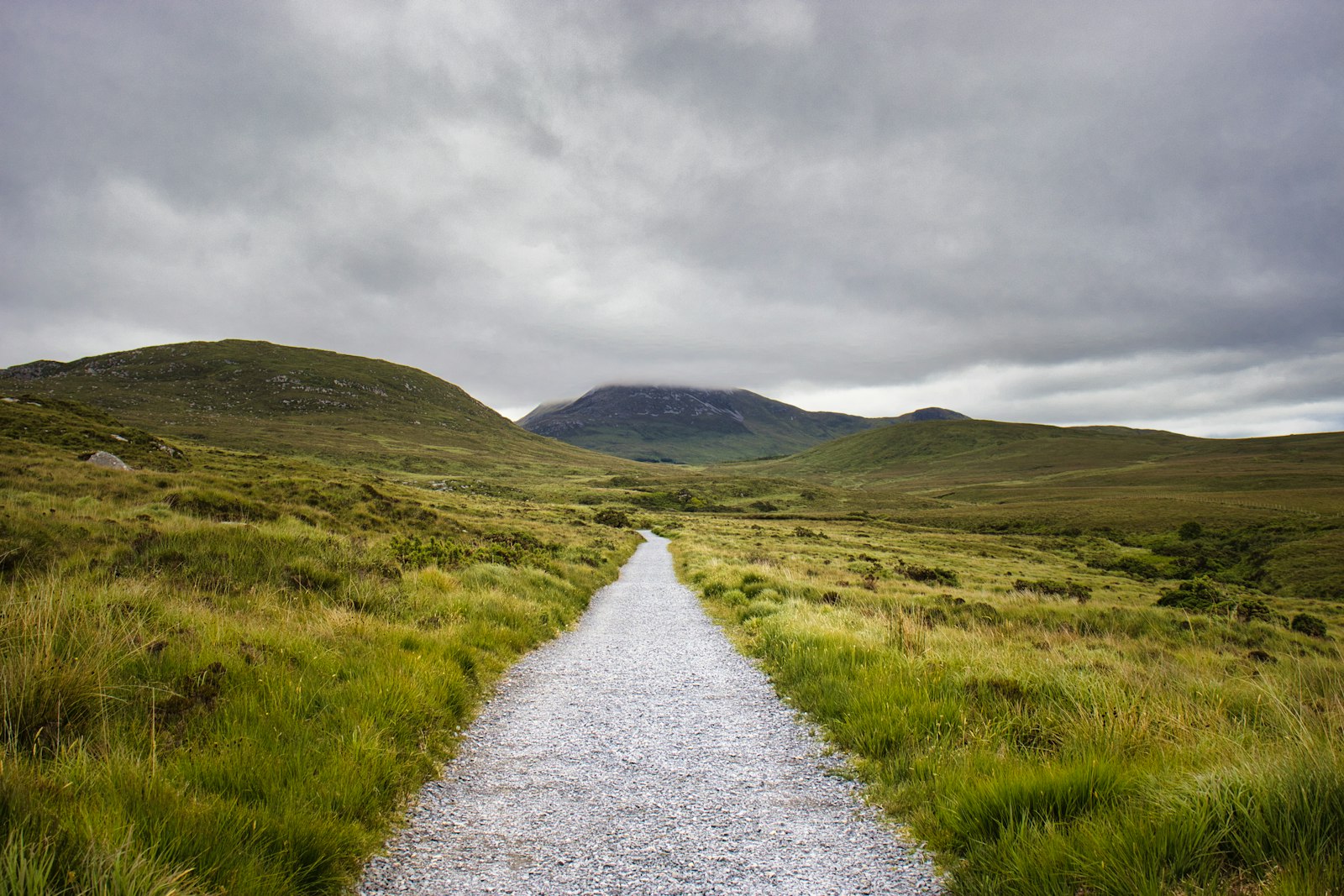
Ireland has earned a reputation as one of the world’s premier walking destinations, and while the Wicklow Way near Dublin deservedly attracts thousands of hikers annually, the truth is that Ireland’s most spectacular and rewarding walking experiences extend far beyond the Wicklow Mountains. From the dramatic coastal cliffs of the southwest to the rugged mountains of Connemara, from the windswept peatlands of the northwest to the rolling hills of the Midlands, Ireland offers an extraordinary diversity of long-distance walking routes. Each trail tells its own story of Irish landscape, geology, history, and culture—and each offers walkers the profound satisfaction that comes from spending days in the wild Irish countryside, moving through the landscape on foot, and connecting intimately with the places that make Ireland so distinctive.
The Dingle Way: Peninsula Paths and Atlantic Views
The Dingle Way, located in County Kerry in southwestern Ireland, stretches for approximately 31 miles (50 kilometers) around the Dingle Peninsula, one of Ireland’s most picturesque and least crowded major peninsulas. This circular route begins and ends in the charming harbor town of Dingle and follows a combination of roads, country lanes, and mountain paths that traverse the entire peninsula. For walkers seeking stunning coastal and mountain scenery combined with cultural immersion in an Irish-speaking region, the Dingle Way represents an exceptional choice.
The route’s highlights are numerous and remarkable. The path climbs over the Brandon ridge, offering panoramic views across the Blasket Islands and the Atlantic Ocean. The walk passes through traditional Irish-speaking villages where visitors might hear Irish language spoken in daily life—a genuine encounter with living Irish culture. Ancient archaeological sites, including early Christian oratories and ancient stone structures, dot the landscape, providing glimpses into Ireland’s deep past.
The physical challenge of the Dingle Way is moderate to substantial, depending on individual fitness levels. Several sections involve significant elevation gain, and weather on the peninsula can change rapidly. However, the trail is well-marked and reasonably well-maintained. Most walkers complete the Dingle Way in five to seven days, taking time to explore villages and attractions along the way. The town of Dingle offers excellent facilities, including numerous hotels, restaurants, and pubs, making it an ideal base for multi-day walks.
The Beara Way: Rugged Mountains and Peninsula Charm
The Beara Way traces a mountainous circuit around the Beara Peninsula, which spans the border between County Cork and County Kerry. At approximately 33 miles (53 kilometers), this route presents more substantial physical challenge than the Dingle Way, with greater elevation changes and more rugged terrain. However, for experienced walkers seeking dramatic mountain scenery and a more wilderness-focused experience, the Beara Way rewards the effort with landscapes of stunning beauty.
The route passes through some of Ireland’s most impressive mountain scenery, including peaks exceeding 2,000 feet. The dramatic Beara Peninsula landscape, carved by glacial valleys and featuring steep mountainsides plunging toward the sea, provides a sense of dramatic wildness. The path traverses remote areas where few other people venture, offering genuine solitude and wilderness connection. Dramatic weather is common on the Beara—the peninsula faces Atlantic storms directly—and walkers should be prepared for rapidly changing conditions and potentially intense weather.
Traditional villages scattered along the route offer opportunities for resupply and cultural engagement. The southern coast of the Beara features pristine beaches and coastal scenery as remarkable as the mountain scenery inland. Walkers completing the Beara Way typically require six to eight days, depending on fitness and willingness to take side trips.
The Wicklow Way: The Accessible Classic
Though not “beyond Wicklow,” the Wicklow Way deserves mention as the most popular and arguably the most accessible major long-distance trail in Ireland. Stretching approximately 32 miles (51 kilometers) from Marlay Park south of Dublin to Clonegal in County Carlow, this trail traverses the Wicklow Mountains, Ireland’s largest mountain range. The route combines forest tracks, mountain paths, and country roads through a landscape of heather-covered mountains, forests, and stream-filled valleys.
The Wicklow Way’s primary advantage is accessibility. The trail begins just south of Dublin, making it reachable for international visitors. Well-established facilities, including guesthouses and hotels in towns near the trail, make accommodation planning straightforward. The trail is well-marked and well-maintained, and annual publication of detailed Wicklow Way guidebooks provides excellent planning resources.
For walkers seeking their first Irish long-distance walking experience, the Wicklow Way is ideal. The physical challenge is moderate—most walkers complete the trail in five to seven days without excessive difficulty. However, the mountains can present surprising challenges during poor weather, and walkers should be appropriately equipped for wind and rain.
The West Cork Coast Trail: Coastal Beauty in the Southwest
For those preferring coastal walking to mountain trails, the West Cork Coast Trail offers exceptional coastal scenery combined with moderate difficulty. Stretching approximately 25 miles (40 kilometers) along the coastline of far southwestern County Cork, the trail follows roads and coastal paths through a landscape of cliffs, coves, and charming coastal villages.
The route passes through scenic locations including the village of Inchydoney, with its dramatic beach and views of Three Castle Head. The trail traverses clifftop sections offering dramatic seascapes and, on clear days, views toward isolated coastal landmarks. The presence of numerous villages along the route makes the trail particularly suitable for walkers who prefer daily accommodation changes rather than carrying heavy overnight equipment.
The West Cork Coast Trail’s combination of manageable daily distances (typically 12-15 miles), coastal scenery, and readily available accommodation makes it ideal for walkers seeking an accessible but rewarding experience.
Connemara National Park: Mountain Ranges and Bog Country
Connemara National Park, located in northwestern County Galway, protects some of Ireland’s most dramatic mountain landscapes. While the park’s trails aren’t formally organized as a single long-distance route, Connemara’s network of walking paths and mountain trails allows construction of multi-day trekking itineraries through exceptional landscape. The Twelve Bens mountain range dominates the landscape, with peaks exceeding 2,400 feet offering panoramic views of bog, mountain, and sea.
Walking in Connemara requires greater self-sufficiency than established trails with marked routes and abundant services. However, for experienced walkers seeking a true mountain trekking experience in a semi-wilderness context, Connemara offers unparalleled opportunities. The weather can be challenging, particularly in upland areas that intercept Atlantic storms. Clear days, however, offer views of extraordinary beauty.
The landscape itself tells a story of ancient glaciation, with numerous lakes, steep-sided valleys, and exposed mountain ridges. Traditional Irish cottages, abandoned and in ruins, dot the landscape, reminding walkers of the region’s history of hardship and emigration. Connemara walking typically requires careful route planning and appropriate skills for navigation without marked trails.
The Kerry Way: A Classic Long-Distance Trail
The Kerry Way represents one of Ireland’s most established and popular long-distance trails, stretching approximately 34 miles (55 kilometers) through County Kerry. The trail forms a circuit around the central mountains of the county, beginning and ending in Killarney, a major tourist town with abundant facilities.
The Kerry Way passes through Killarney National Park, offering some of Ireland’s most accessible mountain scenery. The trail includes portions of the old Mass Path, a traditional route used by Irish Catholics traveling to secret locations to attend illegal masses during the period when Catholicism was banned in Ireland. This historical context adds cultural depth to the walking experience.
The trail’s physical demands are moderate to substantial, with significant elevation changes in several sections. Most walkers require five to seven days to complete the Kerry Way. The trail is well-marked and well-established, with abundant guesthouses and hotels in Killarney and smaller villages along the route.
The Ulster Way: Ireland’s Longest Walking Trail
The Ulster Way, stretching approximately 570 miles (900 kilometers) around the entire province of Ulster in northern Ireland, represents the most ambitious long-distance trail in Ireland. Far too extensive for most walkers to complete in a single journey, the Ulster Way is typically walked in sections, with numerous entry and exit points allowing walkers to undertake specific portions as time and interest permit.
The Ulster Way passes through landscapes as diverse as any in Ireland—mountain ranges including the Mourne Mountains, coastal cliffs, inland forests, river valleys, and open moorlands. The trail passes through both Northern Ireland and the northern Irish counties of Donegal, Leitrim, and Cavan, encompassing landscapes and cultures of the northern part of the island.
Completing individual sections of the Ulster Way offers exceptional opportunities for extended walking. A typical section might require five to ten days of walking and cover 40-70 miles of trail. The infrastructure for Ulster Way walking has improved significantly in recent years, with better signage and more facilities in small towns.
The Croagh Patrick Pilgrim Paths: Walking with History
In County Mayo, several walking routes connect pilgrimage centers and historic sites around Croagh Patrick, Ireland’s holy mountain. These paths, totaling approximately 30 miles (48 kilometers), connect the Marian shrine at Knock with Croagh Patrick, integrating cultural and spiritual sites with mountain walking.
These routes appeal particularly to walkers interested in Irish religious history and culture. The paths pass through landscapes significant in Irish Catholic tradition and connect locations important to the faith of Irish people. While not exclusively pilgrim routes, the cultural and historical significance adds meaning to the walking experience.
Preparing for Irish Long-Distance Walks
Successful Irish long-distance walking requires appropriate preparation and equipment. Ireland’s maritime climate means weather can change rapidly, and rain is common at any season. Waterproof jackets and rain pants are essential. Layered clothing allowing adjustment to changing conditions is crucial. Sturdy hiking boots appropriate for potentially muddy trails are important for comfort and ankle support.
Walking in Ireland during peak season (June through August) offers the advantage of long daylight hours and generally better (though not guaranteed) weather. Spring and autumn can offer excellent conditions with fewer other walkers on trails. Winter walking in Ireland is possible but requires greater caution—daylight hours are shorter, weather can be severe, and some facilities may have reduced hours.
Planning long-distance walks requires adequate research into route difficulty, daily distances, and available accommodation. Many established routes publish detailed guidebooks with maps and accommodation listings. Starting walks with appropriate physical conditioning is important—even experienced hikers sometimes underestimate the physical demands of multi-day hiking with a loaded pack.
The Walkers’ Culture
One distinctive aspect of Irish walking is the presence of a substantial community of Irish and international hikers who share knowledge, experiences, and camaraderie. Walking clubs exist in most Irish towns and cities, and established trails host regular group walks. The opportunity to meet other walkers during walks, in evening pubs, or in shared accommodation creates a social dimension to Irish walking beyond the simple exercise of covering distance through landscape.
Irish hospitality extends to walkers as well. Guesthouses and hotels catering to walkers often provide services including packed lunches, laundry facilities, and detailed route information. Local people often warmly greet walkers and may offer directions or local knowledge.
Conclusion: The Irish Landscape on Foot
Long-distance walking in Ireland offers opportunities for profound connection with landscape, culture, and history. Whether you choose the accessible Wicklow Way, the dramatically mountainous Beara, the culturally rich Dingle Way, or any of Ireland’s other excellent trails, multi-day walking through the Irish countryside creates memories and experiences that last far beyond the walking journey itself.
The combination of dramatic scenery, cultural richness, accessible trail infrastructure, and warm Irish hospitality make Ireland an exceptional walking destination. For Americans with Irish heritage or those simply seeking to deepen their connection to Irish landscape and culture, undertaking even a single long-distance walk in Ireland represents an investment in experience and understanding that repays itself many times over. The next time you plan an Ireland trip, consider trading some time in cities and tourist attractions for days walking through Irish wilderness. You’ll understand why experienced travelers return to Ireland again and again, and why the simple act of moving through Irish landscape on foot creates experiences that transform perspectives and touch the soul.

Author: jonathan
Jonathan is the publisher of Irishtopia.net, Anglotopia.net, and Londontopia.net. He's passionate about travel and learning about other cultures. He's been to Ireland several times, and uses his travel expertise for Irishtopia!