
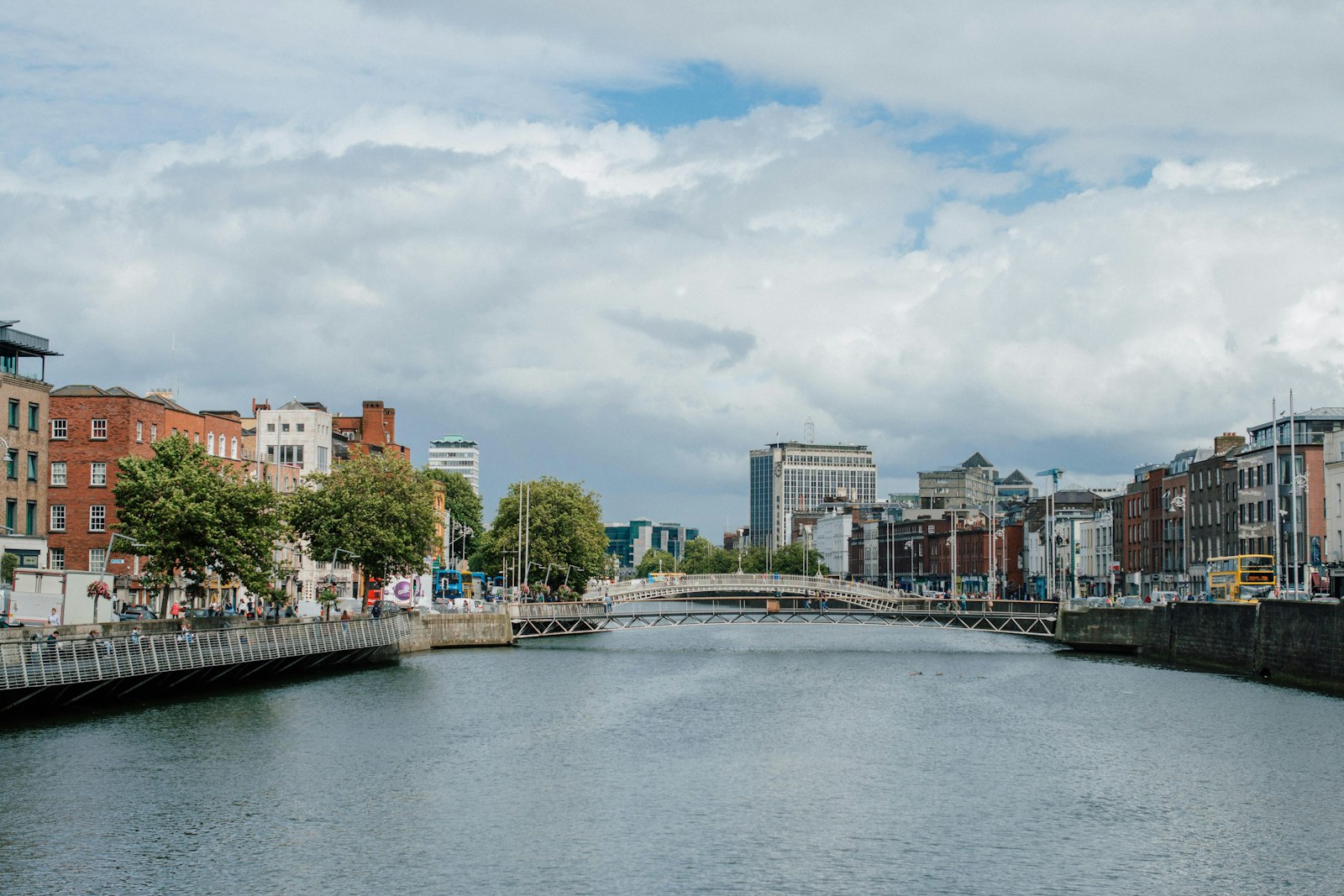
Photo by Gadiel Lazcano on Unsplash
Ireland presents a paradox of prosperity and disparity. The nation boasts among the world’s highest GDP per capita, driven by technology companies, multinational corporations, and sophisticated financial services. Dublin’s skyline glitters with corporate campuses where engineers earn six-figure salaries. Yet simultaneously, Ireland maintains deeply troubling levels of wealth inequality, with the poorest segments experiencing genuine deprivation while the wealthy accumulate unprecedented riches. This contradiction between aggregate national wealth and widespread poverty reveals how economic growth, if not managed equitably, can benefit narrow segments while leaving millions materially struggling.
Understanding Irish inequality requires examining income distribution, wealth concentration among property owners, the role of multinational corporations, healthcare and education access disparities, and policy responses attempting to address widening gaps. The issue is not merely abstract—Irish inequality directly affects whether young people can afford homes, whether sick people can access healthcare, whether children from poor families can escape poverty, and whether Ireland remains a genuinely democratic society where citizens have roughly equal capacity to influence their futures.
Measuring Inequality: The Data
By conventional measures, Irish inequality is substantial and growing. The Gini coefficient, which measures income inequality on a scale from 0 (perfect equality) to 100 (perfect inequality), places Ireland at approximately 31-33 in recent years—higher than Scandinavia, Germany, or France, where inequality is in the 24-28 range, but lower than the United States at approximately 41 or United Kingdom at approximately 35.
However, income inequality measurements understate the problem because they don’t fully capture wealth inequality. Wealth—accumulated assets, property, investments—is distributed far more unequally than income. The wealthiest 10 percent of Irish households hold approximately 60 percent of total wealth, while the bottom 50 percent hold only about 10 percent. This means that while income differences might be moderate, wealth differences are dramatic.
The wealth gap has particular implications in Ireland because property ownership has historically been the primary wealth-building mechanism. Someone who owned a house in Dublin in 2000 has accumulated enormous wealth as property values increased tenfold. Someone born to poor parents in a rental flat accumulated no such wealth, regardless of income. Wealth concentration therefore reflects partly just historical fortune—being born to property-owning families versus rental families.
Real wages for working-class and middle-class employees have grown slowly despite overall national economic growth. While corporate profits and high-tech salaries have skyrocketed, ordinary workers’ wages have barely kept pace with inflation. Someone working a middle-skill job in 2010 might earn only 20-30 percent more in nominal terms in 2023, while controlling for inflation and cost-of-living increases means real wages haven’t substantially improved. By contrast, corporate executives, tech workers, and financial professionals have seen substantial real income growth.
The Multidimensional Nature of Irish Poverty
Poverty in contemporary Ireland is multidimensional. While absolute destitution exists (homelessness, severe deprivation), “relative poverty”—lacking resources compared to societal averages—affects larger populations. Someone earning 60 percent of the median Irish income is considered relatively poor, even if they have a roof and food. By this measure, approximately 17 percent of Irish population experiences relative poverty.
Critically, childhood poverty has increased despite Ireland’s overall wealth. Children born to poor families face worse educational outcomes, worse health outcomes, and worse economic prospects as adults. This threatens social mobility—the traditional understanding that hard work and education could overcome family background. If childhood poverty limits education and opportunity, intergenerational mobility declines, and class becomes destiny.
Regional inequalities also matter. Dublin has concentrated wealth, high-paying jobs, and opportunity disproportionately. Regions beyond Dublin—Galway, Limerick, Cork, rural areas—have fewer high-paying employment opportunities, lower property values (which are good for buyers but mean less accumulated wealth for property owners), and less access to expensive private services. This geographic divide means that being born in Dublin versus rural Ireland substantially affects life prospects.
The Tech Sector’s Role in Inequality
The technology sector, while generating enormous national wealth, has concentrated that wealth in ways exacerbating inequality. Tech workers—software engineers, product managers, data scientists—earn salaries of €100,000 to €300,000 annually, while service sector workers in the same city earn €25,000 to €35,000. This 3 to 10-fold difference creates dramatic inequality.
Tech companies’ presence inflates property values, making housing unaffordable for non-tech workers. Tech salaries drive demand for expensive restaurants, luxury goods, and services, creating enrichment for those serving this wealthy segment while contributing to rising cost of living that excludes less-well-off residents. Cities with large tech sectors, while wealthy, often develop pronounced inequality as property owners and high-wage earners accumulate wealth while service sector workers become increasingly squeezed.
Additionally, tech companies employ primarily highly educated professionals, leaving lower-skilled workers without access to the high-paying jobs driving local wealth. The geographic concentration of tech employment also means that regions without significant tech sectors fall further behind as capital and talent concentrate in Dublin and Cork.
The tax advantages provided to tech multinationals, discussed elsewhere, also affect inequality indirectly. The government’s lower-than-necessary tax revenue from tech companies reduces resources available for public services, infrastructure, and redistribution that might reduce inequality. The tax revenue Ireland forgoes through corporate tax arbitrage strategies could fund housing, healthcare, education, and social services reducing inequality.
Healthcare Inequality and Access Gaps
Ireland’s healthcare system creates substantial inequality. The Irish health system is mixed—publicly funded for most services but with significant private insurance options for those who can afford them. Those with private insurance access consultants quickly, avoid waiting lists, and receive care in private facilities. Those relying on public healthcare face months-long waiting lists for specialist consultations and procedures.
The result is a two-tier system where wealth determines healthcare quality and access speed. A wealthy person with a heart condition sees a cardiologist within weeks through private insurance. A poor person with the same condition might wait 6 to 12 months for public healthcare. During that waiting period, health deteriorates, potentially causing harm that wouldn’t have occurred with timely care.
Dental care, considered a luxury service in Ireland, is unaffordable for poor families. Many low-income children never see dentists, suffering preventable tooth decay and eventual tooth loss. Dental diseases, preventable with proper care, become inevitable for those lacking funds. Mental healthcare, crucial for low-income populations experiencing high stress and trauma, is also underfunded, with limited access to therapists and counselors through public systems.
This healthcare inequality creates a vicious cycle: poor health limits ability to work, reducing income, worsening poverty, which worsens health. Someone with untreated dental disease might struggle with interviews due to appearance or discomfort, limiting employment prospects. Someone with untreated mental illness struggles with motivation and functioning, affecting work capacity. The inability to access healthcare traps poor people in poverty cycles.
Educational Disparities and Opportunity
Education is theoretically the mechanism allowing upward mobility, but Irish education reflects and perpetuates inequality. Despite free public education through secondary school, costs associated with education—uniforms, books, sports participation, school trips—create barriers for poor families. Additionally, schools in wealthier areas, though publicly funded, receive more resources due to parents’ higher voluntary contributions and property taxes funding local schools.
Private secondary schools, which educate approximately 30 percent of Irish secondary students, create educational inequality directly. Wealthy families can afford €5,000 to €10,000 annual fees for private schools considered more prestigious. Students from private schools have advantages in university admissions, networking, and employment due to prestige effects, creating unequal educational opportunity.
Higher education is theoretically free in Ireland, but the reality is more complicated. Students from poor families are underrepresented at universities, particularly prestigious institutions. Reasons include practical barriers (transportation, inability to work while studying, inability to afford student living expenses), cultural capital differences (less-educated parents less able to navigate university systems), and expectations (poor students might not see university as “for people like them”).
The result is that university attendance is strongly correlated with parents’ education and wealth. A child of two university-educated parents with professional jobs is far more likely to attend university than a child of parents without degrees working service sector jobs, regardless of ability. This reproduces class across generations—wealthy parents raise wealthy children with educational credentials, who then provide their children similar advantages.
Housing and Wealth Inequality Reproduction
Housing represents perhaps the clearest mechanism through which Irish inequality reproduces itself. Property owners—disproportionately wealthier, older, and those whose families already owned property—have accumulated enormous wealth as property values soared. A Dublin house purchased for €300,000 in 2005 was worth €600,000 by 2023, creating €300,000 in wealth for the owner.
By contrast, renters—disproportionately younger, poorer, and those whose families lacked property—accumulated no such wealth. A renter paying €1,500 monthly receives no equity or wealth accumulation. Money flows to landlords, not toward future security for renters. Over a 20-year period, renters have paid €360,000 rent with zero wealth to show for it, while property owners doubled their wealth.
This housing-based inequality is fundamentally unearned—not based on intelligence, effort, or merit but on accident of birth and timing. Someone born to parents who owned property in Dublin is automatically wealthy through inheritance; someone born to renters is automatically at disadvantage. Because property ownership is how most Irish people build wealth for retirement, inequality in housing ownership translates directly to inequality in retirement security.
Additionally, housing instability directly damages poor people’s lives. Families facing eviction must scramble to find new housing. Homelessness creates impossible circumstances for finding employment or pursuing education. Housing precarity—constant uncertainty about where one will live—creates stress damaging mental and physical health. Wealthier people, secured by property ownership, avoid these stresses entirely.
Tax Policy and Inequality
Ireland’s tax system, while progressive in structure, creates limited redistribution in practice. The top income tax rate is 40 percent, leaving high earners with substantial post-tax income. Investment income, which disproportionately benefits wealthy people, is taxed preferentially compared to wage income. Capital gains are taxed at lower rates than wages, benefiting those with investment portfolios more than wage earners.
Property tax, which could redistribute wealth by taxing property-based wealth, is remarkably modest. Ireland’s property tax is less than 1 percent of property value annually—among the lowest in developed nations. This means property owners, who hold most Irish wealth, pay minimal annual taxes on that wealth. By contrast, workers earning wages pay income tax, making the tax burden more heavily on wages than wealth.
This tax structure means wealthy people relying on investments and property ownership pay lower effective tax rates than middle-class wage earners. This violates basic progressive taxation principles and perpetuates inequality. Wealthy people’s wealth grows faster than wages grow due to investment returns, allowing wealth to concentrate further.
Government Responses and Social Safety Nets
Despite inequality, Ireland maintains some social protections limiting extreme poverty. The social welfare system provides unemployment benefits, disability payments, family supports, and housing assistance for those unable to work. These payments prevent absolute destitution but are set at levels allowing only minimal living.
The Irish government has increased minimum wage modestly and implemented some progressive policies including increases in child benefits and expanded healthcare access. However, these programs remain underfunded relative to need. Waiting lists for social housing are years long. Unemployment benefits are insufficient to live with dignity. Disability supports are inadequate for many facing living with disabilities.
The government has also attempted to address inequality through targeted programs: apprenticeships for youth lacking university credentials, programs supporting employment for long-term unemployed, and subsidized childcare to enable parents to work. These programs help but don’t fundamentally address structural inequality. Marginal improvements in access don’t address the fundamental gap between wealthy and poor.
Additionally, Irish government spending on social protection has not increased as a proportion of GDP despite rising inequality. This means that even as national wealth has grown, the government hasn’t proportionally increased redistribution. The rich have gotten richer while government support for the poor has stagnated, naturally widening gaps.
International Comparisons and Models
Scandinavian countries—Denmark, Norway, Sweden—have achieved higher living standards while maintaining lower inequality. These nations have higher tax rates on high earners and wealth, more robust social services, and stronger labor protections. Healthcare is public and available to all equally. Education is free, including university. Housing is addressed through substantial public housing sectors.
These countries have not sacrificed economic growth through redistribution—they’re among the world’s wealthiest. Rather, they’ve allocated wealth differently, investing in public goods benefiting everyone rather than concentrating wealth among narrow wealthy segments.
Germany provides another model with strong labor protections, worker representation on corporate boards, and robust social safety nets. Inequality is lower than Ireland or the US, and living standards are high. Wealthy people are extremely wealthy, but the gap between wealthy and poor is substantially narrower than in Ireland.
These comparisons suggest that addressing inequality doesn’t require dismantling successful economies. It requires policy choices—tax rates on high earners, social service investment, worker protections, public housing development—that prioritize equality alongside growth. Ireland could learn from these models, implementing policies known to reduce inequality without sacrificing prosperity.
Barriers to Addressing Inequality
Several factors prevent more aggressive action on inequality. First, wealthy and powerful interests resist increased taxation and redistribution. Business organizations argue higher taxes harm competitiveness. Wealthy individuals, naturally, prefer lower taxes. These interests have political influence—funding political campaigns, employing lobbyists, and maintaining media relationships allowing them to shape public discourse.
Second, some Irish people believe that inequality reflects effort and merit—that wealthy people earned their wealth while poor people lack sufficient effort. This narrative obscures how much wealth reflects accident of birth (being born to wealthy property-owning parents) rather than individual effort. It prevents empathy for poor people and support for redistribution.
Third, competing political priorities limit resources and attention for inequality. The housing crisis, healthcare system dysfunction, and other acute issues demand immediate government attention. Addressing inequality requires sustained effort over years, which is politically difficult when immediate crises demand response.
Fourth, some worry that aggressive inequality reduction through taxation might prompt wealthy people or companies to relocate. Tech companies might move if corporate taxes increase. High-earning professionals might move if income taxes become too high. This creates a genuine political constraint—nations can’t unilaterally increase redistribution if capital and talent simply flee to lower-tax jurisdictions.
Conclusion: Inequality as Defining Issue
Irish inequality represents a fundamental challenge to the nation’s self-image as a successful modern democracy. Aggregate wealth is genuine—Ireland is undeniably prosperous. Yet that prosperity is deeply unequally shared. The wealthiest segment lives in luxury while millions struggle with housing insecurity, healthcare access, and limited opportunity for upward mobility.
Addressing this requires comprehensive action: progressive taxation on high earners and wealthy individuals, substantial investment in public housing, universal healthcare, free education through university, strong labor protections, and public services available equally to all. These interventions have succeeded elsewhere; they’re not radical or experimental. They represent deliberate policy choices to manage capitalism toward greater equality.
Whether Ireland makes these choices is an open question. The nation that made historic democratic decisions on marriage equality and abortion rights shows that popular majorities support progressive policies. Yet on wealth inequality specifically, political will has been limited. The question facing Ireland is whether the prosperity of recent decades remains concentrated or whether it becomes widely shared, enabling all citizens the dignity, security, and opportunity that national wealth should provide.

Author: jonathan
Jonathan is the publisher of Irishtopia.net, Anglotopia.net, and Londontopia.net. He's passionate about travel and learning about other cultures. He's been to Ireland several times, and uses his travel expertise for Irishtopia!