
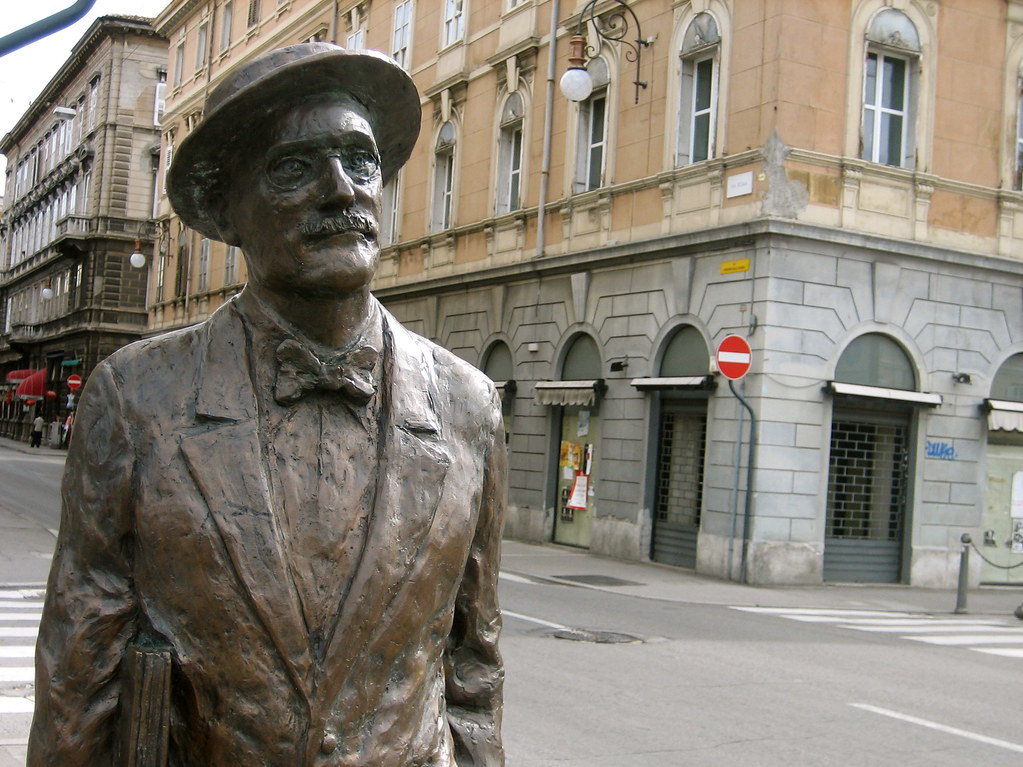
James Joyce’s short story “The Dead,” the final and longest story in his 1914 collection “Dubliners,” stands as one of literature’s greatest works and provides perhaps the most profound literary meditation on Christmas, memory, and Irish identity ever written. Set at a Dublin Christmas party in 1904, the story explores themes of paralysis, nostalgia, cultural identity, and the gap between appearance and reality through the experiences of Gabriel Conroy during and after a holiday gathering. Understanding “The Dead” reveals both Joyce’s genius and deeper truths about Irish Christmas, Irish literature, and how Christmas functions in Irish cultural consciousness.
The Story: Plot and Context
“The Dead” requires careful examination to appreciate its complexity and significance.
The Setting: The story takes place on January 6th (Epiphany, or “Little Christmas”) at the annual Christmas party hosted by the Misses Morkan – elderly music teachers – in their Dublin home. The party represents traditional Irish Christmas gathering with music, dancing, dinner, and social interaction across generations.
The Characters: Gabriel Conroy, a teacher and writer, arrives with his wife Gretta. The party includes various Dublin characters representing different aspects of Irish society: nationalist Miss Ivors, the drunken Freddy Malins, the aging hostesses, various musicians and guests.
The Action: The story follows the party’s progression – arrivals, dinner, after-dinner toasts and speeches, entertainment – building toward what seems a successful social event. Gabriel gives a speech celebrating Irish hospitality and tradition, dancing occurs, songs are sung, and everyone seems to enjoy themselves.
The Revelation: After the party, walking to their hotel, Gretta hears a song (“The Lass of Aughrim”) that triggers memories of Michael Furey, a young man who loved her in her youth and who died, she believes, for love of her. In their hotel room, she reveals this story to Gabriel, who experiences devastating recognition that:
- His wife has interior life unknown to him
- Her deepest emotions connect to someone long dead
- His own sense of their relationship was illusory
- He is emotionally distant from the people around him
- He, and perhaps all the living, are less vital than the dead
The Ending: The story concludes with Gabriel’s famous meditation as he watches snow fall over Dublin, over all of Ireland, realizing that snow falls “upon all the living and the dead,” and that the distinctions between them blur. This ending represents one of literature’s most powerful moments – simultaneously devastating and transcendent.
Christmas Setting and Significance
The story’s Christmas setting is not incidental but fundamental to its meaning.
Holiday Gathering: Christmas parties function as social performances where people present idealized versions of themselves and their relationships. Joyce uses this performative context to explore the gap between appearance (successful party, happy marriage, cultural unity) and reality (loneliness, failed connection, cultural paralysis).
Epiphany: The story occurs on Epiphany (January 6th), the Christian feast celebrating divine revelation. Joyce uses this date ironically – Gabriel experiences devastating personal epiphany, but one that reveals absence rather than presence, loss rather than meaning.
Nostalgia and Memory: Christmas triggers nostalgia and memory, themes central to “The Dead.” The party involves remembering deceased singers, past parties, and better times. Gretta’s memory of Michael Furey, triggered by Christmas music, demonstrates how Christmas activates the past.
Irish Traditions: The story lovingly details Irish Christmas traditions:
- Food preparation and elaborate dinner
- Musical performances
- Dancing
- Social rituals of arrival and departure
- After-dinner speeches
- Irish hospitality
Joyce’s detailed recreation of these traditions makes the story valuable documentation of 1904 Dublin Christmas while using them to explore deeper themes.
Seasonal Melancholy: Winter, particularly around Christmas, creates melancholy atmosphere. Joyce exploits this seasonal mood, using Dublin’s cold, snow, and darkness to reinforce the story’s themes of isolation and mortality.
Community and Isolation: Christmas emphasizes community and togetherness, making Gabriel’s ultimate isolation more poignant. Despite being surrounded by people at a festive gathering, he ends profoundly alone.
Literary Technique and Style
Joyce’s technical mastery makes “The Dead” extraordinary.
Third-Person Limited: The story uses third-person narration focused through Gabriel’s consciousness. We see events through his perspective, making his final revelation our revelation.
Precise Detail: Joyce’s meticulous attention to detail – food, clothing, conversation, music – creates vivid sense of the party while each detail potentially carries symbolic weight.
Symbolism: The story operates on multiple levels:
- Snow symbolizing death, paralysis, covering everything equally
- West (where Gretta comes from, where Michael Furey lived) versus East (Dublin, civilization, Gabriel’s world)
- Music triggering memory and emotion
- Mirrors showing surfaces versus depths
- The dinner table as social ritual
- Windows separating inside/outside, living/dead
Epiphanic Structure: Joyce pioneered the “epiphany” in modern literature – moments of sudden revelation or understanding. “The Dead” builds methodically toward Gabriel’s devastating epiphany.
Free Indirect Discourse: Joyce’s style blends narrator’s voice with character’s consciousness, creating intimacy while maintaining distance, perfectly suited to the story’s themes.
Conclusion’s Power: The story’s final pages represent perhaps the greatest ending in short fiction. Joyce moves from specific (Gabriel and Gretta) to universal (all of Ireland, all humanity, living and dead) while maintaining emotional intensity.
Themes and Meanings
“The Dead” explores multiple interconnected themes:
Mortality: The story obsessively returns to death. The title itself announces this preoccupation. Characters discuss deceased singers, past times, those gone before. Michael Furey’s death dominates the ending. Gabriel’s final vision encompasses all the dead of Ireland. Christmas’s life-affirming celebration contrasts with omnipresence of death.
Memory: Memory shapes present reality. Gretta’s memory of Michael Furey determines her emotional landscape more than her present marriage. Past singers’ reputations exceed living singers’ abilities. Ireland seems trapped remembering better past rather than creating better present.
Paralysis: Like other “Dubliners” stories, “The Dead” explores Irish paralysis – inability to act, live fully, or escape past. Gabriel is paralyzed by self-consciousness. Irish culture seems paralyzed between past and present, between Irish and European identity.
Cultural Identity: Gabriel’s conflict with Miss Ivors about his European orientation versus Irish nationalism explores Irish identity questions crucial in early 20th century. Should Ireland look inward to Gaelic tradition or outward to Europe? This debate occurs at Christmas party, suggesting Irish Christmas itself involves these identity questions.
Marriage and Love: Gabriel and Gretta’s marriage appears successful but proves hollow. Gabriel’s love is self-centered and unimaginative. Gretta’s deepest emotion connects to dead boy from her youth. The story asks devastating questions about knowing another person and whether marriage provides true intimacy.
Life and Death: The living seem less vital than the dead. Michael Furey, dead for years, possesses emotional reality exceeding Gabriel’s living presence. The dead exert power over the living through memory. Living seems diminished compared to the intensity of death.
Hospitality and Social Performance: The Morkans’ party exemplifies Irish hospitality while revealing it as performance. People play roles, maintain appearances, perform expected social functions. Underneath, they remain separate, unknown to each other.
Irish Christmas in “The Dead”
The story provides invaluable documentation of Irish Christmas traditions circa 1904:
The Gathering: Extended family and friends gathering for elaborate party represents Irish Christmas social patterns.
Food: Joyce lovingly details the Christmas feast:
- Roast goose
- Ham
- Spiced beef
- Various desserts including pudding
- Multiple wines
- Elaborate preparation and presentation
Music and Dance: Musical entertainment central to the party:
- Songs (traditional Irish, art songs)
- Piano accompaniment
- Dancing (quadrilles, waltzes)
- Performers of varying ability
- Music as social glue and memory trigger
Speeches: After-dinner speeches thanking hostesses and celebrating Irish hospitality reflect Irish Christmas tradition of formal toasts and expressions of appreciation.
Social Rituals: The story shows Christmas social choreography:
- Arrival rituals
- Coat-taking and greetings
- Seating arrangements at dinner
- Post-dinner gathering
- Departure rituals
Alcohol: Drinking features prominently, with various characters consuming wine, whiskey, and other spirits throughout the evening.
Class and Status: The party includes various social classes, showing how Christmas gatherings mixed Dublin society while maintaining class awareness.
Influence and Legacy
“The Dead” has profoundly influenced Irish literature and culture:
Literary Influence: Nearly every Irish writer since Joyce has grappled with “The Dead.” It established standards for Irish short fiction and demonstrated possibilities for treating Irish material with modernist techniques.
Christmas Story Canon: “The Dead” joined the small canon of truly great Christmas stories (alongside Dickens’s “A Christmas Carol”), proving Christmas settings could support profound literary art.
Film Adaptation: John Huston’s 1987 film adaptation brought the story to wider audiences while demonstrating its cinematic possibilities. The film, Huston’s final work, achieved remarkable fidelity to Joyce’s original.
Academic Study: “The Dead” generates endless academic analysis, with scholars finding new layers of meaning in Joyce’s dense, allusive prose.
Cultural Touchstone: For educated Irish people, “The Dead” represents essential cultural knowledge. References to it appear throughout Irish culture.
Performance: The story has been adapted for stage and radio numerous times, demonstrating its dramatic potential despite being introspective and internal.
Other Irish Christmas Literature
While “The Dead” dominates, other Irish literature treats Christmas:
Frank O’Connor: This Irish short story master wrote Christmas stories exploring Irish family life, religion, and social change.
William Trevor: Trevor’s stories frequently feature Christmas settings, using the holiday to explore Irish character, memory, and social observation with Joyce-like precision.
Roddy Doyle: Contemporary Irish writer Doyle has written Christmas-set works examining modern Irish family life with humor and heart.
Poetry: Irish poets from Yeats onward have written Christmas poems exploring Irish Christmas from various angles – religious, social, political, personal.
Memoir: Irish memoir often includes Christmas memories, documenting how Christmas was experienced across different eras and social classes.
Children’s Literature: Irish children’s literature includes Christmas stories maintaining Irish settings and traditions while providing entertainment.
Irish Literary Traditions About Christmas
Irish literature approaches Christmas with certain recurring patterns:
Melancholy: Even celebratory Irish Christmas literature often includes melancholy, acknowledging losses, absence, and mortality alongside celebration.
Memory: Irish Christmas literature frequently involves memory and nostalgia, characters reflecting on past Christmases and what’s been lost.
Family Tension: Rather than idealized families, Irish Christmas literature often shows family tensions, conflicts, and dysfunctions.
Social Observation: Irish writers use Christmas gatherings to observe Irish society, class relations, and cultural patterns.
Religious Ambivalence: Irish Christmas literature treats religious elements with complexity, neither purely reverent nor dismissive.
Emigration: Given Ireland’s emigration history, Irish Christmas literature frequently involves emigrants returning or unable to return, separated families, and geographic displacement.
Food and Drink: Irish literature pays attention to Christmas food and drink, using material details to explore character and culture.
“The Dead” in Irish Christmas Culture
“The Dead” has become part of Irish Christmas culture itself:
Christmas Reading: Many Irish people read or reread “The Dead” at Christmas, making it annual ritual alongside other Christmas traditions.
Academic Assignment: Irish students often study “The Dead” in school, frequently around Christmas, associating the story with the season.
Film Viewing: John Huston’s film adaptation airs on television around Christmas, making “The Dead” part of Irish Christmas viewing.
Cultural Reference: Irish people reference “The Dead” in Christmas contexts, quoting lines or alluding to themes.
Literary Events: Readings and discussions of “The Dead” occur around Christmas in Irish literary venues.
Why “The Dead” Endures
The story’s endurance stems from multiple factors:
Universal Themes: While specifically Irish, the story explores universal human experiences – love, death, memory, identity, failure to truly know others.
Technical Mastery: Joyce’s prose is so good that reading it remains rewarding regardless of how many times one has encountered it.
Emotional Power: The story moves readers deeply, creating genuine emotional impact despite its restraint and indirection.
Multiple Levels: The story rewards various reading approaches – simple narrative appreciation, symbolic interpretation, historical documentation, philosophical meditation.
The Ending: The final pages provide one of literature’s transcendent moments, elevating the specific story to universal meditation on mortality and meaning.
Irish Identity: For Irish readers, the story captures something essential about Irish character and experience, particularly around Christmas.
Contemporary Relevance
“The Dead” remains relevant to contemporary Irish Christmas:
Emigrant Experience: The story’s themes of separation, homecoming, and belonging resonate in contemporary Ireland where emigration continues affecting families.
Performance vs. Reality: The gap between Christmas’s idealized performance and complex reality remains pertinent as commercial Christmas pressure intensifies.
Memory and Nostalgia: Irish people continue experiencing Christmas through layers of memory and nostalgia, just as Joyce’s characters do.
Cultural Identity: Questions about Irish identity, tradition versus modernity, and cultural authenticity persist in contemporary Ireland.
Mortality: Christmas continues triggering awareness of mortality, absence, and loss, particularly as families gather noting who’s missing.
Teaching “The Dead”
“The Dead” presents both opportunities and challenges for education:
Accessibility: The story’s length and complexity challenge students but reward careful reading.
Historical Context: Understanding 1904 Dublin requires historical knowledge that enriches reading.
Literary Technique: The story demonstrates modernist innovations and sophisticated techniques worth studying.
Multiple Approaches: Teachers can approach the story through various lenses – historical, biographical, thematic, technical, comparative.
Discussion Possibilities: The story’s ambiguities and complexities generate rich classroom discussion.
Conclusion
James Joyce’s “The Dead” stands as supreme literary achievement and profound meditation on Irish Christmas, Irish identity, and human existence. Its Christmas party setting provides framework for exploring themes of paralysis, memory, cultural identity, and mortality that define both Irish experience and universal human condition.
The story’s detailed recreation of 1904 Dublin Christmas party preserves historical record of Irish Christmas traditions while transcending documentary purpose to create timeless art. Joyce’s technical mastery produces prose that remains rewarding across multiple readings, revealing new layers of meaning while maintaining emotional power.
For Irish people, “The Dead” represents essential cultural text that captures something true about Irish Christmas – its mixing of celebration and melancholy, its activation of memory and nostalgia, its social rituals that both connect and separate people. The story acknowledges that Irish Christmas involves performance, that beneath festive surfaces lie complicated emotions, and that Christmas reminds Irish people of absences as much as presences.
Beyond Irish significance, “The Dead” achieves universal resonance. Its meditation on mortality, on our inability to truly know others, on the past’s power over the present, and on the ultimate unity of living and dead speaks to readers regardless of nationality or religion. The snow falling “upon all the living and the dead” blankets humanity equally, making Irish Christmas party the vehicle for universal truths about human existence.
As Irish Christmas continues evolving, “The Dead” will likely remain relevant, offering literary lens through which to understand Irish Christmas’s complexity and profundity. Joyce demonstrated that Christmas literature need not be sentimental or simplistic but can achieve the highest artistic standards while remaining emotionally powerful and culturally significant. That achievement ensures “The Dead” will continue being read, studied, discussed, and cherished as long as Irish people celebrate Christmas and literature endures.

Author: jonathan
Jonathan is the publisher of Irishtopia.net, Anglotopia.net, and Londontopia.net. He's passionate about travel and learning about other cultures. He's been to Ireland several times, and uses his travel expertise for Irishtopia!