
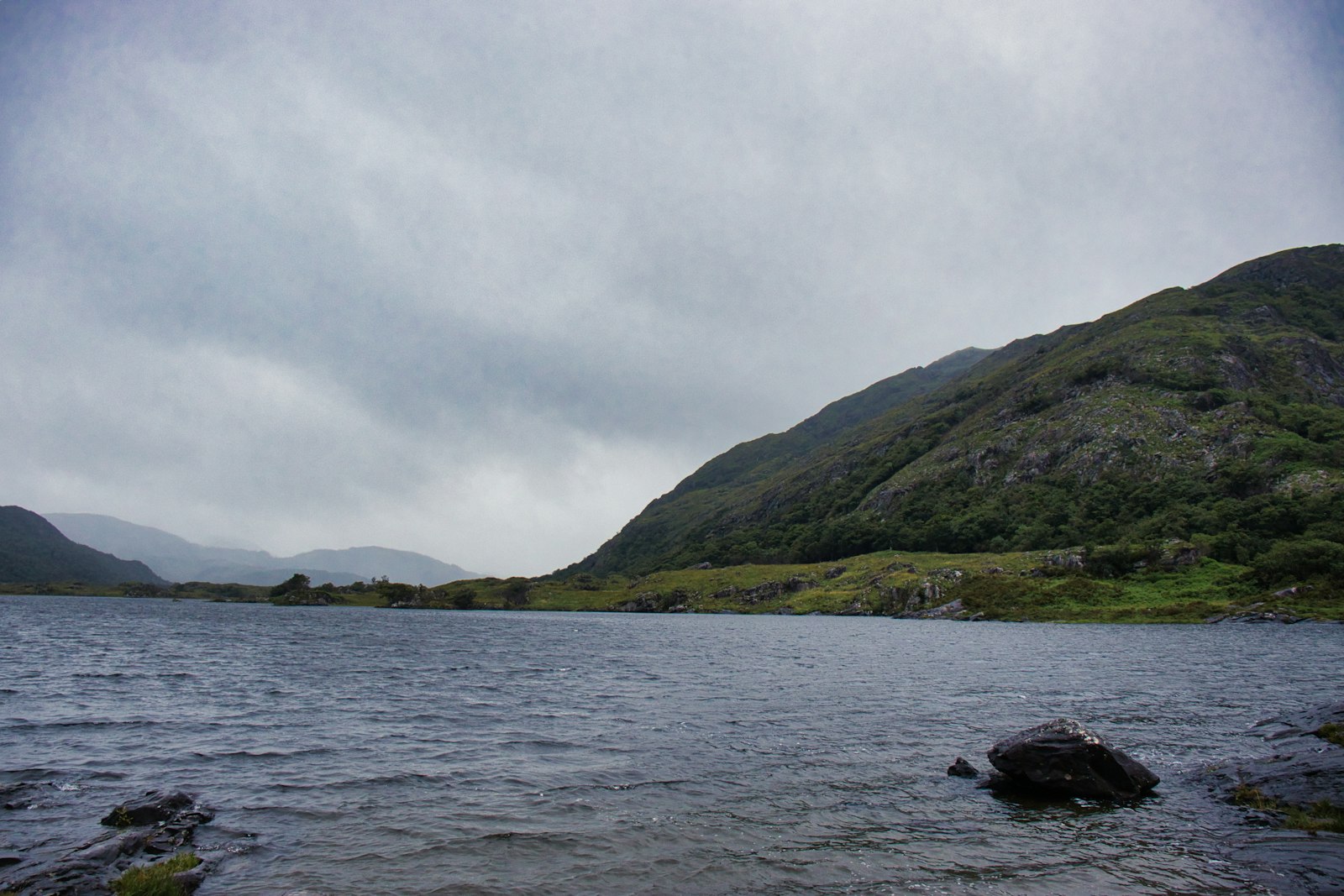
Killarney, in County Kerry’s interior, represents one of Ireland’s oldest established tourist destinations—a status achieved through a combination of exceptional landscape beauty, Victorian-era infrastructure development, and effective marketing that transformed the region into an essential Irish destination. The town’s existence and character remain inseparable from Killarney National Park—an expanse of lakes, mountains, and woodland that comprises the landscape’s primary appeal.
For American visitors, Killarney offers a distinctive Irish experience combining natural beauty with established tourism infrastructure, making it particularly suitable for visitors preferring comfort and organized activities alongside landscape appreciation. The town’s multiple hotels, restaurants, activity operators, and cultural venues provide comprehensive visitor support while the surrounding lakes and mountains offer genuine wilderness experiences within accessible distance.
Understanding Killarney’s Geography and Historical Development
Killarney town covers modest area—just a few kilometers across the historic downtown—yet exerts cultural and economic influence far exceeding its physical size. The town’s location at Killarney National Park’s eastern margins positions it as the logical base for park exploration.
Killarney National Park covers approximately 10,200 hectares encompassing three major lakes—Lough Leane, Muckross Lake, and Upper Lake—along with mountains, peninsulas, and extensive woodland. The park, Ireland’s first national park established in 1932, protects landscape that Victorian travelers regarded with romantic awe and contemporary visitors still find profoundly beautiful.
The town’s historical development reflects tourism interest. The arrival of railway connections in the 19th century transformed Killarney from modest town into established tourist destination. Victorian travelers, seeking romantic natural beauty and picturesque landscapes, arrived in increasing numbers. This tourism demand created hotels, restaurants, and activity infrastructure transforming Killarney into a leisure destination.
This Victorian heritage influences contemporary Killarney character. The town center contains Victorian-era buildings, many now housing modern businesses but maintaining historical architectural character. This blend of historical preservation and contemporary function creates aesthetic environments quite distinct from purpose-built modern tourist facilities.
Killarney Town: Exploring the Historic Center
Killarney town itself merits exploration beyond its function as Killarney National Park’s base. The town’s compact center, walkable in under 30 minutes, contains shops, restaurants, pubs, galleries, and cultural venues creating comprehensive visitor experiences.
Main Street forms the town’s primary commercial thoroughfare—lined with independent shops, restaurants, and pubs, it communicates small Irish town character while maintaining sufficient tourism infrastructure to support visitor needs. Walking Main Street, you encounter Irish craft shops, literary establishments referencing Kerry’s cultural heritage, and restaurants emphasizing local ingredients.
The Cathedral of St. Mary, positioned on the town’s northern edge, represents impressive ecclesiastical architecture. The cathedral’s Victorian Gothic design reflects 19th-century religious building confidence. While still functioning as a parish church, the building welcomes visitors interested in architectural appreciation.
Killarney House, a Victorian mansion positioned at the town’s southern edge, provides historical context regarding 19th-century life in Kerry. Tours of the furnished house communicate domestic life details during the Victorian period when Killarney was establishing its tourist reputation.
Muckross House, technically outside the town but easily accessible, represents another Victorian mansion. This more elaborate estate includes extensive grounds and gardens. Touring the house and exploring the grounds requires several hours and provides comprehensive insights into Victorian Irish life among the affluent classes.
Killarney National Park: The Landscape Jewel
The national park’s primary attractions—the three lakes and surrounding mountains—create landscape of profound beauty. Each lake occupies distinct ecological and aesthetic niches, creating varied visual and recreational experiences.
Lough Leane: The Largest Lake
Lough Leane (the Lake of Learning), covering approximately 4,700 hectares, represents the park’s largest lake. The lake’s name references its historical significance as a center of religious learning. The lake’s geography creates bays and peninsulas offering visual variety throughout circumnavigation.
Ross Castle, positioned on the lake’s eastern shore, represents Killarney’s most iconic structure. This 15th-century fortification, built on a peninsula surrounded on three sides by lake water, combines military defensibility with picturesque positioning. The castle, substantially ruined but remarkably preserved for a 500-year-old structure, dominates visual attention from numerous perspectives.
Touring the castle’s interior reveals medieval fortress design while the surrounding grounds allow peaceful exploration. The castle’s position creates exceptional photographic opportunities, particularly at sunrise when light bathes stone in golden tones or sunset when reflecting light transforms water gold.
Boating on Lough Leane provides alternative perspectives on landscape and access to locations unreachable by land. Several boat operators provide rowing boat rentals for independent exploration or organized tours with interpretive narration. The water-level perspective transforms landscape appreciation—mountains appear higher, shorelines more dramatic, and the sense of isolation deeper than land-based experiences.
Innisfallen Island, accessible by boat from Ross Castle, contains monastic ruins dating to the Early Christian period. This small island’s history extends back to the 7th century when monks established religious settlements. The island’s isolation, combined with its historical significance, creates contemplative spaces where monastic community decisions seem understandable.
Muckross Lake: The Central Lake
Muckross Lake, the central of the three lakes, encompasses approximately 600 hectares and occupies particularly scenic terrain. Muckross Peninsula, extending into the lake, contains Muckross House and related structures positioning cultural tourism within spectacular landscape.
The lake’s shoreline, accessed via walking paths and driving routes, provides numerous perspectives on landscape beauty. The lake’s reflection of surrounding mountains creates visual poetry—the line between water and sky becomes ethereal when conditions align properly.
Upper Lake: The Mountain-Surrounded Water
Upper Lake, smallest of the three, occupies terrain surrounded by dramatic mountains. The lake’s setting within mountain terrain creates landscape more alpine in character than the lower lakes. The lake’s position at higher elevation, combined with its mountain setting, creates distinct visual character from the other lakes.
Walking routes around Upper Lake provide access to mountain scenery combined with water-level perspectives. The area’s relative quiet compared to the lower lakes makes it appealing to visitors seeking peaceful experiences.
Mountain Experiences and Hiking
The mountains surrounding Killarney’s lakes provide hiking opportunities varying from gentle valley walks to challenging ridge traverses.
Torc Mountain
Torc Mountain, rising 535 meters above Muckross Lake, provides accessible hiking with excellent returns for effort invested. The standard route, ascending approximately 6 kilometers with roughly 400 meters elevation gain, takes approximately 2-3 hours for hikers of average fitness.
The ascent passes through forest terrain transitioning to open moorland as elevation increases. Reaching the summit rewards with panoramic views encompassing Muckross Lake, the surrounding mountains, and on clear days, views extending toward the Atlantic.
Carrauntoohil: Ireland’s Highest Mountain
Carrauntoohil, Ireland’s highest mountain at 1,038 meters, lies within reach of Killarney-based visitors. While the mountain stands approximately 30 kilometers from Killarney, day trips are feasible for hikers with good fitness levels.
The most popular route, ascending from the southern approach, takes approximately 4-5 hours climbing with equivalent descent duration. The ascent involves navigating rough terrain and becomes increasingly exposed as elevation increases. Reaching the summit creates disproportionate satisfaction—standing atop Ireland’s highest point provides perspective on landscape scope and personal achievement.
Muckross Head Ridge
The ridge walk traversing Muckross Head provides more challenging hiking combining mountain experience with lake-level perspectives. This route, spanning approximately 10 kilometers with substantial elevation changes, creates full-day hiking experience. Hikers traversing the ridge experience changing perspectives on the lakes from elevated vantage points, understanding the landscape’s complexity.
Water-Based Recreation and Traditional Boating
Beyond sightseeing boat tours, Killarney lakes support multiple water-based activities appealing to visitors with varying interests.
Fishing: The lakes support excellent fishing opportunities, particularly for brown trout. Fishing licenses and equipment rental are available through local operators. Boat-based fishing provides access to deeper waters where larger fish inhabit.
Boating: Beyond commercial tours, rowing boats and small motorboats can be rented for independent exploration. The freedom to navigate lakes independently, stopping at locations of personal interest, appeals particularly to visitors seeking customized experiences.
Water Sports: Kayaking and other paddle sports have become increasingly popular on Killarney lakes. Several operators offer equipment rental and instruction for various skill levels.
Seasonal Perspectives and Photography
The landscape transforms dramatically across seasons, offering distinct photographic opportunities and aesthetic experiences throughout the year.
Spring (April-May): Vegetation awakens with fresh greens and wildflowers beginning to bloom. Light quality improves as daylight extends. The landscape transitions from winter’s dormancy to vibrant growth.
Summer (June-August): Extended daylight hours allow full-day exploration. Warm weather permits lake swimming and comfortable hiking. However, peak tourist season creates crowded conditions at major sites.
Autumn (September-October): Vegetation transitions to brilliant colors as chlorophyll production ceases and underlying pigments become visible. The light takes on golden qualities particularly beautiful during early mornings and late afternoons.
Winter (November-February): Reduced crowds and dramatic storm systems create photographic opportunities. However, weather becomes unpredictable and daylight severely limited.
Practical Information for Killarney Exploration
Getting There: Killarney town is approximately 85 kilometers southwest of Cork city, accessible via the N22. Public transportation connects Killarney to major Irish cities. However, exploring the national park fully requires a rental car or organized transportation.
Accommodation: Killarney contains extensive accommodation ranging from budget hostels through luxury hotels. Booking peak season accommodations (July-August) requires advance reservations. Alternative villages throughout the region provide quieter bases with often superior value.
Dining: Killarney’s numerous restaurants offer quality food ranging from casual to fine dining. Emphasis typically falls on local ingredients and traditional Irish cooking. Reservations are recommended at established restaurants during peak seasons.
Activities: Multiple activity operators offer guided walks, boating excursions, horseback riding, cycling tours, and other activities. The visitor center provides comprehensive information regarding available options.
Weather: Kerry’s coastal proximity creates variable weather. Waterproof clothing is essential. Wind remains constant, particularly in elevated areas. Weather changes rapidly—outdoor activity plans should remain flexible.
Timing: May through September provides optimal weather. July-August brings peak tourist traffic. April-May and September-October offer advantages of fewer crowds combined with pleasant weather.
Costs: Killarney offers good accommodation and dining value compared to major tourist destinations. Activity pricing varies—boat tours typically cost €10-20, mountain activities involve minimal costs beyond any guide fees.
Day Trip Possibilities and Extended Exploration
Killarney positions well for exploring surrounding regions. The Ring of Kerry, a famous scenic drive circumnavigating the Iveragh Peninsula, departs from Killarney and can be completed as a day trip. The drive, spanning approximately 180 kilometers, encompasses numerous attractions and scenic viewpoints.
Dingle Peninsula, discussed separately in detail, remains accessible from Killarney as a day trip or extended multi-day visit. The drive from Killarney to Dingle takes approximately 2 hours.
Gap of Dunloe, a narrow valley offering hiking and boating combinations, provides alternative day excursions from Killarney.
Conclusion: Killarney’s Enduring Appeal
Killarney remains one of Ireland’s most visited destinations for legitimate reasons—the landscape genuinely deserves the attention it receives. The three lakes combined with surrounding mountains create natural beauty matching any destination in Ireland. The town’s Victorian infrastructure and contemporary visitor services provide support that permits comfortable exploration.
What distinguishes Killarney from some other heavily touristed destinations is the quality of landscape experiences accessible even during peak tourist seasons. You can hike mountains away from crowds, boat on lakes in relative solitude, and find peaceful spaces within tourist infrastructure. The parks’ size permits this diversity.
American visitors, particularly those new to Ireland travel, frequently discover Killarney’s appeal immediately. The combination of dramatic landscape, established infrastructure, organized activity options, and comfortable accommodations appeals to travelers who appreciate natural beauty but prefer not managing expedition logistics themselves.
For such visitors, Killarney represents ideal Irish destination—substantial natural beauty, accessible experiences, and infrastructure support creating reliable quality visits. Those seeking more independence and less infrastructure might feel Killarney overly developed. But for many travelers, Killarney’s strengths—beautiful lakes, accessible mountains, Victorian heritage, and comprehensive tourism support—create experiences that merit the destination’s status as an essential Irish visit.

Author: jonathan
Jonathan is the publisher of Irishtopia.net, Anglotopia.net, and Londontopia.net. He's passionate about travel and learning about other cultures. He's been to Ireland several times, and uses his travel expertise for Irishtopia!