
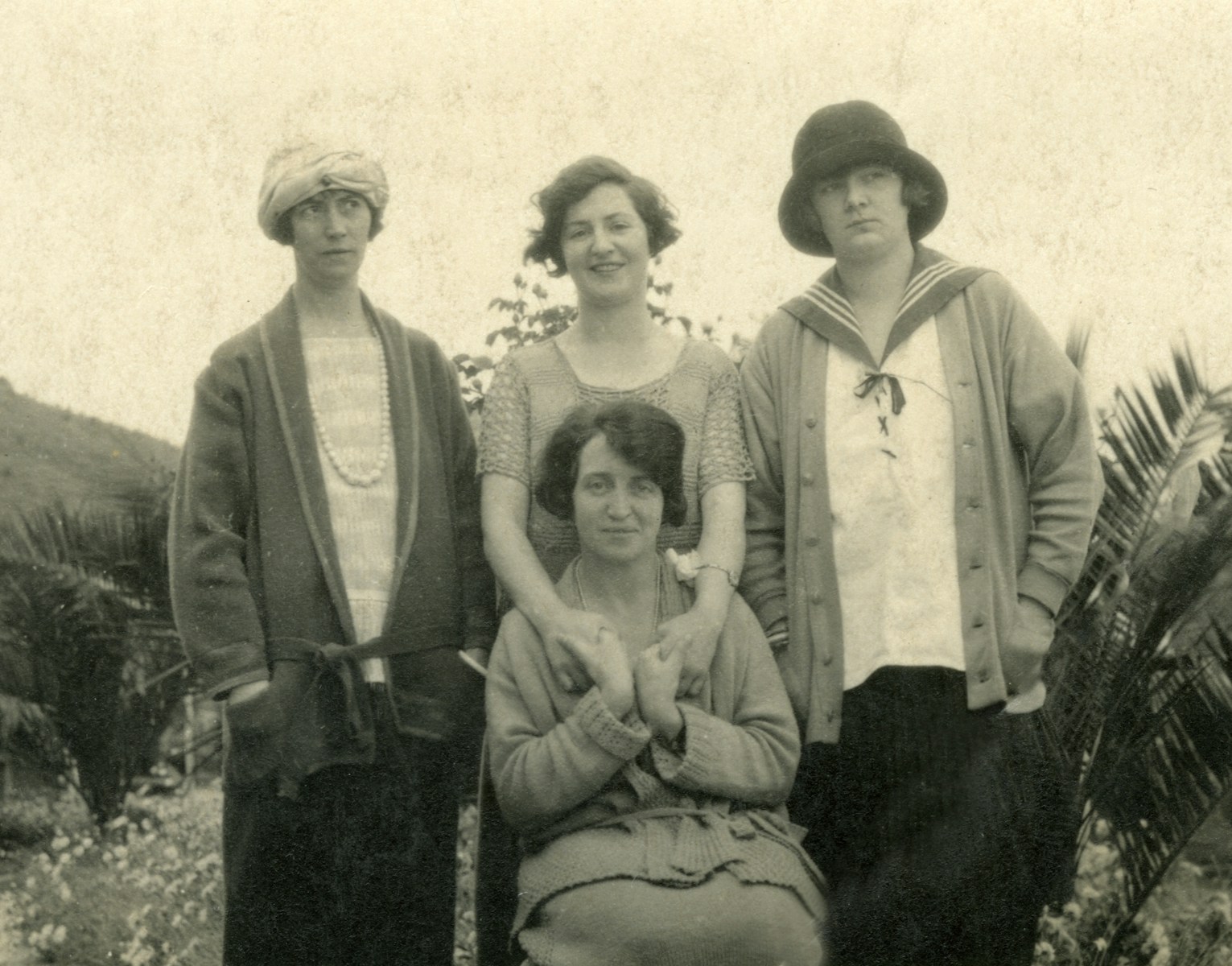
While most of the world considers Christmas festivities concluded by early January, Ireland maintains a unique tradition that extends the season until January 6th: Nollaig na mBan, or Women’s Christmas. This distinctly Irish custom recognizes the work Irish women performed during the Christmas season and gave them a well-earned day of rest and celebration. Today, it’s experiencing a remarkable revival as both a feminist celebration and a cherished cultural tradition.
The Tradition’s Origins
January 6th holds significance in the Christian calendar as the Feast of the Epiphany, marking the visit of the Three Wise Men to the infant Jesus and traditionally considered the end of the Christmas season. In Irish Catholic tradition, this date is also known as “Little Christmas” or “Women’s Christmas.”
The custom of Women’s Christmas emerged from practical realities of traditional Irish domestic life. Throughout the Christmas season, women bore the brunt of holiday preparations and work: cooking elaborate meals, baking, cleaning, hosting family gatherings, caring for children, and managing the countless tasks that made Christmas celebrations possible for everyone else.
While men might take time off from farm work or other labor during the Christmas period, women’s work intensified. The twelve days of Christmas meant twelve days of increased cooking, cleaning, and hospitality for Irish women, with little opportunity for rest or celebration of their own.
Women’s Christmas represented a correction to this imbalance. On January 6th, Irish women traditionally put down their tools, left their housework, and went out together to celebrate. Men were expected to take over domestic duties for the day – a significant role reversal in traditional Irish society where gender roles were strictly maintained.
Traditional Observance
In its traditional form, Women’s Christmas followed a delightful pattern that gave Irish women a genuine break from their responsibilities.
On January 6th, women would leave their homes in the afternoon or evening, gathering with female friends, neighbors, and family members. These groups might meet in homes, but more commonly they convened in local pubs or hotels for tea, drinks, and conversation.
The men and older children remaining at home were responsible for all domestic duties: preparing meals, washing dishes, caring for younger children, and handling any other household tasks that arose. This role reversal was taken seriously in traditional communities, with social pressure ensuring men fulfilled these responsibilities properly.
The women’s gatherings were boisterous, celebratory affairs. Unlike other social occasions where women might be more restrained or conscious of domestic responsibilities waiting at home, Women’s Christmas encouraged women to relax completely, enjoy themselves fully, and stay out as late as they wished.
Traditional activities included:
- Sharing food and drink (tea, and increasingly, alcohol)
- Conversation and storytelling
- Singing traditional songs
- Playing cards or other games
- Simply enjoying freedom from domestic duties
These gatherings provided rare opportunities for women to socialize without the responsibilities of hostessing, to speak freely about their lives, and to enjoy each other’s company without male supervision or judgment.
An important aspect of the tradition was that men were expected to respect women’s autonomy during these gatherings. They weren’t invited to join, interfere, or check up on their wives, mothers, daughters, or sisters. Women’s Christmas belonged entirely to women.
Regional Variations
While Women’s Christmas was observed throughout Ireland, the tradition was particularly strong in certain regions, with notable variations in how it was practiced.
Cork, Kerry, and other parts of Munster maintained the tradition most vigorously. In these areas, Women’s Christmas gatherings were major social events, with establishments expecting and preparing for large groups of women on January 6th.
In some rural areas, women would pool resources to hire entertainment or organize more elaborate celebrations. These might include booking a room in a hotel, arranging for a musician, or organizing a proper party with food and decorations.
Urban areas developed their own variations, with women’s groups from workplaces, neighborhoods, or social organizations using January 6th as an occasion for gatherings that might be more formally organized than spontaneous rural pub meetings.
Some families incorporated specific rituals into their observance: taking down Christmas decorations (traditionally left up until January 6th), sharing a special meal, or conducting small ceremonies marking the official end of the Christmas season.
Decline and Near-Disappearance
Like many traditional Irish customs, Women’s Christmas faced challenges in the mid-to-late 20th century that nearly led to its disappearance.
As Irish society modernized and women increasingly entered the workforce, traditional patterns of domestic life changed. The specific circumstances that made Women’s Christmas necessary – women doing all domestic work while men had relative leisure – became less universal.
Urbanization disrupted traditional community patterns that supported the custom. In cities, women might not have the close-knit networks of female neighbors and relatives that made traditional celebrations possible.
The commercialization of Christmas shortened the season for many people, with January 6th becoming just another workday rather than the culmination of a twelve-day festival period.
Additionally, changing gender roles made some aspects of the tradition seem outdated. Younger women questioned why they needed one designated day off when equality should mean shared responsibility year-round.
By the 1980s and 1990s, observance of Women’s Christmas had declined significantly in many parts of Ireland, particularly among younger generations and urban populations.
The Revival
The past two decades have witnessed a remarkable revival of Women’s Christmas, driven by multiple factors that have transformed it from a fading folk custom into a vibrant contemporary celebration.
Feminist interest in the tradition has been crucial to its revival. Women’s Christmas provides a historical example of Irish women claiming space for themselves and receiving acknowledgment for their labor – themes that resonate strongly with contemporary feminism.
Cultural organizations, women’s groups, and feminist activists began consciously reviving and promoting the tradition in the 1990s and 2000s. These efforts framed Women’s Christmas as both historical heritage and a relevant contemporary celebration of women’s contribution to family and society.
Irish restaurants, pubs, and hotels recognized the commercial potential and began offering special Women’s Christmas events, packages, and promotions. While this commercialization concerns some traditionalists, it has also made the celebration more accessible and raised awareness of the tradition.
Social media has played a significant role in the revival, allowing women to organize gatherings, share photos and stories from their celebrations, and spread awareness of the tradition to wider audiences, including Irish diaspora communities.
Contemporary Celebrations
Modern Women’s Christmas celebrations maintain the spirit of the traditional observance while adapting to contemporary Irish life.
Many women still gather on January 6th (or the nearest convenient date) for meals, drinks, and socializing. These gatherings might be organized among friends, family members, work colleagues, book clubs, sports teams, or other social groups. The key element remains: women taking time to celebrate together without domestic responsibilities.
Restaurants and hotels throughout Ireland now offer special Women’s Christmas packages, from afternoon tea to full dinners with entertainment. These commercial offerings have made the celebration more accessible to women who might not otherwise organize gatherings.
Some celebrations incorporate modern twists: charity fundraisers organized as Women’s Christmas events, spa days or wellness activities, cultural outings like theater or concerts, or weekend getaways rather than single-evening gatherings.
The tradition of men taking over domestic duties remains relevant and meaningful, though it’s often framed more as family members respecting women’s right to a day off rather than a strict gender role reversal. Many families make Women’s Christmas a fun teaching opportunity for children, particularly sons, about domestic work and gender equality.
Feminist Dimensions
The revival of Women’s Christmas has highlighted its significance as a feminist tradition, making it relevant to contemporary gender equality discussions.
The tradition provides historical evidence that Irish women recognized and protested against unequal domestic labor burdens long before modern feminism. By claiming one day for themselves, traditional Irish women made a statement about fairness and recognition.
Contemporary feminists appreciate that Women’s Christmas acknowledges women’s unpaid domestic labor – work that remains disproportionately performed by women even in modern Ireland. The tradition makes visible the “invisible” work of maintaining households and families.
The custom also represents women claiming space for themselves outside patriarchal oversight. The requirement that men stay away from Women’s Christmas gatherings represents female autonomy and solidarity.
However, the tradition also raises interesting questions for contemporary feminism. Some argue that one day of recognition isn’t enough and that the focus should be on achieving equal division of labor year-round rather than celebrating a single day off. Others counter that while the ultimate goal is equality, celebrating Women’s Christmas acknowledges continuing reality of unequal domestic burdens and provides important space for women’s solidarity.
Cultural and Social Significance
Beyond its feminist dimensions, Women’s Christmas holds broader cultural significance in contemporary Ireland.
The tradition represents living Irish cultural heritage, connecting modern Ireland to traditional practices and values. In an increasingly globalized world, maintaining distinctive Irish customs becomes an act of cultural preservation.
Women’s Christmas celebrations create space for intergenerational connection. Grandmothers, mothers, and daughters gathering together can share stories, pass down traditions, and strengthen family bonds across age differences.
The custom also reinforces the importance of women’s friendships and social networks. In busy modern lives, Women’s Christmas provides a designated occasion for women to prioritize their relationships with other women.
For Irish women living abroad, Women’s Christmas celebrations become particularly meaningful as expressions of Irish identity and connections to home. Irish diaspora communities from New York to Melbourne have embraced the tradition, organizing Women’s Christmas gatherings that serve as both cultural celebrations and social events for Irish expatriates.
The Role of Men
Contemporary observance of Women’s Christmas has evolved to include men in ways that enhance rather than undermine the tradition’s meaning.
Enlightened male participation in Women’s Christmas involves actively facilitating women’s celebrations: taking over childcare and household duties, organizing these responsibilities among male family members, and genuinely giving women complete freedom to celebrate without worry about domestic needs.
Some men organize their own January 6th activities – father-child outings, men’s gatherings, or family activities that require no female participation – ensuring women truly get a day off rather than simply being absent while domestic needs pile up awaiting their return.
Progressive Irish men have embraced Women’s Christmas as an opportunity to model gender equality for children, particularly sons, teaching them about domestic work, women’s contributions, and fairness in family life.
The tradition also provides a framework for men to acknowledge and appreciate women’s ongoing work. Some families use Women’s Christmas as an occasion for explicit expressions of gratitude for the daily labor that keeps households functioning.
Commercial Aspects
The commercialization of Women’s Christmas presents both opportunities and challenges for the tradition’s future.
Restaurants, pubs, hotels, and spas now market heavily to Women’s Christmas celebrations, offering special packages and promotions. This commercial infrastructure makes celebrating easier and has undoubtedly contributed to the tradition’s revival. Women who might not organize their own gatherings can now simply book a table or purchase a package.
However, commercialization risks transforming Women’s Christmas into just another marketing opportunity, diluting its meaning and significance. The tradition’s power comes from women claiming time and space for themselves, not from being targeted consumers for special promotions.
Some celebrations have become quite expensive, potentially excluding women without disposable income and creating pressure to spend money on fancy outings rather than simply gathering for companionship and celebration.
The challenge lies in maintaining the tradition’s essential character and meaning while accepting that commercial infrastructure can facilitate rather than replace genuine celebration. A group of women sharing tea at home maintains Women’s Christmas just as authentically as an expensive restaurant gathering – perhaps more so.
Looking Forward
Women’s Christmas appears poised for continued growth and evolution in Irish culture, driven by several positive trends.
Younger Irish women are embracing the tradition, often giving it their own interpretations that combine traditional elements with contemporary values. This generational transmission ensures the custom’s survival while allowing it to evolve.
Educational efforts are increasing awareness of the tradition’s history and significance, helping both Irish people and visitors understand its cultural importance.
The tradition is being incorporated into broader Irish cultural celebrations and tourism, raising its profile while risking commercialization.
Most importantly, Women’s Christmas continues to resonate because the underlying issues it addresses – unequal domestic labor, women’s need for recognition and rest, the importance of women’s friendships – remain relevant in modern Ireland despite significant progress toward gender equality.
Conclusion
Women’s Christmas represents a unique Irish tradition that has successfully bridged past and present, maintaining its essential character while adapting to contemporary life. From its origins as a practical response to unequal domestic labor in traditional Irish society, it has evolved into a celebration that honors women, acknowledges their work, and creates space for female solidarity and joy.
The tradition’s revival demonstrates how cultural practices can remain meaningful across generations when they address enduring human needs – in this case, the need for recognition, rest, celebration, and community. Whether observed through intimate gatherings of friends at home or large organized events at hotels and restaurants, Women’s Christmas continues to give Irish women something they’ve always needed: a day that belongs entirely to them.
For visitors to Ireland on January 6th, the sight of groups of women celebrating together offers insight into Irish culture, gender dynamics, and the Irish talent for creating traditions that combine meaning, festivity, and social significance. For Irish women, whether in Ireland or scattered around the world, Women’s Christmas provides a annual reminder that they deserve celebration, rest, and recognition – not just on one day, but every day of the year.

Author: jonathan
Jonathan is the publisher of Irishtopia.net, Anglotopia.net, and Londontopia.net. He's passionate about travel and learning about other cultures. He's been to Ireland several times, and uses his travel expertise for Irishtopia!