
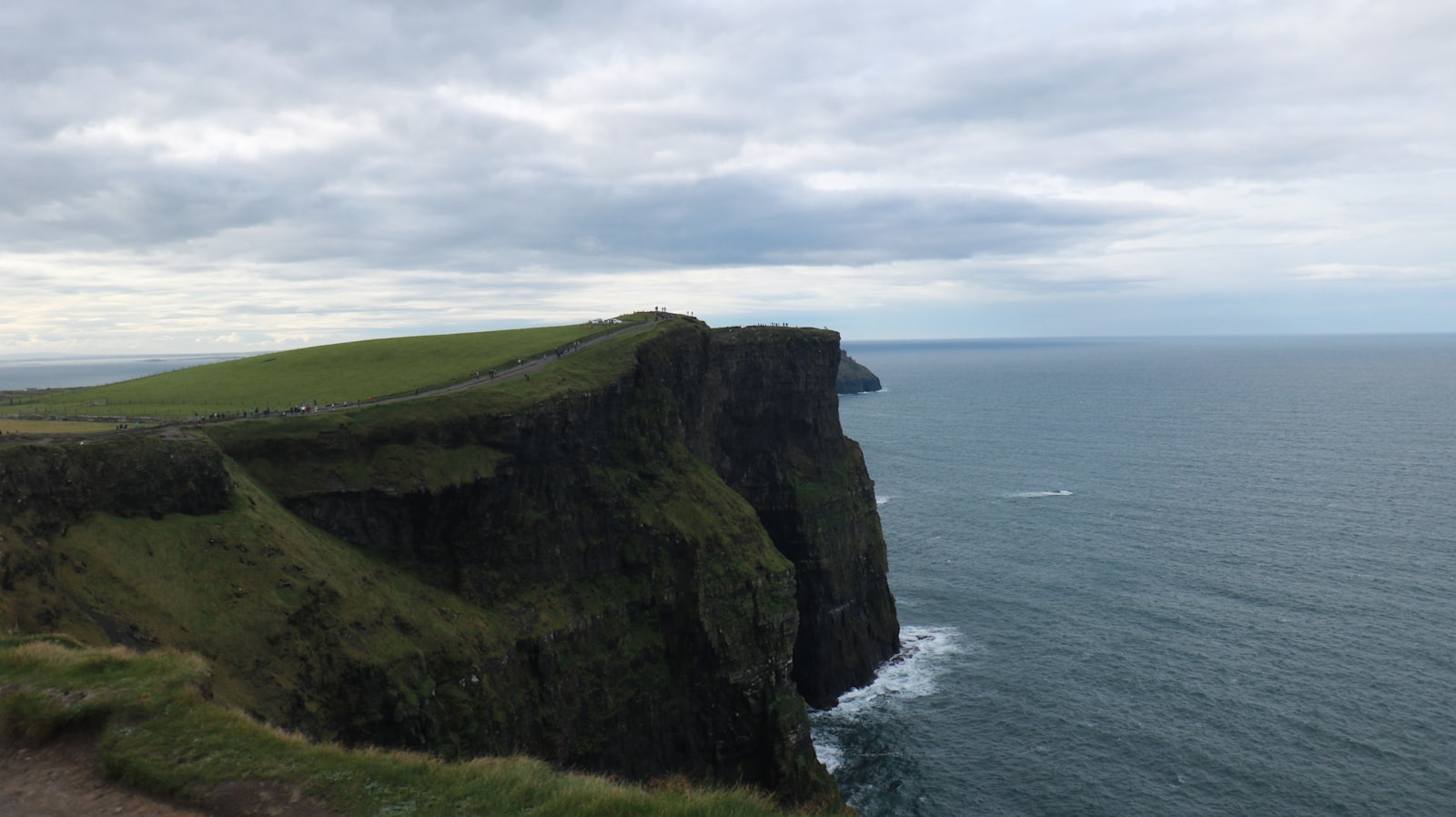
Photo by Qingqing Cai on Unsplash
Introduction
Lough Neagh is a paradox—Europe’s largest freshwater lake by surface area, yet one of the continent’s least known major water bodies. Stretching across Northern Ireland for 30 kilometers, this vast expanse of water remains overshadowed by smaller, more famous Irish lakes and coastal attractions. Yet for those who take time to explore it, Lough Neagh offers remarkable ecological richness, cultural significance, and the kind of authentic, unhurried experiences that characterize the best of Irish travel.
For American visitors accustomed to the Great Lakes or regional water bodies, Lough Neagh might seem modest in scale. But appearances deceive. This lake supports ecosystems found nowhere else in Ireland, hosts bird populations of international significance, and connects to centuries of human history and settlement. The lake’s shoreline encompasses villages, castles, monastic sites, and landscapes shaped by ice age geology.
Lough Neagh deserves recognition as one of Ireland’s most important natural features and one of Northern Ireland’s most underrated destinations. Understanding the lake means understanding the ecology, history, and character of the central North.
The Geology and Formation of Lough Neagh
Lough Neagh occupies a basin carved by glaciers during the ice age. The lake measures approximately 30 kilometers long and 15 kilometers across at its widest point, making it the largest freshwater lake on the British Isles. Surface area reaches approximately 388 square kilometers. Despite this size, the lake is relatively shallow—average depth is only about 8.6 meters, with maximum depth reaching approximately 34 meters.
The lake’s geological history is complex. The basin underlying the lake is much older—rock formations date to the Paleozoic era, shaped by tectonic activity and geological upheaval. During the last ice age, approximately 18,000 years ago, glaciers advanced across what is now Northern Ireland, carving out basins in the landscape. As glaciers retreated, the basins filled with meltwater, creating the lake that exists today.
The catchment area feeding the lake is immense—approximately 2,400 square kilometers of Northern Ireland drains into Lough Neagh. Nine rivers flow into the lake; the River Bann flows out, eventually reaching the Atlantic. This water cycle has shaped the region’s settlement patterns for millennia.
The lake sits at the heart of an important geographical crossroads. Rivers provided natural transportation routes. The lake itself could be crossed, providing shortcuts for travelers. Early settlements developed on shores and at river mouths. By medieval times, the lake’s strategic importance was recognized and fortified.
Ecological Significance and Wildlife
Lough Neagh is one of Northern Ireland’s most ecologically important sites. The lake and its surrounding wetlands support species found nowhere else in Ireland and function as crucial habitats for migratory birds, fish, and aquatic invertebrates.
Birdlife
The lake is internationally significant for waterfowl. Every winter, tens of thousands of migratory birds arrive at Lough Neagh, including pochard, tufted duck, and goldeneye—species whose European populations are threatened. The lake provides essential food and rest areas for birds traveling between Arctic breeding grounds and African wintering grounds.
Locally breeding bird species include cormorants, great crested grebes, and various tern species. The shoreline and surrounding wetlands host warblers, waders, and songbirds. For serious birdwatchers, Lough Neagh is a year-round destination offering different species in different seasons.
Fish Species
Historically, Lough Neagh supported commercial fish populations including eels, bream, and pike. The lake was an important fishing resource for centuries, supporting communities around its shores. While commercial fishing has declined, the lake remains important for sport fishing. Anglers travel to the lake specifically for pike fishing—the lake’s pike population is substantial and the fish reach impressive sizes.
Freshwater fish species create a delicate balance with the aquatic ecosystem. The lake faces threats from invasive species and pollution, making management and conservation crucial for maintaining ecological integrity.
Aquatic Invertebrates and Plants
The lake supports diverse populations of aquatic invertebrates—mayflies, damselflies, and other insects that form the base of the food chain. These species have evolved specifically adapted forms, with some found nowhere else in Europe. The shallow, nutrient-rich waters support aquatic plant growth that provides habitat for invertebrates and fish.
The lake’s ecology creates a productive ecosystem that supports abundant life. This productivity also makes the lake vulnerable to pollution and eutrophication—excessive nutrient loading that causes algal blooms and oxygen depletion.
Environmental Challenges and Conservation
Lough Neagh faces significant environmental pressures. Agricultural runoff from surrounding farmland contributes excessive nutrients (nitrogen and phosphorus), causing algal blooms that reduce water quality and oxygen availability. Pollution from various sources—industrial discharge, sewage, and urban runoff—degrades water quality.
Climate change poses additional challenges. Rising temperatures alter water chemistry, extend growing seasons for algae, and affect migratory bird populations that depend on precise timing for breeding and feeding.
Conservation organizations work to protect Lough Neagh’s ecological integrity. The lake is designated as a Ramsar Wetland of International Importance—recognition of its global significance. Protected areas around the lake preserve habitat for sensitive species. Water quality monitoring and pollution reduction programs aim to reverse degradation.
For visitors, these environmental issues create important context. Lough Neagh is not a pristine wilderness but a landscape shaped by human activity and in need of active conservation. Supporting conservation efforts and practicing responsible tourism contribute to the lake’s protection.
Historical and Cultural Significance
Ancient and Medieval History
Lough Neagh features prominently in Irish legend and historical narrative. According to mythology, the lake was created when a magical well overflowed. Historical accounts describe the lake as an important boundary and crossroads in medieval Ireland. Control of the lake and surrounding territory was strategically valuable for various regional powers.
Medieval monasteries developed along the shore, taking advantage of the lake’s resources and strategic position. The monastic tradition produced illuminated manuscripts and centers of learning that influenced European civilization. Many of these monastery sites remain visible today, though typically as ruins within fields.
Castles and Fortifications
Multiple castles developed around the lakeshore. Mountjoy Castle, built by English forces in the 16th century, represents the colonial assertion of power over the region. Binevenagh, Shane’s Castle, and other fortifications marked important locations. Many of these castles are now ruins, but their locations indicate the strategic importance of the lakeshore.
Recent History
The lake played significant roles in the industrial development of Northern Ireland. Peat extraction from surrounding bogs provided fuel and was an important economic activity for centuries. Water from the lake supplies major portions of Northern Ireland’s drinking water. The lake’s human use reflects broader patterns of resource extraction and utilization.
The lake also figures in contemporary Northern Ireland’s cultural landscape. It features in literature, poetry, and local identity. For communities around its shores, the lake remains economically and culturally important despite increasing environmental challenges.
Visiting Lough Neagh: Practical Information
Access Points and Towns
Lough Neagh has multiple access points and surrounding towns that serve as bases for exploration.
Antrim Town, on the northern shore, offers the largest facilities and is well-connected by road and public transportation. The town has restaurants, shops, and accommodation. From Antrim, you can access the shoreline easily.
Lurgan, on the southern shore, is a working town less oriented toward tourism but authentic and convenient for exploring the south shore.
Craigavon, also on the southern shore, is a purpose-built town with modern facilities and good access to the lakeshore.
Armagh, near the southwestern corner, is historic and charming, with additional cultural attractions beyond the lake.
Toome, at the outlet where the River Bann flows out, is a small village offering water access and a traditional feel.
Lough Neagh Discovery Centre
The Lough Neagh Discovery Centre, located at Oxford Island near Lurgan, provides excellent introductions to the lake’s ecology, wildlife, and cultural significance. Interactive exhibits explain the lake’s formation and contemporary conservation issues. The center includes nature reserves with walking trails offering opportunities to see birds and observe wildlife.
The Discovery Centre is an excellent starting point for understanding the lake before exploring independently. Entry is reasonably priced, and the facilities are well-maintained.
Walking and Cycling Around the Lake
The Lough Neagh Rampart Walk provides circular walking routes around the lakeshore. Various sections offer different levels of difficulty and scenery. Some sections are flat canal towpaths; others involve field paths and require more navigation.
Cycling around or along portions of the lake is possible, following roads and canal towpaths. The Ulster Canal, being restored as a recreational resource, will eventually provide continuous cycling and walking access along portions of the lakeshore.
Walking or cycling offers the best way to experience the lake at a human pace, observing birds, plants, and geological features while moving through the landscape.
Fishing
Lough Neagh is an important fishing destination, particularly for pike. The lake’s pike population is substantial, and fishing guides and boat services cater to anglers. If you’re interested in fishing, local guides can arrange boats, tackle, and instruction in techniques specific to Lough Neagh.
Fishing requires proper licensing and respect for regulations. Local fishing organizations can provide detailed information about seasons, catch limits, and ethical fishing practices.
Water Access
Boat access to Lough Neagh is limited. The main water access point for casual visitors is at Toome, where boat rental services sometimes operate and where the River Bann’s outflow provides scenic water views.
Unlike many Irish lakes, Lough Neagh doesn’t offer extensive boat tour services or water-based recreation for casual visitors. This reflects the lake’s character as a working landscape rather than a tourism development zone.
Exploring the Lakeshore
The Northern Shore
The northern shore, particularly the area around Antrim, offers relatively easy access and good walking opportunities. The towns are well-connected, and the lakeshore landscape is pleasant without being dramatically scenic.
The Eastern Shore
The eastern shore transitions from wetland to more diverse landscapes. Various archaeological sites and historical features mark this shore. Walking trails connect villages and provide good birdwatching opportunities.
The Southern Shore
The southern shore around Lurgan and Craigavon offers more intensive development but also good facilities and walking opportunities. The Lough Neagh Discovery Centre anchors this side of the lake.
The Western Shore
The western shore near Armagh includes bogland, wetland, and more remote areas. This side of the lake feels less developed and offers a quieter, more natural experience. Access requires more planning but rewards with more solitude.
Surrounding Attractions and Integration into Itineraries
Armagh
The historic city of Armagh, near the southwestern corner, offers cultural attractions including St. Patrick’s Cathedral, the Armagh Public Library, and various museums. Armagh’s setting among rolling landscape and its rich history make it worth visiting independent of the lake.
Archaeological Sites
The region around Lough Neagh contains numerous archaeological sites—stone circles, burial mounds, and ancient settlements. These sites date to the Bronze Age and earlier. Many require specific knowledge to locate and visit, but the density of ancient sites indicates the area’s long human occupation.
The Ulster Canal
Being restored as a recreational waterway, the Ulster Canal will eventually offer continuous walking and cycling between Lough Neagh and the Erne system further west. The restoration project is ongoing and offers opportunities to understand restoration ecology and water management.
Natural Heritage Sites
Various wetland sites around the lake are protected as nature reserves. These areas offer excellent birdwatching, plant observation, and nature photography opportunities. Different seasons bring different species and create varying conditions.
Seasonal Experiences
Spring (March-May)
Spring brings returning migratory birds and breeding birds establishing territories. The landscape greens and wildflowers bloom. Walking conditions are generally good. This is an excellent season for birdwatchers seeking to observe returning migrants and breeding species establishing nests.
Summer (June-August)
Summer offers warm weather and extended daylight, making longer walks and exploration easier. However, some migratory species have departed and breeding birds may be less visible due to nesting seclusion. The landscape is lush and green. This season attracts the most visitors.
Autumn (September-November)
Autumn brings returning migratory birds and dramatic seasonal changes. The landscape transitions through rich colors. Birdwatching improves as migrants accumulate on the lake. Weather becomes more unpredictable but can be beautiful.
Winter (December-February)
Winter brings peak numbers of migratory waterfowl. Tens of thousands of ducks, grebes, and other waterbirds concentrate on the lake. For serious birdwatchers, winter is the most productive season. Weather is cold and can be harsh, but clear winter days offer excellent visibility and birdwatching conditions.
Understanding Lough Neagh in Context
Lough Neagh remains relatively undeveloped as a tourist destination—a characteristic that is simultaneously limiting (fewer services, less developed tourism infrastructure) and valuable (authenticity, ecological integrity, fewer crowds). The lake doesn’t offer the dramatic scenic views of western Ireland’s coastal regions or the established tourist services of popular lake destinations.
What it offers instead is something subtler but perhaps more valuable: ecological significance, wildlife abundance, human history layers, and authentic experiences without heavy commercialization. Visitors willing to move slowly, observe carefully, and engage with the landscape and its conservation challenges will find Lough Neagh rewarding.
For casual tourists seeking iconic views and quick visits, Lough Neagh may disappoint. For those seeking to understand authentic Ireland—the working landscapes, the ecological systems, the environmental challenges, and the communities shaped by place—the lake offers essential context.
Practical Itinerary for Lough Neagh
Long Weekend Focused on the Lake
Day 1: Arrive in Antrim area, settle in, visit the Lough Neagh Discovery Centre.
Day 2: Walking day around portions of northern shore, birdwatching, explore Antrim town.
Day 3: Visit Armagh (southwest), explore archaeological sites, walk western shore.
Day 4: Visit Lurgan area, explore southern shore, potentially visit more archaeological sites.
Day 5: Explore eastern shore, depart.
Integrated into Broader NI Itinerary
Include Lough Neagh as part of a broader Northern Ireland exploration, combining it with Belfast, the Mourne Mountains, or other destinations. The lake adds ecological and historical depth to an overall understanding of Northern Ireland.
Focused Birdwatching Trip
Winter visit focused on observing migrant waterfowl. Base in one town and make daily observations from various shoreline locations. Coordinate with local birdwatching groups for guidance on best viewing locations and species identification.
Conclusion: Appreciating Lough Neagh
Lough Neagh lacks the romantic reputation of Irish lochs, the dramatic scenery of western lakes, or the accessibility of southern water bodies. Yet this very understated character makes it valuable. The lake remains a working landscape—not entirely domesticated for tourism, not engineered into predictable experiences, but authentically itself.
For American visitors seeking to understand Ireland beyond the iconic attractions, Lough Neagh offers essential context. The lake’s ecology, history, and contemporary challenges reflect broader patterns in Irish land use and environmental management. Walking the lakeshore, observing migrant birds, or sitting quietly watching water and sky, you experience something true about Ireland—a landscape shaped by ice age geology, human settlement, ecological processes, and contemporary conservation challenges.
Lough Neagh won’t provide the emotional impact of Skellig Michael or the dramatic views of the Cliffs of Moher. But it offers something perhaps more enduring: the opportunity to know a place deeply, to understand its significance, and to recognize that some of the most important Irish landscapes are those that reveal themselves slowly to patient observers. For those willing to slow down and truly engage with the landscape, Lough Neagh becomes unforgettable.

Author: jonathan
Jonathan is the publisher of Irishtopia.net, Anglotopia.net, and Londontopia.net. He's passionate about travel and learning about other cultures. He's been to Ireland several times, and uses his travel expertise for Irishtopia!