
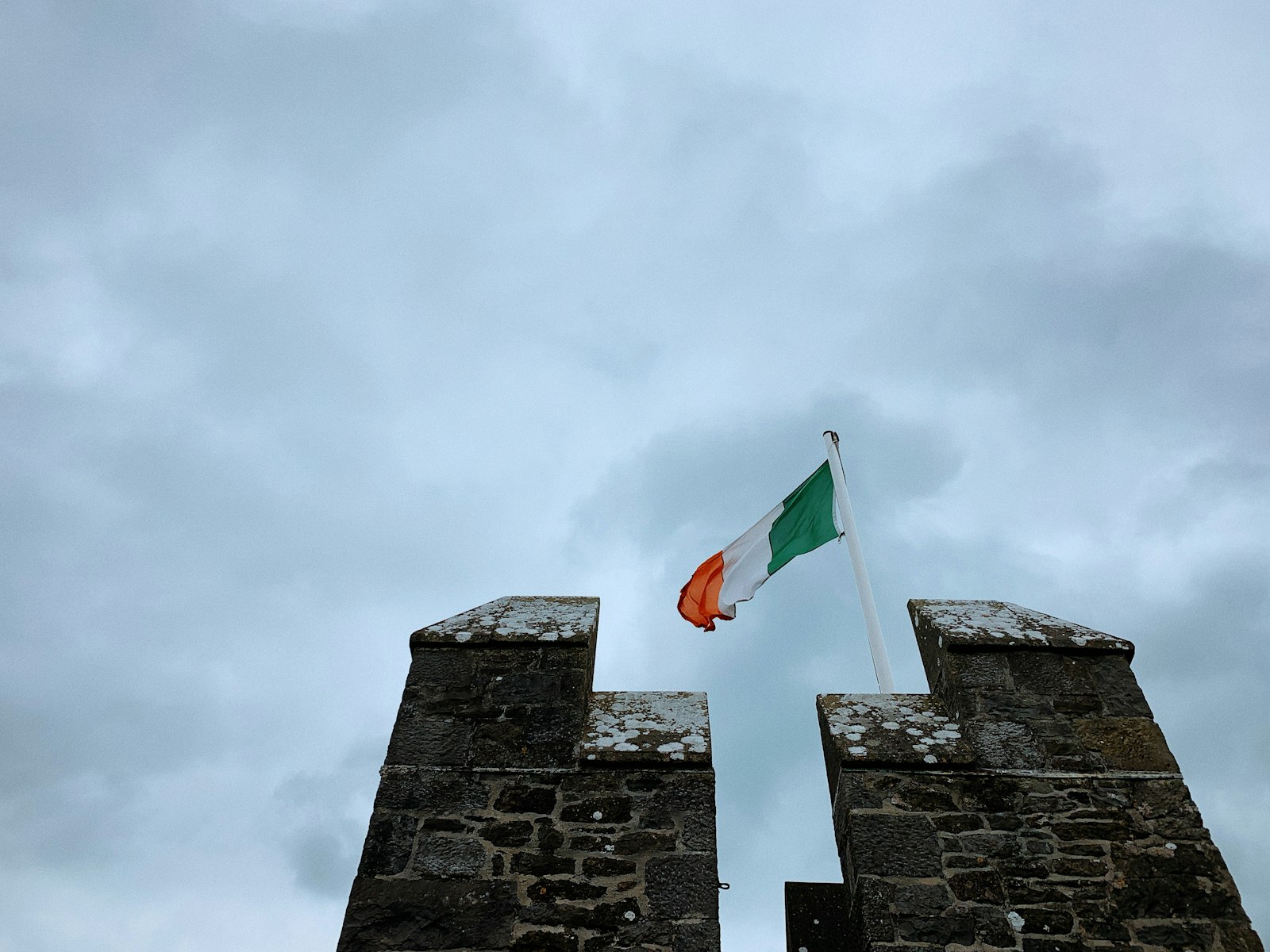
Photo by Tommy Bond on Unsplash
Introduction
Padraig Pearse (1879-1916) stands as one of Irish history’s most important figures—simultaneously educator, poet, cultural nationalist, and revolutionary leader. He was idealist and intellectual committed to Irish independence and cultural revival. His leadership of the 1916 Easter Rising proved crucial to Irish independence struggle. His execution following the Rising transformed him into powerful revolutionary martyr whose death helped convert failed rebellion into pivotal moment in Irish independence achievement.
Pearse was not military strategist seeking tactical advantage but rather idealist willing to sacrifice himself and others for principles he believed fundamental. His willingness to face execution, his eloquent articulation of revolutionary ideals, his vision of Ireland’s future, made him profoundly influential figure despite his actual military failures.
For Americans interested in Irish history, Pearse represents idealism and commitment to principle at the cost of life itself. He embodies the question of whether revolutionary sacrifice is justified, whether principles worth dying for exist, and how individuals shape historical change through commitment to their beliefs. His life and death raise these questions in concrete, urgent ways.
Early Life and Educational Foundation
Padraig Henry Pearse was born in 1879 in Dublin to family with English father and Irish mother. His family background was middle-class and intellectual. His father was sculptor and art teacher. His mother was Irish-born with strong Irish cultural commitments.
Pearse received education emphasizing both intellectual development and Irish cultural awareness. He learned Irish language and culture alongside English education. He showed early interest in both intellectual pursuits and Irish national identity. His education prepared him for later roles as educator and cultural nationalist.
He studied law at Trinity College Dublin, but his real passion was Irish language and culture. He became involved with Gaelic League, organization dedicated to preserving and promoting Irish language and culture. His commitment to language revival became central to his life’s work.
Career as Educator and Language Revivalist
Pearse’s primary career was as educator. He founded St. Enda’s School, a school emphasizing Irish language and culture alongside academic subjects. The school was innovative for its time—promoting Irish language and culture as equal to English subjects, creating educational space where Irish identity was central rather than marginal.
As educator, Pearse believed that Irish education should serve Irish national development. Schools should teach Irish language and culture. Education should prepare students to be conscious Irish citizens committed to national independence and cultural revival. His educational philosophy was idealistic and nationalist.
St. Enda’s reflected Pearse’s vision of Irish education. The school attracted talented students and teachers. It became symbol of cultural nationalist movement, demonstrating what Irish education could be when centered on Irish language and culture. The school proved influential despite remaining relatively small institution.
Poet and Writer
Beyond his work as educator, Pearse was poet and writer of talent. He wrote in both Irish and English. His poetry addressed nationalist themes and explored Irish experience. His writing demonstrated his intellectual sophistication and his commitment to expressing Irish identity through literature.
His poetry was sometimes didactic, addressing directly nationalist themes. Other work was more lyrical and personal. His complete poetic output, while not enormous, demonstrated genuine literary talent. His poems remain read and studied as important examples of Irish nationalist poetry.
Political Engagement and Growing Radicalization
Through his work with Gaelic League and with St. Enda’s, Pearse became increasingly involved in political nationalism. He moved from cultural nationalism toward political activism. By 1910s, he was increasingly engaged with organizations advocating for Irish independence.
He became particularly involved with Irish Republican Brotherhood, revolutionary organization dedicated to achieving Irish independence through armed struggle. His membership in IRB meant commitment to revolutionary action, not merely cultural preservation.
This movement from cultural nationalism to revolutionary commitment reflected broader trends in Irish nationalism. As constitutional approaches to achieving Home Rule seemed increasingly delayed or compromised, more radical approaches gained adherents. Pearse’s own movement from education and cultural work to revolutionary action reflected this broader shift.
Leadership of the Easter Rising
By 1916, Pearse had become senior figure in revolutionary circles. He was involved in planning the Easter Rising. The Rising, occurring in April 1916, was carefully planned rebellion timed to take advantage of European war circumstances and anticipated German support.
The rising’s objectives were political as much as military. Pearse and other leaders hoped that even failed rebellion would transform Irish public opinion and create conditions for eventual independence. They were willing to sacrifice themselves and others to create revolutionary moment they believed necessary.
Pearse’s role was primarily political and symbolic. He served as commander of rebel forces in Dublin and as public face of rebellion. His eloquence and commitment inspired followers. His willingness to face death for revolutionary cause made him powerful symbol.
The Rising and Military Defeat
The Easter Rising lasted six days. Rebel forces, though initially occupying key positions in Dublin, were gradually surrounded and defeated by superior British forces. The rebellion failed militarily. Yet militarily failure that proved politically transformative.
Pearse was captured and court-martialed. He was sentenced to death. Facing execution, he remained committed to his beliefs and eloquent in his defense. His dignity and commitment in face of death impressed observers and strengthened his symbolic power.
Execution and Martyrdom
Pearse was executed on May 3, 1916, along with other Rising leaders. His execution, and the executions of other rebels, provoked powerful emotional response among Irish people. Many Irish who had not supported the rebellion became sympathetic to the rebels when facing executions.
Pearse’s execution transformed him into martyr. His final letters, written before execution, were eloquent statements of revolutionary principle. His willingness to die for his beliefs became symbol of Irish commitment to independence. His death was pivotal moment in Irish independence struggle.
The British strategy of executing rebels proved counterproductive politically. The executions, including of Pearse, helped transform the Rising from military failure into pivotal political moment. Public sympathy shifted toward rebels. Pearse and other executed leaders achieved symbolic power through their deaths that they might not have achieved through military success.
Legacy and Historical Assessment
Pearse’s legacy is significant and complex. He is remembered as revolutionary martyr willing to sacrifice himself for Irish independence. He is celebrated as educator and cultural nationalist who promoted Irish language and culture. He is studied as poet and writer.
Yet his legacy is also contested. Some emphasize his idealism and commitment to principle. Others critique the militarism of the Rising and question whether rebellion was justified. Some argue that Pearse’s romantic idealism was unrealistic and that his willingness to sacrifice others for his beliefs was problematic.
These debates are legitimate and ongoing. Understanding Pearse requires engaging with both his genuine achievements and his limitations, his idealism and the consequences of his actions, his courage and the questions his choices raise.
Pearse and Irish Education
Pearse’s influence on Irish education remains significant. His vision of Irish-centered education, of schools teaching Irish language and culture as central to Irish identity, influenced educational policy in independent Ireland. Many of his ideas about education were implemented in Irish schools.
His belief that education should serve national development and cultural preservation remained influential. While some of his specific ideas are now viewed critically, his fundamental conviction that education should be rooted in national culture remained important to Irish educational philosophy.
The Question of Romantic Idealism and Justified Sacrifice
Pearse’s life and death raise fundamental questions about revolutionary struggle. Was he justified in willing to sacrifice himself and others for his political beliefs? Are some principles worth dying for? How should we judge revolutionary leaders willing to use violence for their ideals?
These questions don’t have simple answers. Pearse’s commitment to principle was genuine and inspiring. Yet the cost—his life, the lives of rebels, and the broader cost of the independence struggle—was substantial. Asking whether such costs were justified requires moral and political judgment that different people will reach differently.
Conclusion: The Idealist Revolutionary
Padraig Pearse stands as powerful figure in Irish history—idealist educator and poet who became revolutionary leader willing to sacrifice himself for his beliefs. His influence on Irish independence struggle was significant. His death proved pivotal moment in transforming Irish public opinion toward independence.
Understanding Pearse means engaging with his complexity—appreciating his genuine idealism and commitment while asking difficult questions about revolutionary violence, his courage while acknowledging the costs his choices imposed, his vision while recognizing its limitations.
For Americans interested in Irish history, Pearse represents idealist commitment to national independence and cultural revival. His life demonstrates how individuals can shape historical change through their commitment to beliefs. Yet it also raises questions about the costs of such commitment and whether sacrifice for principle is always justified.
Pearse remains powerful symbol in Irish culture—representation of willingness to die for one’s beliefs, of commitment to principle over personal safety, of idealism willing to sacrifice everything. Whether one views this as inspiring or problematic, Pearse’s historical significance is undeniable.
Keywords: Padraig Pearse, Easter Rising, Irish independence, revolutionary, educator, poet, St. Enda’s School, cultural nationalism, Irish language, martyrdom, 1916 rebellion

Author: jonathan
Jonathan is the publisher of Irishtopia.net, Anglotopia.net, and Londontopia.net. He's passionate about travel and learning about other cultures. He's been to Ireland several times, and uses his travel expertise for Irishtopia!