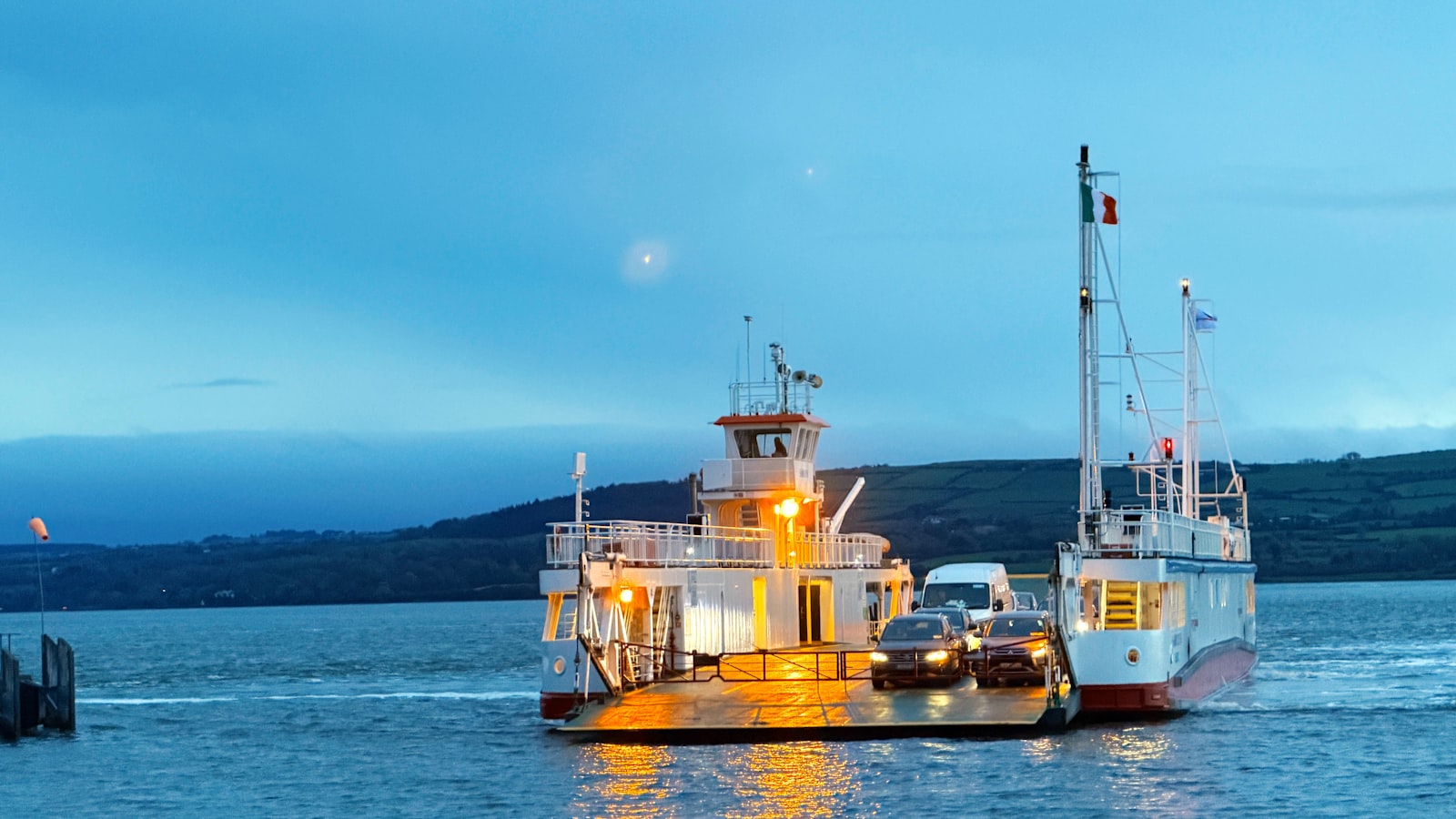
Photo by AJ Montpetit on Unsplash
Public transportation in Ireland is comprehensive in cities but sparse in rural areas. Dublin’s extensive bus network, LUAS (light rail), and commuter rail serve millions annually. Cork, Galway, and other cities have bus networks. Yet outside cities, transportation becomes challenging—rural areas often lack public transit, necessitating personal vehicles or careful trip planning.
For Americans accustomed to car-dependent infrastructure, navigating Irish public transport requires understanding its structure, purchasing systems, and limitations. This guide explains how to use public transport efficiently and affordably.
The Irish Public Transport System
Government Operator: Transdev (National Transport Authority)
Transdev (via the National Transport Authority—NTA) operates Ireland’s public transport systems in coordination with multiple operators. The NTA is the government agency overseeing public transit.
Major Transport Modes
Buses: The most extensive public transport, covering cities and some rural routes.
LUAS (Dublin only): Light rail system with two lines serving Dublin and suburbs.
Irish Rail/DART/Commuter Rail: Trains connecting Dublin to suburbs and intercity trains linking major cities.
Coach services: Long-distance buses connecting cities and rural areas.
Ferries: Limited ferry services (Dublin-Holyhead, Dun Laoghaire-Holyhead).
Dublin Public Transport
Buses
Dublin Bus operates over 900 daily bus routes covering the metropolitan area.
Fare structure: Pay-as-you-go fares range €1.50-€3.00 for single journeys depending on distance. Night bus fares are €2.50.
Leap Card: Ireland’s main public transport payment system. Tap your card on readers upon entry. Fares are lower than cash (approximately 15-20% discount).
Monthly passes: €130-€150 for unlimited bus travel within Dublin.
Night buses: 24-hour service on selected routes; fares are €2.50 per journey.
Tips: Download the Dublin Bus app to track buses in real-time. Many buses are frequently late; allowing extra travel time is essential.
LUAS (Light Rail)
Dublin’s light rail system has two lines:
Red Line: City center to suburbs (Tallaght, Bayview)
Green Line: South side coverage (Broombridge to Brides Glen)
Frequency: Every 5-15 minutes depending on time of day and line.
Fares: €1.50-€2.60 per journey with Leap Card; slightly higher for cash.
Coverage: If your home or workplace is near a LUAS stop, you’re fortunate—LUAS is faster and more reliable than buses.
Dublin DART (Commuter Rail)
Suburban rail connecting Dublin to coastal areas (Malahide, Howth, Greystones, Bray).
Fares: €1.50-€4.00 depending on distance.
Frequency: Every 5-30 minutes depending on time of day and line.
Coverage: Excellent for accessing beach towns, airport, or outlying suburbs.
Integrated Ticketing (Leap Card)
The Leap Card (contactless card system) works across buses, LUAS, and DART. Tap the card on readers when boarding and alighting.
Cost: €5 for card, then load credit (pay-as-you-go) or purchase passes.
Advantages:
- Seamless transfers (transfer within 90 minutes without additional fare)
- Automatic discounts (15-20% vs. cash)
- Monthly or weekly pass options
- No need for exact change
Getting a Leap Card: Available at newsagents, supermarkets, and station ticket offices throughout Dublin. Download the Leap Card app to manage your balance digitally.
Monthly pass (all-inclusive): €130-€150 covers unlimited buses, LUAS, and DART within Dublin zones.
Regional Bus and Coach Services
Intercity Coaches
Bus Éireann and GoBus operate intercity routes connecting Dublin to Cork, Galway, Limerick, and other cities.
Journey times: Dublin to Cork (3 hours), Dublin to Galway (2.5 hours), Dublin to Limerick (2 hours).
Fares: €10-€30 depending on route and advance booking.
Advantages: Economical, frequent departures, comfortable seating.
Disadvantages: Slower than trains, traffic delays, less frequent than Dublin local transport.
City Buses (Outside Dublin)
Cork Bus: Comprehensive service in Cork city and suburbs.
Galway Bus: Coverage in Galway city and surrounding areas.
Limerick Bus: Service in Limerick city.
Fares are moderate (€1-€2 per journey), and day passes offer discounts. Download city-specific apps for real-time tracking.
Rural Buses
Rural bus services are limited. Some villages have 1-2 daily buses; others have none. For rural living, a personal vehicle is almost essential.
Intercity Rail
Irish Rail Network
Irish Rail operates trains connecting major cities:
Dublin to Cork: 2.5 hours, frequent daily service (€20-€60 depending on advance booking).
Dublin to Galway: 2.5 hours, multiple daily trains (€20-€50).
Dublin to Belfast: 2 hours (cross-border into Northern Ireland).
Dublin to Limerick: 2 hours, multiple daily trains (€20-€50).
Dublin to Waterford: 2.5 hours (€20-€50).
Fares and Booking
Purchase tickets online through Irish Rail website or at stations.
Advance booking: 2-4 weeks ahead secures best fares (€15-€30).
Standard fares: Last-minute bookings are expensive (€40-€80).
Return tickets: Usually cheaper than two one-way tickets if booked together.
Monthly season tickets: Available for regular commuters; these offer 20-30% savings vs. daily tickets.
Advantages of Rail
Disadvantages
Ferry Services
Dublin-Holyhead (Wales)
Irish Ferries and Stena Line operate daily ferries connecting Dublin to Holyhead, Wales (3.3 hours).
Fares: €30-€80 for foot passengers depending on advance booking.
Vehicle transport: Available if bringing a car (€150-€300+).
Holyhead is a gateway to Wales and the UK; ferries are occasionally used for travel.
Smaller Ferries
Various smaller ferries operate to islands (Aran Islands from Galway, Skellig Michael from Kerry), primarily for tourism.
Travel Planning and Apps
Journey Planning Apps
TripPlanner Ireland: Official NTA app for Dublin planning (buses, LUAS, DART).
Google Maps: Works for Irish transit, offering route suggestions and arrival estimates.
Citymapper: Available in Dublin, providing real-time transit information.
Bus company apps: Cork Bus, Galway Bus, Limerick Bus, Irish Rail each offer apps for route planning and real-time tracking.
Purchasing Tickets
Online: Irish Rail, Bus Éireann, and intercity services sell tickets online (often with advance booking discounts).
Mobile tickets: Many services offer PDF tickets via email that you show on your phone.
At station/stop: Ticket offices and machines sell tickets, though advance booking is recommended for better pricing.
Cash payment: Some buses accept cash for fares, but contactless (Leap Card) is preferred.
Costs and Budget Planning
Monthly Public Transport Budget
Dublin resident using buses, LUAS, and DART: €130-€150 monthly (all-inclusive pass).
Cork/Galway resident: €50-€80 monthly (city buses + occasional coach).
Rural resident with one intercity commute: €100-€200 monthly (assuming weekly or biweekly travel).
These costs are modest compared to car ownership (car, insurance, fuel, maintenance).
Challenges and Solutions
Reliability Issues
Irish buses are sometimes unreliable—delays are common, buses occasionally don’t arrive, and service disruptions occur.
Solutions: Allow extra travel time, use real-time tracking apps, consider alternate routes, and maintain flexibility.
Safety Concerns
Dublin public transport is generally safe but late-night travel on buses involves typical urban precautions (stay aware, travel with others, keep valuables secure).
Accessibility
Buses and trains have wheelchair access, but infrastructure isn’t universal. If you have accessibility needs, plan routes carefully or use alternative services.
Cycling and Walking Integration
Public transport works best combined with walking and cycling. Many Irish people bike to train stations, take the train for long distances, then bike from their destination. This multimodal approach maximizes flexibility.
Conclusion: Irish Public Transport is Viable
Ireland’s public transport is adequate in cities and diminishes in rural areas. Dublin’s extensive system (buses, LUAS, DART) makes car-free living feasible. Other cities have reasonable bus service. Rural areas demand personal vehicles.
Understand your location’s transit options, invest in a Leap Card (if in Dublin), and plan your relocation accordingly. For urban living, public transport suffices. For rural living, accept the need for a car.
Public transport reduces costs compared to car ownership and contributes to environmental sustainability. Use it when available; plan your Irish life accordingly.
Welcome to Irish public transit.

Author: jonathan
Jonathan is the publisher of Irishtopia.net, Anglotopia.net, and Londontopia.net. He's passionate about travel and learning about other cultures. He's been to Ireland several times, and uses his travel expertise for Irishtopia!