
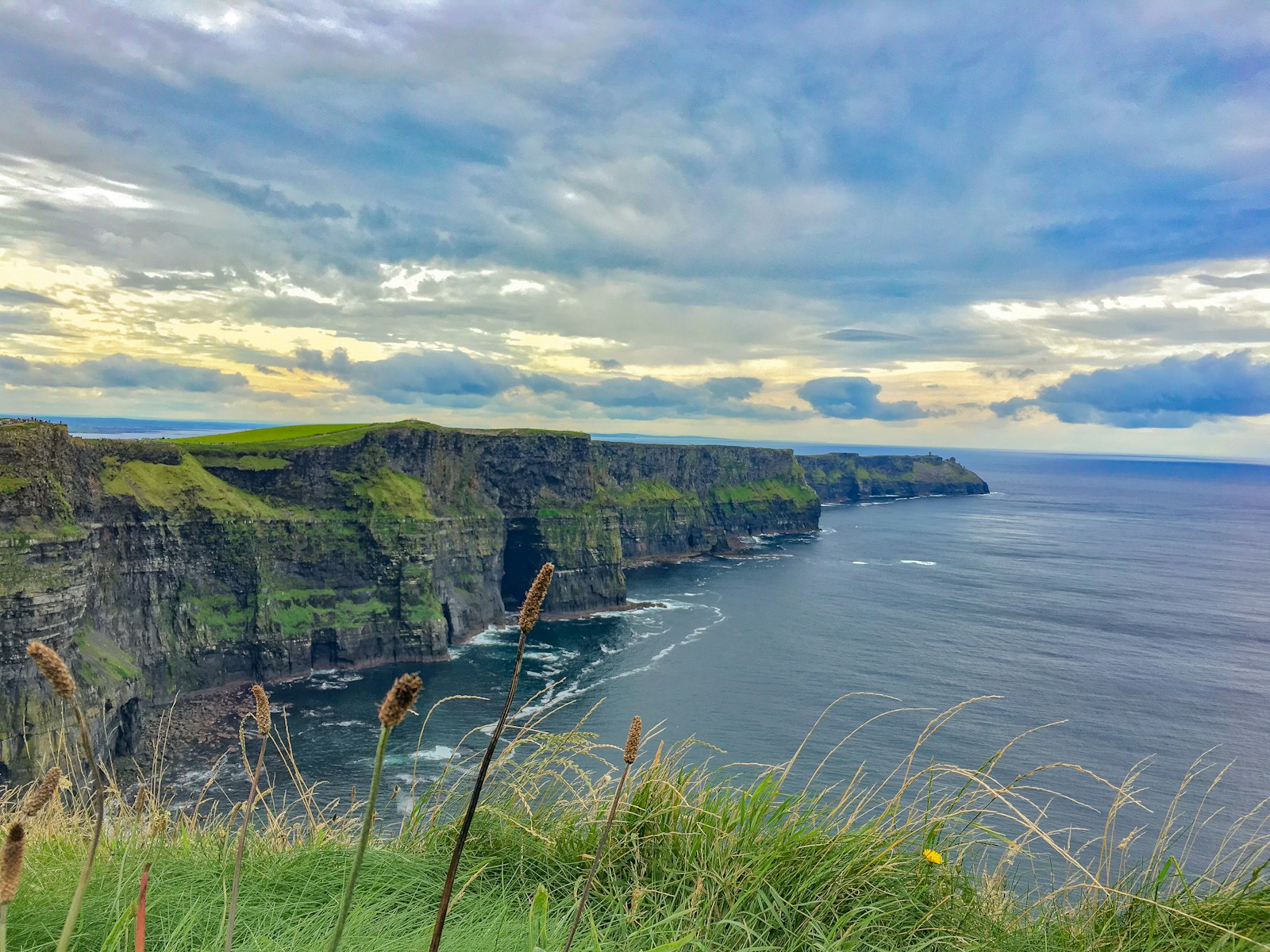
Photo by Leighton Smith on Unsplash
When Riverdance premiered as a seven-minute interval performance at the 1994 Eurovision Song Contest in Dublin, nobody anticipated it would spark a global phenomenon. Yet within years, Riverdance had become a worldwide sensation—playing to millions in theaters across continents, launching Irish dancing into global consciousness, and permanently transforming how the world perceived Irish culture.
Riverdance is more than entertainment. It’s a cultural revolution that made Irish dancing cool, gave Irish culture international prestige, and created economic opportunities for thousands of Irish dancers and crew members. For Americans, Riverdance provided their first encounter with authentic Irish dancing, creating lasting association between Ireland and spectacular physical performance.
The Genesis of Riverdance
The Eurovision Moment
Riverdance emerged from Irish creativity responding to a moment of cultural confidence. Ireland was economically ascendant in the 1990s, the so-called “Celtic Tiger” representing transformation from economic periphery to European prosperity.
When Eurovision Song Contest 1994 was hosted in Dublin, the interval entertainment needed to showcase Irish culture. Flatley and Keating created a seven-minute performance combining traditional Irish dancing with contemporary choreography, electronic music production, and theatrical spectacle.
The performance was revelatory. Irish dancing—previously perceived as folkloric step-dancing, rigid and tradition-bound—became dynamic, sensual, and visually spectacular. Standing room only, rapid upper body stillness with intricate footwork, and modern music transformed Irish dancing before global audiences.
The Phenomenon Begins
After Eurovision, Riverdance was developed into a full-length theatrical production. The 1995 Dublin production was sold out. Extended runs followed in major cities.
By 1996-1997, Riverdance was playing worldwide. American productions brought the show to Broadway and tours across North America. European tours followed. Australian, Asian, and global tours expanded reach.
Within five years, Riverdance had played to millions globally, with numerous touring companies performing simultaneously across continents.
The Creative Vision
Choreography and Movement
Michael Flatley (the original lead dancer and co-creator) brought classical ballet training combined with Irish dancing. His fusion of dance traditions—rigid hip and torso from Irish dancing with flowing arm movement and dramatic presentation—revolutionized the form.
Flatley’s athleticism, extended lines, and theatrical presence transformed Irish dancing from social dance into spectacle sport.
Music and Production
Riverdance featured electronic music production fusing Irish traditional music with contemporary elements. The score combined bodhráns (Irish drums), uilleann pipes, and violins with electronic production.
This sonic fusion paralleled the visual fusion—ancient Irish culture married with contemporary production, creating something neither purely traditional nor purely modern, but hybrid and transcendent.
Narrative Arc
Early productions had loose narrative connecting dance sequences. The show told a story of Irish emigration, displacement, and return. This emotional arc elevated Riverdance beyond impressive dancing to something with emotional resonance.
Cultural Impact
Making Irish Cool
Before Riverdance, Irish culture was perceived by many Americans through stereotypes—leprechauns, drinking, rural simplicity. Riverdance presented Irish culture as sophisticated, athletic, and aesthetically advanced.
Suddenly, Irish dancing wasn’t quaint folklore—it was world-class athleticism and artistry. Irish people weren’t bumbling comic figures—they were creators of spectacular entertainment.
This prestige transformation affected how Irish culture was perceived globally.
Economic Impact
Riverdance created employment for thousands. Dancers, musicians, crew members, production staff all found careers created directly or indirectly by Riverdance’s success.
Tours generated tourism revenue. Countries hosting Riverdance experienced economic benefits from tourism and employment.
Irish creative talent internationally recognized became viable career path.
Launching Careers
Riverdance dancers became celebrities. Michael Flatley became a household name, eventually creating his own show “Lord of the Dance.”
Dancers from Riverdance companies launched solo careers, created their own productions, or pursued other opportunities Riverdance visibility enabled.
The show provided launching pad for Irish creative professionals.
The Controversy and Splits
Michael Flatley and Jean Butler (original leads) eventually had conflicts leading to departures from the original production. Flatley created competing productions (“Lord of the Dance,” “Celtic Tiger”), fragmenting what had been unified phenomenon.
Some saw this as Flatley’s ego overshadowing the show; others saw it as artistic ambition. Either way, Riverdance’s unity fractured, though its cultural impact remained.
The Show’s Evolution
Iterations and Adaptations
Multiple iterations of Riverdance exist:
The original Dublin production: The archetype, featuring Flatley and Butler.
International touring productions: Versions performed in various countries with local casts.
Lord of the Dance: Flatley’s competing show, emphasizing athleticism and spectacle.
Variations and spin-offs: Various companies created similar shows capitalizing on Irish dancing’s global popularity.
Quality varies across productions—some exceptional, others less compelling.
Modern Productions
Contemporary Riverdance productions continue touring globally. The show has been updated, with new choreography and contemporary music while maintaining the original’s essential fusion of tradition and modernity.
The theatrical show remains popular, though it faces competition from newer productions.
Irish Dancing: Before and After Riverdance
Traditional Irish Dancing (Pre-Riverdance)
Irish dancing existed for centuries as social dance and competitive form. Step-dancing was rigid, traditional, with specific movements and rules.
Competitions (Oireachtas) were serious endeavors where dancers competed in specific categories. The dance was cultural expression and competitive sport, but not theatrical spectacle.
International audiences were largely unaware of Irish dancing beyond folkloric awareness.
Contemporary Irish Dancing (Post-Riverdance)
Riverdance inspired a global Irish dancing boom. Dance schools opened internationally. Children took Irish dancing lessons. Competitions expanded globally.
While Riverdance-influenced theatrical productions dominate international consciousness, traditional competitive Irish dancing remains vital. Major competitions are prestigious athletic events.
The form expanded to include theatrical performances alongside traditional competitions, offering diverse career paths.
The Debate
Some traditional Irish dancers critique Riverdance for departing from authentic tradition, emphasizing spectacle over technical purity.
Others celebrate Riverdance for preserving and elevating Irish dancing, bringing it to global prominence and expanding opportunities.
Both perspectives have validity—Riverdance represents evolution, not replacement of traditional forms.
Why Riverdance Succeeded
Timing
The 1994 timing was perfect. Ireland was economically ascendant, culturally confident. Global audiences were fascinated by Ireland. Celtic culture was experiencing renaissance.
A few years earlier or later, Riverdance might not have captured global imagination as completely.
Accessibility
Despite being elite athleticism, Riverdance was accessible. The spectacle transcended language barriers. The music was engaging. The dancing was immediately visually comprehensible and impressive.
Unlike some avant-garde art requiring specialized knowledge, Riverdance could be appreciated by broad audiences.
Novelty
Nobody had created Irish dancing spectacle like Riverdance. It was genuinely new—honoring tradition while radically transforming it.
Audiences encountered something they’d never seen before.
Human Scale
Despite production spectacle, Riverdance was ultimately about dancers—human bodies achieving remarkable things. Audiences connected to the humans behind the achievement.
This human connection transcended cultural specificity.
Contemporary Riverdance and Legacy
Current Productions
Riverdance continues touring with professional productions, updated choreography, and contemporary casting. The show remains popular, though audience numbers have declined from peak years.
New productions and iterations continue emerging, demonstrating the template’s enduring vitality.
Influence
Riverdance’s influence extends beyond Irish dancing. Other cultural forms adopted similar theatrical spectacle approaches. Dance worldwide incorporated Riverdance’s fusion of tradition and modernity.
The production influenced how cultural traditions are presented globally.
Watching Riverdance Today
Theatrical Experience
Riverdance is best experienced live, where the athleticism, precision, and spectacle of dancers moving in perfect synchronization is fully appreciated.
Filmed versions and DVDs are available but lack the live energy and immediacy.
Cultural Tourism
Many Americans visiting Ireland make Riverdance performances part of their Irish cultural experience. Performances are available in Dublin and occasionally in other cities.
The show remains a tourist draw, connecting visitors to Irish culture.
For Irish Culture Enthusiasts
For Americans interested in Irish culture, Riverdance is essential viewing—not necessarily as expression of traditional Irish dancing, but as remarkable contemporary Irish artistic achievement demonstrating how traditional forms can be transformed while maintaining cultural identity.
Conclusion: A Cultural Watershed
Riverdance transformed how the world perceives Irish culture and dancing. It brought Irish dancing to global consciousness, created opportunities for thousands, and demonstrated that traditional cultural forms could thrive in contemporary theatrical contexts.
Whether viewed as authentic evolution of Irish dancing or theatrical spectacle borrowing Irish aesthetics, Riverdance undeniably altered global consciousness about Ireland.
For Americans, Riverdance often provides their first encounter with authentic Irish culture. It’s a gateway to deeper appreciation of Irish arts, music, and dance.
Riverdance changed everything for Irish dancing. The question wasn’t whether tradition could survive modern presentation—it was how magnificent the fusion could become.
Welcome to the stage where Irish feet conquered the world.

Author: jonathan
Jonathan is the publisher of Irishtopia.net, Anglotopia.net, and Londontopia.net. He's passionate about travel and learning about other cultures. He's been to Ireland several times, and uses his travel expertise for Irishtopia!