
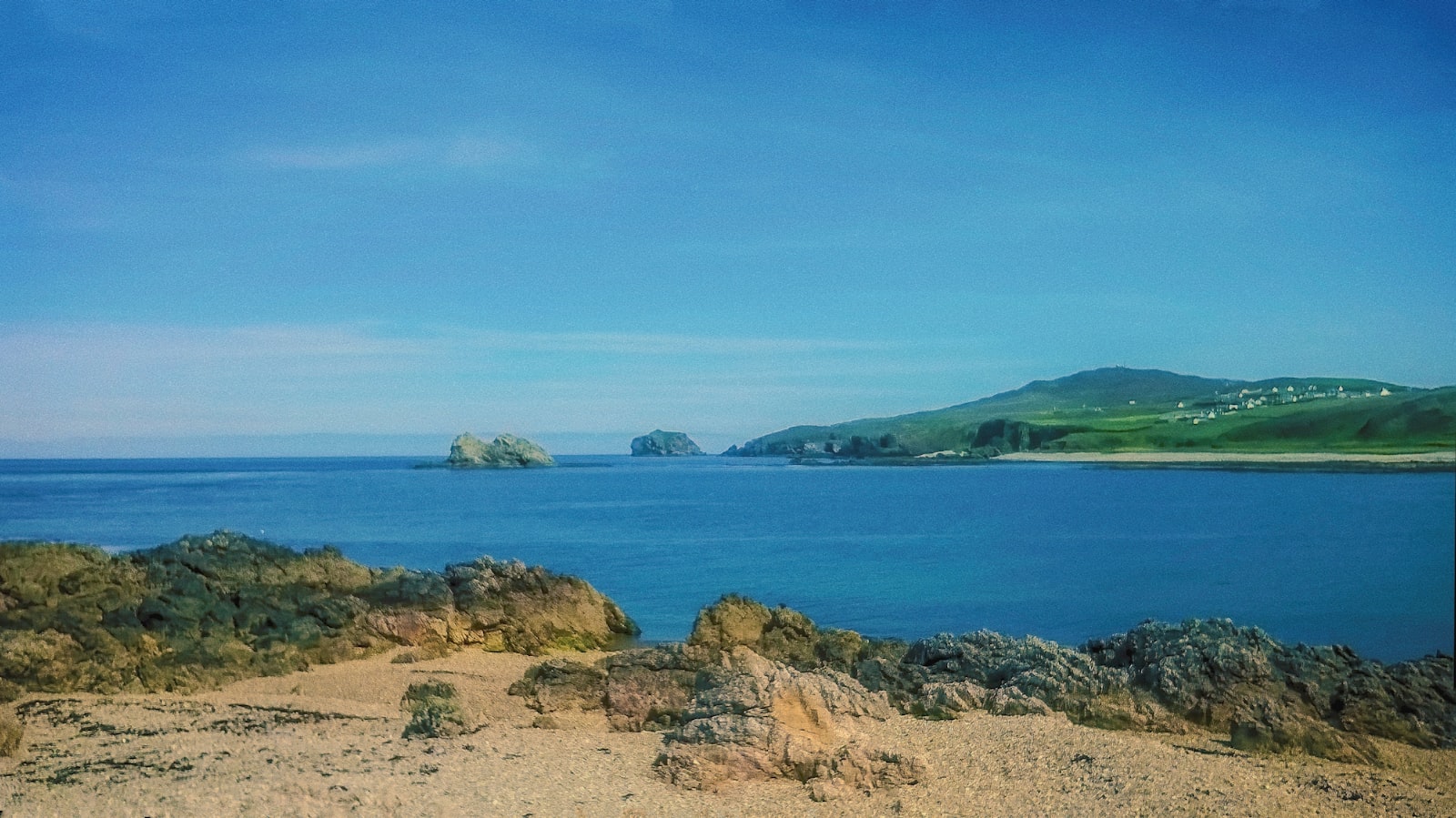
Photo by K. Mitch Hodge on Unsplash
Ireland is an island nation, surrounded by the Atlantic Ocean and the Irish Sea, its hundreds of miles of coastline providing access to some of the world’s richest and most diverse seafood resources. Yet the seafood traditions of Ireland vary dramatically from county to county, each coastal region developing distinctive practices, specialties, and culinary traditions tied to the particular waters, fish species, and cultural traditions of their area. To understand Irish seafood is to embark on a geographical and cultural journey across the island, discovering how place, water, and tradition combine to create distinct culinary identities.
County Galway: The Gateway to Oyster Country
The western coast of Ireland, particularly County Galway and the Galway Bay region, is synonymous with Irish oysters. The cold, clean waters of Galway Bay have been producing world-class oysters for centuries, and today Galway oysters remain among the most prized seafood products from Ireland.
Galway oysters have a distinctive character: they are Pacific cupped oysters, with a firm, briny flesh and a flavor that reflects the mineral-rich waters where they grow. The Clarinbridge and Galway oyster beds have been cultivated for generations, and modern aquaculture techniques ensure consistent quality while maintaining traditional flavor profiles. The shells of Galway oysters tend to be deeper and more uniform than wild oysters, making them easier to open.
The Galway Oyster Festival, held annually in September since 1954, has become one of Ireland’s most famous food festivals. Thousands of visitors descend on Galway to celebrate oysters, consuming them raw, enjoying oyster-based dishes, and participating in celebrations that honor this iconic seafood. The festival attracts oyster enthusiasts from around the world and has become integral to Galway’s cultural identity.
Galway Bay oysters are typically served simply—on the half shell, perhaps with a squeeze of lemon and a glass of Guinness or crisp white wine. This simple presentation allows the oyster’s inherent character to shine. The brine and mineral notes of the oyster, the subtle sweetness, the firm texture—these qualities are showcased rather than obscured by heavy preparation.
Beyond oysters, Galway’s seafood traditions include other mollusks and crustaceans. The waters around Galway produce excellent mussels, which are often served steamed or incorporated into seafood dishes. Crab and lobster from Galway waters are prized for their sweet, firm flesh.
County Donegal: Smoked Salmon Heritage
The northwest coast of Ireland, particularly County Donegal, has become renowned for smoked salmon production. While salmon smoking wasn’t invented in Ireland, Irish smoked salmon has achieved distinction and international reputation through consistent quality and distinctive flavor profiles.
The salmon used in Irish smoked salmon comes from both wild-caught Atlantic salmon and farmed salmon, though the most prized smoked salmon often comes from wild salmon. The salmon is gutted and filleted, then dry-cured with salt, sometimes supplemented with sugar and spices. The curing process draws moisture from the fish and concentrates flavors. The fish is then rinsed, sometimes allowed to develop a pellicle (a sticky surface layer), and smoked using peat, oak, or other woods.
Donegal’s smoking tradition reflects the region’s history and culture. The use of peat smoke, abundant in the peat bogs of northwest Ireland, creates a distinctive flavor—slightly earthy and complex compared to salmon smoked with hardwoods. This peat-smoked character has become associated with Donegal and is prized by connoisseurs.
High-quality Donegal smoked salmon is sliced thin and served simply—perhaps with brown bread, butter, and lemon. The delicate slicing showcases the salmon’s color and texture. The slight translucency of properly sliced smoked salmon, the pale flesh with darker outer edges where the smoke has penetrated, is visually striking and suggests the quality within.
Beyond Donegal, smoked salmon production occurs throughout Ireland’s coastal regions, but Donegal has established itself as particularly associated with this craft, with numerous producers maintaining traditional methods while also implementing modern food safety and quality control practices.
County Cork: Seafood Abundance and Diversity
Cork, Ireland’s southernmost coastal county, enjoys exceptional seafood resources and has developed a rich tradition of seafood production and consumption. The Cork coast provides access to diverse fish species, crustaceans, and mollusks, supporting both commercial fisheries and small-scale artisanal producers.
Cork is particularly known for its mussels. The clean, cold waters of the Cork coast produce mussels of exceptional quality, with a sweet flavor and firm texture. The mussels are steamed, often simply in white wine and herbs, or incorporated into more elaborate dishes. Cork mussels are exported internationally and form the basis of various Cork seafood dishes.
Cork is also renowned for its crab. Cork crabs, particularly the brown crab, are substantial, flavorful, and form the basis of various traditional preparations. Crab meat is incorporated into seafood chowders, crab salads, or served simply with brown bread and butter. The crab claws, larger and easier to extract meat from than in some other species, are often sold separately and are prized for their sweet flesh.
Cork’s fishing tradition supports a vibrant seafood culture. Kinsale, a picturesque harbor town in Cork, is home to numerous seafood restaurants and is known for its seafood festivals. The town’s commercial fishing fleet brings in daily catches, which are sold in the fish market and prepared in local restaurants. This direct connection between catch and plate supports fresh seafood traditions.
County Down and Strangford Lough: Specialty Mollusks
The northeast coast of Northern Ireland, particularly around Strangford Lough in County Down, has become renowned for the production of distinctive mollusks. Strangford Lough oysters, in particular, have achieved reputation as exceptional products, comparable to the famous Galway oysters.
Strangford oysters are Pacific cupped oysters, cultivated in the nutrient-rich waters of the lough. The enclosed, protected nature of Strangford Lough creates conditions where oysters thrive and develop distinctive flavor profiles. The mineral-rich water, the moderate temperatures, and the protected conditions create oysters with a particular character—a balance of brine, sweetness, and subtle vegetable notes.
Beyond oysters, Strangford Lough is known for its mussels. The protected waters support excellent mussel production, with the mussels developing a distinctive flavor influenced by the lough’s particular conditions. Strangford mussels are often steamed and served in their shells, allowing diners to experience the mussel’s inherent character.
County Kerry: Atlantic Fish and Tradition
Kerry’s Atlantic coastline has supported fishing traditions for centuries. The county’s deep-water ports give access to cold Atlantic waters rich in diverse fish species. Kerry fishing traditions emphasize sustainability and connection to local waters.
Kerry is particularly known for its catch of Atlantic fish species—cod, haddock, pollack, and other white fish. These fish are traditionally prepared simply—pan-fried with minimal seasonings, baked whole with herbs, or incorporated into fish stews. The emphasis is on showcasing the fish’s inherent character rather than obscuring it with heavy sauces.
Dingle Bay, in County Kerry, is particularly renowned for its seafood traditions. The town of Dingle has become a destination for food tourists seeking authentic Irish seafood. Local restaurants emphasize local catch, creating menus based on what the fishing boats bring in each day. This catch-based approach ensures that diners experience the true character of Irish seafood—not imported or hothouse-produced, but genuinely local and seasonal.
County Limerick and the Shannon Estuary: Mullet and River Fish
The Shannon Estuary, spanning Limerick and Clare, has unique seafood traditions tied to the particular conditions of this meeting place between river and ocean. The estuary’s brackish waters support distinctive fish species adapted to the mixing of fresh and salt water.
Grey mullet, a fish that thrives in estuary conditions, is a specialty of the region. The mullet of the Shannon Estuary are known for their firm texture and distinctive flavor. Traditionally, mullet is roasted or baked whole, sometimes stuffed with herbs and breadcrumbs. The firm flesh stands up well to such preparations.
The Shannon Estuary also supports salmon populations, with Atlantic salmon entering the estuary and river system seasonally. River salmon fishing has historical significance in the region, with salmon traditionally being a prized catch. Contemporary salmon farming in the estuary region has become controversial, with environmental concerns about the impact of farmed fish on wild salmon populations.
County Mayo: Seafood Bounty and Sustainability
County Mayo, on Ireland’s northwest coast, has developed sophisticated seafood traditions tied to both historical fishing practices and contemporary sustainability concerns. The waters off Mayo’s coast are cold and rich, supporting diverse seafood species.
Clew Bay, the major inlet on Mayo’s coast, is known for both traditional wild seafood and contemporary aquaculture. Mussels, oysters, and other mollusks are produced in Clew Bay’s protected waters. The bay has become a focus for discussions about balancing traditional fishing, aquaculture expansion, and environmental protection.
Mayo fishing communities maintain strong traditions tied to the sea. The seaweed harvesting traditions of Mayo are also significant—seaweed is gathered and used both for direct human consumption and for the production of seaweed-derived products like carrageenan and other hydrocolloids.
County Wexford: Mussels and Cockles
The southeast coast of Ireland, particularly County Wexford, has developed strong shellfish traditions. Wexford’s Bannow Bay is particularly known for mussel production. The sheltered bay provides excellent growing conditions for mussels, which are harvested and distributed throughout Ireland and internationally.
Wexford is also known for cockle harvesting. Cockles are small mollusks that live in shallow water and tidal zones. Historically, cockles were gathered by hand, often by women and children who worked the tidal zones at low tide. The cockles are steamed and served in their shells or shelled and incorporated into various preparations. Cockle and mussel stews are traditional Wexford dishes.
The Seaweed Traditions of Ireland
Beyond fish and mollusks, Ireland has distinctive seaweed traditions that deserve mention. Various seaweed species grow in Irish waters and have been gathered and used for food, medicine, and industrial purposes for centuries.
Carrageenan, extracted from red seaweed, has industrial applications in food production as a thickening and stabilizing agent. Dulse, a red seaweed, is eaten directly—either fresh, cooked into soups or stews, or dried as a snack. Sea lettuce, with its delicate green fronds, is gathered and used in soups and preparations. These seaweeds are becoming increasingly popular as food products, both in Ireland and internationally, as interest in traditional foods and sustainable nutrition increases.
Contemporary Seafood Culture and Challenges
Contemporary Irish seafood culture faces both opportunities and challenges. On one hand, interest in artisanal, locally-sourced seafood has never been stronger. Food tourism brings visitors specifically seeking authentic Irish seafood. The international reputation of Irish seafood products supports export markets and provides economic value to fishing communities.
On the other hand, sustainability concerns are significant. Overfishing, climate change affecting fish populations, and environmental impacts of aquaculture all present challenges to traditional fishing industries. Contemporary fisheries management attempts to balance economic needs of fishing communities with environmental protection and long-term sustainability.
The rise of aquaculture has transformed Irish seafood production, making previously luxury products—salmon, mussels, oysters—more affordable and accessible. Yet wild-caught seafood retains prestige and premium positioning in many contexts.
Seafood Preparation Traditions
Throughout Ireland’s regions, distinctive seafood preparation traditions have evolved. The emphasis tends to be on simplicity—allowing the seafood’s inherent character to shine rather than obscuring it with heavy preparations. Steaming mussels in white wine and herbs, pan-frying fish with minimal seasoning, grilling fish over wood fires, and simply serving oysters raw on the half shell are all traditional approaches that respect the product’s inherent qualities.
Fish soups and chowders are popular throughout Ireland’s coastal regions. These dishes combine various fish and shellfish with vegetables in a creamy or broth-based preparation. The dishes represent resourcefulness—using various catch, trim, and seconds to create something greater than any individual component.
Conclusion: The Richness of Irish Seafood Traditions
The seafood traditions of Ireland, varying dramatically from county to county, reflect the diversity of Irish coastal environments, the particular fish and shellfish species available in different waters, and the cultural traditions that have developed in response to these circumstances. From the oyster beds of Galway to the smoked salmon of Donegal, from the mussels of Cork to the seafood traditions of counties throughout Ireland’s coastline, the island offers remarkable seafood products and traditions.
For American diners and travelers, exploring Irish seafood traditions offers authentic connection to Irish food culture and regional identity. Whether enjoying Galway oysters, tasting smoked salmon, savoring a seafood chowder, or grilling fresh fish over a turf fire, experiencing Irish seafood in its native context provides genuine understanding of Irish culinary heritage and the deep connections between place, tradition, and food.

Author: jonathan
Jonathan is the publisher of Irishtopia.net, Anglotopia.net, and Londontopia.net. He's passionate about travel and learning about other cultures. He's been to Ireland several times, and uses his travel expertise for Irishtopia!