
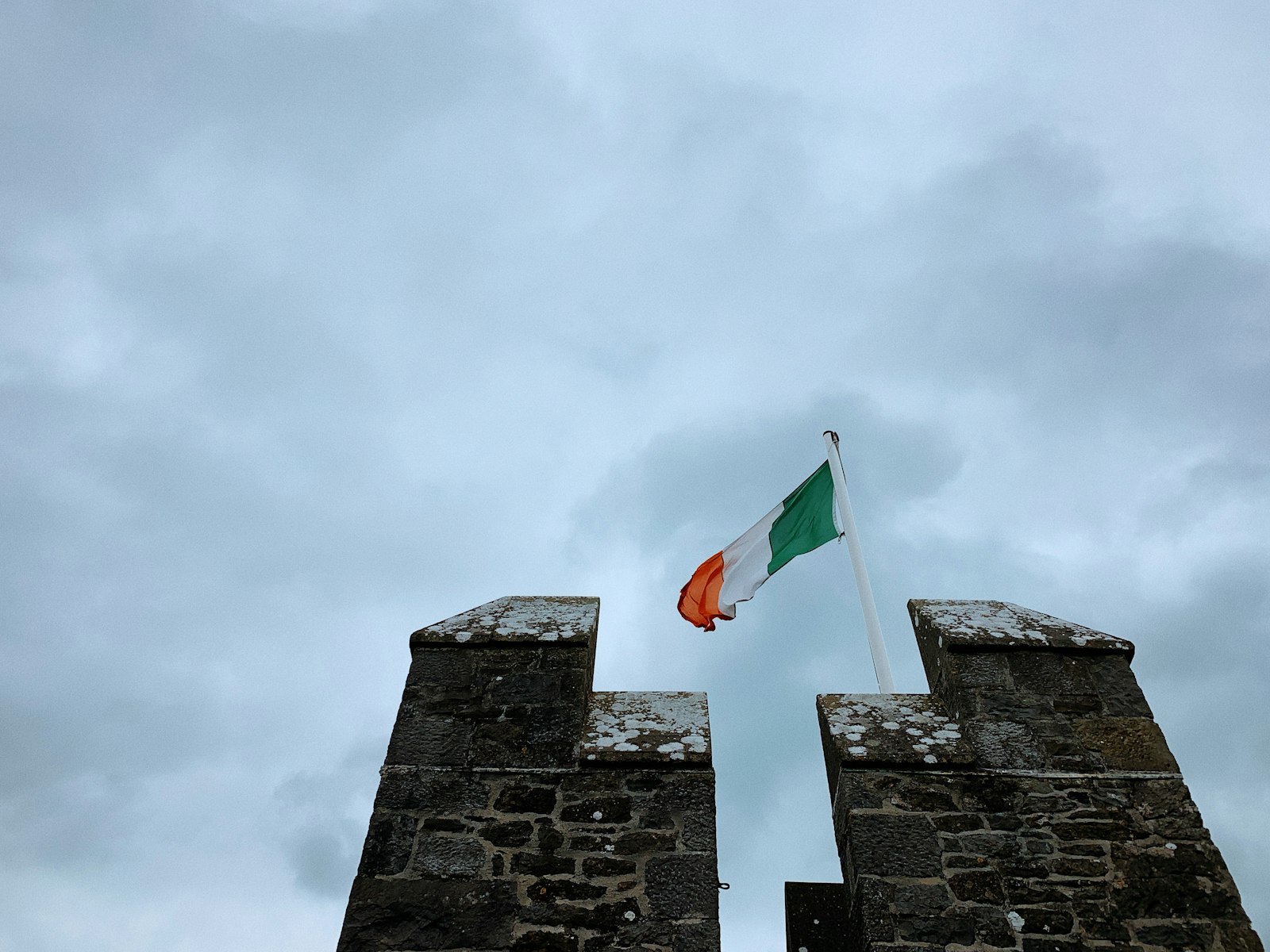
Photo by Tommy Bond on Unsplash
Introduction
Sean O’Faoláin (1900-1991) was one of Ireland’s most important twentieth-century writers, whose short stories depicted Irish life with sophistication, psychological insight, and unflinching honesty. Unlike some Irish writers who romanticized Ireland or focused on peasant traditions, O’Faoláin examined middle-class Irish life, portrayed contemporary Irish society with clear-eyed criticism, and created stories of remarkable psychological depth and artistic achievement.
O’Faoláin’s significance lies partly in his refusal to sentimentalize Ireland or accept conventional nationalist narratives. He was committed to Irish independence and Irish cultural revival, yet he was also critical of much Irish society—its sexual repression, its religious authoritarianism, its narrow-mindedness toward different perspectives. His stories explored these tensions with honesty and sophistication.
For Americans interested in Irish literature, O’Faoláin represents sophisticated Irish fiction exploring contemporary Irish life. His stories offer insights into Irish society and character while achieving universal significance through their exploration of human psychology and moral complexity. His work demonstrates that serious literature can examine one’s own society with critical honesty while maintaining deep engagement with and love for one’s culture.
Early Life and Irish Independence Movement
Sean O’Faoláin was born in Cork in 1900. His early life was marked by engagement with Irish independence movement. He participated in the struggle for Irish independence as young man, serving as soldier in Irish Republican Army. His military experience during independence struggle shaped his worldview and his later critical perspective on how independence was achieved and what independent Ireland became.
Following independence, O’Faoláin transitioned from military activism to intellectual and literary pursuits. He studied at universities, traveled widely, and developed as writer and intellectual. His military experience gave him insider’s knowledge of independence struggle while his subsequent intellectual development gave him critical perspective on its achievements and limitations.
Literary Career and Short Story Mastery
O’Faoláin became known for his short stories, which were published in various collections throughout his career. His stories depicted Irish life—middle-class Dublin, rural Ireland, Irish characters navigating modern world. What distinguished his stories was their psychological sophistication and their refusal to simplify or sentimentalize Irish experience.
Stories like “Midsummer Night Madness” and others explored themes of moral complexity, human weakness, social hypocrisy. His characters were often ordinary people confronting life’s difficulties with varying degrees of courage and honesty. His stories revealed the gap between human ideals and actual behavior, between how people imagine themselves and how they actually live.
O’Faoláin’s technical mastery of short story form was evident in his best work. He created vivid characters, compelling narratives, and profound insights within brief compass. His stories worked as complete artistic achievements while raising broader questions about Irish society and human nature.
Critical Perspective on Irish Society
One important aspect of O’Faoláin’s work was his critical examination of Irish society. He was committed to Irish independence and cultural revival, yet he was critical of sexual repression, religious authoritarianism, and narrow-mindedness in Irish society. His stories often depicted these aspects of Irish life without celebrating or excusing them.
This critical perspective sometimes provoked controversy. Some Irish readers and critics felt that his depiction of negative aspects of Irish society was unfair or that it played into stereotypes of Ireland held by outsiders. O’Faoláin maintained that honest examination of one’s own society was necessary and that sentimental celebration of Ireland served neither art nor society well.
His perspective reflected broader debate within Irish culture about how independent Ireland should understand itself. Some believed Irish identity required celebration and idealization; others, like O’Faoláin, believed that critical honesty was more important.
Novelist and Intellectual
Beyond short stories, O’Faoláin wrote novels and worked as intellectual and critic. He was editor of important literary journal “The Bell,” which provided forum for Irish writers and intellectuals. Through this editorial work, he influenced Irish literary culture and created space for critical engagement with Irish society.
His novels included “Come Back to Erin” and others that explored Irish identity and Irish history. While perhaps less celebrated than his short stories, these works demonstrated his range as writer and his sustained engagement with Irish themes.
Personal Life and Relationships
O’Faoláin married early in his life and maintained long marriage. His wife was supportive of his writing career and was herself engaged with Irish intellectual culture. Their relationship spanned decades and seems to have been important to his emotional and creative stability.
He was involved in friendships with other major Irish writers and intellectuals. These relationships contributed to Irish literary culture and influenced his work. He was respected by peers as serious writer and important figure in Irish letters.
Later Years and Legacy
Throughout his long life, O’Faoláin continued writing and remained engaged with Irish culture. He lived through Irish independence struggle, Irish Free State, Irish Civil War, and the emergence of modern Ireland. His long perspective on Irish historical changes informed his writing and his criticism.
In later years, he achieved recognition as major Irish literary figure. His short stories were collected and reprinted. His novels were studied. His critical writings influenced how Irish literature and society were understood. He became elder statesman of Irish letters, respected for his achievement and his integrity.
Psychological Insight and Character Creation
What distinguished O’Faoláin’s fiction was his psychological insight. He understood human nature—human weakness, hypocrisy, capacity for self-deception, as well as capacity for courage and integrity. His characters were complex, often contradictory, deeply human.
His stories often depicted moments of moral choice or psychological crisis. Characters confronted decisions with significant implications. O’Faoláin explored what their choices revealed about them, about Irish society, about human nature generally. These explorations gave his stories philosophical weight alongside their narrative interest.
Relationship to Literary Tradition
O’Faoláin was engaged with both Irish literary tradition and broader European literary traditions. He read and was influenced by great writers of past and present. He understood his own work as part of ongoing literary tradition. Yet he was also original writer, creating distinctive voice and vision.
His work demonstrated that Irish writers could engage with literary tradition while creating distinctly Irish fiction. They need not choose between Irish specificity and international literary engagement—these could inform each other productively.
Conclusion: The Honest Witness
Sean O’Faoláin stands as major Irish writer whose significance lies partly in his refusal to sentimentalize Ireland while maintaining genuine engagement with Irish culture. His short stories offer psychological depth, artistic achievement, and honest examination of Irish society. His critical perspective on Irish life, while sometimes controversial, contributed important voices to Irish cultural conversation.
His legacy includes his literary achievement—the stories and novels that remain worth reading—and his influence on Irish intellectual culture. He demonstrated that writers could be critical of their own societies while maintaining love for and engagement with their cultures. He showed that honest examination of social reality could be conducted with sophistication and insight.
For Americans interested in Irish literature, O’Faoláin’s stories offer sophisticated portraits of Irish character and society. They demonstrate that serious literature can examine contemporary society while achieving universal significance. They show Irish writers’ capacity to create work of genuine literary achievement while engaging with specifically Irish material and concerns.
Keywords: Sean O’Faoláin, Irish writer, short stories, Irish society, psychological fiction, literary criticism, “The Bell” magazine, Irish independence, middle-class life, Irish literature

Author: jonathan
Jonathan is the publisher of Irishtopia.net, Anglotopia.net, and Londontopia.net. He's passionate about travel and learning about other cultures. He's been to Ireland several times, and uses his travel expertise for Irishtopia!