
Introduction
There are places in Ireland that seem to exist outside of time, where the modern world feels impossibly distant. Skellig Michael is one of them. Rising dramatically from the Atlantic Ocean off the coast of County Kerry, this jagged pyramid of rock has captivated visitors for centuries—and now, for millions more thanks to appearances in Star Wars films. Yet beneath the cinematic appeal lies something far more profound: a remote monastic community that chose one of Europe’s most inhospitable locations to pursue spiritual enlightenment.
Skellig Michael isn’t just another Irish tourist attraction. It’s a pilgrimage site, a hiking challenge, a window into early Christian asceticism, and a place of raw natural beauty that few other destinations can rival. For Americans planning a visit to Ireland, this island offers something increasingly rare in our modern world: genuine isolation and the chance to stand where monks stood more than a thousand years ago.
Understanding Skellig Michael: History and Significance
Skellig Michael, known in Irish as Sceilg Mhichíl, stands 218 meters above sea level and occupies only 22 acres of rock. Yet this tiny, forbidding island became home to one of Ireland’s most important monastic communities between the 6th and 12th centuries. The monks who chose this location didn’t seek comfort; they sought spiritual transformation through extreme isolation.
The monastery was founded around the 6th century, though the exact date remains uncertain. What we do know is that early Christian monks believed that separation from worldly temptation was essential to spiritual growth. The Irish monastic tradition, influenced by Eastern asceticism, produced remarkable communities on remote islands throughout the country. Skellig Michael represents the extreme end of this spectrum.
The monks built everything from scratch on this wind-battered rock. They constructed beehive-shaped stone cells called “clochán,” a grinding stone for wheat, and an oratory. These structures, built without mortar or modern tools, have survived over a thousand years of Atlantic storms—a testament to their engineering ingenuity and the quality of their craftsmanship.
The island was inhabited continuously until around the 12th century, though it remained a pilgrimage site well into medieval times. In the 19th century, interest in the island waned, and the lighthouse keepers who occupied it from 1826 until 1989 became the last permanent residents. Today, the island is managed by the Office of Public Works and receives approximately 15,000 visitors annually during the summer months.
The Spiritual Appeal of Isolation
What draws people to Skellig Michael isn’t just history—it’s the spiritual quality of the place itself. Standing on the island, surrounded by ocean on all sides, you understand why monks sought it out. The weight of the world truly does feel left behind on the mainland.
The monks’ lives were extraordinarily austere. There is no fresh water on the island; they collected rainwater. There is minimal soil; they grew what they could or relied on supplies brought by boat. In winter, the island becomes almost entirely inaccessible, effectively cutting residents off from the outside world for months. The winds scream around the rocks with ferocious intensity. The isolation is absolute.
This wasn’t accidental. The monks deliberately chose hardship. They believed that through physical deprivation and spiritual discipline, they could achieve closer communion with God. Skellig Michael became a place of extreme monasticism—more demanding than mainland monasteries, more pure in its spiritual ambition.
Today’s visitors who make the journey often report profound emotional responses. The silence is remarkable—not the manufactured silence of a quiet room, but the deep silence of an isolated place where human activity has minimal footprint. The scale of the ocean, the vulnerability of standing on a small rock in the vastness of the Atlantic, the knowledge that people lived here centuries ago in deliberate poverty—all of this combines to create a genuinely moving experience.
Practical Visit Information
Getting There
Skellig Michael is accessible only by boat. There are no ferries with regular schedules. Instead, private boat operators based in County Kerry conduct daily tours during the tourist season, typically April through October, weather permitting.
The departure point is typically Portmagee, a small fishing village about 20 kilometers south of Waterville, or sometimes from Valentia Island nearby. Several licensed operators run the tour boats. Research reputable companies with good safety records and recent customer reviews. Companies like Skellig Michael Ferries and Crumple Wood Ferries are well-established operators.
The boat journey takes approximately 12-15 minutes from Portmagee, covering about 13 kilometers. Depending on sea conditions, this can be a thrilling ride or a rough voyage. Those prone to seasickness should consider taking medication before departure.
Cost varies but typically ranges from €30-60 per person for a round-trip boat ride. Landing fees for the island itself (managed by OPW) are additional and cost around €6.
Weather and Seasons
Skellig Michael has the most unpredictable access of any Irish tourist site. The weather must be calm enough for boat operators to safely land passengers on the rocky shore. Even in summer, days of bad weather can shut down access.
The best time to visit is June through August, when the weather is most stable and daylight hours are longest. However, even in peak season, there’s a reasonable chance that rough seas will prevent landing. Always allow flexibility in your itinerary—don’t schedule Skellig Michael on the only day you’re in the area.
May and September can offer pleasant conditions with fewer crowds, but the risk of weather cancellation increases. October through April, the island is generally closed to visitors for safety reasons.
On the Island
Once you land on Skellig Michael, you have approximately three to four hours before the boat returns. This is enough time to see the major sites but requires moderate fitness and sure-footedness.
The monastic settlement sits high on the island, requiring a climb of 618 stone steps. These steps are steep, narrow, and can be slippery when wet. There are no handrails on most of the route. This isn’t a casual walk; it’s a proper hike that tests your fitness level and nerve. The views improve dramatically as you climb.
At the top, you’ll find the beehive cells, the oratories, and the ancient settlement. The structures are smaller than you might expect—remarkable given how they were built with hand tools on a tiny rocky island centuries ago. Take time to sit quietly and absorb the atmosphere.
The island has a small seasonal visitor center with basic facilities and refreshments. There are no restaurants or shops, so bring water and snacks. Facilities are minimal but adequate.
Photography
Skellig Michael is incredibly photogenic, which is why it’s become social media famous. The rugged landscape, ancient structures, and dramatic seascapes create compelling images. However, the best photography often comes from taking time to observe and wait for light conditions rather than rushing through.
Photographers should note that the island gets particularly crowded around sunset—not because visiting late is necessarily better, but because visitors assume it is. Often, the light is equally beautiful at other times of day, and you’ll encounter far fewer people if you visit earlier in the afternoon.
Exploring the Island in Detail
The Beehive Cells (Clochán)
The most striking structures on Skellig Michael are the beehive cells—small, dome-shaped stone dwellings built without mortar. Six of these cells survive relatively intact. They’re astonishingly small inside, typically measuring just 4 meters in diameter at the base, tapering as they rise to a point. A monk would have spent his life in a space barely larger than a modern bedroom.
The construction technique is remarkable. Stones were carefully placed in slightly overlapping horizontal layers, creating a corbelled vault that is self-supporting. No mortar was used; the weight of the stones and their precise placement create structural integrity. Walking inside a clochán, you feel the care and skill of the builders—these weren’t crude structures but engineering accomplishments that have endured over a thousand years.
The Oratory
The island’s stone oratories serve as places of prayer and religious ceremony. These small, rectangular stone buildings show sophisticated architectural understanding. The largest surviving oratory is impressive considering the constraints of building on a storm-battered island with limited resources.
The Cross
Various stone crosses remain on the island, though some have been damaged over centuries. These would have served as focal points for prayer and procession. Standing before these crosses, weathered by a millennium of Atlantic winds, you’re confronted with the resilience and spiritual commitment of the monks who carved them.
The Broader Island Context
Skellig Islands Ecosystem
Skellig Michael is part of a small group of islands. Skellig Beag (Little Skellig), nearby, is home to one of Ireland’s largest gannet colonies. While you won’t land on Skellig Beag during typical tours, the boat journey often provides good views of the birds.
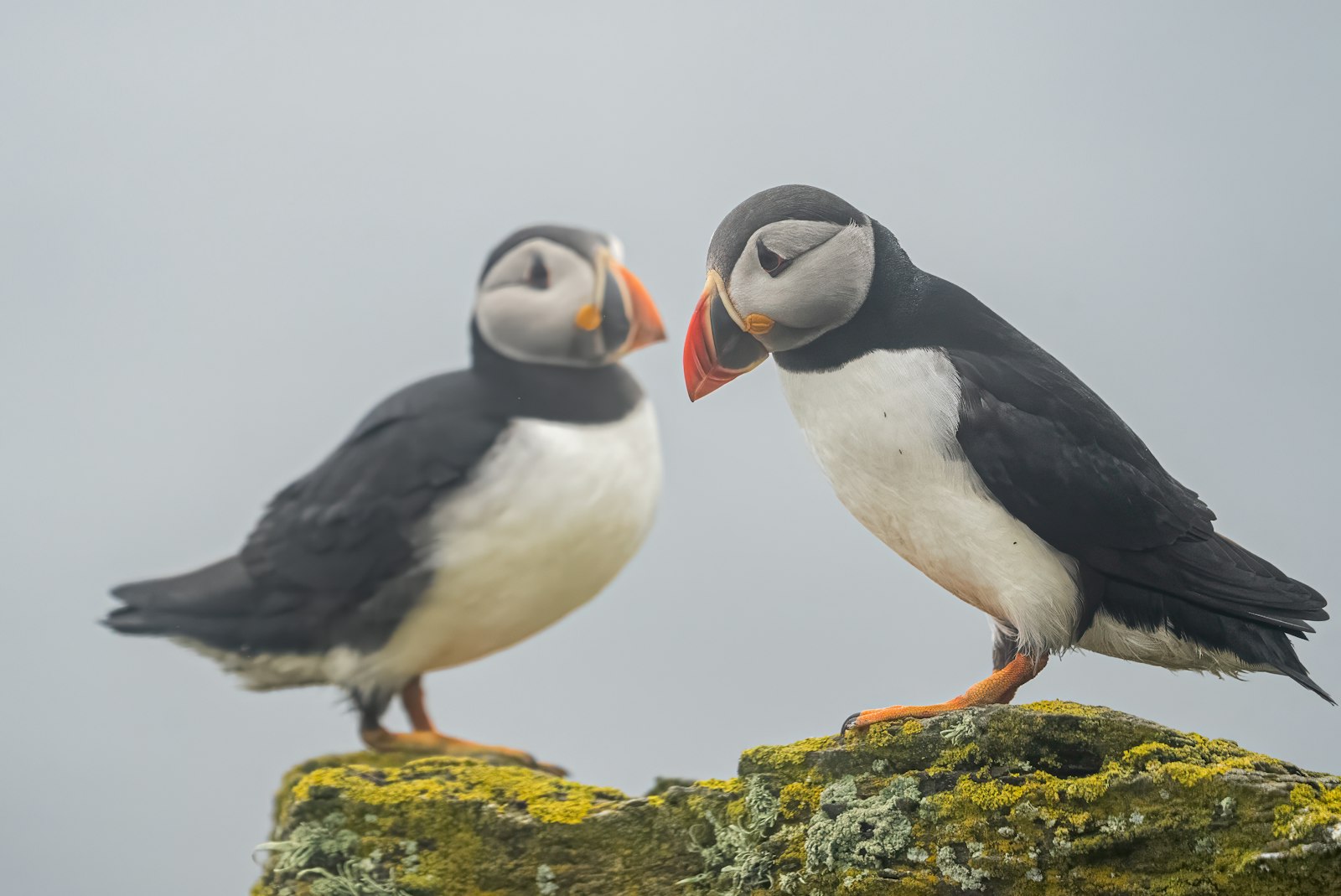
The waters around the islands are biodiverse marine habitat. Seals and dolphins are frequently spotted. The bird life is extraordinary—puffins, razorbills, kittiwakes, and numerous other seabird species make the islands home.
Literary and Cultural References
Beyond Star Wars, Skellig Michael has inspired Irish literature and culture for centuries. The monks’ lives were documented in medieval manuscripts. Modern Irish writers have drawn on the island’s spiritual significance. Understanding these cultural connections enriches a visit.
Modern Challenges and Conservation
Skellig Michael faces pressure from increased visitor numbers. The island is fragile—the archaeological sites are irreplaceable, and the ecosystem is delicate. The Office of Public Works carefully manages access to prevent damage.
This means visitor numbers are limited, facilities are minimal, and the experience remains relatively authentic. If you visit, respect the preservation efforts by staying on designated paths, not removing anything from the island, and treating the site as the sacred place it is.
Climate change poses a longer-term challenge. Rising sea levels and increased storm intensity could eventually threaten the island’s accessibility and the fragile structures that survive there.
Preparing for Your Visit
Physical Preparation
The 618-step climb is no joke. If you have any mobility issues, arthritis, knee problems, or significant fitness limitations, seriously consider whether you can make this climb safely. There’s no shame in deciding Skellig Michael isn’t right for you. Some visitors reach the top exhausted; others find it exhilarating. Know yourself.
For most people in decent health, the climb is challenging but achievable. Take your time, rest when needed, and remember that the views improve with every step.
What to Bring
- Sturdy, waterproof hiking boots with good grip
- Waterproof jacket (it’s windy and spray is common)
- Windproof layers (it’s significantly colder and windier than the mainland)
- Sun protection (the sun reflects off the rock)
- Water and snacks
- Camera
- Any required medications
Mental Preparation
Skellig Michael can be emotionally intense. The isolation, the history, the physical challenge, the natural beauty—these all combine into something profound. Some people find it transformative; others find it unsettling. Don’t dismiss feelings of vulnerability or awe; they’re appropriate responses to this extraordinary place.
Beyond Skellig Michael: The Kerry Peninsula Context
Visiting the Area
Portmagee, your departure point, is worth exploring. This working fishing village maintains authentic character despite increased tourism. Fresh seafood restaurants offer excellent meals. The village is compact and charming—quite different from the commercialized tourist towns of central Ireland.
Valentia Island, accessible by bridge, offers dramatic coastal scenery and additional hiking opportunities. The Fogher Cliffs are nearby and offer accessible dramatic views without requiring the boat journey to Skellig.
Waterville, further north on the Ring of Kerry, offers more services and accommodation options while remaining relatively small and authentic.
Combining with Other Activities
A visit to Skellig Michael fits naturally into a Ring of Kerry itinerary, though it requires 2-3 days in the area due to the unpredictable boat schedules and the need to base yourself near Portmagee.
Combine Skellig with the Skellig Chocolate Factory, hiking on Valentia, exploring Cahersiveen, or the monastery at Derrynane.
Conclusion: Why Skellig Michael Matters
Skellig Michael represents something increasingly rare in the modern world: a place that hasn’t been domesticated or made convenient for tourism. You can’t stay overnight. You can’t control when the boats run. You can’t avoid the physicality of the climb. You can’t make it easy.
This is exactly why it matters.
In a world of curated experiences and engineered aesthetics, Skellig Michael remains stubborn, demanding, and authentic. The monks chose this island because it was hard. It still is. And perhaps that’s why visiting changes people.
For American travelers seeking more than a photograph opportunity—those willing to invest time, effort, and vulnerability—Skellig Michael offers one of Ireland’s most profound travel experiences. Stand on that rocky summit. Feel the wind and the silence. Let the scale of the Atlantic and the weight of history touch you. Then you’ll understand why monks spent their lives here, and why visitors return again and again.
The island isn’t for everyone. But for those called to it, no other Irish destination quite compares.

Author: jonathan
Jonathan is the publisher of Irishtopia.net, Anglotopia.net, and Londontopia.net. He's passionate about travel and learning about other cultures. He's been to Ireland several times, and uses his travel expertise for Irishtopia!