
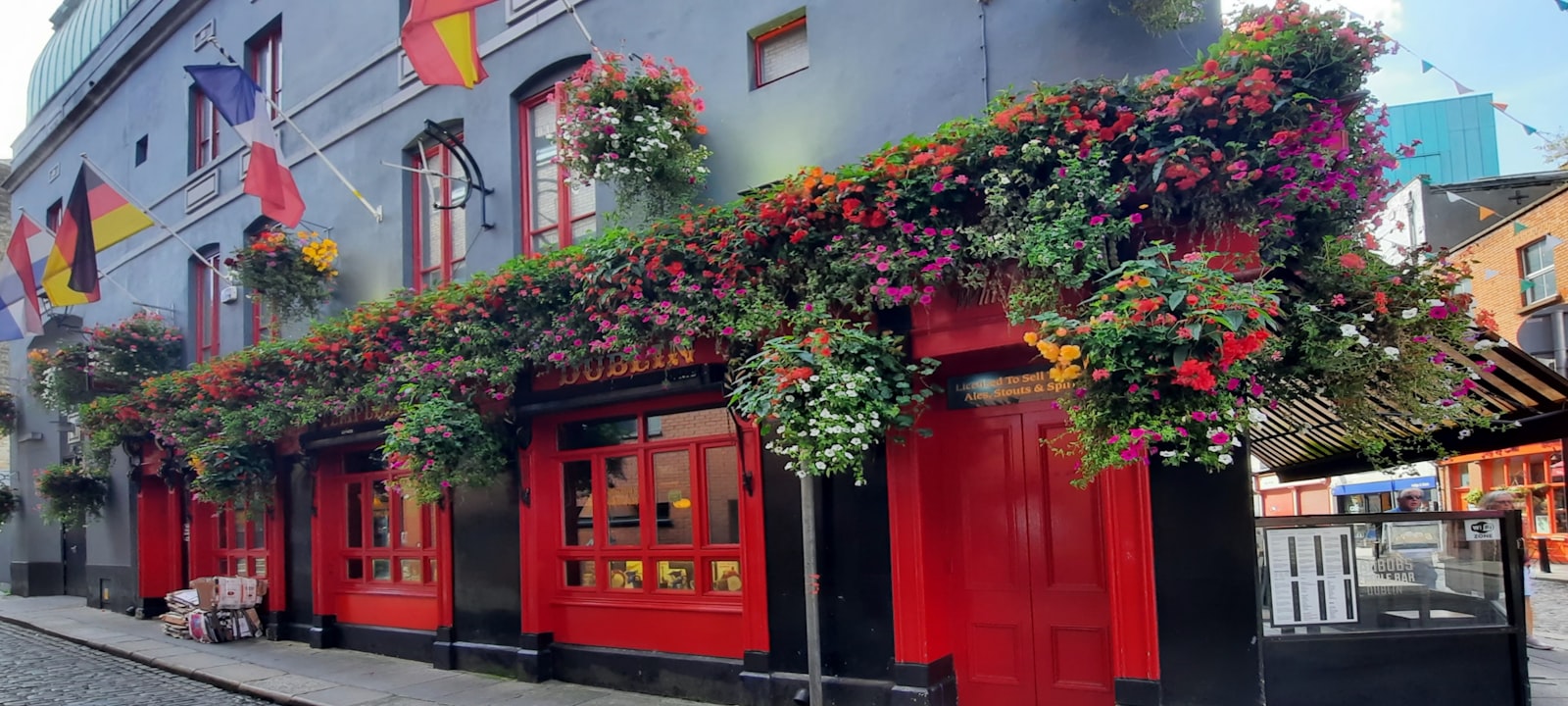
Photo by Genny Dimitrakopoulou on Unsplash
The Irish pub is more than a place to drink—it’s an institution, a community center, a repository of stories, and one of Ireland’s greatest cultural exports. When Americans imagine Irish culture, the image of a cozy pub with a pint of Guinness and traditional music often appears. This romantic notion contains truth, but the real story of Irish pub culture is far richer, more complex, and more fascinating than any stereotype can capture. Understanding Irish pubs means understanding Irish society, history, values, and the way Irish people relate to each other and the world.
The Medieval Origins: From Alehouses to Taverns
The history of Irish drinking establishments stretches back further than most Americans realize. Medieval Ireland had drinking places long before the modern pub emerged. Early Irish society included alehouses and taverns, though they looked nothing like contemporary pubs. These establishments served functional purposes—providing lodging for travelers, gathering places for business, and venues where news traveled.
Medieval Irish alehouses were simple affairs, often rooms in private homes or monastery establishments. Some monasteries brewed ales and opened their doors to travelers and locals. The association between Irish monasticism and alcohol production isn’t a historical anomaly—monks across medieval Europe brewed beer because it was safer than water and used locally available grains. Irish monasteries became known for quality brewing, and their ales were traded and prized.
The medieval drinking experience was communal but structured differently than modern pubs. People drank together but often remained standing. Seating was limited and typically reserved for the proprietor or important figures. The beverages were primarily ale, mead, and later porter. Wine and spirits existed but were luxury goods unavailable to common people. These early establishments provided warmth, light, and companionship—basic needs in a society where homes often lacked amenities we now take for granted.
The Turning Point: Colonial Period and Pub Regulation
The transformation from simple alehouse to the recognizable pub format began during the colonial period. English authorities, controlling Ireland, imposed licensing systems and regulations on drinking establishments. These regulations intended to control Irish population and extract revenue transformed the nature of drinking places. Rather than informal gatherings, drinking establishments became licensed commercial ventures, regulated by authorities.
This regulatory framework ironically helped Irish pubs become more permanent institutions. Licensed establishments invested in their spaces, improving conditions and amenities. The regulations ensured consistency and created clear distinctions between licensed pubs and illegal drinking places. The modern pub as a distinct institution with specific characteristics—a bar counter, stools, a proprietor, a name—emerged during this period.
The colonial regulations also influenced the social character of pubs. Controlled drinking establishments often became centers of Irish resistance and community solidarity. While authorities used regulation to control Irish people, pubs became spaces where Irish identity could be maintained and expressed. The pub became a place where English authority was acknowledged but Irish values and language persisted.
The Great Pub Expansion: 19th and 20th Centuries
The 19th century witnessed the transformation of pubs into the institutions Americans now recognize. Industrialization, urbanization, and rising living standards meant more people had money and leisure time to visit pubs. Breweries grew larger and more sophisticated. Distilleries flourished. Transportation improvements meant products could reach wider markets.
Dublin’s pubs became particularly famous during this era. The city’s rapid growth created neighborhoods where pubs served as community anchors. Pubs became affiliated with particular neighborhoods or working-class communities, creating strong local identities. The pub was where men (primarily) gathered after work, where neighborhood news was shared, where disputes were settled and friendships formed.
The 19th century pub was also increasingly feminized in some ways—not through women being permitted entry, but through pub proprietors’ wives and daughters handling business operations and providing hospitality. Some pubs remained all-male spaces, while others permitted women in certain areas or at certain times. The Victorian era saw debates about respectability and pub culture that shaped how pubs were perceived and how they responded.
By the early 20th century, pubs had fully developed into the central institutions of Irish community life. A new neighborhood could be recognized as established only when it had a decent pub. Pubs employed people, supported local economies, and provided spaces where diverse groups encountered each other. The pub was workplace (for staff), home-away-from-home (for regulars), and stage where Irish social life played out.
The Pub as Irish Institution: Architecture and Design
Traditional Irish pubs have distinctive architectural and design characteristics that emerged over time. The long bar counter is essential—a gathering place where the publican presides like a social custodian. The bar counter isn’t merely functional; it’s the pub’s heart, where the publican maintains position and control while remaining accessible to customers.
The interior typically features dark wood, often mahogany or oak, creating an intimate, cave-like atmosphere. This darkness isn’t accidental—it creates atmosphere, hides wear and age, and creates a sense of separation from the outside world. Windows are often small or limited, reinforcing the feeling of entering a separate space.
Traditional pubs include snugs—small enclosed booths where people could drink more privately. The snug served several purposes. Women or couples might use snugs to drink without being observed by the entire pub. People conducting business might seek privacy. The snug represented a compromise between community drinking and individual privacy, letting people participate in pub culture while maintaining some separation from the full social exposure of the main bar.
Other architectural features include the grocery section, common in rural pubs, where patrons could purchase foodstuffs alongside their drinks. This arrangement served practical purposes—people traveled to pubs for both commodities. The grocery section represented how pubs functioned as multi-purpose community institutions, not purely drinking establishments.
Traditional pubs also feature minimal electronic entertainment. Some have a television for major sporting events, but conversation remains the primary entertainment. This design philosophy reflects a conviction that the people in the pub, their stories and personalities, are entertainment enough. The pub is designed to facilitate conversation, not distract from it.
The Philosophy of Irish Pub Culture
Understanding the appeal of Irish pubs requires understanding their underlying philosophy. Irish pub culture emphasizes several key values that distinguish it from drinking culture in other countries.
First, the Irish pub emphasizes community and belonging. A pub is understood as community property—a space that belongs to its neighborhood and its regulars, not merely to the proprietor. Regular customers are acknowledged, remembered, asked about their affairs. The publican serves formal function but also social role—confidant, mediator, community leader. Someone who visits a pub regularly becomes part of its social fabric.
Second, Irish pubs value conversation and storytelling. The pub is understood as space where stories are exchanged, where local history is maintained, where news is shared. This emphasis on verbal culture reflects Irish traditions of oral storytelling and verbal wit. The best pub experiences involve conversation—clever wordplay, stories about local characters, debates about politics or sports, gossip about community affairs.
Third, pubs emphasize equality and social fluidity. In theory, in an Irish pub, a laborer sits beside a businessman, a politician beside a pensioner. The pub exists outside normal social hierarchies. Money matters—you must pay for your drink—but beyond that, social position is secondary. This egalitarian philosophy doesn’t always match reality, but it remains the pub’s governing ideal.
Fourth, Irish pubs value time and slow living. Pubs aren’t designed for quick drinks before heading elsewhere. A proper pub visit involves settling in, nursing a drink, engaging with your companions and the social environment. This orientation toward time reflects Irish values generally—the belief that some things cannot be rushed, that slowing down allows fuller experience.
Pub Types and Varieties
Irish pubs aren’t monolithic. The country contains numerous pub varieties, each serving distinct functions and serving particular communities.
The local neighborhood pub is the most traditional variety. These establishments have fixed regulars, are known within their neighborhoods, and serve as genuine community centers. They often feature minimal décor, may not serve food, and might not compete for tourist business. The local pub’s significance lies in its role maintaining community identity and providing space for social life.
The village pub serves similar functions in rural Ireland. Often combined with another business—a grocery, a post office, a restaurant—the village pub remains central to rural community life. These pubs often have been in single families for generations, with proprietors serving social custodian roles extending beyond their formal business.
The tourist pub, found in cities and popular tourist destinations, deliberately caters to visitors. These pubs emphasize traditional décor, may feature traditional music nightly, and serve food. American tourists often have their first Irish pub experience in tourist-oriented establishments. These pubs shouldn’t be dismissed—many are genuinely good—but they differ from neighborhood pubs in their explicit intention to display and commercialize Irish culture.
Pub-restaurants represent a newer innovation, combining traditional pub with more extensive food service. These establishments maintain pub characteristics but emphasize dining alongside drinking. Pub-restaurants attract broader audiences—families, tourists, people seeking substantial meals—while maintaining connections to pub traditions.
The speakeasy-style craft cocktail bar represents Irish drinking culture’s contemporary edge. Young, Irish-trained bartenders create modern cocktails while maintaining connections to pub values. These establishments honor Irish spirits and ingredients while creating contemporary drinking experiences. They represent how Irish pub culture adapts while maintaining core values.
The Social Functions of the Pub
Pubs serve multiple functions in Irish society that Americans might not immediately recognize. Understanding these functions illuminates why pubs remain so central to Irish life.
Pubs function as communication networks. Before mass media and the internet, the pub was how news traveled. People exchanged information, discussed events, and formed public opinion in pub spaces. While media has changed, this function persists. Important news still gets discussed in pubs, and pub conversations influence how people understand events.
Pubs serve as social leveling mechanisms. In a society with real class distinctions, the pub remained a place where social position mattered less than in formal spaces. A wealthy farmer might encounter a laborer, and in the pub, they engaged as relative equals. This leveling doesn’t mean class disappeared but rather that pub culture temporarily suspended normal hierarchies.
Pubs function as dating venues and relationship spaces. Traditionally, young people would meet in pubs. Couples would go to pubs as recreation. Relationships formed and developed in pubs. Even in the modern era, pubs remain important spaces for dating and relationship development.
Pubs serve grieving and celebration functions. When Irish people experienced loss or difficulty, they gathered in pubs. When something worth celebrating occurred, the pub was the natural gathering place. The publican and pub community provided support during difficult times and enhanced joy during celebrations.
Pubs also serve economic functions for participants. For publicans and staff, pubs provided employment and business opportunities. For customers, pubs offered spaces to conduct business—deals were negotiated, arrangements were made. The pub functioned as informal marketplace alongside its other roles.
Traditional Irish Music and the Pub
One of the most romanticized elements of Irish pub culture is traditional Irish music. The image of a pub with musicians playing fiddles, bodhráns, and uilleann pipes, with audiences singing along, represents Irish cultural heritage. This image contains truth, but the real history is more interesting.
Traditional music wasn’t always strongly associated with pubs. Traditional musicians historically played in homes, at gatherings, and in dance settings. The pub connection strengthened during the 20th century as pubs became community gathering places and as traditional music faced pressure from modern entertainment forms.
By the mid-20th century, traditional music sessions in pubs had become a standard feature of Irish pub culture. Sessions are informal gatherings where musicians play traditional tunes together, often in a particular pub at a particular time each week. Sessions combine musician skill and repertoire with communal participation—listeners sing along, encourage musicians, and create atmosphere.
The relationship between alcohol and traditional music creates interesting dynamics. Some argue that alcohol and music are naturally paired in Irish culture. Others note that excess alcohol can destroy music quality—musicians playing while intoxicated often perform poorly, and drunk audiences become disruptive. The best sessions balance alcohol with genuine musical focus.
Traditional music sessions demonstrate pub culture’s emphasis on community participation. Sessions aren’t performances by musicians for passive audiences. Instead, they’re communal experiences where everyone participates according to their ability. Listening is active participation. Singing along is encouraged. Even non-musicians contribute to the session’s success through their presence and enthusiasm.
The Modern Irish Pub: Adaptation and Evolution
Contemporary Irish pubs face pressures and challenges that previous generations never encountered. Changing drinking patterns, particularly among younger Irish people, have altered pub culture. Smoking bans, implemented in the early 2000s, transformed the sensory experience of pub-going. Economic pressures, particularly following the 2008 financial crisis, threatened pub viability.
Yet Irish pubs have demonstrated remarkable adaptability. Many expanded food offerings, recognizing that people now expect to eat at pubs. Pubs invested in creating spaces comfortable for women and families, recognizing that traditional male-dominated culture limited their market. Many improved their physical environments while maintaining traditional character.
Craft beer and cocktail movements have influenced pubs in positive ways. Rather than threatening traditional pubs, these movements have created new audiences interested in quality drinking experiences. Pubs that embrace craft beer alongside traditional choices have thrived. Bartenders trained in cocktail craft bring expertise and creativity to their work while maintaining pub values.
Social media has created new ways for pubs to maintain connection with communities. Pubs now advertise sessions, events, and specials through Facebook and Instagram. This marketing reaches broader audiences than traditional word-of-mouth while maintaining connection to community. Technology serves tradition rather than replacing it.
The Irish Pub Abroad: Global Institution
Irish emigration spread pub culture worldwide. Irish immigrants established pubs in American cities, Australian towns, and everywhere they settled. Modern Irish pubs exist in nearly every major city globally. These diaspora pubs function as cultural institutions, maintaining connection to Irish identity while adapting to local contexts.
Irish pubs abroad vary tremendously in quality and authenticity. Some serve genuine community functions similar to Irish pubs in Ireland. Others are primarily tourist attractions. Some are owned by Irish people maintaining traditional practices. Others are managed by corporations attempting to package and commercialize Irish identity.
For Americans, Irish pubs abroad offer accessible entry points to Irish culture. A visit to an Irish pub in an American city provides experience of certain pub elements—décor, beverages, some traditional music perhaps—without the context of Irish community. These pubs shouldn’t be dismissed as inauthentic but understood as adapted versions of Irish institution existing in different context.
The global spread of Irish pubs has actually strengthened pubs in Ireland. International recognition of Irish pub culture has created pride in the institution. Young Irish people have embraced pubs as part of their cultural heritage worth maintaining. Economic benefit from tourism has helped pubs invest in their spaces and maintain tradition.
Pub Etiquette and Customs
Understanding Irish pub culture requires learning basic pub customs and etiquette. These unwritten rules govern behavior and expectations.
In an Irish pub, establishing a relationship with the bartender is important. Unlike some American bars where efficiency is paramount, Irish pubs value the publican’s role in creating atmosphere and community. Greeting the bartender, acknowledging them as you leave, and treating them as social custodians rather than merely service providers matters.
Ordering “a pint” in an Irish pub typically means a pint of stout (Guinness), though context matters. You should specify if you want something else. The publican should know regular customers’ preferences, preparing their usual drink without being asked. Learning what to order and how to order it demonstrates respect for pub culture.
Conversation is fundamental to pub experience. Striking up conversations with strangers is normal and expected. This isn’t forced—you follow cues from those around you—but the pub is understood as social space where conversation happens. Sitting silently nursing your drink while completely isolated suggests something is wrong.
Rounds of drinks are important social custom. When a group is drinking together, typically one person buys a round for everyone. As the round progresses, different people take responsibility for buying rounds. Understanding this custom and participating appropriately matters. Accepting a drink from someone buying rounds creates minor social obligation—you’re part of the group.
Tipping practices vary by establishment. In traditional pubs, tipping isn’t always expected. In more modern establishments, particularly those serving food, tipping similar to American restaurants is becoming more common. Asking or observing what others do is reasonable.
The Pub as Democratic Institution
What makes Irish pub culture particularly interesting is its emphasis on equality and democracy. The pub exists as space where formal social distinctions momentarily dissolve. A pub might include a judge, a teacher, a laborer, an unemployed person, and a business owner. In the pub’s social space, all participate roughly equally.
This democratic character reflects broader Irish values. Ireland has always had a skeptical relationship with formal authority. The pub embodies this skepticism—it’s a space where conventional power structures don’t fully apply. The publican has authority within their establishment, but this authority is understood as maintaining order for community benefit, not imposing hierarchy.
The democratic character also explains the role of wit and humor in pub culture. Sharp words, clever insults, and quick humor are valued. The ability to participate in rapid verbal exchange, to hold your own in discussion, matters. This values quick thinking and verbal skill over formal credentials or social position.
Conclusion: The Enduring Soul of Irish Culture
Irish pub culture represents something essential about Ireland and Irish identity. Pubs embody Irish values—community emphasis, conversational excellence, equality, resilience, and the belief that life should include time for slowing down and being present with others.
For Americans interested in Irish culture, experiencing authentic Irish pubs provides insight impossible to gain through other means. Sitting in a traditional pub, nursing a Guinness, listening to conversations, participating in the community, and simply being present offers genuine cultural education.
The pub has survived tremendous changes—industrialization, modernization, globalization, technological disruption. It survives because it meets genuine human needs. People need community, conversation, and spaces to simply exist with others. The Irish pub, in all its varieties, provides this. That’s why, from medieval alehouses to contemporary craft cocktail bars, the Irish pub remains central to Irish life and continues to captivate people worldwide. When you raise your glass and say “Sláinte,” you’re not just toasting to health—you’re honoring a centuries-long tradition of human gathering, community building, and the belief that some of life’s finest moments happen when people sit together, share a drink, and simply talk.

Author: jonathan
Jonathan is the publisher of Irishtopia.net, Anglotopia.net, and Londontopia.net. He's passionate about travel and learning about other cultures. He's been to Ireland several times, and uses his travel expertise for Irishtopia!