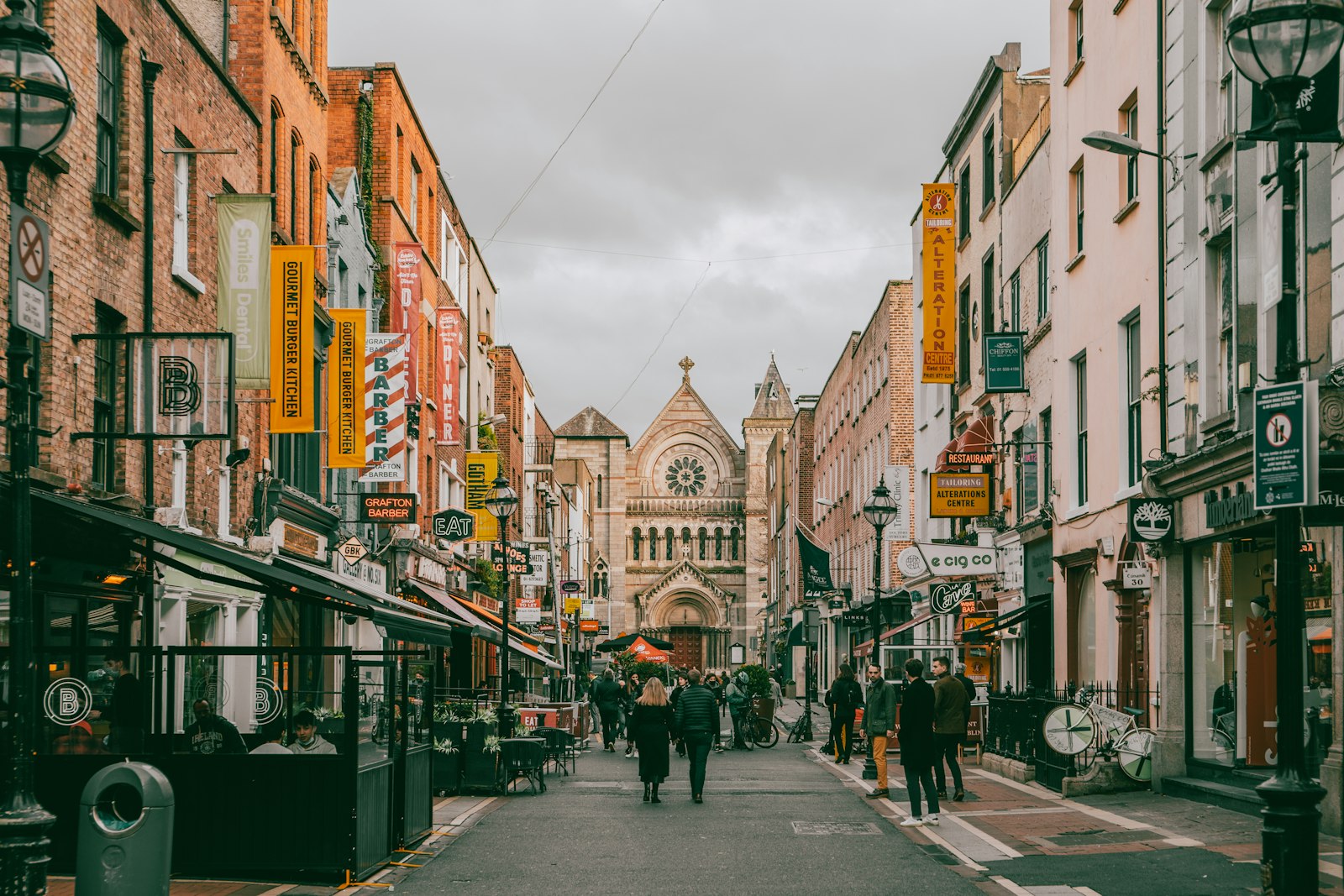
Photo by Alexandra Mitache on Unsplash
Ireland offers compelling opportunities for entrepreneurs. The government actively supports startups through grants, mentoring, and favorable tax treatment. The business ecosystem is mature in major cities, with access to capital, talent, and established networks. For Americans entrepreneurial at heart, Ireland provides a path to building something from the ground up while embracing Irish life.
This guide explains Irish business structures, registration processes, funding options, and practical steps for launching your Irish venture.
Business Structure Options
Sole Trader (Self-Employed)
The simplest structure—you operate as an individual, responsible for all business obligations and liabilities.
Advantages: Minimal paperwork, low setup costs, simplicity.
Disadvantages: Personal liability (your personal assets are at risk if the business is sued), more complex tax reporting than employment, all risk falls on you.
Setup: Register as self-employed with Revenue, obtain a tax identification number, open a business bank account.
Best for: Service providers, consultants, freelancers with low liability risk.
Sole Trader Business Name (Trading Name)
Similar to sole trader but under a registered business name rather than your personal name.
Setup: Register your business name with the Companies Registration Office (CRO), approximately €40 one-time fee.
Advantages: Professional identity, name protection, minimal additional complexity beyond sole trader.
Disadvantages: Still personally liable, not significantly different from sole trader in structure.
Limited Company
A separate legal entity (the company) is distinct from you. The company has its own tax identity, bank account, and liability.
Advantages: Limited liability (personal assets are protected if the company is sued or fails), professional structure, potentially better for raising capital.
Disadvantages: More complex administration, tax reporting, annual filing requirements, higher setup costs (€100-€300 initially, ongoing compliance costs €500-€1,500+ annually).
Setup: Register with the Companies Registration Office, appoint directors, issue shares, create company bylaws (memorandum and articles of association).
Best for: Businesses with significant liability risk, ventures planning to raise capital, consultants with higher income.
Partnership
Two or more people operate a business together.
Advantages: Shared responsibility, combined resources, simpler than company structure.
Disadvantages: All partners are personally liable, disputes are possible, complexity with multiple owners.
Setup: Register partnership with Revenue; limited legal structure compared to companies.
Best for: Complementary skill partnerships, co-founded businesses.
Cooperative
Members collectively own and control the business.
Advantages: Democratic structure, member benefit focus, potential grant eligibility.
Disadvantages: Complex governance, slower decision-making, less common structure.
Best for: Worker-owned businesses, community-focused ventures.
Registration and Legal Setup
Companies Registration Office (CRO)
Register your business structure with the CRO through their online portal:
- Create an account on CRO website
- Choose your business structure (sole trader, limited company, etc.)
- Provide required information and documentation
- Pay registration fees (€40-€300 depending on structure)
- Receive confirmation and registration number
Processing typically takes 1-3 business days for online registration.
Tax Registration
Register for tax purposes with Revenue (Irish tax authority):
Business Bank Account
Open a dedicated business bank account with an Irish bank. Bring:
- Proof of business registration
- Proof of identity (passport)
- Proof of address
- Tax registration documentation
A business account costs €10-€30 monthly and provides transaction records valuable for tax reporting.
Professional Advisors
Hire an accountant and solicitor to guide setup, contracts, and compliance. Costs vary (€200-€500 for setup assistance), but proper foundation prevents future complications.
Funding Your Business
Personal Savings
Many Irish startups are self-funded. Having 6-12 months of living expenses saved provides runway while your business builds.
Advantage: No dilution of ownership or debt obligations. Disadvantage: Limited capital for growth.
Bank Loans
Irish banks provide business loans to established entrepreneurs with business plans and collateral.
Requirements: Business plan, personal financial statements, collateral (property or savings), and demonstrated business viability.
Amount: €5,000-€500,000 depending on collateral and business strength.
Interest rates: 4-8% depending on lender and risk profile.
Processing: 2-6 weeks from application to approval.
Banks are cautious with new businesses—if your business is less than 2 years old, many require personal guarantees.
Government Grants and Funding
Ireland’s government actively funds startups through:
Enterprise Ireland: Grants for export-focused businesses and businesses with growth potential. Grants range from €10,000-€100,000+ depending on program and business type.
Local Enterprise Offices (LEO): County-level support providing grants (€2,000-€50,000), mentoring, and business training.
Small Business Innovation Research (SBIR): Government funding for technology companies.
Competitive Research Funding Council (CRFC): Research grants for technology and innovation.
All require business plans, application processes, and approval timelines. Success rates are reasonable for solid proposals.
Venture Capital and Angel Investment
For technology startups with significant growth potential:
Angel investors: Wealthy individuals investing €25,000-€500,000 in early-stage businesses for equity stakes.
Venture capital firms: Fund companies seeking €500,000+ with strong teams and scalable ideas.
Dublin has a growing venture ecosystem with dozens of VC firms and angel networks.
Disadvantages: Significant equity dilution and investor involvement in company decisions.
Crowdfunding
Kickstarter and other crowdfunding platforms allow pre-selling products or services to validate demand and raise capital.
Platforms: Kickstarter, Indiegogo, Fundly for equity or product-based campaigns.
Success rates: 30-40% of campaigns reach their goal; successful campaigns raise €10,000-€500,000+.
Business Planning and Strategy
Developing Your Business Plan
A solid business plan includes:
A strong business plan is essential for securing funding and maintaining focus as your business grows.
Market Research
Validate your business idea before investing significantly:
Most failed businesses didn’t adequately validate their market fit.
Legal and Compliance Obligations
Employment Law
If hiring employees, comply with Irish employment law:
Employment disputes are common and costly. Establish clear contracts, keep documentation, and consult employment lawyers if issues arise.
Tax Obligations
Self-assessment: File annual tax returns documenting income and expenses. File by December 31 with accountant assistance.
VAT: If VAT-registered, file VAT returns quarterly or monthly, remitting collected VAT to Revenue.
PAYE: If employing staff, withhold income tax and social contributions, remitting to Revenue monthly.
Corporation tax: Limited companies pay corporation tax (typically 12.5% on trading income) annually.
Most accountants handle these obligations—invest in proper accounting support from day one.
Contracts and Terms of Service
Create contracts with clients and employees:
Templates exist online, but customized contracts drafted by solicitors provide better protection.
Support and Resources
Enterprise Ireland
Ireland’s government agency supporting businesses provides:
Visit Enterprise Ireland website to access programs matching your business stage and type.
Local Enterprise Offices (LEO)
County-level offices providing:
Every Irish county has a LEO; services are free or subsidized.
Startup Communities and Networks
Dublin Tech Community: Monthly meetups, conferences, networking events.
Irish Startup Association: Advocacy and networking for Irish entrepreneurs.
Business networking organizations (BNI, Rotary, Chamber of Commerce): Weekly meetups for business owners.
Coworking spaces: Dogpatch Labs, Fumbally Exchange, Collision provide office space and community.
These communities provide accountability, inspiration, and business connections.
Incubators and Accelerators
Collision (Dublin), Startup Grind, and other programs provide mentoring, funding, and investor connections for early-stage companies.
Accelerators typically last 3-4 months and culminate in a “demo day” pitching to investors.
Challenges for American Entrepreneurs
Visa and Work Status
If you’re on an employment visa, starting your own business may require visa changes or special authorization. Explore start-up visa options or consult with immigration specialists.
Cultural Differences
Irish business culture emphasizes relationships, trust, and networking over hard-sell approaches. Building genuine relationships with customers, suppliers, and other business owners is essential.
Market Size
Ireland’s population is 5 million. Your addressable market is significantly smaller than the US. Many successful Irish businesses have international expansion plans.
Regulatory Environment
Irish business regulations differ from the US (employment law, tax structure, data protection). Engage local professionals to ensure compliance.
Conclusion: Irish Entrepreneurship is Achievable
Starting a business in Ireland is genuinely viable for Americans. The government supports startups, the business environment is mature, and costs are reasonable.
Begin with a solid business plan, validate your market, secure initial funding, and build your team. Invest in professional advisors (accountant, solicitor) from day one. Connect with entrepreneurial communities for support and networking.
Your Irish business venture can transform your life and contribute meaningfully to Irish economic growth.
Welcome to Irish entrepreneurship.

Author: jonathan
Jonathan is the publisher of Irishtopia.net, Anglotopia.net, and Londontopia.net. He's passionate about travel and learning about other cultures. He's been to Ireland several times, and uses his travel expertise for Irishtopia!