
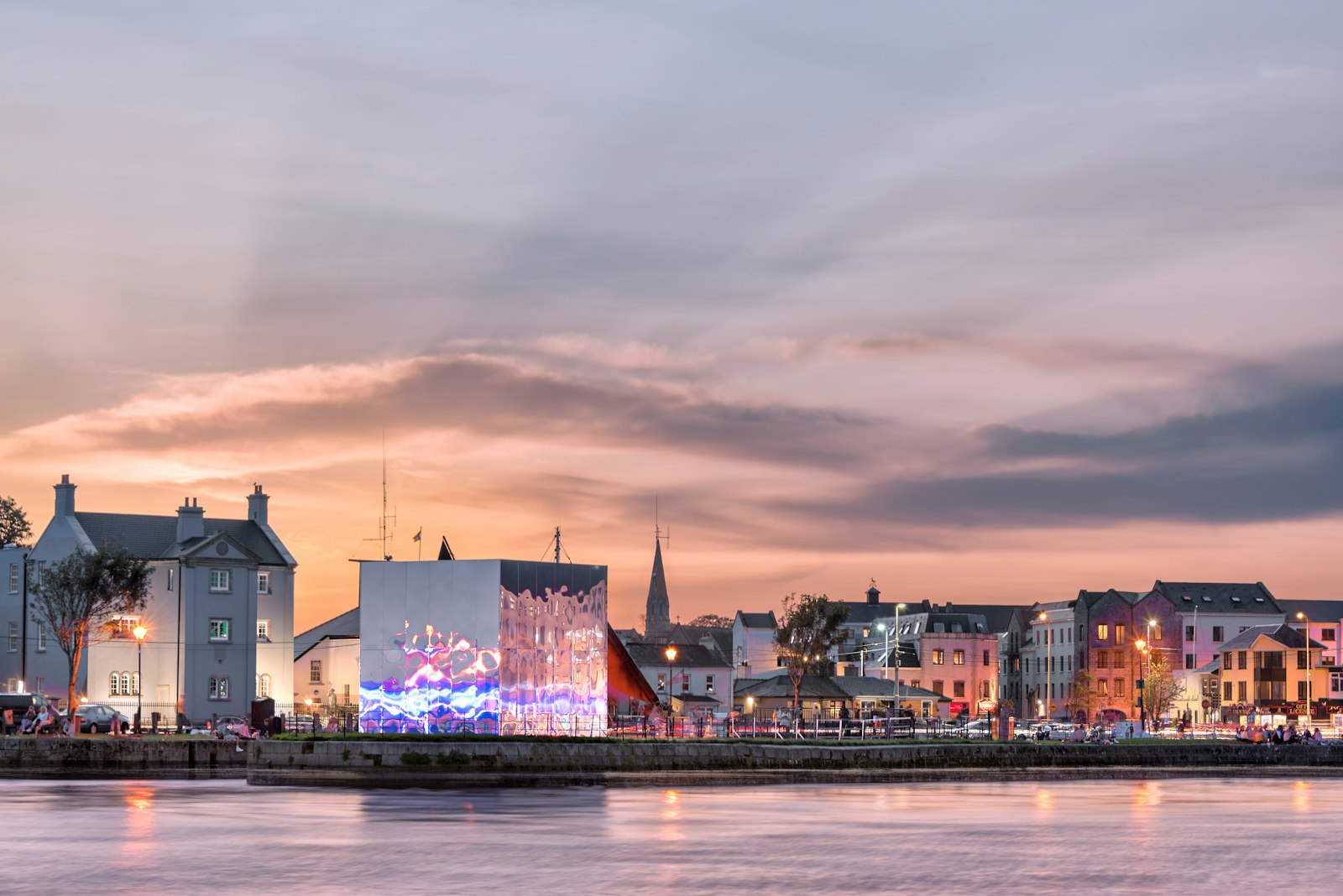
Photo by Daniel Zbroja on Unsplash
Among the most recognizable and beloved symbols of Irish heritage is the Claddagh ring, a distinctive piece of jewelry featuring a heart held by two hands, topped with a crown. For centuries, this ring has carried meaning far beyond its simple design: it’s a symbol of love, loyalty, and friendship, a way of communicating emotional and relational intentions, a connection to Irish tradition, and for many, a tangible link to Irish ancestry and heritage.
The Claddagh ring is particularly fascinating because it’s not ancient Celtic artifact but rather a relatively recent tradition—likely originating in the 17th century and evolving into its recognizable modern form in the 18th and 19th centuries. Yet it has become so central to Irish identity that many Americans assume it’s an ancient Celtic symbol. The ring’s journey from a specific Irish village tradition to an internationally recognized symbol of love and Irishness reveals much about how cultural traditions develop, spread, and gain meaning.
For Americans with Irish heritage, the Claddagh ring offers both romantic appeal and cultural significance. Many Irish-Americans wear or give Claddagh rings as ways of maintaining connection to their heritage. For those newly interested in Irish culture, the ring’s symbolism and history provide an entry point into understanding Irish values and traditions. Understanding the Claddagh ring means understanding how meaning is created and maintained in culture, how symbols gain power, and how tradition and modernity constantly interact.
The Origin: Claddagh Village and the Ring’s Beginning
The Claddagh ring is traditionally said to originate in the village of Claddagh, located on the west coast of Ireland near Galway Bay. Claddagh was a fishing village with a distinctive culture and strong sense of community identity. According to tradition, the ring was designed as a love token, a way for someone to express love, commitment, and the virtues of love, loyalty, and friendship.
The most famous origin story involves a man named Richard Joyce, allegedly a native of Claddagh who was captured by pirates or privateers, enslaved, and forced to work as a goldsmith for his captors. Years later, he was eventually released and returned to Ireland, where he crafted the Claddagh ring as a gift for his true love. The ring became a symbol of the constancy of his love during years of separation.
While this romantic origin story is widely told and believed, historians aren’t entirely certain of its accuracy. The story of Richard Joyce may be legendary or partially legendary. What’s clear is that by the 17th and 18th centuries, rings of this distinctive design were being made in Ireland and were associated with the Claddagh village and with Irish tradition, particularly among coastal and fishing communities.
What makes this origin story particularly interesting—whether literally true or not—is how it embodies the ring’s meaning. A man separated from his love, enslaved, working in captivity, yet maintaining his love and loyalty, creates a ring upon his return as a token of that unchanging devotion. The story puts into narrative form what the ring symbolizes: love that endures, loyalty that persists, the human capacity for constancy in the face of separation and difficulty.
The Design: Three Elements, Three Meanings
The Claddagh ring’s design is deceptively simple, with three distinct elements, each carrying symbolic meaning:
The heart in the center represents love. This is the most obvious element, immediately speaking to the ring’s primary association with love and emotional connection. The heart is universally recognized as a symbol of love across cultures, and in the Claddagh ring, it’s the focal point, what the hands are protecting and holding.
The two hands holding the heart represent friendship and loyalty. By showing hands grasping or cradling the heart, the ring expresses that love and the beloved are held with care, protected, valued. The hands also suggest partnership—two people coming together, supporting each other, committed to protecting what they share.
The crown topping the ring represents loyalty and sovereignty. A crown, in traditional symbolism, represents authority, power, and the highest good. In the context of the Claddagh ring, the crown represents that love is the highest good, that loyalty to the beloved is the highest authority one can follow. The crown also references the idea of the beloved as royalty, of love as something noble and worthy of honor.
Together, these three elements—heart, hands, crown—express a philosophy of love: love should be based on friendship and loyalty, should be guarded and protected, should be considered the highest good and most noble pursuit.
The ring itself, made of gold or silver, is a band without other ornamentation. This simplicity makes the three central design elements the focus. There’s nothing distracting from the core symbols; the entire meaning of the ring is contained in those three elements. The ring’s strength comes from its directness and clarity: this is what matters; this is what the ring expresses.
The Wearing: Decoding the Claddagh Ring’s Language
One of the most interesting aspects of the Claddagh ring is the tradition surrounding how it’s worn, a kind of symbolic language that communicates the wearer’s relational and emotional status. The position of the ring on different fingers and the direction the heart points carry different meanings:
If worn on the right ring finger with the heart pointing outward (away from the body), this traditionally indicates that the wearer is single and open to romance. The outward-pointing heart signals availability, an openness to love.
If worn on the right ring finger with the heart pointing inward (toward the body), this indicates that the wearer is in a relationship or “taken.” The inward-pointing heart suggests that one’s heart is already claimed or committed.
If worn on the left ring finger, traditionally the ring finger of the left hand (where wedding rings are worn in Western tradition), this indicates engagement or marriage. The left ring finger, being the traditional location for wedding rings, carries that significance.
This symbolic language of the ring’s position and direction is genuinely used in Ireland and in Irish-American communities. A Claddagh ring is not simply a piece of jewelry but a communicative device, a way of expressing relationship status without words. The ring’s position is not accidental but chosen to communicate. A woman receiving a Claddagh ring from a romantic partner would receive it with the heart pointing outward, then turn it when she’s ready to indicate that she’s claimed by that person.
This tradition is particularly charming because it predates modern dating customs and gives a poetic, tangible expression to the stages of romantic relationship. Rather than being ambiguous about “what we are” as couples often are in modern dating, the Claddagh ring provides clear, recognized markers that others can read and understand.
Cultural Context: The Ring in Irish Tradition
To understand why the Claddagh ring became so significant in Irish culture, one must understand the context of Irish society, particularly the ways in which Irish culture valued love, loyalty, and community bonds.
In Irish tradition, relationships—whether romantic, familial, or communal—were understood as sacred bonds, commitments that involved not just individuals but families and communities. The marriage wasn’t just two people joining but two families joining. Loyalty within families and communities was paramount. These cultural values meant that a symbol like the Claddagh ring, which emphasized love, loyalty, and friendship, resonated deeply.
The ring also fit into a tradition of Irish jewelry-making and craftsmanship. Ireland has a long history of distinctive jewelry design and metalwork, from ancient Celtic torcs and pins to medieval ecclesiastical jewelry. The Claddagh ring became part of this tradition, a distinctly Irish design that demonstrated craftsmanship and carried cultural meaning.
The ring was also particularly meaningful in a fishing community like Claddagh. These were people whose livelihoods depended on the sea, who faced constant danger, for whom separation and loss were real possibilities. A ring that expressed enduring love and loyalty in the face of separation would have held particular significance for people whose lives were shaped by separation and danger.
As the ring became more widespread, it became associated with Irish identity more broadly. Wearing a Claddagh ring came to express connection to Ireland and Irish heritage, even for those who didn’t live in Ireland or didn’t descend from the Claddagh village specifically.
Historical Development: From Local Tradition to Global Symbol
The Claddagh ring’s journey from a local Irish village tradition to an internationally recognized symbol is fascinating and involves multiple elements: migration, cultural pride, commercialization, and the ways that symbols gain wider significance.
In the 17th and 18th centuries, the ring was primarily known in and around Claddagh and Galway. It was worn by women in the fishing community, particularly as a sign of engagement or marriage. The ring was made by local jewelers, passed down through families, and had a specifically regional significance.
As Ireland modernized in the 19th century and particularly as Irish emigration increased dramatically during and after the Great Famine (1845-1852), the Claddagh ring traveled with Irish emigrants. Irish-American communities, seeking to maintain connection to their heritage, found in the Claddagh ring a tangible symbol of Irish identity that could be worn, gifted, and used to connect to ancestral traditions.
This diaspora was crucial in spreading the ring’s significance. What had been a regional tradition became a symbol of Irish heritage more broadly. Irish-Americans wearing or giving Claddagh rings were engaging in cultural preservation and identity affirmation, maintaining a piece of Irish tradition in their new home.
The 20th century saw increasing commercialization of the Claddagh ring. Jewelry companies began mass-producing it in various metals and price points, making it accessible to people who couldn’t afford hand-crafted pieces. The ring became available for purchase in jewelry stores, in tourist shops in Ireland, in gift catalogs. This commercialization made the ring more widely available but also somewhat removed it from its original context of personal, handcrafted meaning.
Despite commercialization, the ring retained and even increased in significance. The tradition of the ring’s directional meaning spread beyond Ireland and Ireland-connected communities to become more widely known. The ring became recognized as a symbol of Irish heritage, of love and loyalty, of connection to Ireland even for those far from the island.
Modern Wearing: Claddagh Rings Today
In contemporary times, the Claddagh ring serves multiple purposes and carries multiple meanings simultaneously:
For cultural heritage, wearing a Claddagh ring expresses connection to Irish identity and heritage. For Irish-Americans and those with Irish ancestry, the ring is a way of maintaining cultural identity and connecting to ancestral traditions. This usage is common and valued, particularly among younger generations reclaiming or reconnecting to Irish heritage.
For romantic expression, the ring continues to be given and worn as an expression of love and commitment. The traditional symbolism of love, loyalty, and friendship makes it particularly meaningful as an engagement or commitment ring. Some couples use a Claddagh ring as an engagement ring instead of the more common diamond ring, choosing the ring’s cultural significance and meaningful design over the convention of the diamond.
For casual jewelry, many people simply wear Claddagh rings because they like the design. The ring is aesthetically appealing, distinctive, and carries no obligation to follow the traditional directional meanings. Many people wear them as casual jewelry without necessarily being aware of or following the tradition’s symbolic meanings.
For spiritual or pagan practice, some people draw on the ring’s three-element design (heart, hands, crown) and integrate it into spiritual meaning-making. The ring can be understood as carrying the elements of love, friendship, and loyalty in their spiritual dimensions, or as connecting to Irish pagan or Celtic spirituality.
In Ireland itself, the ring remains a significant part of Irish culture and identity. Claddagh rings are sold in jewelry stores throughout Ireland and are given as gifts, kept as family heirlooms, and worn as expressions of Irish identity. Tourism to Ireland includes visits to Claddagh village, and Claddagh rings are part of tourist shopping and cultural engagement.
Variations and Modern Designs
While the traditional Claddagh ring design remains consistent, modern jewelry makers have created numerous variations:
Some rings feature gemstones set in the heart, adding color and value. These might be diamonds, rubies (particularly meaningful for emphasizing the passion of love), or other stones chosen for personal significance.
Some Claddagh-inspired designs integrate the elements into necklaces, bracelets, or other jewelry forms, allowing the symbolism to be worn in different ways.
Contemporary designers have created modern variations that maintain the basic elements (heart, hands, crown) while using different materials, different styles, or different interpretations of the design.
Some variations are specifically for same-sex couples or non-traditional relationships, recognizing that love, loyalty, and friendship exist in all types of relationships and deserve the same symbolic recognition.
These variations show how traditional symbols can evolve and adapt to contemporary contexts while maintaining their essential meaning. The core symbolism of the Claddagh ring—that love should be based on friendship and loyalty, should be valued and protected—remains relevant and meaningful across different contexts and relationships.
The Ring in Popular Culture and Media
The Claddagh ring has appeared in numerous films, television shows, and books, often used as a shorthand for Irish identity or romantic tradition. This media presence has both popularized the ring and sometimes trivialized it or perpetuated inaccurate understandings of its meaning and history.
The ring features prominently in works set in Ireland or featuring Irish characters. Its presence signals Irish heritage to audiences and carries romantic or cultural significance within narratives. Sometimes this usage is accurate and meaningful; sometimes it’s superficial or inaccurate.
In popular culture, the ring is often associated with the phrase “love, loyalty, friendship,” which captures the core meaning. However, some pop culture uses of the ring are inaccurate or miss the depth of the tradition’s meaning.
Conclusion: A Symbol’s Power
The Claddagh ring’s story—from a 17th-century origin in a small Irish fishing village to an internationally recognized symbol of love and Irish heritage—reveals something about how symbols gain power and meaning. A symbol isn’t inherently meaningful; meaning comes from use, from cultural transmission, from the stories people tell about it, from the feelings people invest in it.
The Claddagh ring’s power comes from multiple sources: its elegant design, its meaningful symbolism, its connection to Irish heritage, its use in expressing love and commitment, its role in maintaining cultural identity among diaspora communities, and the deep emotional significance people invest in it.
Whether you wear a Claddagh ring as an expression of love, as a connection to Irish heritage, as a piece of jewelry you find beautiful, or as an expression of spiritual meaning, you’re participating in a tradition that stretches back centuries and connects you to countless people who have worn the ring with intention and meaning.
The ring’s three elements—heart, hands, crown—expressing love, loyalty, and friendship remain as relevant today as when the first rings were crafted. These qualities matter. They deserve the honor of being worn, remembered, and passed down. In choosing to wear a Claddagh ring, you’re choosing to align yourself with these values and to connect yourself to the tradition of people who have done the same.

Author: jonathan
Jonathan is the publisher of Irishtopia.net, Anglotopia.net, and Londontopia.net. He's passionate about travel and learning about other cultures. He's been to Ireland several times, and uses his travel expertise for Irishtopia!