
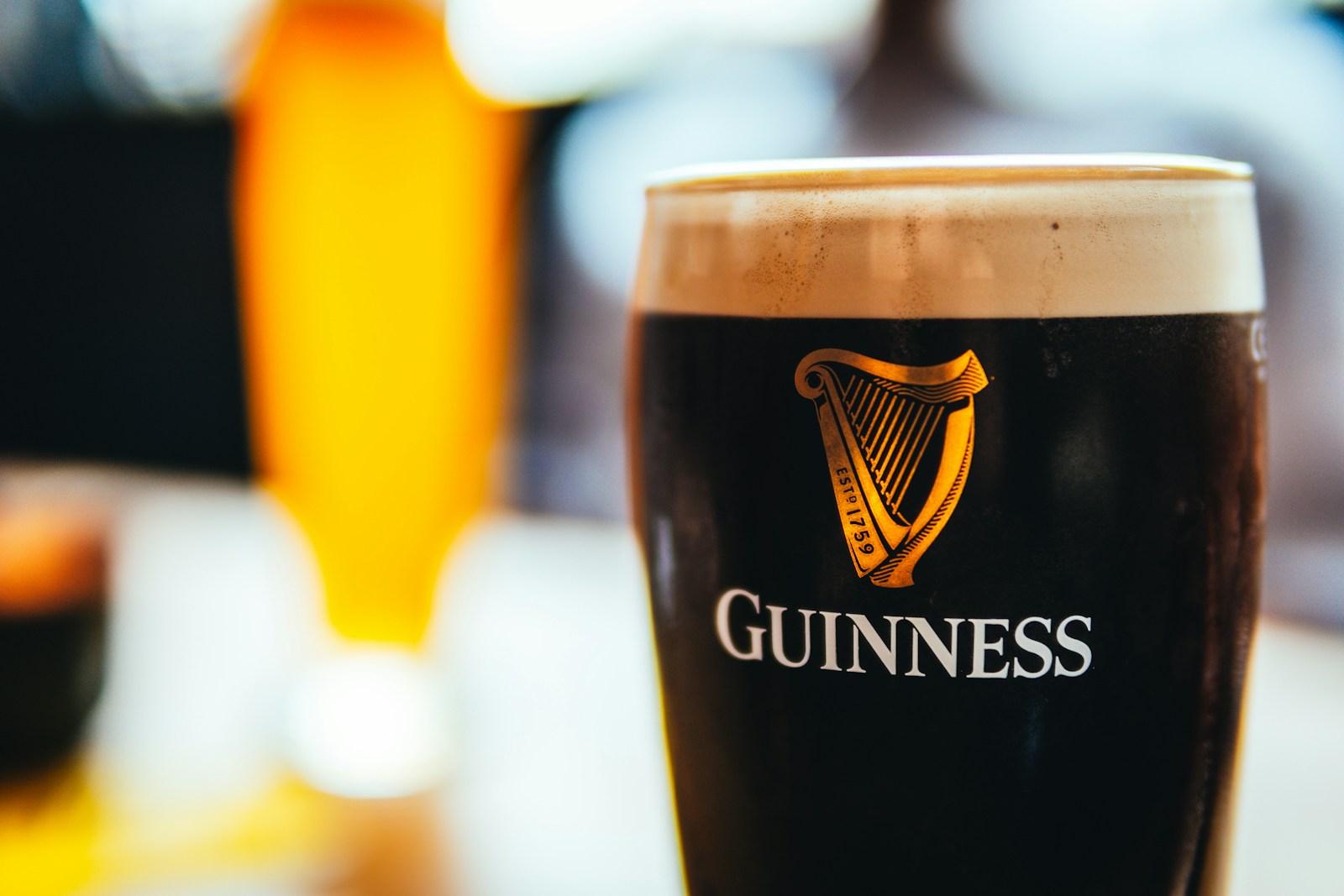
Drinking plays an undeniable role in Irish Christmas celebrations, from the traditional Christmas toast to the famous 12 Pubs of Christmas pub crawl. Understanding Irish Christmas drinking traditions requires recognizing both the genuine cultural importance of alcohol in Irish social life and the evolution of these traditions from early Irish drinking customs through prohibition-era poitín to modern pub culture. This is a story of tradition, community, celebration, and the particularly Irish relationship with drink that shapes how Ireland celebrates Christmas.
Historical Context: Drink in Irish Culture
To understand Christmas drinking traditions, we must first understand alcohol’s broader role in Irish culture and history.
Ancient Ireland: Pre-Christian Ireland had sophisticated brewing and fermentation traditions. Ale and mead were common drinks, and alcohol played important roles in religious rituals, celebrations, and social bonding. The arrival of Christianity didn’t diminish these traditions; Irish monasteries became renowned for their brewing.
Social Lubrication: In Irish culture, drinking has long served as social facilitator. The pub (and before that, the public house or sheebeen) served as community center where news was shared, business conducted, and relationships maintained. Drinking wasn’t primarily about intoxication but about the social experiences surrounding it.
Economic Importance: The drinks industry – brewing, distilling, and pub-keeping – has been economically crucial to Ireland for centuries. Guinness alone became one of Ireland’s most important employers and exports.
Complicated Relationship: Ireland’s relationship with alcohol is complex, combining genuine cultural importance with real problems of alcohol abuse and addiction. This complexity extends into Christmas drinking traditions, which can range from celebratory and moderate to problematic.
Traditional Irish Christmas Drinks
Several drinks are specifically associated with Irish Christmas traditions, each with its own history and significance.
Poitín (Poteen): This traditional Irish moonshine, made from potatoes, grain, or sugar, occupies a special place in Irish drinking history.
Poitín has been distilled in Ireland for centuries, often illegally. From 1661 to 1997, home distillation was prohibited in Ireland, but production continued secretly, particularly in remote rural areas. The prohibition made poitín simultaneously dangerous (quality varied wildly) and romantic (representing resistance to authority).
At Christmas, particularly in earlier generations, poitín often appeared at family gatherings. Despite its illegal status, offering guests homemade poitín demonstrated hospitality and trust. The strength of poitín (typically 60-90% alcohol) meant small amounts sufficed, and it was often used in cooking and preserving as well as drinking.
Since 1997, licensed poitín production has resumed, with several commercial brands now available. While these lack the outlaw romance of illegal poitín, they’re considerably safer and more consistent in quality.
Irish Whiskey: Ireland has a long whiskey distilling tradition, with Irish whiskey once dominating the global market before prohibition and other factors reduced it to near extinction by the mid-20th century.
Traditional Irish Christmas featured whiskey prominently:
- Added to Christmas pudding and Christmas cake
- Used in hot whiskeys (whiskey, hot water, lemon, honey, cloves)
- Drunk neat or with water as toasts and celebrations
- Given as Christmas gifts
- Used in cooking and baking
Irish whiskey’s smooth, accessible flavor (compared to Scotch whisky) made it particularly suited to Christmas celebrations, drinkable by those who might not regularly drink spirits.
Guinness and Stout: While Guinness has become synonymous with Ireland globally, its specific association with Christmas reflects both its cultural importance and practical considerations.
Guinness at Christmas served multiple purposes:
- The standard drink in Irish pubs throughout the Christmas season
- Added to Christmas pudding and porter cake
- Drunk by men after Christmas dinner while women might have sherry
- Part of the ritual of St. Stephen’s Day pub visits
- A symbol of being home in Ireland for emigrants returning for Christmas
The ritual of properly pouring and drinking Guinness – the two-part pour, the waiting, the specific glass, the creamy head – made it particularly suited to Christmas’s emphasis on tradition and ritual.
Irish Cream Liqueur: Bailey’s Irish Cream, invented in 1974, quickly became associated with Irish Christmas despite its recent origins.
Irish cream liqueur’s sweet, accessible flavor made it popular with people who might not regularly drink alcohol. It became particularly associated with:
- Women’s Christmas gatherings
- Offering to female guests
- Adding to coffee or hot chocolate
- Christmas gift-giving
- Drinking while watching television on Christmas night
The fact that Bailey’s is Irish-made and internationally recognized added to its appeal as a Christmas drink representing Irish identity.
Sherry: Though not Irish in origin, sherry became a standard Irish Christmas drink, particularly for women and at Christmas dinner.
Traditional Irish Christmas dinner protocol often included:
- Sherry before dinner
- Wine or beer with dinner (increasingly)
- Port after dinner
- Whiskey or brandy with Christmas pudding
Sherry’s association with Christmas likely came from British influence, but it became thoroughly integrated into Irish Christmas traditions.
Hot Whiskey: This traditional Irish winter drink becomes particularly popular at Christmas.
A proper Irish hot whiskey contains:
- Irish whiskey
- Hot water
- Honey or sugar
- Lemon slice with cloves stuck in it
- Sometimes a cinnamon stick
Hot whiskeys are drunk:
- After coming in from the cold
- Before bed on Christmas Eve
- As a supposed cold remedy
- Throughout the Christmas season in pubs
- As a warming drink during winter weather
The preparation ritual and the warming effect make hot whiskeys particularly suited to Christmas atmosphere.
Christmas Eve Drinking
Christmas Eve has specific drinking traditions that differ from Christmas Day itself.
The Last Pint Before Midnight Mass: Traditionally, many Irish people (particularly men) would have “a pint or two” at the pub before attending Midnight Mass. This created a distinctly Irish combination of sacred and profane, with tipsy worshippers filing into church at midnight.
This tradition has diminished significantly due to:
- Drink-driving laws and enforcement
- Declining Midnight Mass attendance
- Changed attitudes about drinking before religious services
- Early Christmas Eve pub closures in many areas
However, it persists in some communities, though usually more modestly than in earlier generations.
Christmas Eve at Home: Many families maintain Christmas Eve drinking traditions at home:
- A glass of something special while preparing last-minute items
- Drinks while waiting for children to sleep
- A nightcap before bed
- Whiskey or brandy added to Christmas pudding preparation
These home drinking traditions tend to be moderate and ceremonial rather than excessive.
Late License: Irish pubs traditionally had special late licenses for Christmas Eve, allowing them to stay open later than usual. The atmosphere of Christmas Eve in Irish pubs – festive, crowded, full of people seeing friends before Christmas – made these extended hours particularly popular.
Christmas Day Drinking
Christmas Day drinking follows its own patterns, generally more moderate and family-centered than other drinking occasions.
The Christmas Morning Drink: Some Irish families maintain a tradition of a morning drink on Christmas Day:
- Sherry or Irish cream with Christmas breakfast
- Champagne or prosecco when opening gifts
- Irish coffee mid-morning
This morning drinking is typically modest and ceremonial rather than sustained.
With Christmas Dinner: Christmas dinner increasingly includes wine in modern Irish families, though traditional families might prefer:
- Guinness or ale with dinner
- Sherry before dinner
- Port after dinner
- Nothing (some families prefer no alcohol with Christmas dinner)
The choice often reflects family tradition and generational patterns.
Christmas Day Afternoon and Evening: After Christmas dinner, drinking becomes more social and relaxed:
- Whiskey or brandy with Christmas pudding
- Drinks while visiting neighbors or receiving visitors
- Beer or wine while playing games or watching television
- Irish coffee or hot whiskey as evening drinks
This afternoon/evening drinking remains social rather than heavy, focused on family time and relaxation.
St. Stephen’s Day and the 12 Pubs
St. Stephen’s Day (December 26th) brings its own drinking traditions, often more robust than Christmas Day itself.
The Traditional St. Stephen’s Day Outing: Traditionally, St. Stephen’s Day meant men going out to pubs, giving women a break at home. This gendered division has largely disappeared, but St. Stephen’s Day remains a major pub day in Ireland.
Factors making St. Stephen’s Day significant for drinking:
- Relief after Christmas Day intensity
- Pubs closed on Christmas Day (historically), making St. Stephen’s Day the first drinking opportunity
- Wren Boys traditions involving pub visits
- Meeting friends home for Christmas
- Recovery from Christmas Day family intensity
The 12 Pubs of Christmas: This modern Irish tradition has become enormously popular, particularly among younger Irish people.
The basic concept involves visiting twelve different pubs in one night, having a drink at each, often with specific rules or challenges at each location. Variants include:
- The 12 Days of Christmas (spread across twelve days)
- Themed drinks at each pub
- Christmas jumpers or fancy dress
- Organized groups with planned routes
The 12 Pubs phenomenon represents modern Irish drinking culture’s social and organized nature. While criticized by some as excessive drinking, participants often emphasize the social and festive aspects rather than heavy drinking.
Origins: The exact origins are unclear, but the tradition emerged in Ireland in the 1990s or early 2000s, spreading through social networks and eventually becoming an organized phenomenon with t-shirts, planned routes, and commercial involvement.
Horse Racing: St. Stephen’s Day racing at Leopardstown and other Irish tracks combines the traditional Christmas holiday with drinking, betting, and socializing. For many Irish people, attending races on St. Stephen’s Day represents an essential Christmas tradition, with pub visits before and after.
New Year’s Drinking Traditions
New Year’s Eve brings its own drinking traditions, often more focused on celebration and parties than Christmas Day’s family-centered drinking.
First Footing: The tradition of the “first footer” (the first person to enter a house after midnight) often involved the first footer bringing symbolic gifts including alcohol – typically whiskey or other spirits.
New Year’s Eve Parties: Irish New Year’s Eve parties range from quiet family gatherings to major pub and nightclub celebrations. Drinking levels typically exceed Christmas Day, reflecting New Year’s Eve’s party atmosphere.
New Year’s Day Recovery: January 1st often involves recovery, though some Irish people maintain a tradition of a “hair of the dog” – a drink to help recover from New Year’s Eve excess.
Women’s Christmas (January 6th)
Women’s Christmas or Little Christmas brought its own drinking traditions, specifically oriented toward women gathering while men took over at home.
Traditional Women’s Christmas drinking:
- Initially modest – tea primarily, perhaps sherry
- Evolved to include wine, spirits, cocktails
- Modern celebrations often more robust
- Pubs and restaurants offering Women’s Christmas specials
The evolution of Women’s Christmas drinking reflects changing social attitudes about women and alcohol, from earlier restrictions to modern equality.
Pub Culture and Christmas
Irish pub culture shapes Christmas drinking traditions in specific ways.
The Local: The concept of the “local” – one’s regular pub where one is known – creates specific Christmas pub traditions. Seeing friends and neighbors at the local, being greeted by familiar bar staff, maintaining long-standing Christmas Eve or St. Stephen’s Day pub traditions – these reflect the pub’s role as community center.
Rounds: The Irish tradition of buying rounds (each person taking turns buying drinks for the group) operates at Christmas with particular significance. Christmas generosity extends to standing rounds, and refusing to participate violates social norms.
The Chat: Christmas pub drinking emphasizes conversation and socializing over heavy drinking. The ability to “have a few pints and a chat” represents the ideal Christmas pub experience.
Music Sessions: Traditional music sessions in Irish pubs intensify at Christmas, with drinking and music intertwining to create specifically Irish celebrations.
Temperance and Moderation
Not all Irish Christmas drinking traditions involve alcohol consumption. Ireland has strong temperance traditions worth acknowledging.
Pioneer Total Abstinence Association: This Catholic organization promoted complete abstinence from alcohol. Many Irish people took the “Pioneer Pin,” pledging to abstain from alcohol. Christmas for Pioneer families involved no alcohol, with alternative drinks and social patterns replacing pub culture.
Moderation Movements: Various movements promoted moderation rather than total abstinence, encouraging responsible drinking during Christmas when excess might tempt.
Contemporary Awareness: Modern Ireland shows increased awareness of alcohol problems and promotion of responsible drinking. Christmas campaigns encourage:
- Designated drivers
- Moderation
- Awareness of alcohol’s health impacts
- Non-alcoholic alternatives at celebrations
Non-Alcoholic Alternatives
Irish Christmas increasingly includes quality non-alcoholic alternatives reflecting changing social attitudes and increased awareness of alcohol issues.
Traditional Non-Alcoholic Drinks:
- Tea (ubiquitous and essential)
- Cordials (particularly red lemonade, uniquely Irish)
- Minerals (Irish term for soft drinks)
Modern Alternatives:
- Non-alcoholic spirits and beers
- Sophisticated mocktails
- Quality soft drinks
- Sparkling water and flavored waters
The availability of good non-alcoholic alternatives makes Irish Christmas more inclusive for those who don’t drink.
Regional Variations
Irish Christmas drinking shows some regional variation:
Urban vs. Rural: Urban Christmas drinking often centers on organized pub crawls and larger gatherings. Rural Christmas drinking emphasizes local pubs and community connections.
Regional Drinks: Some regions favor particular drinks (Murphy’s or Beamish in Cork rather than Guinness) or have specific drinking traditions.
Class Differences: Historical class differences in Irish drinking (working class pubs, middle class wine drinking, upper class formal drinking) have largely diminished, though some patterns persist.
The Balance
Irish Christmas drinking represents a complex balance:
Cultural Tradition: Drinking is genuinely part of Irish cultural tradition, particularly around celebrations like Christmas.
Social Bonding: Much Irish Christmas drinking is social rather than purely about alcohol – it’s the context for conversation, music, and community connection.
Potential Problems: Ireland’s high alcohol consumption rates and problems with alcohol abuse affect Christmas, with some families experiencing problems during the supposedly festive season.
Evolution: Irish Christmas drinking continues evolving, with increased awareness of alcohol issues, better alternatives for non-drinkers, and more moderate drinking patterns among younger generations.
Conclusion
Irish Christmas drinking traditions reflect Ireland’s complex relationship with alcohol – simultaneously cultural tradition, social practice, economic factor, and social problem. From traditional poitín to modern 12 Pubs of Christmas pub crawls, from hot whiskeys to Irish cream liqueur, the drinks and drinking contexts of Irish Christmas reveal much about Irish culture, social patterns, and evolution.
Understanding these traditions requires avoiding both romanticization (treating Irish drinking as purely charming tradition) and condemnation (ignoring the genuine cultural significance of moderate, social drinking in Irish life). Irish Christmas drinking operates at its best when it facilitates social connection, celebration, and community bonding while remaining moderate and inclusive of those who don’t drink.
For Irish families, Christmas drinking traditions – whether a hot whiskey on Christmas Eve, a toast at Christmas dinner, St. Stephen’s Day pints with friends, or Women’s Christmas wine with the girls – form part of the Christmas experience, connecting them to Irish culture and community. For visitors to Ireland at Christmas, understanding these drinking traditions offers insight into Irish social patterns, pub culture, and the role of alcohol in Irish celebration.
As Irish society continues evolving, Christmas drinking traditions will undoubtedly continue changing, ideally maintaining the positive social aspects while addressing problematic elements, creating Irish Christmas celebrations that balance tradition, community, celebration, and wellbeing.

Author: jonathan
Jonathan is the publisher of Irishtopia.net, Anglotopia.net, and Londontopia.net. He's passionate about travel and learning about other cultures. He's been to Ireland several times, and uses his travel expertise for Irishtopia!