
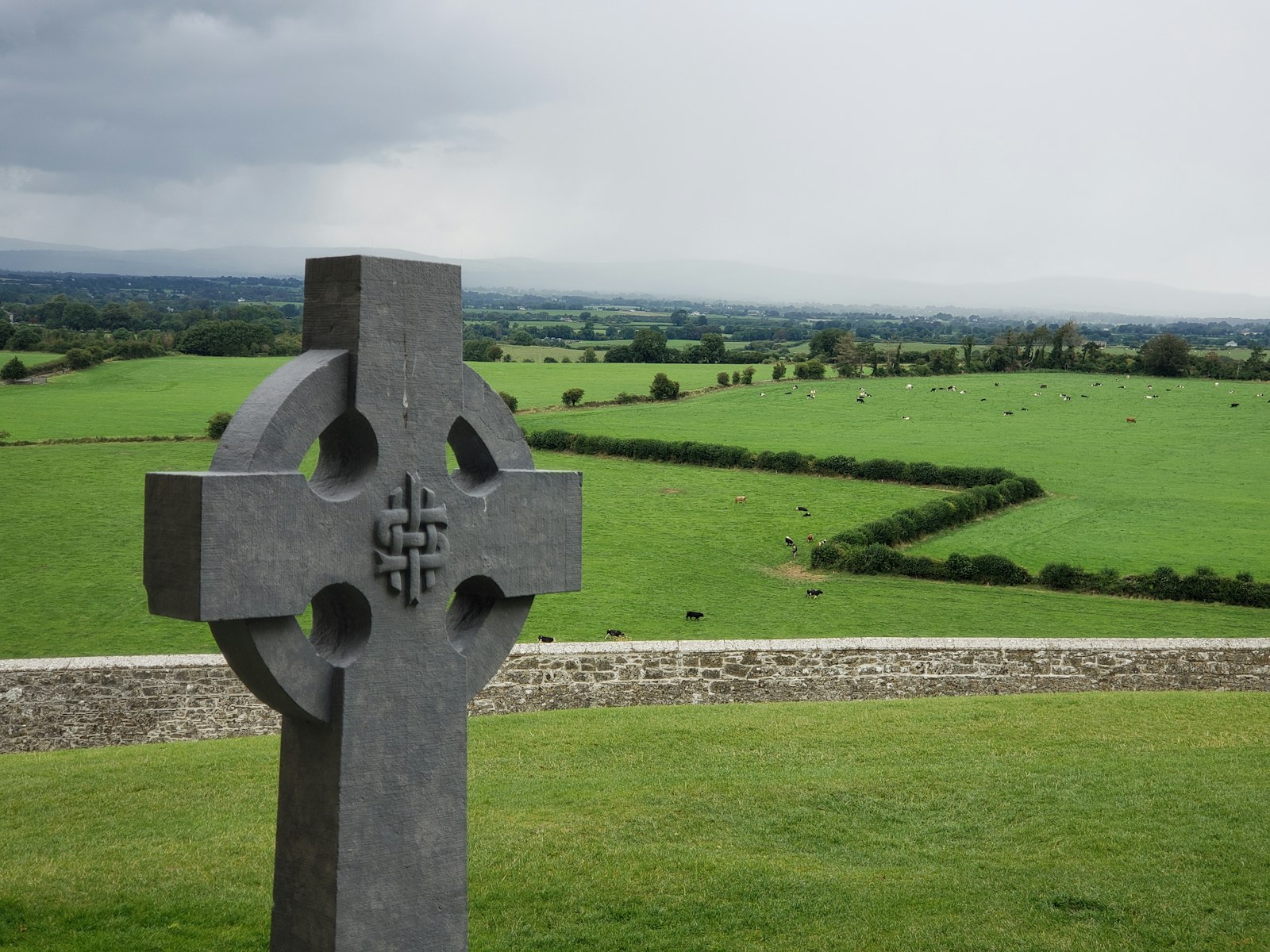
Photo by Jeff Lundberg on Unsplash
Introduction
In June 1922, less than six months after the treaty that gave most of Ireland independence, the Irish Free State was consumed by civil war. Former comrades who had fought together against British rule now fought against each other. Fathers fought sons. Brothers fought brothers. The war that had been waged against British rule was replaced by a war waged between different visions of what Irish independence should mean.
The Irish Civil War represents one of history’s tragic ironies—that the enemy that unified a diverse nationalist movement (British rule) could be removed, yet that removal would unleash the conflicts about what form independence should take. The civil war was deadlier than the war of independence that preceded it. It killed thousands, traumatized Irish society, and left scars that would persist for generations.
For Americans, the Irish Civil War is a less celebrated chapter of Irish history than the independence struggle. Yet it’s crucial to understanding modern Ireland. The civil war created divisions in Irish society that shaped politics for decades. It determined what kind of state Ireland would become. And it demonstrated how nationalist movements could fragment once the unifying struggle against an external enemy was removed.
The Treaty and the Division
The Irish Civil War resulted from the Treaty of 1921, negotiated between Irish and British representatives. The treaty gave Ireland dominion status—self-government with control over domestic affairs, but not full independence from the British Commonwealth. Northern Ireland was excluded and remained in the United Kingdom.
For Michael Collins and other treaty negotiators, the treaty was a pragmatic achievement. They believed (probably correctly) that this was the maximum that could be extracted from the British at that moment. A treaty that gave Ireland practical independence and self-government, even if not complete independence, was better than continued war against a militarily superior enemy.
But for many Irish republicans, the treaty was a betrayal. They had fought for a 32-county independent republic, not a 26-county dominion in the British Commonwealth. To them, accepting the treaty meant accepting that the sacrifice of those who died in the war of independence had been wasted, that independence had not truly been achieved.
The split over the treaty was deep and personal. Eamon de Valera, the president of the Dáil Éireann, opposed the treaty and resigned rather than accept it. The Dáil voted to accept the treaty by a narrow margin (64-57). This narrow vote revealed how divided Irish opinion was.
The Political and Military Divide
The treaty split Irish nationalism into two camps. The pro-treaty side included Michael Collins, Richard Mulcahy, and others who believed accepting the treaty was the pragmatic path forward. They accepted dominion status as a stepping stone toward eventual full independence.
The anti-treaty side included Eamon de Valera, Cathal Brugha, and others who rejected the treaty as insufficient. They believed that accepting the treaty betrayed the republican cause and the sacrifice of those who had fought for independence.
This wasn’t simply a political division. It corresponded to a military division. The Irish rebel forces (the IRA) split into two armies—the National Army of the Irish Free State (pro-treaty) and the irregular forces (anti-treaty). The National Army was the official military force of the new Irish Free State. The irregular forces were the rebels who rejected the treaty and the new state.
The Outbreak of War
The civil war began when anti-treaty irregulars occupied the Four Courts in Dublin in April 1922, using it as a headquarters and symbol of their rejection of the Free State. Michael Collins, now commander-in-chief of the National Army, ordered the building to be assaulted.
The assault on the Four Courts was the opening military action of the civil war. National Army forces bombarded the building and eventually forced the irregulars to surrender. But the incident demonstrated that the two sides were now enemies, prepared to use military force against each other.
From June 1922 through May 1923, Ireland was consumed by civil war. The conflict was brutal and chaotic. The National Army had the advantage of official government recognition and British support. The irregulars had the advantage of popular support in many areas and knowledge of guerrilla warfare.
The war followed familiar patterns from the war of independence—ambushes, flying columns, assassinations, and reprisals. But now the violence was directed at fellow Irish people rather than at an external occupier.
The Brutal Campaign
The civil war became increasingly brutal as it progressed. Both sides engaged in executions of prisoners. The National Army systematically executed anti-treaty fighters who were captured, using executions as a terror tactic to suppress the rebellion.
The anti-treaty irregulars engaged in violence against National Army forces and against civilians perceived as supporting the Free State. They destroyed property, conducted ambushes, and attempted to disrupt the new state.
The civilian population suffered. They were caught between two sides. Villages were destroyed. People suspected of supporting the wrong side faced violence. The social fabric of Irish communities was torn apart by the conflict.
One particularly tragic aspect of the civil war was that it turned comrades into enemies. Men who had fought together against the British in the war of independence now tried to kill each other in the civil war. Some formations were divided—officers and troops split according to their position on the treaty.
Michael Collins’s Leadership and Death
Michael Collins emerged as the military leader of the Free State forces. The same strategic genius that had organized the guerrilla war against the British was now directed against the irregulars. Collins understood that the National Army had to win decisively to establish the authority of the new state.
Collins pursued an aggressive military campaign against the irregulars. He used intelligence networks (similar to those he had created during the war of independence) to track down irregular leaders and soldiers. He deployed National Army forces strategically to control key areas and suppress irregular activity.
Collins’s strategic vision was to crush the irregular rebellion and establish the state’s authority so firmly that no challenge to it would be possible. To that end, he was ruthless. National Army soldiers executed irregular fighters regularly. Collins authorized these executions as part of the campaign to suppress the rebellion.
However, Collins himself did not survive the civil war. On August 22, 1922, during a tour of inspection in Cork, Collins was ambushed and killed. He was 31 years old. Collins’s death was a devastating blow to the National Army leadership. The man who had orchestrated victory in the war of independence was now dead, killed by fellow Irish republicans.
Collins’s death was symbolic of the tragedy of the civil war—the transformation of the hero of the independence struggle into a casualty of the independence conflict. His death also robbed the Free State of one of its most capable leaders at a crucial moment.
The Course of the War
After Collins’s death, the civil war continued but shifted in nature. The National Army, under new leadership, continued to pursue the irregulars aggressively. The irregulars, lacking unified leadership and coordination, gradually lost the ability to conduct large-scale operations.
By early 1923, the National Army controlled most of the country. The irregulars, fragmented and weakened, could no longer mount effective resistance. In May 1923, the irregular leadership ordered a cease-fire and end to the fighting.
The war had lasted about a year. It had killed more people than the war of independence. Estimates vary, but approximately 4,000 people died in the civil war (compared to 2,000-4,000 in the war of independence). Many more were wounded, imprisoned, or traumatized.
The Aftermath: Revenge and Reconciliation Problems
The end of the civil war didn’t bring peace or reconciliation. The National Army remained suspicious of the irregulars and their supporters. Mass imprisonment of irregular fighters and sympathizers occurred. Conditions in prisons were harsh.
More significantly, the bitterness created by the civil war persisted. People who had fought on opposite sides in the civil war struggled to coexist. Communities that had been divided by the conflict remained divided. The scars ran deep.
Reconciliation between the pro-treaty and anti-treaty sides was slow and incomplete. Unlike the war of independence, which all sides could view as a triumph (even as they disagreed about its outcome), the civil war was seen as a tragedy by many. The war had pitted Irish against Irish and had resulted in deaths of people on both sides.
The Political Legacy
The civil war shaped Irish politics for decades. The pro-treaty side evolved into what became the Fine Gael political party. The anti-treaty side evolved into Fianna Fáil under Eamon de Valera.
De Valera, who had opposed the treaty and supported the irregular side in the civil war, eventually came to accept the Free State. In 1926, he founded Fianna Fáil as a political party and began competing in elections. By 1932, Fianna Fáil won elections and de Valera became Prime Minister.
The political division created by the treaty and civil war persisted into modern times. Even today, the descendants of the pro-treaty and anti-treaty forces (Fine Gael and Fianna Fáil) remain the two major political parties in Ireland, though the original issues dividing them have faded into history.
The Execution Question
One particularly controversial aspect of the civil war was the National Army’s use of execution as a terror tactic. The National Army executed hundreds of irregular fighters who were captured. These executions were often conducted quickly, without proper trials, as part of a deliberate policy to suppress the rebellion.
The executions created lasting resentment. The families of those executed—who often viewed them as patriots fighting for Irish independence—saw the National Army as brutal and illegitimate. For them, the civil war was not a legitimate suppression of rebellion but a betrayal of those who had fought for independence.
The question of whether the executions were justified remains controversial. From a military perspective, they were a harsh but effective tactic for suppressing rebellion. From a moral perspective, they represented a betrayal of the ideals of those who had fought for independence—that Irish people should not be killed by Irish hands in the pursuit of political goals.
De Valera and Reconciliation
Eamon de Valera, who had led the anti-treaty opposition and the irregular side in the civil war, eventually became the dominant figure in Irish politics. By the 1930s, de Valera had become Prime Minister and began pursuing policies he believed represented the true vision of Irish independence.
De Valera pursued constitutional changes that moved Ireland toward full independence. He severed ties with the British Commonwealth, developed a new Irish constitution that asserted Irish sovereignty, and pursued policies he believed represented genuine Irish independence.
In a way, de Valera’s later success in moving Ireland toward full independence and away from the British Commonwealth validated the anti-treaty position—that the treaty was insufficient and that more was needed to achieve genuine independence. However, this validation came too late for those who had died in the civil war.
The Social Impact
The civil war had profound social impacts on Irish society. Communities that had been united against the British were now divided against themselves. The trust and social cohesion that had characterized much of Irish life were damaged.
The civil war also produced a generation of trauma. Young people had grown up with war—first the war of independence, then the civil war. They had experienced violence, loss, and social disruption from their earliest memories. The psychological impact of this sustained warfare was significant.
The civil war also affected Irish culture. The romantic vision of Irish nationalism that had animated the independence struggle was complicated by the civil war. How could Irish nationalism be noble and pure if it led to Irish people killing each other?
This cultural and psychological legacy persisted for generations. Writers and artists who came of age during or after the civil war often wrestled with these questions about Irish identity, nationalism, and the cost of independence.
International Recognition and the New State
While the civil war was being fought, the Irish Free State was being established as a new international entity. It was recognized by the British and by other nations. An Irish government, however contentious, was taking shape.
The new state faced enormous challenges. It had just come through a war of independence and a civil war. It was economically weak and dependent on trade and relationships that had been disrupted by war. It faced the challenge of building governmental institutions and establishing legitimate authority.
Despite these challenges, the Irish Free State survived. The National Army’s victory in the civil war established the authority of the new state. Over time, the state consolidated power and established institutions.
Women, Gender, and the Civil War
An often-overlooked dimension of the Irish Civil War is the role of women. Some women had participated in the war of independence and in irregular forces during the civil war. However, women’s role was often subordinated or ignored.
In the aftermath of the civil war, women who had participated in either side found themselves marginalized. The new Irish state, shaped by both Catholic influence and conservative nationalist ideology, restricted women’s opportunities and roles. Women who had fought for independence found their contributions minimized or forgotten.
This became a source of long-term resentment for some women activists who felt that their contributions to Irish independence had been forgotten or downplayed by a state that didn’t recognize their rights or contributions.
Conclusion: The Cost of Independence
The Irish Civil War represents the tragedy that can emerge when the external enemy that unified a movement is removed. The pro-treaty and anti-treaty sides agreed on the goal of Irish independence but disagreed fundamentally on what form that independence should take.
The war demonstrated that military victory in the independence struggle didn’t automatically translate into political harmony in the aftermath. The fundamental disagreements about the form Irish independence should take remained and led to further violence.
For Americans interested in Irish history, the civil war demonstrates the complexity of achieving independence and the challenges that emerge after the enemy is defeated. It shows how ideological disagreement can lead to civil conflict and how the side that wins military victory doesn’t necessarily win moral victory or lasting political legitimacy.
The Irish Civil War also demonstrates the permanent impact of conflict on societies. Even after the fighting ended, the divisions created by the war persisted in politics, in communities, and in memory. Reconciliation was slow and incomplete. The scars ran deep and long.
The civil war ultimately resulted in the establishment of the Irish Free State, which would eventually become the fully independent Irish Republic. In that sense, the anti-treaty side was ultimately vindicated—Ireland did move toward greater independence and eventually toward full independence from the British Commonwealth.
Yet that vindication came at tremendous cost and didn’t erase the tragedy of the civil war itself—the killing of fellow Irish people, the destruction of communities, and the trauma inflicted on Irish society by sustained internal warfare.

Author: jonathan
Jonathan is the publisher of Irishtopia.net, Anglotopia.net, and Londontopia.net. He's passionate about travel and learning about other cultures. He's been to Ireland several times, and uses his travel expertise for Irishtopia!