
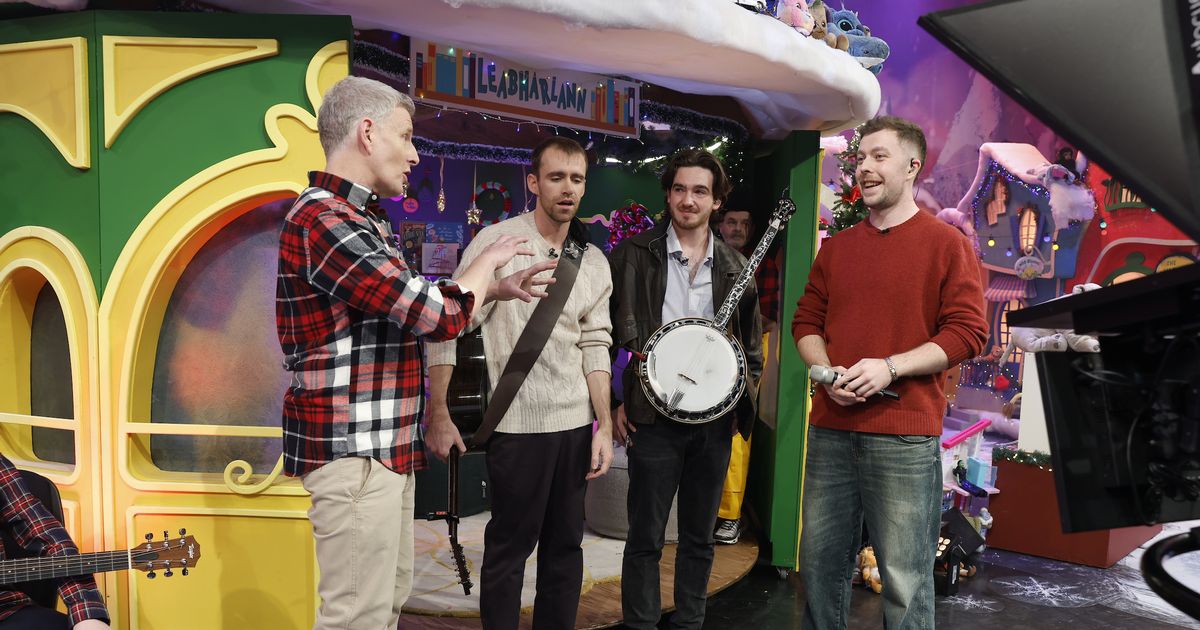
Every year in late November or early December, Ireland comes to a near-complete standstill as families gather around televisions for an event that has become Ireland’s unofficial start to Christmas: The Late Late Toy Show. This annual television spectacular, broadcast by RTÉ (Ireland’s national broadcaster), has evolved from a simple toy demonstration segment into a cultural phenomenon that unites Ireland like few other events. Understanding the Toy Show reveals much about Irish culture, family values, media landscape, and what makes Irish Christmas distinctive.
What Is The Late Late Toy Show?
For those unfamiliar with this uniquely Irish institution, The Late Late Toy Show requires explanation.
The Basic Format: The Toy Show is a special episode of Ireland’s long-running talk show “The Late Late Show.” While regular episodes feature celebrity interviews and musical performances, the Toy Show focuses entirely on children and toys.
The show features:
- Children demonstrating and playing with toys
- Child performers singing, dancing, and showcasing talents
- A specific theme each year reflected in set design and host’s opening
- Musical numbers with children and professional performers
- Surprise guests and emotional moments
- Elaborate production values
- The host (currently Ryan Tubridy) interacting warmly with children
Duration: The show runs approximately 2-2.5 hours, significantly longer than regular Late Late Show episodes.
Timing: Broadcast on the Friday after the last weekend in November or first weekend in December, the Toy Show signals the official beginning of Irish Christmas season.
Audience: The show attracts Ireland’s largest television audience of the year, regularly drawing over 1.5 million live viewers (in a country of approximately 5 million people). This represents extraordinary viewership concentration.
Historical Origins
The Late Late Toy Show’s origins trace to 1975, though the Late Late Show itself began in 1962, making it one of the world’s longest-running talk shows.
First Broadcast: In 1975, Late Late Show host Gay Byrne decided to dedicate an episode to showcasing Christmas toys. The concept was straightforward: demonstrate toys for parents’ benefit as Christmas approached.
Early Format: Early Toy Shows were relatively simple affairs compared to contemporary extravaganzas. Gay Byrne would present various toys, children would demonstrate them, and parents gained gift-buying information.
Evolution Under Gay Byrne: Across Byrne’s decades hosting (1962-1999), the Toy Show evolved significantly:
- Greater production values
- More elaborate sets
- Increased child involvement
- Musical performances becoming central
- The show becoming an event rather than just a program
Pat Kenny Era (1999-2009): When Pat Kenny took over hosting duties, he maintained the Toy Show tradition while adding his own touches. The show continued its cultural dominance, though Kenny’s more formal presentation style created different dynamics than Byrne’s warmer approach.
Ryan Tubridy Era (2009-present): Current host Ryan Tubridy brought renewed enthusiasm and child-friendly warmth to the show. Under Tubridy, the Toy Show has achieved perhaps its greatest cultural prominence, with increasingly elaborate themes, bigger production budgets, and deeper integration into Irish Christmas culture.
The Annual Theme
Each year’s Toy Show adopts a specific theme that shapes set design, host’s opening performance, and overall aesthetic.
Recent Themes Have Included:
- The Wizard of Oz
- Star Wars
- Space exploration
- Hollywood musicals
- Disney magic
- Roald Dahl
- Frozen
Opening Number: Tubridy opens each show with an elaborately staged performance related to the theme. These openings have become legendary, featuring:
- Professional choreography
- Costume changes
- Special effects
- Child performers
- Musical numbers
- Impressive production values rivaling major theatrical productions
The opening number’s scale and ambition set the tone for the entire evening and generate considerable social media discussion.
The Children
The Toy Show’s heart lies in its child participants, who range from toy demonstrators to talented performers.
Selection Process: RTÉ receives thousands of applications from families wanting their children to appear. Selection criteria include:
- Ability to speak clearly and confidently
- Genuine enthusiasm for the toy being demonstrated
- Representing diverse ages, backgrounds, and family situations
- For performers: genuine talent and charm
Toy Demonstrators: Children demonstrate toys in segments throughout the show. Their unscripted reactions, honest opinions, and occasional awkwardness create genuine, endearing television. These children become minor celebrities, with their segments discussed nationwide the following day.
Child Performers: The show features talented children performing music, dance, or other talents. These performances range from traditional Irish music to contemporary pop, from ballet to comedy.
The Interviews: Tubridy’s interviews with children have become famous for their warmth, humor, and occasional unexpectedly profound moments. He treats children with genuine respect while creating entertaining television.
Emotional Moments
The Toy Show regularly produces deeply emotional moments that have become central to its appeal.
Charity Integration: Recent Toy Shows have integrated charitable elements, particularly supporting seriously ill children and their families. These segments often include:
- Surprise gifts or experiences for families facing hardship
- Awareness campaigns for children’s hospitals and charities
- Touching stories of resilience and hope
- Appeals for donations
Unexpected Reveals: The show sometimes includes surprise reunions, special guests for particular children, or other emotional surprises that create genuine tears (both on screen and in homes across Ireland).
Community Support: Stories of communities rallying to support local children often feature, showcasing Irish community spirit and generosity.
The Balance: The show carefully balances light entertainment with these emotional moments, creating an experience that’s simultaneously fun and meaningful.
Cultural Impact
The Late Late Toy Show’s cultural impact extends far beyond television viewership.
National Event: The Toy Show has become Ireland’s shared cultural experience. The following day, everyone discusses it – at work, at school, on social media, in casual conversation. Missing it means being left out of national conversation.
Christmas Starting Point: For most Irish people, Christmas doesn’t truly begin until the Toy Show airs. It’s the official signal to start decorating, play Christmas music, and embrace Christmas spirit.
Generational Tradition: Irish families have watched the Toy Show together for generations. Parents who watched as children now watch with their own children, creating multi-generational shared experiences and memories.
Social Media Phenomenon: In the social media age, the Toy Show becomes a trending topic, with hundreds of thousands of Irish people live-tweeting, posting, and discussing the show as it airs. This creates a virtual national conversation accompanying the broadcast.
Economic Impact: The show significantly impacts Irish toy retailers. Toys featured on the Toy Show often sell out immediately, creating a “Toy Show effect” that retailers anticipate and plan for.
What Makes It Work
The Toy Show’s success isn’t accidental but results from specific factors that resonate with Irish audiences.
Genuine Warmth: The show’s tone is genuinely warm and child-friendly without being condescending. Tubridy’s obvious affection for children comes across as authentic rather than performative.
Irish Identity: The show is unapologetically Irish – Irish children, Irish families, Irish references, Irish values. In an era of globalized media, its Irishness makes it special.
Quality Production: RTÉ invests heavily in production quality. The show looks professional, with impressive sets, lighting, sound, and choreography.
Unpredictability: Despite careful planning, children create genuinely unpredictable moments. Their honest reactions, unexpected comments, and natural behavior make compelling television.
Inclusivity: The show represents diverse Irish children – different ages, backgrounds, abilities, and family situations. This inclusivity makes Irish families see themselves reflected on screen.
Optimism: In a world of cynical media, the Toy Show’s genuine optimism and celebration of childhood innocence provide welcome relief.
Shared Experience: In an era of fragmented media consumption, the Toy Show creates rare shared live television experience, bringing Ireland together simultaneously.
Criticism and Controversy
Despite overwhelming popularity, the Toy Show faces some criticism and occasional controversy.
Commercialism: Critics argue the show is essentially a lengthy toy commercial, creating consumer desires and pressure on parents to buy featured toys. The show’s toy industry connections raise questions about blurring entertainment and advertising.
Pressure on Families: The Toy Show’s emphasis on expensive toys can create financial pressure on families who can’t afford what’s featured, potentially making children whose families can’t buy featured toys feel excluded.
Perfection Pressure: The show’s idealized childhood performances might create unrealistic expectations or pressure on children to be talented performers.
Resource Allocation: Some question whether RTÉ should invest such significant resources in one program when funding other programming is limited.
License Fee Justification: The Toy Show is sometimes used to justify RTÉ’s television license fee, though critics argue one successful program doesn’t justify the broader fee system.
Balance with Charity: The integration of seriously ill children and charity appeals, while well-intentioned, creates uncomfortable juxtaposition of entertainment and suffering.
The Pandemic Era
The COVID-19 pandemic created unique challenges for the Toy Show, while also highlighting its importance to Irish culture.
2020 Toy Show: The first pandemic Toy Show aired in December 2020 under strict restrictions:
- Limited or no studio audience
- Restricted production
- Virtual elements replacing some traditional segments
- Greater emotional weight given national circumstances
Despite challenges, the show provided crucial comfort and normalcy to Irish families facing difficult Christmas during lockdown. Viewership was enormous as people sought any connection to normal life.
Charitable Focus: The pandemic Toy Show raised unprecedented amounts for charity, with Irish people demonstrating remarkable generosity during difficult economic times.
International Interest
While primarily an Irish phenomenon, the Toy Show has attracted international attention.
Irish Diaspora: Irish communities worldwide watch the show online, maintaining connection to home. For Irish emigrants, the Toy Show represents authentic Ireland and triggers nostalgia for Irish Christmases.
International Media Coverage: International media occasionally cover the Toy Show as an interesting cultural phenomenon, fascinated by Ireland’s near-universal focus on a children’s television program.
Format Export: There have been occasional discussions about exporting the format to other countries, though nothing has materialized. The show’s success seems tied to specifically Irish culture and context.
Behind the Scenes
Creating the Toy Show requires enormous effort and coordination.
Preparation: Planning begins months before broadcast, involving:
- Theme selection and set design
- Toy selection and negotiations with manufacturers and retailers
- Child selection and coordination with families
- Choreography and rehearsals
- Technical preparation
Production Team: Hundreds of people work on the show, from set designers to choreographers, sound engineers to child wranglers.
Rehearsals: While the show appears spontaneous, significant rehearsal ensures smooth technical execution while preserving children’s natural reactions to toys.
Post-Show Impact: The show’s impact continues after broadcast, with featured toys selling out, child participants becoming minor celebrities, and discussions continuing for weeks.
Looking Forward
The Late Late Toy Show’s future seems secure given its cultural entrenchment, though it continues evolving.
Sustainability Concerns: There’s growing awareness about sustainable toys and avoiding excessive consumerism, potentially affecting future shows.
Digital Integration: Future shows will likely further integrate digital and social media elements, enhancing real-time national conversation.
Charitable Focus: The charitable aspects seem likely to grow, potentially becoming more central to the show’s identity.
Generational Continuity: As children who grew up watching the Toy Show become parents themselves, the tradition’s multi-generational nature deepens.
Why It Matters
The Late Late Toy Show’s significance transcends television entertainment.
Shared National Experience: In an increasingly fragmented media landscape, the Toy Show creates rare moment when Ireland pays attention to the same thing simultaneously, creating genuine national shared experience.
Childhood Celebration: The show celebrates childhood innocence, wonder, and joy in ways that resonate with adults’ memories and current parents’ hopes for their children.
Irish Identity: The show’s unapologetic Irishness reinforces Irish cultural identity in a globalized world.
Community and Generosity: The charitable elements showcase Irish generosity and community spirit at their best.
Christmas Spirit: The show creates genuine Christmas feeling – warmth, generosity, wonder, and joy – cutting through commercial Christmas cynicism.
Optimism: In difficult times, the show provides optimism and hope, showing Ireland at its warm, generous best.
Conclusion
The Late Late Toy Show represents a uniquely Irish cultural institution that has evolved from a simple toy demonstration segment into a national phenomenon defining Irish Christmas. Its success stems from authentic warmth, quality production, inclusivity, unpredictability, and its perfect capture of what Irish people value: children, family, community, generosity, and shared experience.
For Irish families, watching the Toy Show together has become an essential Christmas tradition, creating memories that last lifetimes. For Irish people worldwide, the show maintains connections to home and Irish identity. For Ireland as a nation, the show creates rare shared cultural moment in an age of fragmented media consumption.
While facing legitimate criticisms about commercialism and pressure, the show’s positive impact seems to outweigh concerns. It brings joy to millions, showcases Irish children and talent, raises money for worthy causes, and creates genuine Christmas spirit that launches Irish Christmas celebrations.
As Irish Christmas traditions continue evolving, the Late Late Toy Show stands as both thoroughly modern (leveraging media technology and social platforms) and traditionally Irish (emphasizing family, community, storytelling, and childhood). It demonstrates how traditions can emerge relatively recently yet become deeply embedded in cultural practice, proving that culture remains living and dynamic rather than merely inherited.
For anyone wanting to understand Irish culture, Christmas, and what makes Ireland distinctive, watching the Late Late Toy Show provides invaluable insight. This is Ireland at its warm, generous, child-centered, optimistic best – and that’s why millions of Irish people wouldn’t dream of missing it.

Author: jonathan
Jonathan is the publisher of Irishtopia.net, Anglotopia.net, and Londontopia.net. He's passionate about travel and learning about other cultures. He's been to Ireland several times, and uses his travel expertise for Irishtopia!