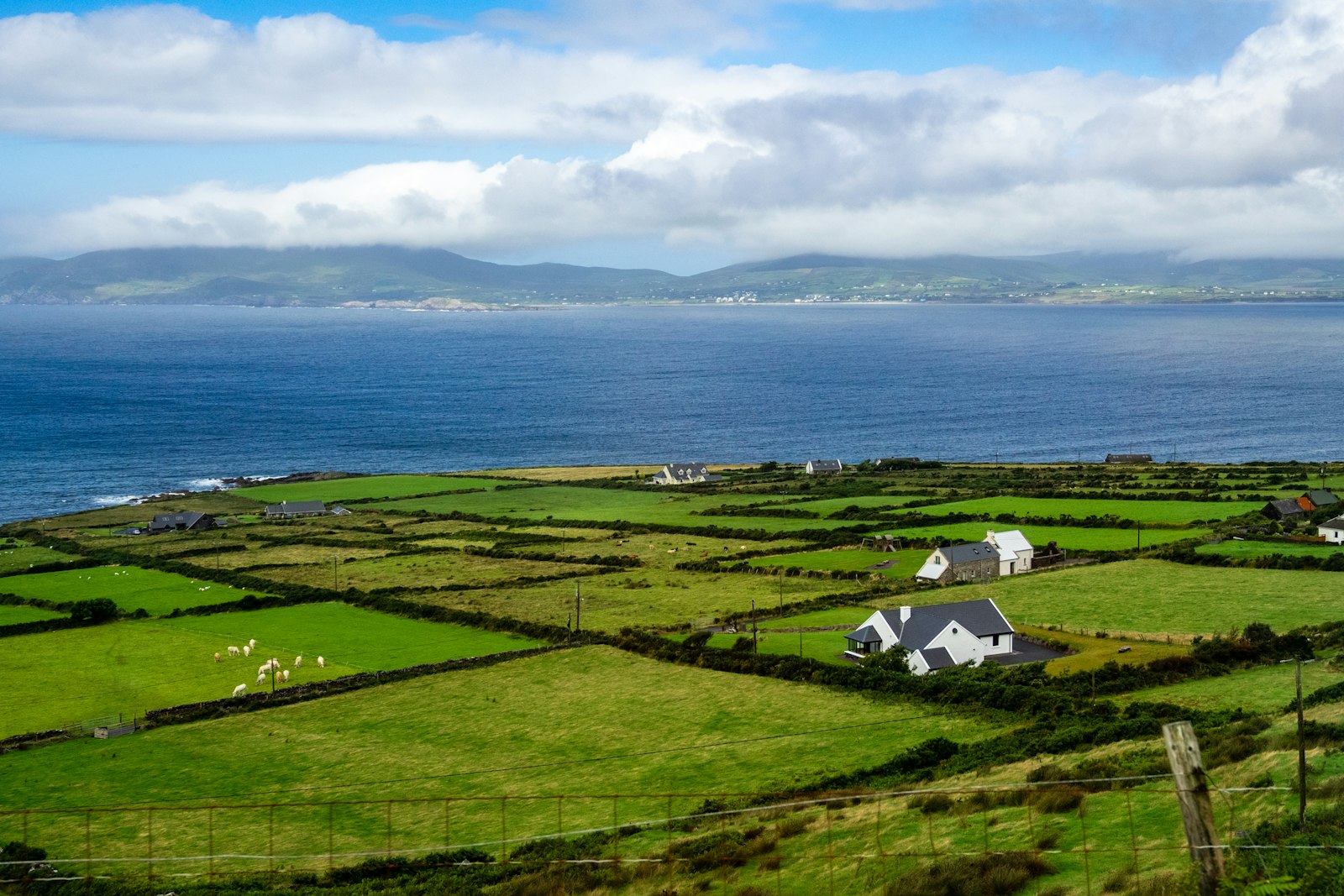
Photo by Andre Ouellet on Unsplash
The Morrigan stands as one of the most powerful and mysterious figures in Irish mythology. Appearing variously as a single goddess or as a trinity of related beings, the Morrigan embodies the dark and violent aspects of existence: war, death, fate, and transformation. Unlike male war gods who typically emphasize martial glory and honor, the Morrigan represents the chaotic, destructive, and transformative dimensions of warfare. She is both terrifying and fascinating, a being whose influence extends across Irish mythological narratives and who continues to captivate modern imagination.
The Morrigan is fundamentally ambiguous. She is a warrior and a lover, a destroyer and a creator, a being of death who is also associated with sovereignty and fertility. This complexity makes her one of Irish mythology’s most compelling figures and reveals much about how ancient Irish people understood power, gender, and the forces that shape human destiny.
The Identity of the Morrigan
The exact identity and nature of the Morrigan is debated among scholars. In some texts, she appears as a single goddess named Morrigan. In others, she is presented as a trinity of goddesses: Morrigan, Macha, and Nemain (or variations of these names). This duality of singular and plural identity reflects the Morrigan’s liminal nature—she is multiple and unified simultaneously, existing in a state of constant transformation.
The name “Morrigan” likely derives from Old Irish words meaning something like “Great Queen” or “Phantom Queen,” though etymologies remain debated. The name itself suggests power and otherworldly nature. Sometimes she is called “Morgan” or the “Mór-Ríghain.” These variations in naming reflect variations in how different texts and traditions understood this figure.
The Morrigan is sometimes depicted in human form, appearing as a beautiful woman. Other times she takes animal form, most commonly a raven or crow, birds strongly associated with death and battlefield scavenging. This capacity for shapeshifting reflects her nature as a being existing beyond ordinary categories and classifications.
The Morrigan as War Goddess
The Morrigan’s most prominent role in Irish mythology involves warfare. She appears in battle accounts, influencing outcomes and determining which warriors will live and which will die. Her presence on battlefields is ominous, heralding death and destruction.
The Morrigan’s association with warfare differs significantly from the depiction of male war gods in Irish mythology. Male war gods like Lugh are typically depicted as victorious, glorious, and honorable. The Morrigan, by contrast, emphasizes the chaos, gore, and darkness of warfare. She feeds on blood and death. She revels in slaughter. She represents not war’s glory but its horror.
In the Second Battle of Mag Tuired, the Morrigan plays a pivotal role. She appears to the Tuatha Dé, announcing victory and transforming the nature of the conflict. Her influence extends battle outcomes beyond what warriors’ skill and strength alone would produce. She represents supernatural forces that determine fate even when ordinary causes might suggest different outcomes.
The Morrigan and Fate
Beyond her role as a goddess of war, the Morrigan is a goddess of fate. She determines which warriors will die in battle, which outcomes will occur, which futures will unfold. This role makes her fundamentally more powerful than even the greatest warriors—she controls the forces that shape their destinies.
The Morrigan’s connection to fate suggests that destiny is not rational or fair but rather chaotic and determined by forces beyond human understanding or control. Death and fate come unexpectedly, through supernatural influence. The Morrigan embodies these reality of human vulnerability to forces beyond individual control.
This understanding of the Morrigan as fate-determiner connects her to other Indo-European goddesses associated with fate and destiny—the Norns of Norse mythology, the Moirae of Greek mythology. These goddesses of fate represent the terrifying reality that human destinies are not entirely within human control.
The Morrigan and Sovereignty
In some mythological contexts, the Morrigan is associated with Ireland’s sovereignty—the goddess who embodies the land itself. This association is complex and sometimes appears in romantic or sexual contexts. Warriors or kings who achieve victory or prominence sometimes encounter the Morrigan in beautiful feminine form, suggesting sexual or romantic possibility.
These encounters between male warriors and the Morrigan in her beautiful form suggest complex relationships between power, sexuality, and sovereignty. The warrior or king who wins the Morrigan’s favor gains sovereignty over Ireland. Yet this relationship is unstable—the Morrigan’s favor can be withdrawn, leaving the warrior vulnerable to the fate she determines.
This dual nature—the Morrigan as both beautiful beloved and terrible destroyer—reflects her fundamental ambiguity. She is not purely benevolent or malevolent but rather embodies the full range of existence including both creation and destruction.
The Morrigan and Transformation
The Morrigan’s frequent transformation between human and animal form, between singular and plural identity, reflects her nature as a being of transformation. She moves between categories, transcends boundaries, and exists in states of perpetual change. This transformative capacity makes her fundamentally unpredictable and uncontrollable.
The Morrigan’s shape-shifting, particularly her appearance as a raven or crow, connects her to birds as harbingers and messengers. Ravens in Irish tradition are associated with prophecy and with the otherworld. The Morrigan’s raven form allows her to see across space and time, to observe battlefields and human affairs, and to communicate supernatural knowledge.
This transformative capacity also reflects the Morrigan’s role in cycles of death and rebirth. Death is not final but rather transformation into other forms of existence. The Morrigan, as goddess of death, oversees these transformations.
The Morrigan and Sexuality
The Morrigan’s relationship to sexuality is ambiguous and complex. In some narratives, she approaches male warriors with sexual intention. She seduces or is seduced by prominent figures. These sexual encounters often have significant consequences—resulting in children, in alliances, or in dangerous entanglements.
The Morrigan’s sexuality is dangerous and potentially destructive. Unlike conventional depictions of goddesses of love and fertility, who promote human flourishing and abundance, the Morrigan’s sexuality can lead to downfall. Her seduction of warriors sometimes presages their deaths or defeats. Her sexual power is weaponized, part of her arsenal of death and fate.
This depiction of female sexuality as dangerous and potentially destructive reflects patriarchal anxieties about female power and sexuality. Yet it also reflects a recognition that female power—particularly when associated with sexuality—can be formidable and unchained by male control.
The Morrigan and the Otherworld
The Morrigan, like many figures in Irish mythology, exists partially in the otherworld—the supernatural realm beyond ordinary human perception. She is not exclusively resident in the ordinary world but rather moves between worlds. This liminal position gives her power to influence events in the ordinary world while remaining partially beyond human reach.
The Morrigan’s association with the otherworld connects her to the broader category of otherworldly beings in Irish mythology. Like other supernatural entities, she operates according to different rules and logics than human beings. She cannot be permanently defeated or controlled through ordinary means.
Modern Interpretations and Worship
In contemporary times, the Morrigan has experienced renewed interest and significance. In modern pagan and Celtic spirituality movements, the Morrigan has become an important figure. Some modern practitioners consider her a goddess worthy of worship and veneration.
Modern interpretations of the Morrigan often emphasize her power and independence. She is understood as a warrior goddess, a protector, a guide for women seeking to access their own power. Some modern interpretations downplay her darker, more destructive aspects, emphasizing instead her power and autonomous agency.
These modern reimaginations of the Morrigan represent contemporary reclamation of the goddess for purposes of spiritual practice and feminist consciousness. They demonstrate how ancient mythological figures can be understood and reinterpreted for contemporary contexts and concerns.
The Morrigan in Literature and Arts
The Morrigan has been a subject of interest for Irish and British writers and artists. W.B. Yeats incorporated Morrigan themes into his poetry. Contemporary Irish fantasy writers have featured the Morrigan prominently. Modern visual artists have created images of the Morrigan drawing on her mythological descriptions.
The Morrigan’s visual representation often emphasizes her fierce, powerful, otherworldly nature. She is depicted as a woman of striking beauty combined with danger or darkness. Her raven or crow form is frequently included in artistic representations.
Conclusion: The Enduring Power of the Morrigan
The Morrigan remains one of Irish mythology’s most powerful and compelling figures. She embodies the dark, chaotic, transformative forces of existence. She represents the reality that human lives are subject to forces beyond human control—to fate, to death, to supernatural powers that care nothing for human welfare or justice.
Yet the Morrigan is not purely evil or destructive. She is a complex being whose power, though terrifying, also commands respect and recognition. She is a goddess worthy of consideration and perhaps even of reverence, not because she is benevolent, but because she embodies fundamental realities of existence.
For Americans interested in Irish mythology, the Morrigan offers entry into understanding how ancient Irish people conceived of power, particularly female power. She demonstrates the complexity with which Irish mythology depicted divine and supernatural beings. She shows that ancient Irish people recognized and honored forces of chaos, death, and fate even while fearing them.
The Morrigan continues to resonate in contemporary culture and consciousness, suggesting that her themes of power, death, fate, and transformation speak to enduring human concerns. Her presence in Irish mythology and her continuing influence in modern imagination demonstrate the lasting power of mythological figures to capture human imagination and to express truths about existence that resist simple or rational explanation.

Author: jonathan
Jonathan is the publisher of Irishtopia.net, Anglotopia.net, and Londontopia.net. He's passionate about travel and learning about other cultures. He's been to Ireland several times, and uses his travel expertise for Irishtopia!