
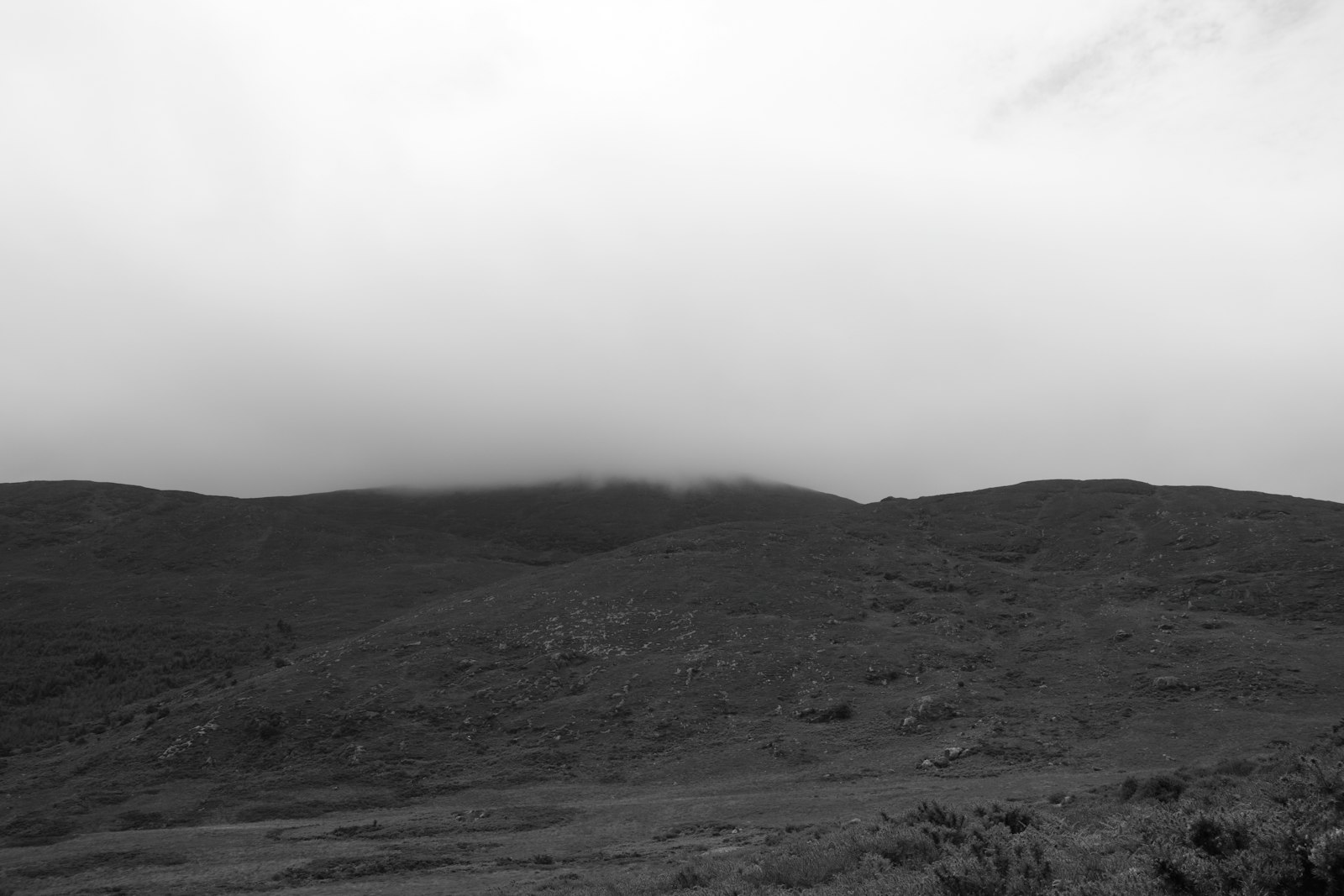
Photo by Tatjana Eva R. on Unsplash
Introduction
The Mourne Mountains are Northern Ireland’s most dramatic landscape—a ridge of granite peaks that rise abruptly from the surrounding countryside like a natural monument. Straddling the border between County Down and County Armagh, these mountains have inspired poets, painters, and hikers for generations. The famous song “Where the Mountains of Mourne Sweep Down to the Sea” captures the romance that surrounds these peaks, yet the mountains themselves offer far more than romantic sentiment.
For American visitors accustomed to the worn-down, forested hills of the Appalachians or the desert landscapes of the West, the Mourne Mountains offer something distinctly different: granite summits, glacial valleys, stark moorland, and sweeping views across Northern Ireland’s interior. The mountains demand respect and preparation, but reward hikers with some of the most spectacular landscapes in Ireland.
Whether you’re a serious mountaineer or a casual hiker seeking an afternoon walk with a view, the Mournes offer multiple experiences. Ancient sites, historic castles, and tiny villages nestle in the foothills. The landscape tells stories of geological transformation, human settlement, and the power of nature. Understanding the Mourne Mountains means understanding the heart of Northern Ireland.
Geology and Landscape: How the Mountains Were Formed
The Mourne Mountains are geologically young—at least in relative terms. Unlike the eroded, ancient hills found elsewhere in Ireland, the Mournes consist of granite that intruded into surrounding rock approximately 60 million years ago during the Paleocene period. This granite cooled slowly underground, forming large crystals that give the rock its distinctive sparkly appearance.
What makes the mountains visually striking is the granite’s resistance to erosion. While surrounding rocks wore away, the hard granite remained, creating distinctive peaks. During the last ice age, glaciers carved valleys between the peaks and polished the granite summits. This glacial action created the characteristic U-shaped valleys and cwms (pronounced “cooms”) that define the landscape.
The highest peaks exceed 800 meters but remain below the height of mountains in Scotland or Wales. Slieve Donard, the highest point at 850 meters, is the tallest mountain in Northern Ireland. From its summit on clear days, you can see across the Irish Sea to Scotland, across to the Wicklow Mountains to the south, and across to the Isle of Man.
The granite creates distinctive features—rocky summits that are relatively bare of vegetation, boulder fields, and stone walls that somehow wind across seemingly impossible terrain. These walls were built over centuries to define property and contain livestock, creating a human imprint on the landscape that is both practical and aesthetically striking.
The Mourne Wall: A Monument to Victorian Ambition
One of the Mournes’ most distinctive features is the Mourne Wall, an 22-mile (35-kilometer) dry-stone wall that encircles the central peaks of the range. Built between 1904 and 1922 to protect the water source and manage the area as a commons, the wall is a remarkable feat of human engineering and perseverance.
The wall rises between 1 and 1.5 meters high and crosses almost 300 meters of elevation change as it winds around the mountains. Built by skilled stonemasons working in one of Ireland’s harshest environments, the wall represents an enormous investment of labor and resources. Every stone was moved by hand, and the craftmanship visible in the wall’s construction remains impressive over a century later.
Walking along sections of the Mourne Wall is an adventure in itself. The wall provides guidance when visibility is poor and offers a natural walkway where the terrain would otherwise be trackless. The wall passes over or near multiple mountain summits, making it a natural hiking route for visitors seeking to explore the range systematically.
The wall’s creation was controversial. Local people resisted its construction, seeing it as an infringement on traditional common land usage. The wall ultimately became a symbol of the era—emblematic of both human engineering capability and the tensions between development and traditional land use.
Major Peaks and Summit Routes
Slieve Donard
Slieve Donard (850 meters) is the Mournes’ highest peak and the most popular summit destination. The mountain rises prominently above the smaller town of Newcastle, making it easily visible from many approaches. On clear days, the views from the summit are exceptional, extending across Northern Ireland and beyond.
Several routes ascend Slieve Donard. The most direct is from Newcastle itself—a steep, straightforward path that gains elevation quickly. This 6-kilometer round-trip is often crowded but offers the most direct ascent. More experienced hikers prefer longer approaches that offer more gradual elevation gain and fewer crowds.
The summit itself is surprisingly modest—a pile of granite blocks with a small stone shelter built for the lowest point of the Mourne Wall. The views, not the summit features themselves, are what make Slieve Donard special.
Slieve Commedagh
Slieve Commedagh (739 meters) is the second-highest peak and offers a more solitary hiking experience than Donard. The peak is accessible from multiple directions and offers spectacular views without the crowds. The approach from the Shimna River valley is particularly scenic.
The Brandy Pad Route
The Brandy Pad is a traditional smugglers’ route that provides one of the classic Mourne Mountain hikes. This historic path winds through dramatic scenery and connects several important peaks. The name comes from contraband smuggling that occurred along this route in the 18th and 19th centuries. Walking the Brandy Pad places you on the same paths used by smugglers, rebels, and ordinary people moving across the mountains for centuries.
The Silent Valley
The Silent Valley is a glacial valley containing two reservoirs that provide water to Belfast and surrounding areas. The valley is spectacularly beautiful—U-shaped with steep granite walls rising on either side. A road penetrates the valley, making it accessible to non-hikers, but serious walkers can hike from here to multiple mountain summits.
The visitor center at Silent Valley offers basic facilities and information about the water system and the mountains. The valley itself is quiet and contemplative—water, granite peaks, and minimal human development create a wilderness feel rare in densely populated Northern Ireland.
Ancient Sites and Historical Significance
Stone Circles and Bronze Age Sites
The foothills of the Mourne Mountains contain numerous archaeological sites dating to the Bronze Age and beyond. Stone circles, standing stones, and burial cairns dot the landscape. The best-preserved circle is the Ballynoe Stone Circle near Downpatrick, though multiple circles and standing stones exist throughout the range.
These sites represent human settlement and spiritual practice going back thousands of years. Ancient people clearly recognized the mountains’ significance and incorporated them into their cultural and spiritual landscapes. Visiting these sites creates tangible connection with the deep human history of the region.
Ancient Forts and Settlements
Iron Age hill forts were built at strategic locations overlooking valleys. These forts served defensive and administrative purposes, and their locations demonstrate sophisticated understanding of geography and strategy. Walking to these ancient forts, you traverse the same landscape that was strategized over by people living two thousand years ago.
Medieval Artifacts
Medieval monastic sites, pilgrim routes, and holy wells indicate the region’s religious significance in medieval times. Saint Donard, the mountain’s namesake, was supposedly a 5th-century saint associated with the area. These religious sites indicate the Mournes were understood as spiritually significant long before modern tourism discovered them.
Wildlife and Natural History
The Mourne Mountains support distinctive plant and animal communities. The higher elevations are heath moorland, dominated by heather, bilberry, and grasses. These habitats support various bird species including golden eagles, which have been successfully reintroduced to the area. Hen harriers, merlins, and red grouse also inhabit the moorland.
Lower elevations support grassland and scrub habitats. In wooded areas, oak and birch trees dominate. The area’s biodiversity increases when you explore the river valleys, where alder, willow, and ash create small riparian woodlands.
Red squirrels, now rare in Ireland due to competition from invasive gray squirrels, persist in some woodland areas. Badgers, foxes, and Irish hares inhabit the slopes. The mountains and surrounding countryside are essentially pristine wildlife habitat—one of Northern Ireland’s most important nature conservation areas.
Practical Hiking Information
Best Times to Visit
The Mourne Mountains are accessible year-round, but the best hiking conditions occur in May through October. Spring brings new growth and increasing daylight. Summer offers the most stable weather and longest daylight hours. Autumn presents spectacular colors and generally clearer air.
Winter hiking is possible but requires mountain safety skills, appropriate winter gear, and careful weather assessment. The mountains can be covered in snow or ice, creating serious hazards. Winter ascents should only be attempted by experienced winter mountaineers with appropriate equipment.
Getting There
The town of Newcastle is the primary hub for accessing the Mourne Mountains. Located in County Down about 30 kilometers south of Belfast, Newcastle is well-connected by road and has regular bus service from Belfast. The town offers accommodation, restaurants, and shops—making it a convenient base.
From Newcastle, you can reach multiple hiking trailheads within a short drive or walk. The Shimna River valley, the Silent Valley, the Brandy Pad starting points, and various other trailheads are all within 10 kilometers.
Other smaller towns like Rostrevor, Warrenpoint, and Killkeel provide alternative bases on the mountain periphery. These quieter towns offer a more local feel, though Newcastle offers more services.
Hiking Safety Considerations
The Mourne Mountains demand respect. Despite their modest elevation, they have claimed lives through weather exposure, falls, and navigation errors. Weather changes rapidly, visibility can deteriorate quickly in mist, and the terrain includes exposed sections where falls would be serious.
Before hiking, inform someone of your planned route and expected return time. Carry appropriate map and compass (GPS is useful backup but shouldn’t be your only navigation method). Bring sufficient water and food. Wear waterproof, windproof layers regardless of the weather forecast.
Stay on established trails, especially in mist. The mountains can be disorientating in poor visibility. If conditions deteriorate, be willing to turn back.
Essential Gear
- Good walking boots with ankle support
- Waterproof jacket and trousers
- Extra warm layers (fleece or wool)
- Hat and gloves (even in summer)
- Map and compass
- Sufficient water (at least 1-2 liters per person)
- High-energy snacks
- Sun protection and insect repellent
- First aid kit
Difficulty Ratings
Hiking in the Mournes ranges from easy river valley walks (accessible to most fitness levels) to serious mountain ascents requiring scrambling skills and mountain navigation experience. Slieve Donard from Newcastle is moderate difficulty—steep but straightforward. Longer routes incorporating multiple peaks or the Brandy Pad are significantly more challenging.
Exploring the Foothill Communities
Newcastle
Newcastle is the main tourist town, with its long beach, promenade, and traditional seaside resort charm. While tourism has transformed the town, it retains some authentic character. The Mourne Heritage Centre provides information about the region’s history and cultural significance.
Rostrevor
Rostrevor is a smaller, quieter town on the coast, famous for its forest park and peaceful atmosphere. The wooded hills rising behind the town provide excellent shorter walks. The town has a pleasant village character and good local restaurants.
Warrenpoint
Warrenpoint is another coastal town, known for its broad Main Square and the silhouette of the Mourne Mountains reflected in the water behind it. The town serves as a base for exploring the southern Mournes and the border region.
Kilkeel
Kilkeel is a working fishing port, less touristy than Newcastle but authentic and interesting. Fresh seafood is excellent here, and the town provides access to routes on the southern side of the mountains.
Practical Itinerary Suggestions
Long Weekend in the Mournes
Day 1: Arrive in Newcastle, settle in, explore the town and beach. Optional short walk in the Shimna River valley.
Day 2: Climb Slieve Donard via Newcastle route in morning, explore Silent Valley in afternoon.
Day 3: Longer hiking day—hike multiple peaks via the Brandy Pad or another ridge route. Alternatively, explore archaeological sites in the foothills.
Day 4: Day trip to Rostrevor or Warrenpoint, explore the south side of the mountains, return and depart.
Serious Mountain Walking Trip
Day 1: Travel to Newcastle, acclimate.
Days 2-4: Multi-day hiking trips incorporating multiple peaks, the Mourne Wall, various valleys and scenic routes.
Day 5: Depart or do an easy day hike to recover.
This approach requires good fitness and mountain experience.
Mixed Activity Trip
Combine mountain hiking with:
The Border Context
The Mourne Mountains straddle the border between Northern Ireland and the Republic of Ireland. This means you’re in a unique geographical and political space. The border runs through the mountains, though it’s largely invisible to hikers. Understanding this context adds layers to the experience—these mountains were shaped by border politics, smuggling traditions, and the complex history of Irish partition.
The town of Newry, just north of the mountains, is on the border itself and has been a strategically important location for centuries. Many hiking routes involve crossing from one side of the border to the other—a reminder of Ireland’s complex political geography.
Conclusion: Why the Mournes Matter
The Mourne Mountains offer American visitors a distinctly Irish mountain experience—dramatic enough to be memorable but accessible enough for most hikers. The granite peaks, ancient sites, and spectacular views create a landscape that feels both timeless and immediate.
More than just scenic beauty, the Mournes represent a landscape shaped by glaciers, carved by water, inhabited by humans for thousands of years, and treasured by contemporary communities. Walking these mountains places you in conversation with ancient peoples, with the 19th-century stonemasons who built the wall, and with contemporary conservationists working to protect this irreplaceable landscape.
Whether you climb Slieve Donard, walk the Brandy Pad, or simply enjoy the views from Newcastle’s promenade, the Mourne Mountains invite you to understand Northern Ireland’s heart. These peaks deserve time and respect. They offer the possibility of profound connection with landscape, history, and the human spirit. For serious hikers seeking authentic mountain experience in Ireland, nowhere else quite compares.

Author: jonathan
Jonathan is the publisher of Irishtopia.net, Anglotopia.net, and Londontopia.net. He's passionate about travel and learning about other cultures. He's been to Ireland several times, and uses his travel expertise for Irishtopia!