
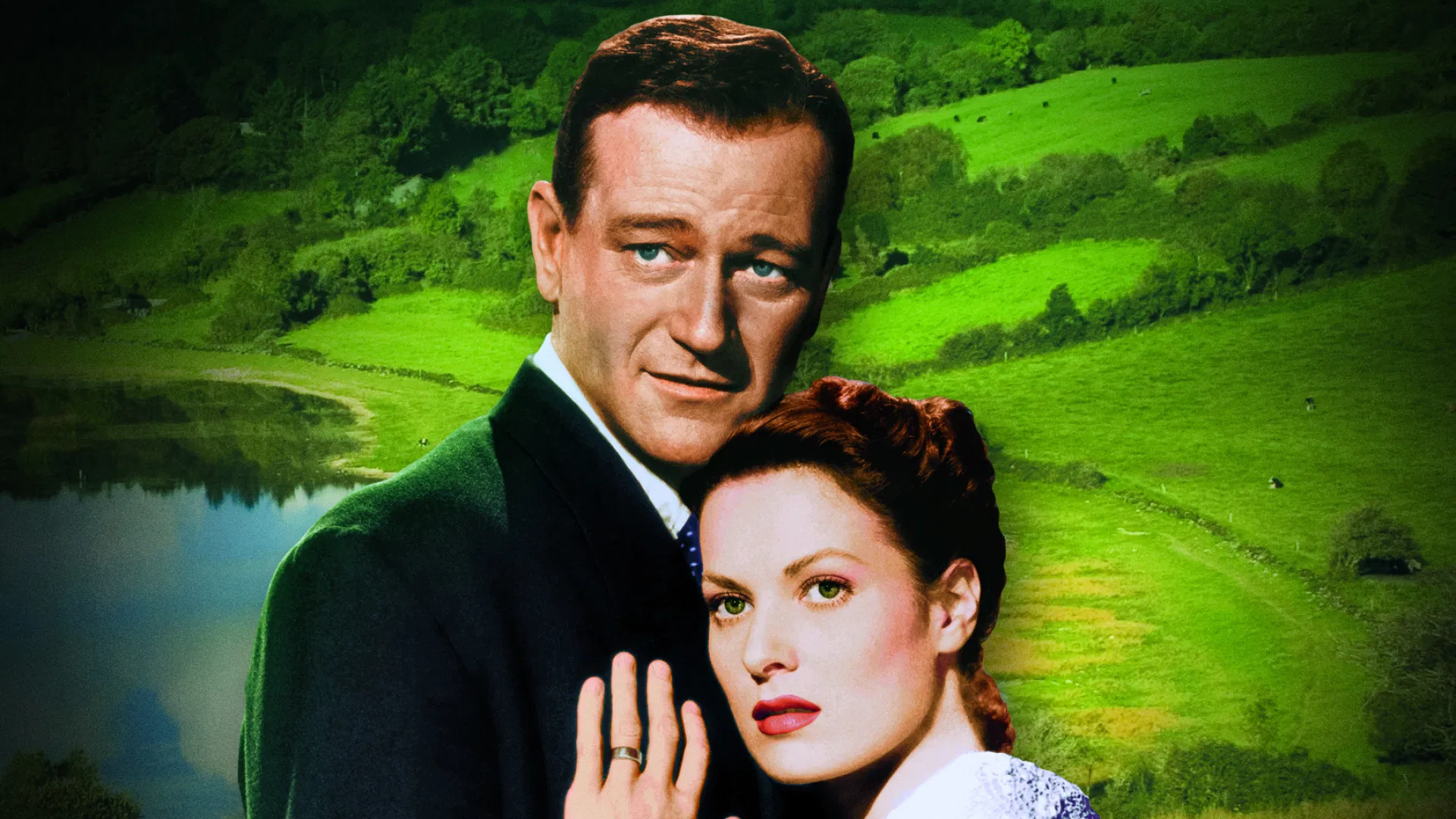
John Ford’s 1952 film “The Quiet Man,” starring John Wayne and Maureen O’Hara, seems an unlikely Christmas classic. It’s not set during Christmas, contains no Christmas scenes, and was released in summer. Yet this romantic drama about an American boxer returning to Ireland has become a beloved Christmas viewing tradition in Ireland and among Irish communities worldwide. Understanding how and why “The Quiet Man” became associated with Christmas reveals much about Irish identity, nostalgia, diaspora experience, and what Irish people seek during the Christmas season.
The Film: Background and Synopsis
Before examining its Christmas connections, understanding “The Quiet Man” itself is essential.
The Story: Sean Thornton (John Wayne), an American boxer who accidentally killed an opponent in the ring, returns to his birthplace in Ireland seeking peace. He falls in love with Mary Kate Danaher (Maureen O’Hara), but their romance is complicated by Irish customs regarding marriage, dowry, and family honor. Sean must navigate Irish cultural expectations while dealing with Mary Kate’s bullying brother, “Red” Will Danaher (Victor McLaglen).
John Ford’s Vision: Director John Ford, son of Irish immigrants, created “The Quiet Man” as a love letter to Ireland. He’d wanted to make this film for years, finally getting financing after the success of “The Searchers.” Ford shot in Ireland, primarily around Cong in County Galway and County Mayo, using Irish locations and supporting cast.
Technicolor Ireland: The film’s vibrant Technicolor photography presented Ireland in brilliant greens, blues, and other saturated colors that contrasted with Hollywood’s typical treatment of Ireland as rainy and gray. This technicolor Ireland, while unrealistic, became how many imagined Ireland.
The Fight Scene: The film’s climactic fight between Sean and Red Will, stretching across the countryside, became one of cinema’s most famous fight sequences – comedic, epic, and distinctly Irish in character.
Critical and Commercial Success: “The Quiet Man” was both critically acclaimed and commercially successful. It won John Ford his fourth Best Director Oscar and became one of 1952’s highest-grossing films.
Cultural Impact: The film influenced how Ireland was perceived internationally, creating images and expectations that persisted for decades.
How It Became a Christmas Film
“The Quiet Man”‘s association with Christmas developed gradually through several factors:
Television Broadcasting: Irish and American television began showing “The Quiet Man” during Christmas holidays. The reasons were partly practical – it’s a crowd-pleasing film suitable for family viewing – but the association stuck. Once it aired at Christmas a few times, it became expected.
RTÉ Christmas Tradition: Irish national broadcaster RTÉ made “The Quiet Man” a Christmas staple, airing it annually or near-annually during the Christmas period. This regular scheduling made it part of Irish Christmas television tradition.
American Irish Christmas: In America, “The Quiet Man” became associated with Irish-American Christmas celebrations. Irish bars would show it, Irish-American families would watch it together, and it became shorthand for Irish heritage during the Christmas season when ethnic identity is often emphasized.
Nostalgia Timing: Christmas triggers nostalgia, and “The Quiet Man” is fundamentally nostalgic – both the film’s 1920s setting and its 1950s idealization of Ireland create double nostalgia. Christmas viewing of nostalgic content feels natural.
Home and Return: The film’s themes of homecoming, return to roots, and finding where one belongs resonate strongly at Christmas when Irish emigrants traditionally return home. Sean Thornton’s journey mirrors Irish diaspora experiences.
Family Viewing: “The Quiet Man” works well for multigenerational family viewing. It’s wholesome enough for children, romantic enough for adults, and Irish enough to affirm family heritage.
Why It Resonates with Irish Audiences
“The Quiet Man”‘s enduring popularity in Ireland, particularly at Christmas, reflects complex relationship between Irish people and this American film about Ireland.
Beautiful Ireland: Despite knowing real Ireland differs from Ford’s technicolor vision, Irish people appreciate the film’s presentation of Ireland as beautiful, romantic, and worth returning to. At Christmas, when emigrants do return, this idealized Ireland feels emotionally true even if not literally accurate.
Irish Archetypes: The film’s characters – strong-willed woman, violent but honorable man, interfering priest, gossipy villagers, hard-drinking locals – represent Irish archetypes that Irish people recognize and enjoy seeing on screen, particularly when treated affectionately rather than mockingly.
Comedy and Drama Balance: The film balances romance, comedy, drama, and action in ways that appeal to broad audiences. At Christmas, when families with diverse tastes gather, this balance works well.
Cultural Validation: American cinema rarely took Ireland seriously or treated it as worthy of major production. “The Quiet Man” represented Hollywood validation of Irish culture and places, something Irish people appreciated then and now.
Maureen O’Hara: O’Hara, genuinely Irish, brought authenticity to Mary Kate Danaher. Her fierce independence, beauty, and refusal to be dominated made her an Irish feminist icon. Irish women particularly appreciate her character.
The Fight: The epic Sean/Red Will fight, while absurd, captures something Irish about male relationships, conflict resolution, and the role of physicality in Irish male culture. Irish men quote it, reference it, and enjoy its unapologetic masculinity.
Irish-American Connection
For Irish-Americans, “The Quiet Man” holds particular significance at Christmas:
Heritage Affirmation: At Christmas, Irish-Americans often emphasize Irish heritage through food, decorations, and traditions. “The Quiet Man” provides visual affirmation of this heritage.
Romanticized Connection: The film allows Irish-Americans to connect with romanticized Ireland that may differ from actual Ireland but feels emotionally true to diaspora experience.
Family Tradition: Many Irish-American families made watching “The Quiet Man” a Christmas tradition, passing it through generations. Children who watched with grandparents now show it to their own children.
Bar Culture: Irish pubs in America often show “The Quiet Man” during Christmas, creating communal viewing experiences that reinforce Irish-American identity and community.
Homecoming Fantasy: For Irish-Americans who’ve never visited Ireland, “The Quiet Man” represents the “return” they fantasize about, especially poignant at Christmas when homecoming is prominent theme.
Critical Perspectives
“The Quiet Man”‘s popularity doesn’t mean it’s without problems or criticism:
Romanticization: Critics argue the film romanticizes Ireland inaccurately, creating false expectations and stereotypes. The Ireland it shows never really existed – it’s fantasy Ireland.
Gender Politics: The film’s gender politics are problematic. Sean drags Mary Kate across the countryside, and the film treats this as romantic. Domestic violence undertones make some contemporary viewers uncomfortable.
Cultural Stereotypes: The film relies on Irish stereotypes – drinking, fighting, gossipy villagers, interfering priests. While affectionate, these stereotypes can be reductive.
Colonial Gaze: Some critics note the film represents American/colonial perspective on Ireland, with Irish people presented for foreign consumption rather than complex individuals.
Class Blindness: The film largely ignores poverty and class issues that characterized 1920s Ireland, presenting sanitized version of Irish life.
Historical Amnesia: By setting the film in 1920s Ireland but ignoring the War of Independence, Civil War, and political turmoil, the film erases crucial Irish history.
Defense and Appreciation
Despite criticisms, defenders argue for the film’s value:
Intentional Fantasy: Ford never pretended to make documentary. “The Quiet Man” is deliberately romantic fantasy, and judging it by realistic standards misses the point.
Affectionate Treatment: Unlike many Hollywood treatments of Ireland, “The Quiet Man” treats Irish characters with affection and respect, even when portraying stereotypes.
Irish Involvement: Ford’s Irish heritage and his use of Irish locations and supporting cast give the film more authenticity than typical Hollywood Ireland.
Generous Spirit: The film’s spirit is fundamentally generous and warm. It celebrates Irish culture, landscape, and people rather than mocking them.
Historical Context: Judging 1952 film by contemporary standards regarding gender, representation, or politics is arguably unfair. For its era, “The Quiet Man” was progressive in many ways.
Emotional Truth: While not literally accurate, the film captures emotional truths about homecoming, identity, and cultural connection that resonate with Irish diaspora experiences.
The Christmas Television Tradition
“The Quiet Man”‘s presence on Christmas television has become so established it’s now expected:
RTÉ Scheduling: Irish people check television schedules to see when RTÉ will air “The Quiet Man,” with mild disappointment if it’s not scheduled or relief when it appears.
Alternative to Christmas Films: For Irish people tired of American Christmas films or British Christmas specials, “The Quiet Man” provides Irish alternative that’s still festive and appropriate for season.
Multi-Day Viewing: Many Irish people watch “The Quiet Man” across multiple sittings during Christmas, fitting viewings around family obligations and celebrations.
Comparison with Other Christmas Films: “The Quiet Man” competes with other Christmas viewing traditions – EastEnders specials, Father Ted, The Late Late Toy Show – for Christmas television attention.
Locations and Tourism
The film’s Christmas associations affect Irish tourism and how filming locations are experienced:
Cong Tourism: The village of Cong, principal filming location, has built tourism industry around “The Quiet Man.” The connection intensifies at Christmas when the film’s television presence raises awareness.
Christmas Visits: Some tourists visit Cong specifically at Christmas, seeking the Ireland depicted in the film when it’s most prominent in cultural consciousness.
Quiet Man Museum: Cong’s Quiet Man Museum benefits from Christmas visibility of the film, with increased interest following television broadcasts.
Christmas Packages: Some Irish tourism operators offer “Quiet Man” themed experiences at Christmas, capitalizing on the film’s seasonal associations.
Changing Perspectives
As Ireland changes, perspectives on “The Quiet Man” evolve:
Modern Ireland vs. Film Ireland: Contemporary Ireland bears little resemblance to the Ireland depicted in “The Quiet Man.” This gap makes the film increasingly historical document rather than reflection of current reality.
Critical Reassessment: Younger generations sometimes view the film more critically, particularly regarding gender politics and cultural representation.
Continued Affection: Despite changes and criticisms, many Irish people maintain genuine affection for the film, acknowledging its problems while appreciating its beauty and spirit.
Cultural Artifact: The film increasingly functions as cultural artifact – representing mid-20th-century Ireland, Irish-American perspectives, and Hollywood’s Ireland rather than actual Ireland.
Why It Works at Christmas
Several factors make “The Quiet Man” particularly suitable for Christmas viewing:
Homecoming Theme: The film’s central theme of returning home resonates during Christmas when Irish emigrants traditionally return to Ireland.
Community Focus: The film emphasizes community – village life, shared celebrations, collective involvement in individual stories. Christmas emphasizes similar community values.
Romance: The film’s romantic plot provides Christmas entertainment without Christmas-specific content, appealing to those wanting festive viewing without explicitly Christmas material.
Family Friendly: The film’s lack of explicit content makes it suitable for family viewing, important during multigenerational Christmas gatherings.
Irish Identity: At Christmas, Irish people often emphasize Irish identity through food, traditions, and cultural content. “The Quiet Man” provides cultural content that affirms Irishness.
Beauty and Escapism: The film’s beautiful cinematography provides visual escapism perfect for Christmas, when people seek beautiful, positive content.
Tradition Itself: For many Irish people, watching “The Quiet Man” at Christmas is simply tradition – it’s part of what Christmas is, requiring no further justification.
International Influence
“The Quiet Man”‘s Christmas associations extend beyond Ireland:
British Christmas: The film also airs on British television at Christmas, where it appeals to British audiences interested in Ireland and John Wayne fans.
American Broadcasting: American networks sometimes show “The Quiet Man” at Christmas, particularly stations targeting Irish-American audiences.
Global Irish Communities: Irish communities worldwide – Australia, Canada, etc. – often incorporate “The Quiet Man” into Christmas celebrations.
Streaming Era: Netflix and other streaming services make “The Quiet Man” available year-round, but many still wait to watch it at Christmas, maintaining traditional viewing patterns even when technological necessity no longer exists.
Conclusion
“The Quiet Man”‘s evolution into a Christmas classic represents fascinating cultural phenomenon combining nostalgia, diaspora identity, television scheduling, and genuine affection for a flawed but beautiful film. While not technically a Christmas film, it has become inseparably associated with Irish Christmas through decades of tradition.
The film works at Christmas because it addresses themes that resonate during the holiday season – homecoming, family, community, identity, and belonging. Its romanticized vision of Ireland speaks to Irish people’s complicated relationship with their country and heritage, acknowledging nostalgia’s power while knowing it presents impossible ideals.
For Irish people worldwide, “The Quiet Man” provides annual Christmas reminder of Irish identity, heritage, and the enduring appeal of stories about returning home. Despite its problems – gender politics, stereotypes, historical amnesia, romanticization – the film maintains hold on Irish imagination because it represents how many want to feel about Ireland, even knowing reality differs.
As Christmas tradition, “The Quiet Man” joins the Late Late Toy Show, Father Ted reruns, and other distinctly Irish Christmas viewing. It demonstrates how Christmas traditions emerge from unexpected sources and how films can take on meanings beyond their creators’ intentions. John Ford made a romantic drama set in Ireland; Irish audiences transformed it into a Christmas tradition that affirms identity, triggers nostalgia, and provides annual return to idealized Ireland that never quite existed but somehow feels true.
Whether watched alone or with family, in Ireland or across the Irish diaspora, “The Quiet Man” at Christmas continues providing what it has for decades – beautiful images of Ireland, romance, comedy, action, and affirmation that home, heritage, and identity matter. That combination, particularly at Christmas, explains why this 1952 American film remains essential viewing for Irish people worldwide every Christmas season.

Author: jonathan
Jonathan is the publisher of Irishtopia.net, Anglotopia.net, and Londontopia.net. He's passionate about travel and learning about other cultures. He's been to Ireland several times, and uses his travel expertise for Irishtopia!